The age of experience: how is the events economy shaping city life?
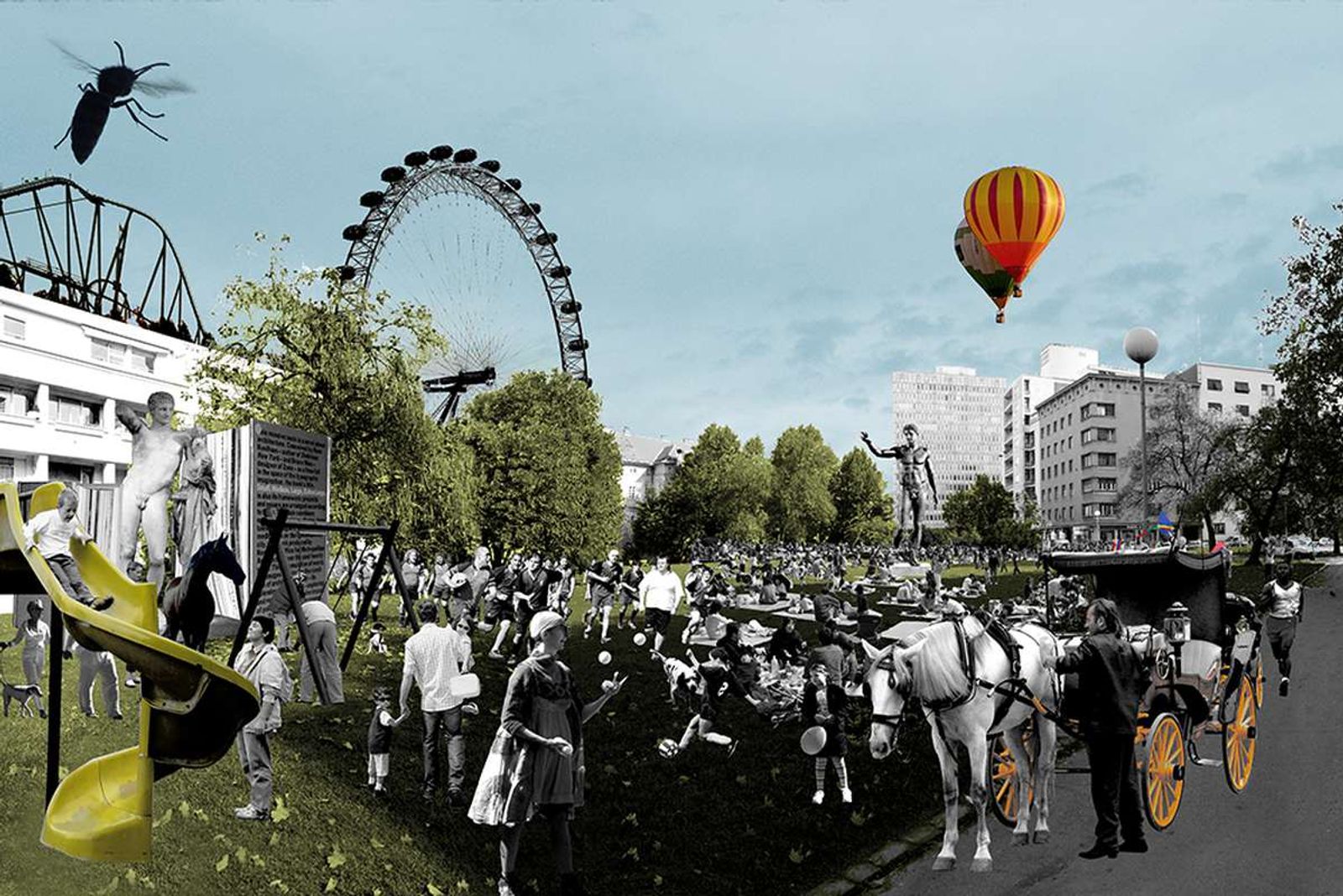
Events are handy formats: they bring together the city’s different players, make empty spaces visible, change the story of neighbourhoods and generate economic activity, and on top of all that turn all of this into something measurable and programmable. But designing a city as an “events stage” does not always give the right answer. What is left once the event is over? Does the value created contribute not only to the cultural ecosystem but also to access to public space, to local businesses and to the daily life of neighbourhoods?
Berlin’s September calendar was busier than that of a PR specialist trying to keep up with fashion and arts clients. Berlin Art Week, Gallery Night, Positions Berlin Art Fair, Soft Power Festival, Musikfest Berlin, the new design festival Currents… Berlin Art Week alone brought together 125 partners and more than 300 events, drawing around 200,000 visitors to the city.
After days packed with exhibitions, performances, fairs and openings, The Berliner’s description was spot on: “cultural overload”. On top of that came the Berlin Marathon and plenty more. In other words, event inflation. The line between abundance and excess is sometimes as thin as a five-day calendar.
The rest of this story is on Aposto Premium.
Premium members read every story. If you are not a member, sign up for Magazine and receive the covers and selected stories by email.