Recent Stories
30 STORIES
This week in Bibliotherapy: books for when you’ve forgotten who you are outside work
Our profession is one of the quickest answers we give to the question “Who am I?” So when does “I didn’t do my job well enough” turn into “I’m not good enough”? With three books, we look at the fine line between success and self-worth, our changing needs and the place work holds in our lives.
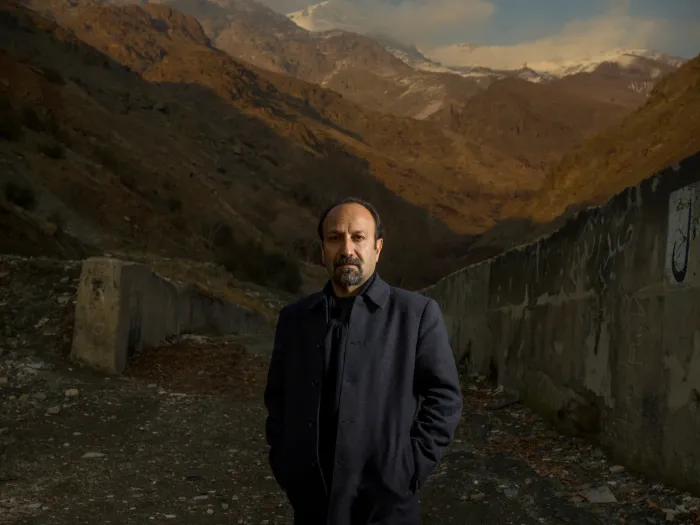
Asghar Farhadi and beyond: how much of human creativity can AI take on?
Reading Lanthimos’s The Lobster through the sociology of emotions
The Lobster brings postmodernism’s questioning of how identities and social norms are constructed together with the central concern of the sociology of emotions. It shows the viewer that the film’s real tragedy lies not in people obeying oppressive rules without protest, but in their living out the emotional needs those rules dictate as if they were their own desires. David’s personal tragedy is that although he flees the hotel for the forest, he takes the hotel’s “rules of love” with him.
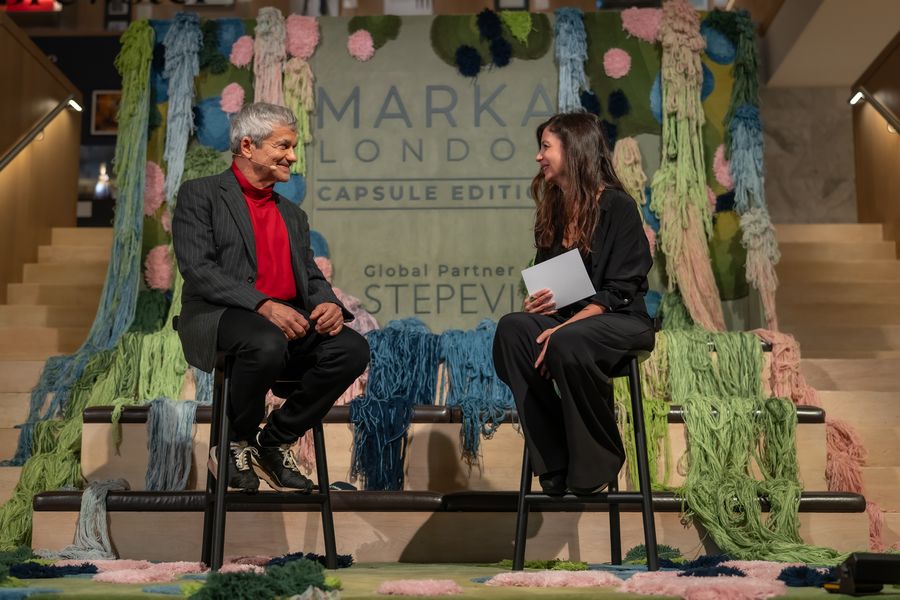
Restaurants, installations, rugs: the conference that took over London’s Design Museum for a day
Held in Istanbul since 2000, the MARKA conference moved abroad for the first time on 13 October, to London’s Design Museum. After a day of fast-paced conversations ranging from running restaurants to architecture, from manufacturing to design, the message was clear: today we measure luxury not by the objects we own but by how they make us feel.
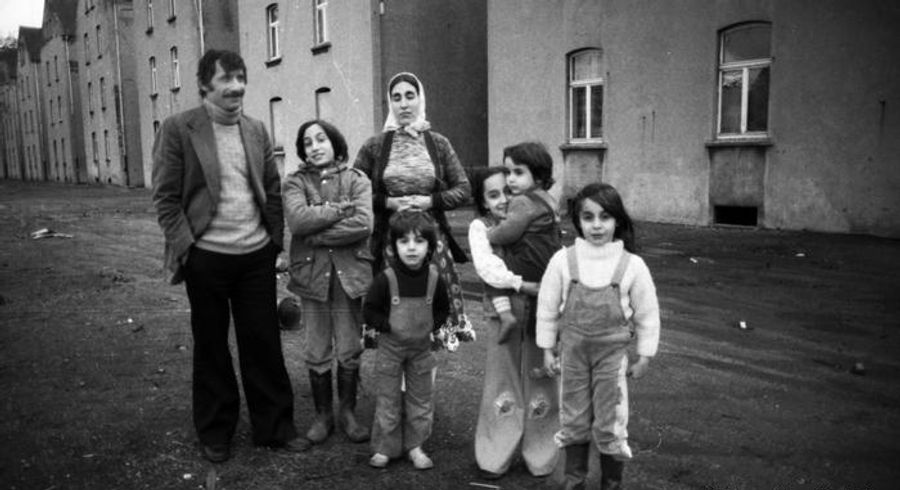
Through books, from guest to voice in Germany: where is home for us, and where is exile?
From 1961 onwards, the workers who went to Germany waited to vote, but they did not wait for the ballot box to do politics. Following the books of Nermin Abadan-Unat, Gündüz Vassaf, Ayhan Kaya, Fatma Aydemir and Ece Temelkuran, we read sixty-five years that stretch from the Ford strike to Cem Özdemir becoming a state premier, from citizenship reforms to the rise of the AfD. The same questions are still on the table: Who is “German”? Where is “homeland”?
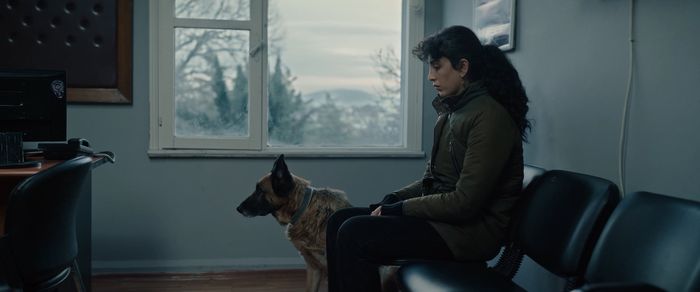
After Altın Portakal: where is Türkiye’s cinema heading?
Ramize Erer’s Séparation in Paris: parting in room 44
Ramize Erer’s exhibition “Séparation” has opened in room 44 of Hôtel Langlois, a hotel that carries the historic atmosphere of Paris into the present. We spoke to Ramize Erer and the curator Nazlı Pektaş about the sadness and transience in the paintings and what the space brings to the exhibition.

Digital nomads on the “Geographic Resonance Line”: is it really where we live that we are running from?
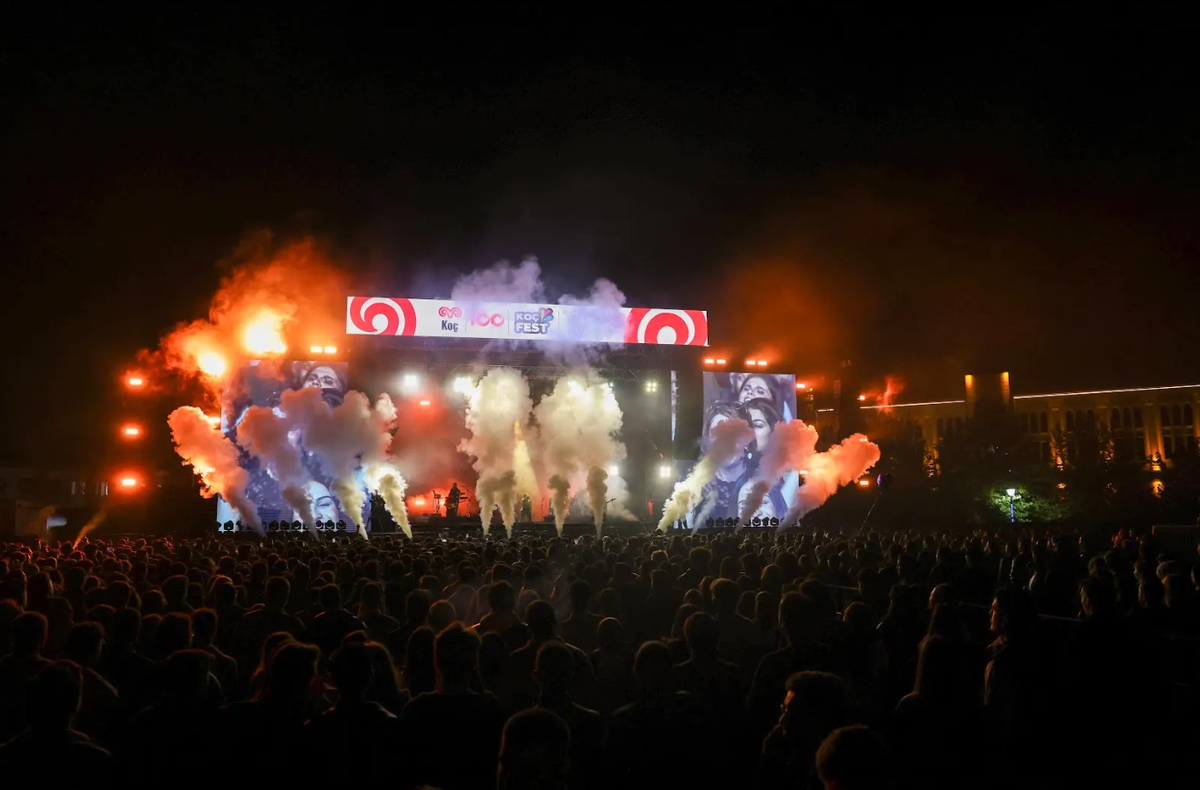
Different stages, same show: why won’t big rock bands change their setlists?
Established rock bands have been playing largely the same setlists with the same stage set-ups for years. Isn’t a vast catalogue reason enough for a band to offer listeners a different slice of it at every concert?
Reykjavík beyond the clichés: 10 local stops in a day
One of the world’s northernmost capitals, Reykjavík is usually seen by travellers arriving on the island as little more than a place to sleep or a stopover on the way to nature tours. Yet with its human scale, distinctive architecture and use of public space, the city offers the most tangible summary of the island’s way of life. It is also remarkably generous to anyone who wants to trace what it means to “be from here” and the patterns of everyday life on the island. A guide for those who want to fit 10 of the city’s local stops into a single day.
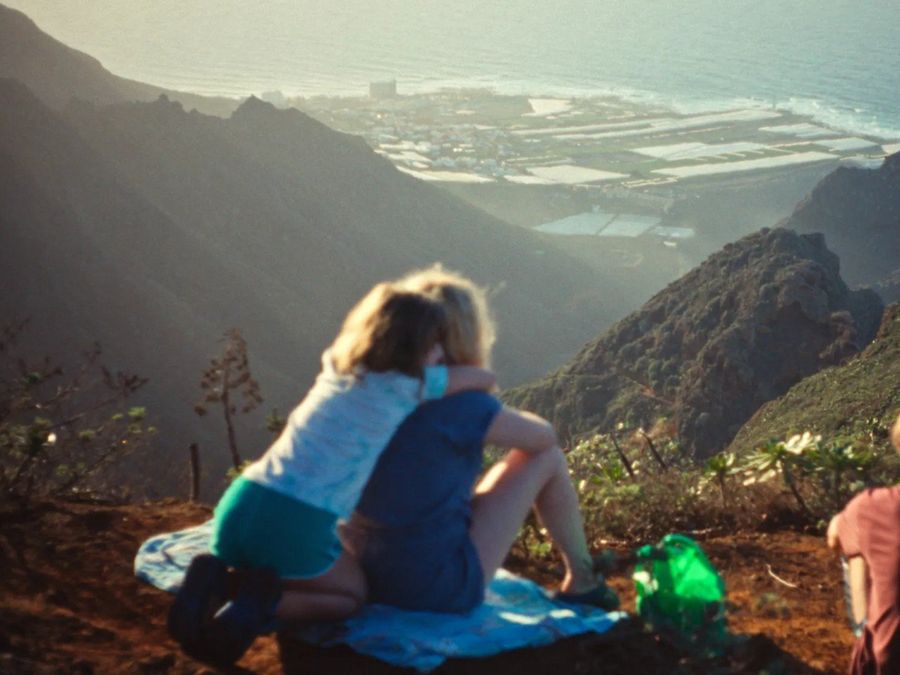
On grief: the shoes are gone, the messages remain
We give away the belongings of the dead, but their voices, messages and images stay on our phones. Starting from Sandra Wollner’s film Everytime, some thoughts on the shapes grief takes, from shoes left at the door to messages we still wait for an answer to.
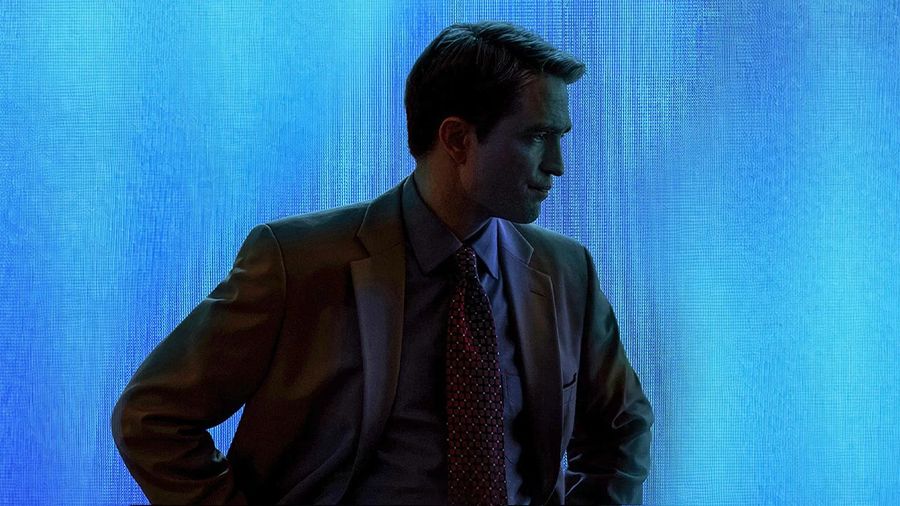
Primetime: can anything become a spectacle for the sake of ratings?
Lance Oppenheim’s new film “Primetime” rebuilds Chris Hansen’s television world with strong performances, but stays on the surface when it comes to the human cost of the hunger for ratings and the ethical limits of the spectacle.

DJ İlkay Şencan: ‘To go global, first return to your roots’
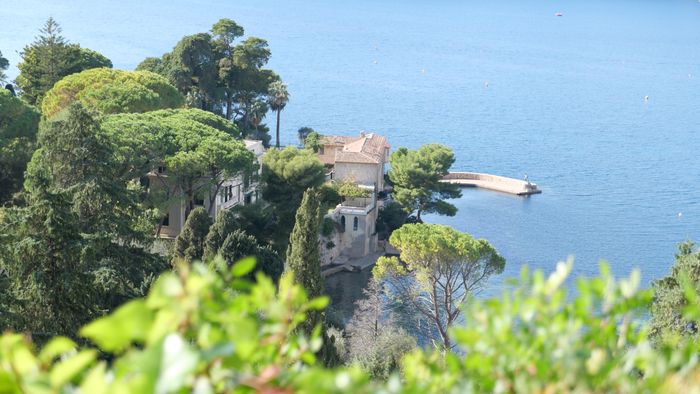
After the lavender: a guide to southern France in autumn
From Aristotle’s ‘Golden Mean’ to Gen Z’s rebellion: Enes Özel on ‘Normal’
On his very active Instagram account, M. Enes Özel describes himself as “Psychiatrist. Amateur at everything else, lucky freak, fumbling servant.” We spoke to Özel about his new book “Normal” and the ways different generations perceive the normal.
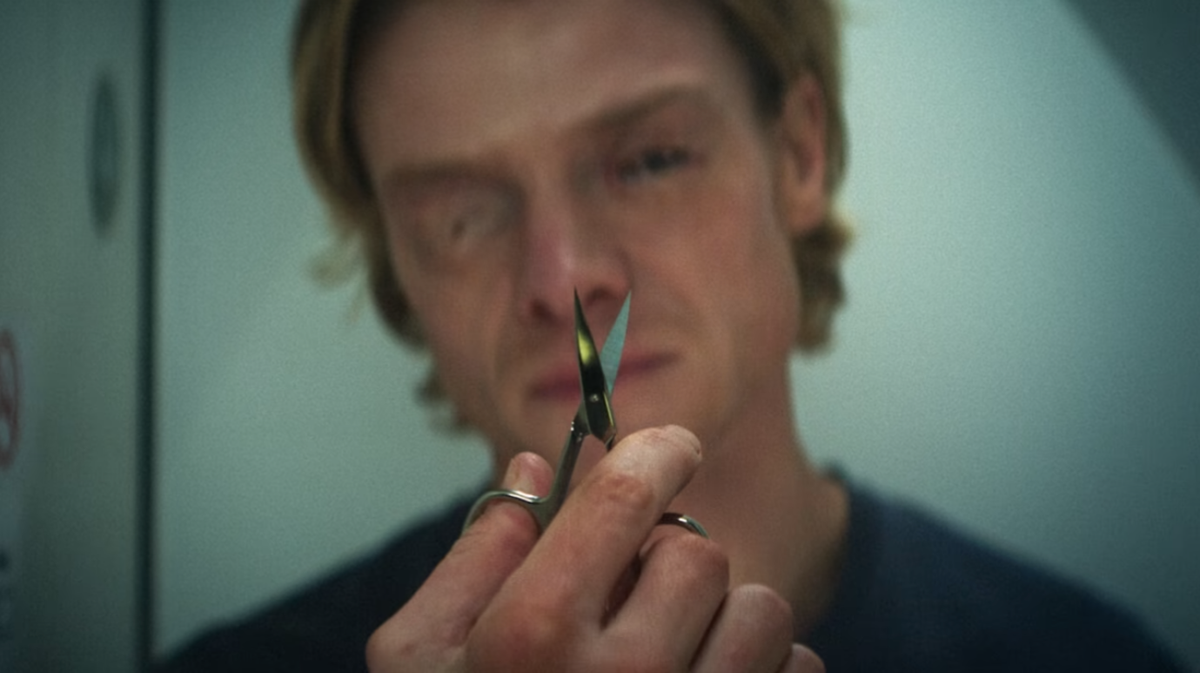
Clayface: a supervillain who sculpts himself
DC’s new film “Clayface” uses the story of a supervillain to question the boundaries between body, identity and consciousness. Running in the same vein as “Joker” and “The Batman”, where DC swims in darker waters, the film traces the “Clay Man” that an actor named Matt Hagen becomes after his face is shattered.
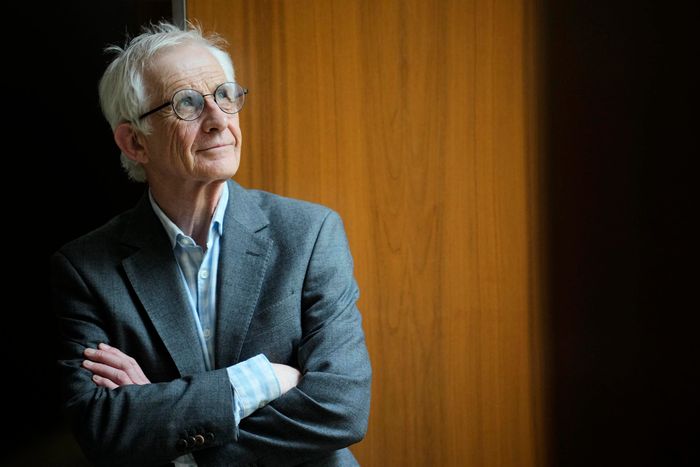
Roger Crowley: ‘The empire Portugal built was a product of its own poverty’
A room for the artist, but what’s in it for the host?
Artist residencies are spaces for research and mutual learning that bring creatives together with local knowledge. In these programmes, which welcome chefs, designers and researchers, the relationship formed with the people, nature and culture of the place also shapes the work. Examples from Cappadocia to Sardinia offer new possibilities for passing on craft knowledge and for rural development. The value of these programmes depends on what artists, hosts and local communities learn from one another and what they can create together.
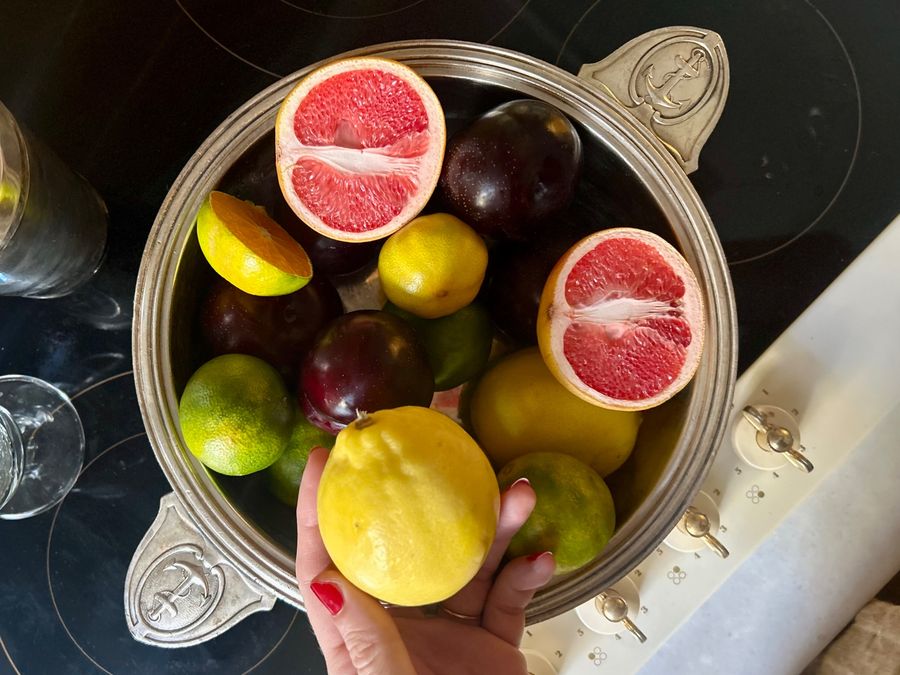
On taste: what the nose knows and the tongue does not
Why does an apple not taste like an apple when you have a cold, and can a white wine dyed red be perceived as a red? Flavour is not the tongue’s job alone. Shaped where smell, sight and the sensations in our mouth meet, this experience affects many things, from how we recognise a food to whether we come to love it.
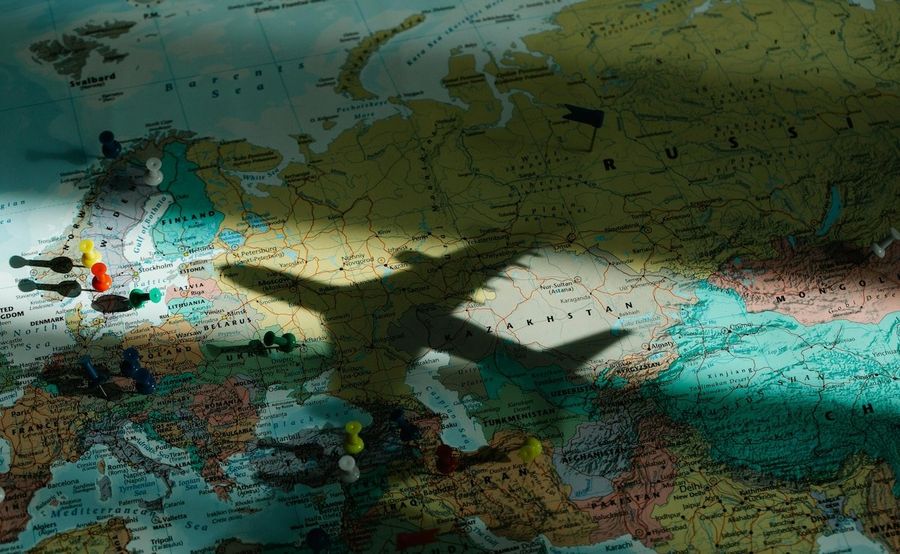
Travel trends for 2027: flexible holidays, paranormal trips and destinations chosen by mood
Holidays shaped by personal preference, lesser-known routes and journeys made for special events look set to be among the defining travel habits of 2027. Recent research shows that travellers’ expectations of a holiday are becoming more varied, and that budget, mood, interests and the search for experiences play a bigger role in travel decisions than they used to.
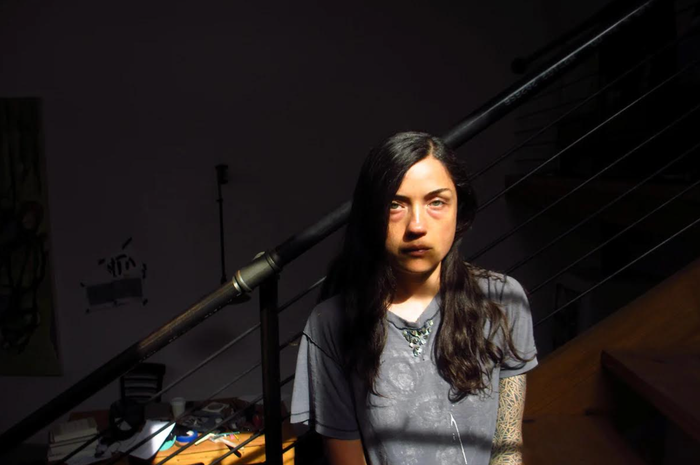
Grouper’s Liz Harris: is mystery in music still possible?
Sinopale’s founders, curators and artists on what the biennial has changed in Sinop
First held in 2006, Sinopale has, over twenty years, become one of Türkiye’s longest-running independent art initiatives. On the occasion of its 10th edition, we sat down with the biennial’s founders, curators and artists to talk about the relationship Sinopale has built with its city and the ways local knowledge meets contemporary art.

Waiting for the punchline with Norm Macdonald
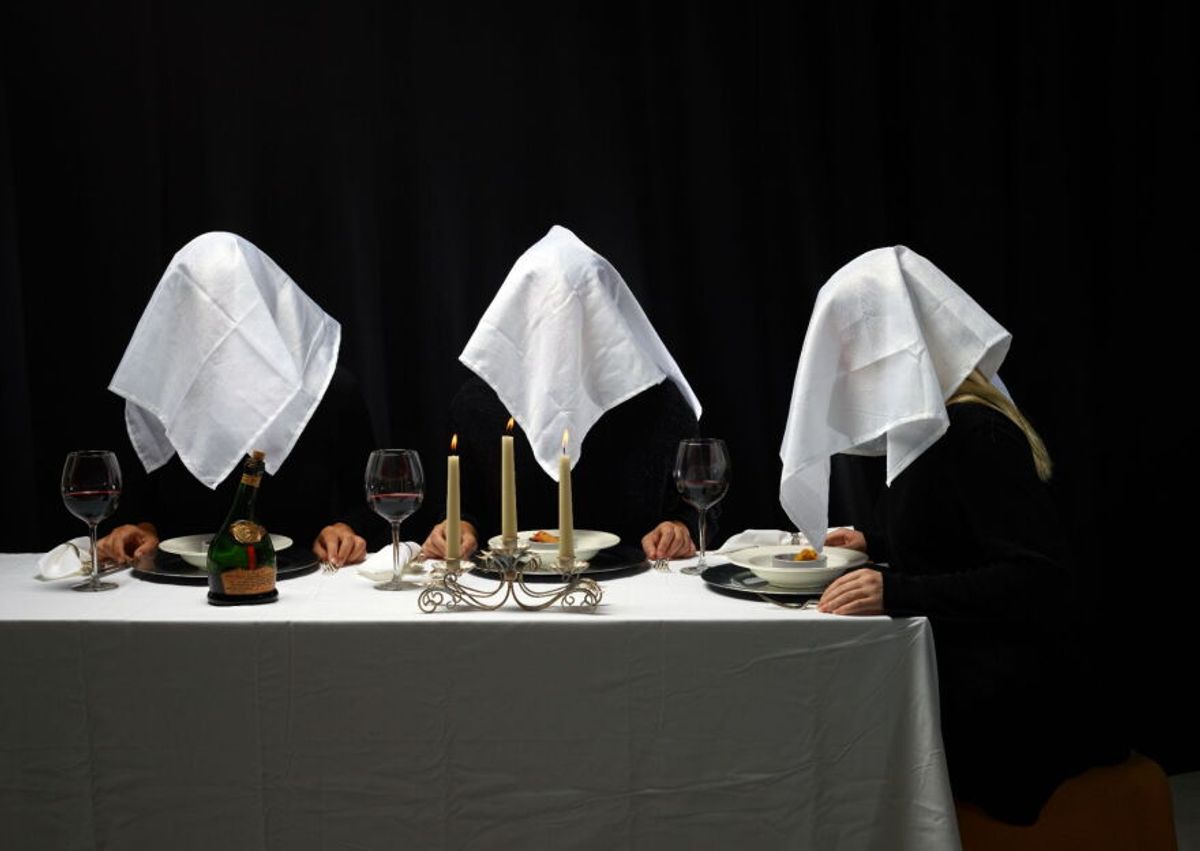
The ortolan ritual: why did diners hide their faces?
Eaten bones, organs and all, the ortolan is one of the most controversial dishes in French gastronomy. Its story, which stretches from Dumas’s culinary dictionary to “Succession”, raises the question of the suffering inflicted on animals for a single mouthful of pleasure, while the napkin traditionally draped over the head when eating ortolans prompts another question: why do we hide when we eat?
Without blinking: the mirrored labyrinth of ‘You Can See Everything’
Nathan Fielder and Lance Oppenheim’s Elizabeth Holmes documentary “You Can See Everything” is one of the strangest and most layered films of recent years. We see different reflections of everyone in it, Nathan included: as they see themselves, as everyone else sees them, and as we see them. In this hall of mirrors, everyone plays everyone, for the audience. And watches.

From a book club to curating a literature festival: Dua Lipa and Service95
How can a pop star open up space in the literary world? The question that brought Dua Lipa and Mustafa together for a conversation on poetry, grief and memory at London’s Royal Festival Hall on 24 October also tells us where a journey that began with Service95 has arrived today.
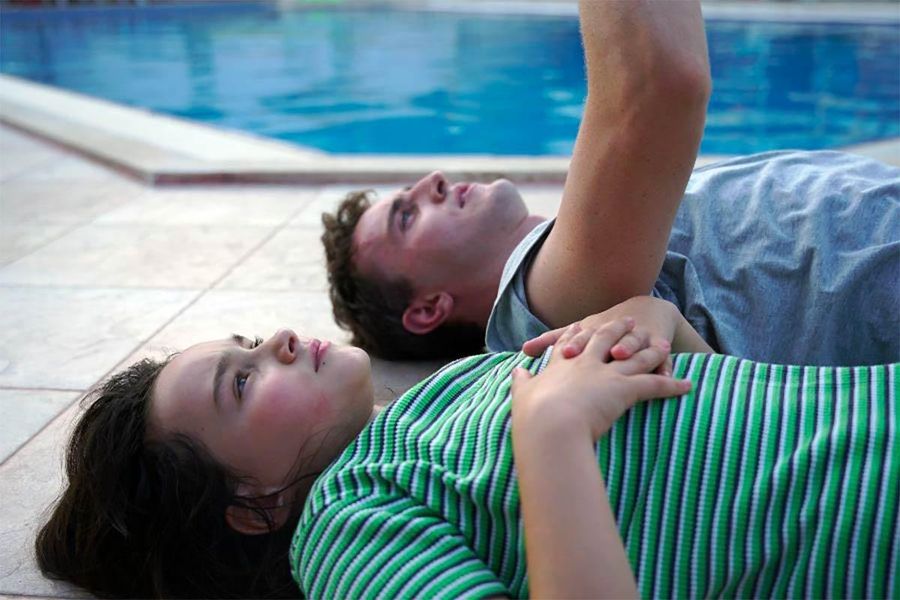
The flawed inheritance of love: three views of fathers and daughters in contemporary cinema
Charlotte Wells’s “Aftersun”, Joachim Trier’s “Sentimental Value” and Rodrigo Sorogoyen’s “El ser querido” look at three different stages and three distinct emotional forms of the father-daughter relationship. In one, a daughter returns to the past to try to understand her father; in another, two sisters carry the weight of the past into their present relationships; in the third, a father and daughter meet again after many years and reopen old grievances.
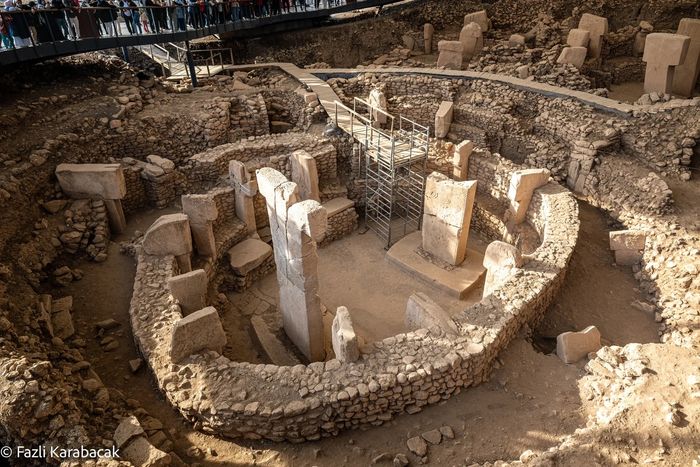
From the Riace Bronzes to Türkiye: a museum ecosystem. Where does a museum end?

From Romain Gavras’s ‘Athena’ to ‘La Commune’: the anger is there, so why no revolution?
What we watched at Filmekimi
Death, grief, moral dilemmas and stories drawn from real lives stood out in this year’s Filmekimi selection, which has wrapped up in Istanbul and Ankara and continues in İzmir and Mersin this weekend.
Your guide to designing a good life.
Aposto Magazine, three mornings a week in your inbox.