Food and Drink
5 STORIES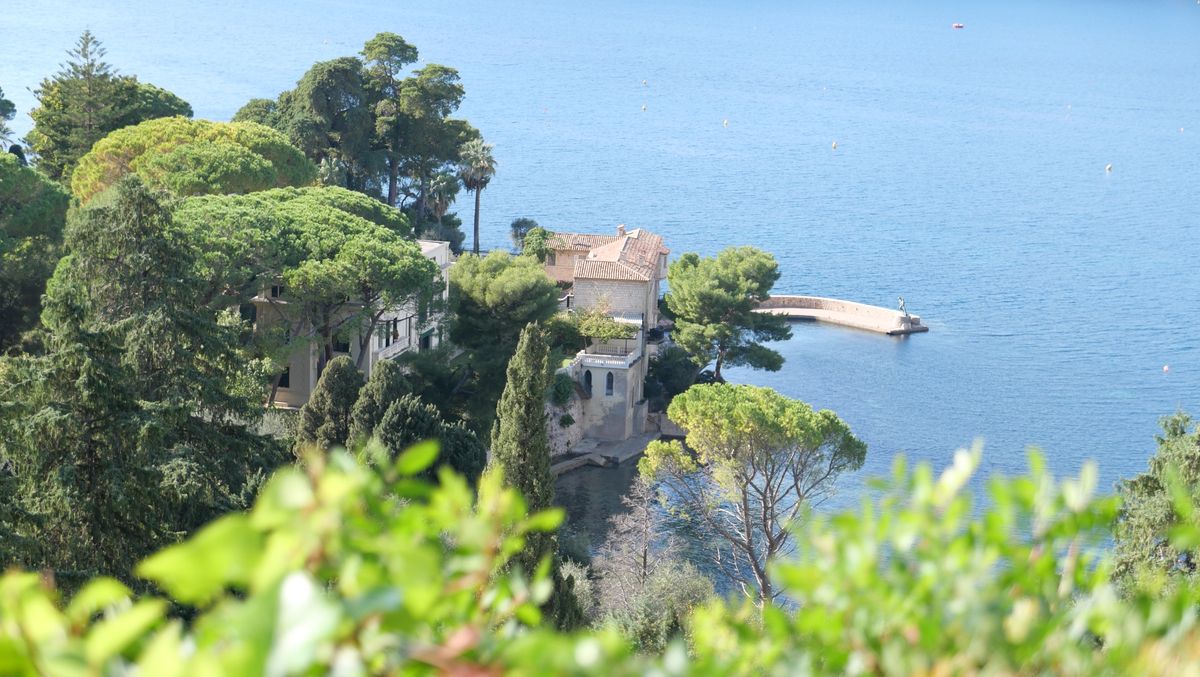
After the lavender: a guide to southern France in autumn
An October route from the bistros of Nice to the art galleries of Saint-Paul-de-Vence, and from the stone villages of the Luberon to the market in Arles. As the summer crowds recede and the fields are harvested, lavender turns up in cocktails, in gin and on market stalls. Along the way there is room for wine tastings, lingering in gardens and a sweet stop in Aix-en-Provence before heading home.

A room for the artist, but what’s in it for the host?
On taste: what the nose knows and the tongue does not
Why does an apple not taste like an apple when you have a cold, and can a white wine dyed red be perceived as a red? Flavour is not the tongue’s job alone. Shaped where smell, sight and the sensations in our mouth meet, this experience affects many things, from how we recognise a food to whether we come to love it.
The ortolan ritual: why did diners hide their faces?
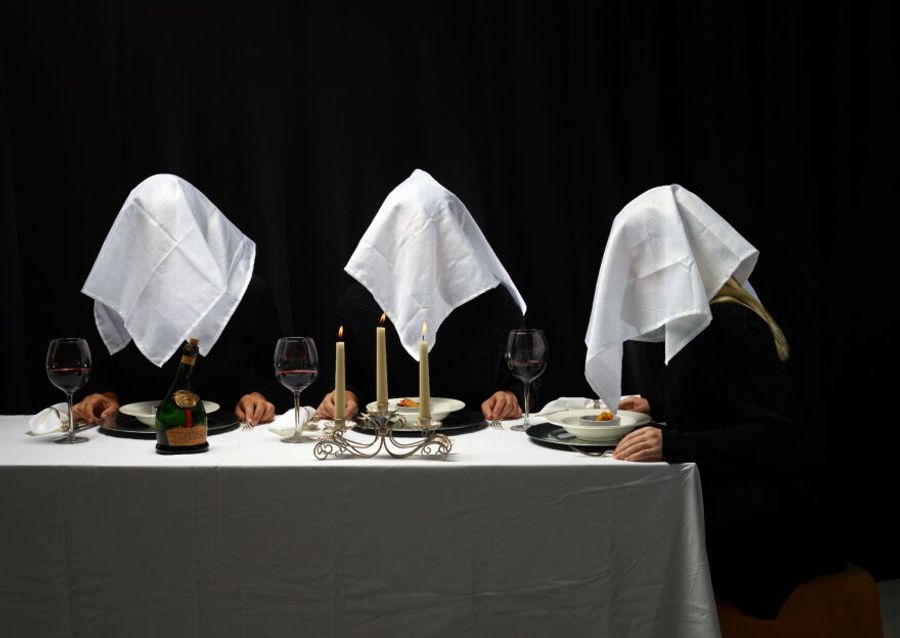
Eaten bones, organs and all, the ortolan is one of the most controversial dishes in French gastronomy. Its story, which stretches from Dumas’s culinary dictionary to “Succession”, raises the question of the suffering inflicted on animals for a single mouthful of pleasure, while the napkin traditionally draped over the head when eating ortolans prompts another question: why do we hide when we eat?
In Istanbul, the fish told the season
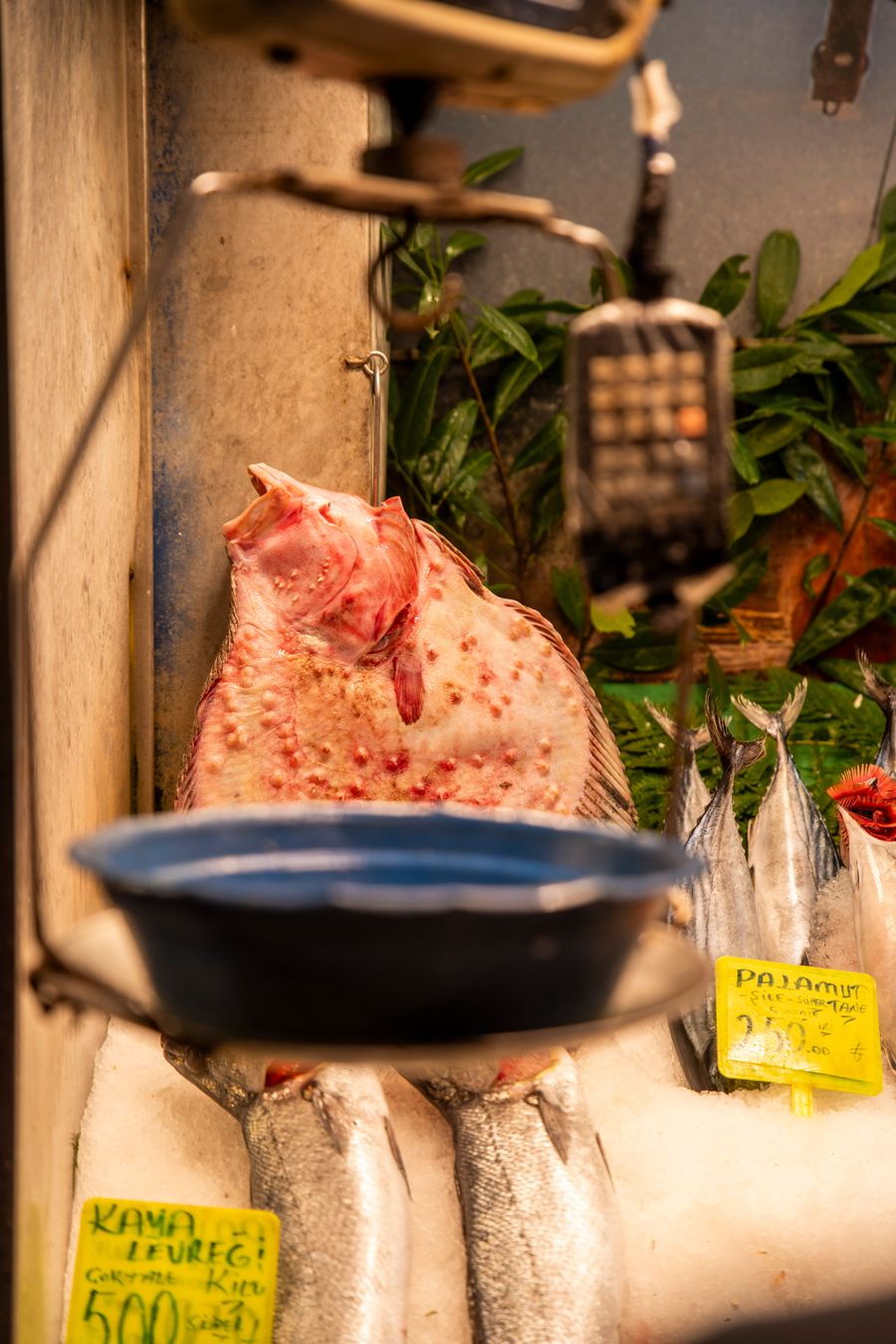
Istanbul once kept its calendar by the sea. The arrival of bonito, bluefish and mackerel decided not only what would be cooked in the kitchen but also when the boats would be launched, how the fish stalls looked and the daily rhythm of the city. Some things never change. When October comes, eyes in Istanbul still turn back to the sea.
Your guide to designing a good life.
Aposto Magazine, three mornings a week in your inbox.