A Republic dinner at Pandeli
The Republic transformed not only Istanbul’s political and social life but also its culture, its everyday habits and its dining traditions. On 29 October, at a special gathering we hosted at Pandeli in collaboration with Well Reserved, we brought five generations together at one table to talk about the Republic’s traces in Istanbul. The story of Pandeli, which began in 1901 as a small köfte shop, is one of the key stops in this shared memory.
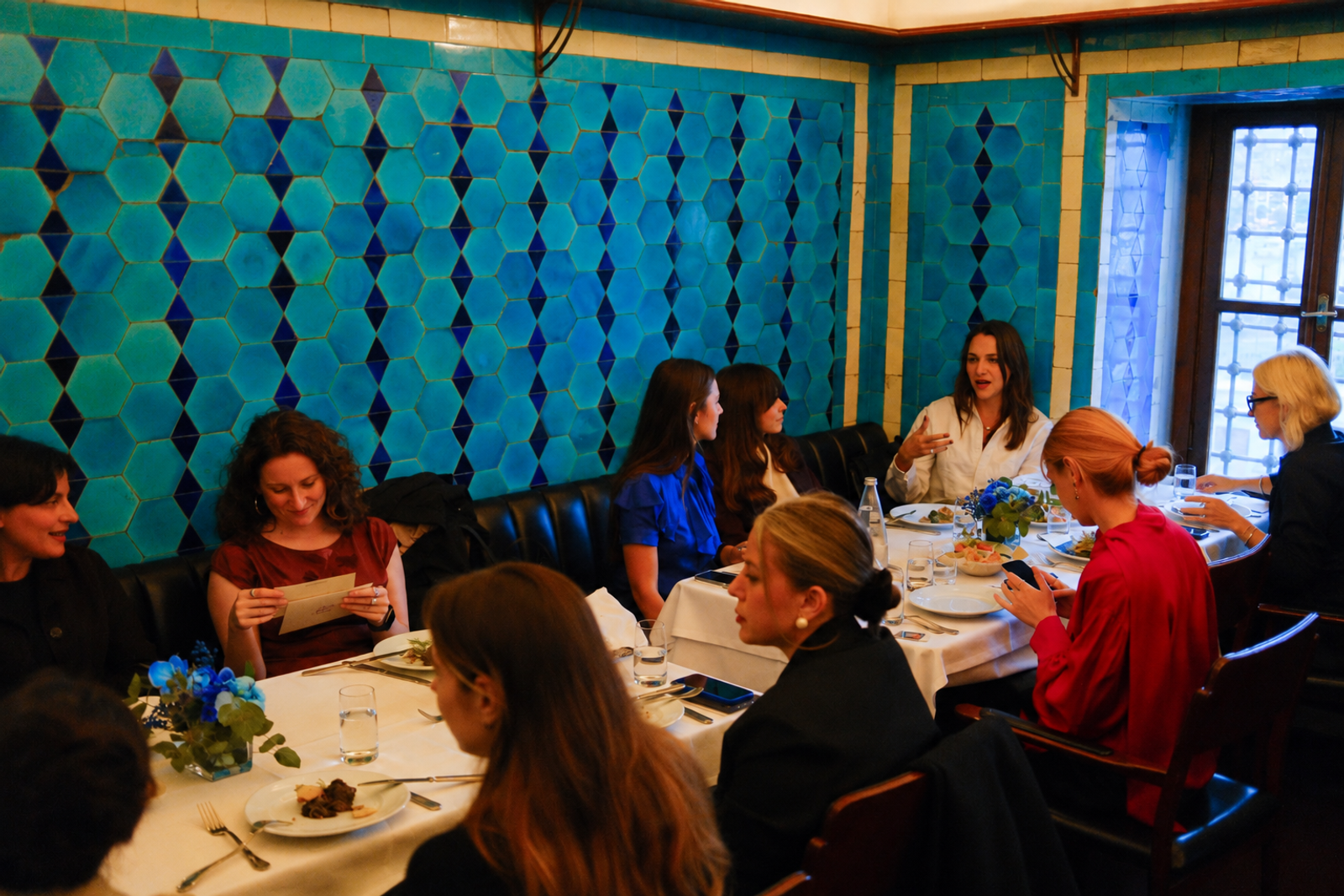
With the proclamation of the Republic, Istanbul witnessed the cultural and social transformation of a new era. As the city’s daily life, its eating and drinking habits, its artistic and literary circles, its public spaces and its meeting places changed over time, some places went on bearing witness to that transformation. With a story spanning more than a century, Pandeli carved out a place of its own in Istanbul’s gastronomic and cultural memory.
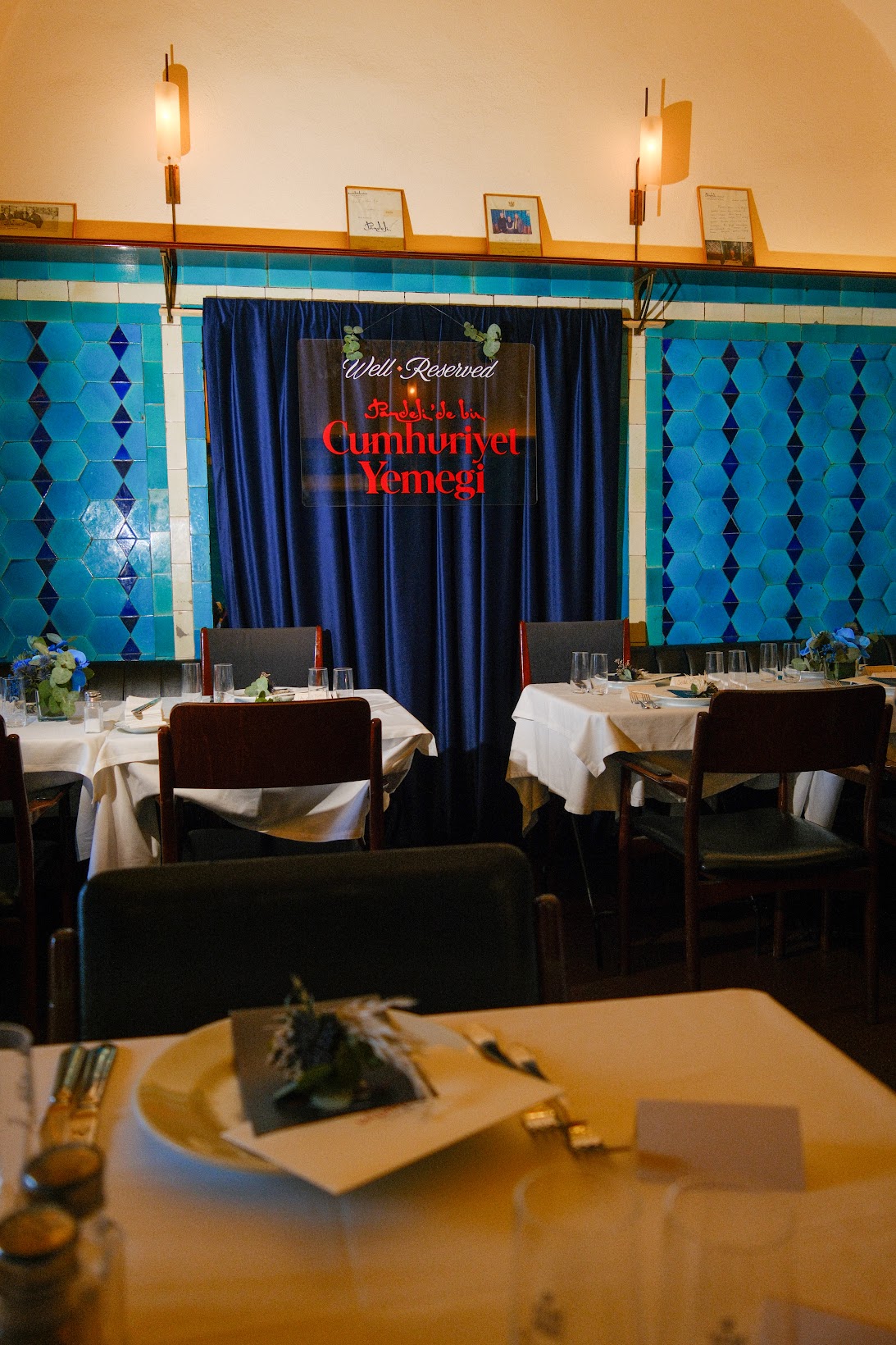
On 29 October, at A Republic Dinner at Pandeli, a gathering hosted by Aposto in collaboration with Well Reserved, we celebrated Republic Day around one table with guests from five different generations. Meeting at Pandeli, one of Istanbul’s historic restaurants, gave us a chance to think again about the city’s past, its changing way of life and the shared values passed down between generations.
From a street cart to one of Istanbul’s best-known restaurants
Pandeli Çobanoğlu was born in Niğde in 1887. When he came to Istanbul as a young man, there was no ready-made business or culinary tradition waiting for him. Çobanoğlu worked at various jobs, and his relationship with food took shape when he started working at a restaurant in Bahçekapı.
In his early years Pandeli sold piyaz (white bean salad) and köfte from his street cart to the tradesmen around Eminönü, and over time he built up his own clientele. The small köfte shop he opened in Çukur Han in 1901 was the first important stop on this journey. He then worked from various addresses, including Fıçıcılar Han and Arabacılar Caddesi. Though his premises changed, the reputation of his food had begun to spread beyond Eminönü’s world of commerce.
Among Pandeli’s customers was a young officer named Mustafa Kemal (later Atatürk). Their acquaintance, which began in the 1910s, grew into a friendship over the years. The understanding Pandeli showed Mustafa Kemal, who sometimes put off paying his bill during his military years, continued into his presidency. According to Pandeli’s son Hristo Çobanoğlu, when Atatürk visited the restaurant years later he asked for the bill. Pandeli answered him with the same words as ever:
“You’ll pay at the start of the month, my bey.”
The year 1926 marked the start of a new chapter in Pandeli’s story. After returning to Istanbul, Çobanoğlu reopened his restaurant in a three-storey building at Yağcılar İskelesi in Eminönü, and over time he became one of the best-known names in Istanbul’s gastronomic life.
The Republic in Pandeli’s memory
Pandeli’s history also intersects with the new way of life that the Republic shaped in Istanbul. From the Republic’s earliest years, the restaurant hosted the leading figures of the day, Atatürk above all. Mustafa Kemal Atatürk was one of the regulars who stopped by Pandeli on his visits to Istanbul. It is also said that he ordered food from the restaurant for guests he was hosting in Ankara, and that the dishes were sent by train.
One of the major ruptures in Pandeli’s story came with the events of 6 and 7 September 1955. During the attacks on Istanbul’s Rum (Greek Orthodox) community, Pandeli Çobanoğlu’s restaurant was looted and he was forced to close his business. After new premises were allocated with the support of the then President Celal Bayar and Prime Minister Adnan Menderes, the restaurant reopened at the address it is known by today.
Alongside Celal Bayar, Pandeli hosted figures from the political and cultural life of the Republican era such as Ahmet Hamdi Tanpınar and Yahya Kemal, and its international guests also secured it a place in Istanbul’s memory. Queen Elizabeth II and Audrey Hepburn were among the restaurant’s guests.
After Pandeli Çobanoğlu’s death in 1967 the restaurant was kept alive by his family, and after periods of closing and reopening in the years that followed, it opened its doors again in 2018. With a story spanning more than a century, Pandeli remains one of the Istanbul places that have witnessed the Republic’s different eras.
On the trail of a dining tradition
One of the reasons Pandeli still draws attention today is that it keeps alive the flavours of Istanbul cuisine from different periods. The restaurant’s menu carries the traces of traditional Turkish and Istanbul cooking. Dishes such as hünkar beğendi (lamb stew on smoked aubergine purée), simitli şiş köfte, zeytinyağlılar (vegetables cooked in olive oil), dönerli patlıcanlı börek and vişneli tirit are among the key parts of Pandeli’s culinary memory.
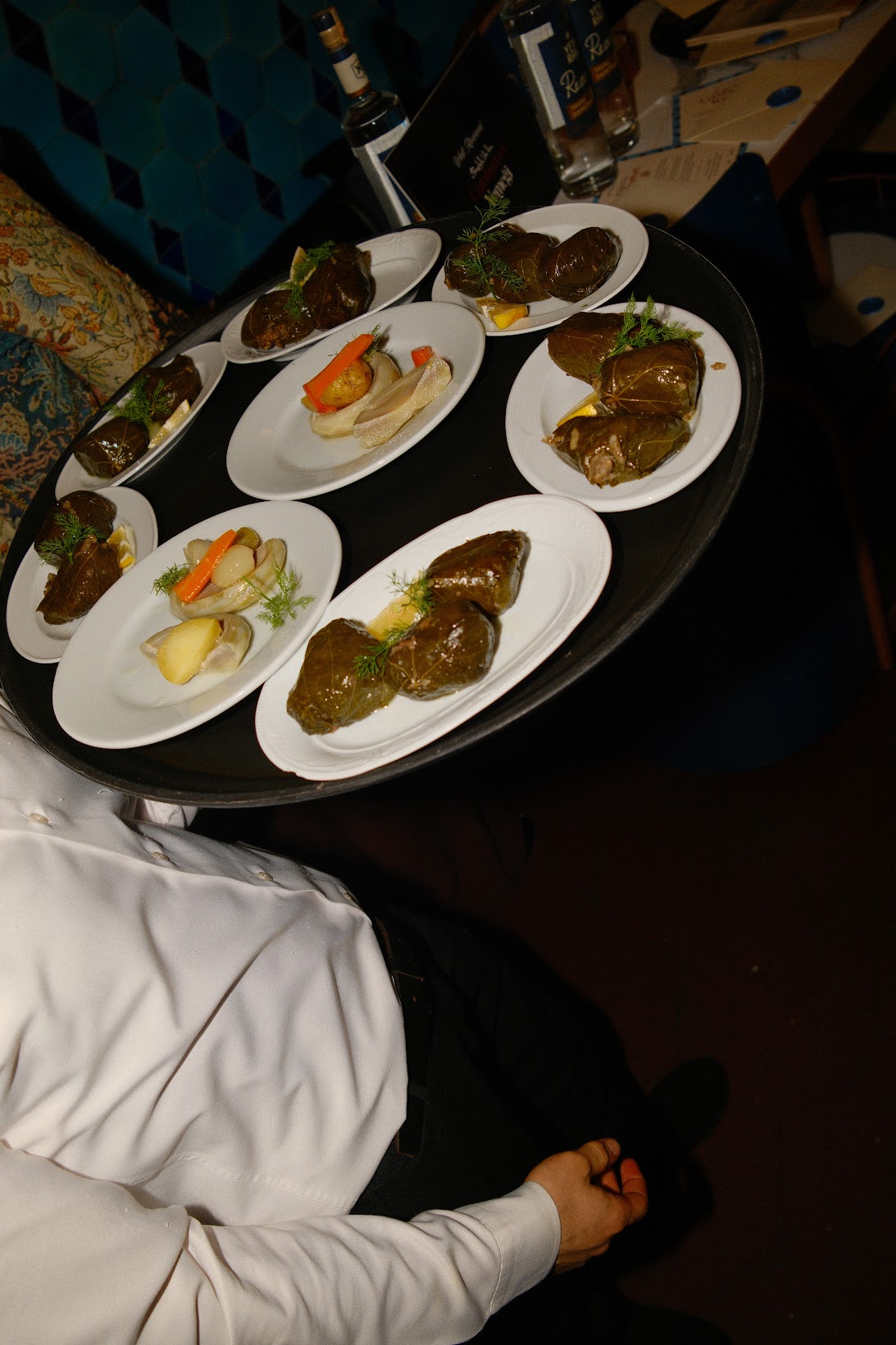
Hünkar Beğendi in particular stands out as one of the signature dishes of the restaurant’s culinary tradition. The approach to cooking here is not only about preserving the recipes of the past; it is also about carrying into the present Istanbul’s dining tradition, nourished by many cultures.
Sitting in Pandeli’s historic dining room, then, means more than eating at a restaurant. In its walls, its kitchen and the guests it has welcomed over the years, you can see Istanbul’s changing face, its old habits and the shared stories of different generations.
Five generations at the same Republic table
At the gathering, which we built around Pandeli’s story of more than a century, we explored together the cultural, social and gastronomic traces of the Republic in Istanbul. In a history and culture talk presented with Fest Travel, we set off on a journey from the city’s historic places to its daily life, from its artistic and literary circles to its dining culture. On this journey from past to present, guided by Ayça Budak’s storytelling, we focused on Istanbul in its different eras and on the marks the Republic has left on the city.
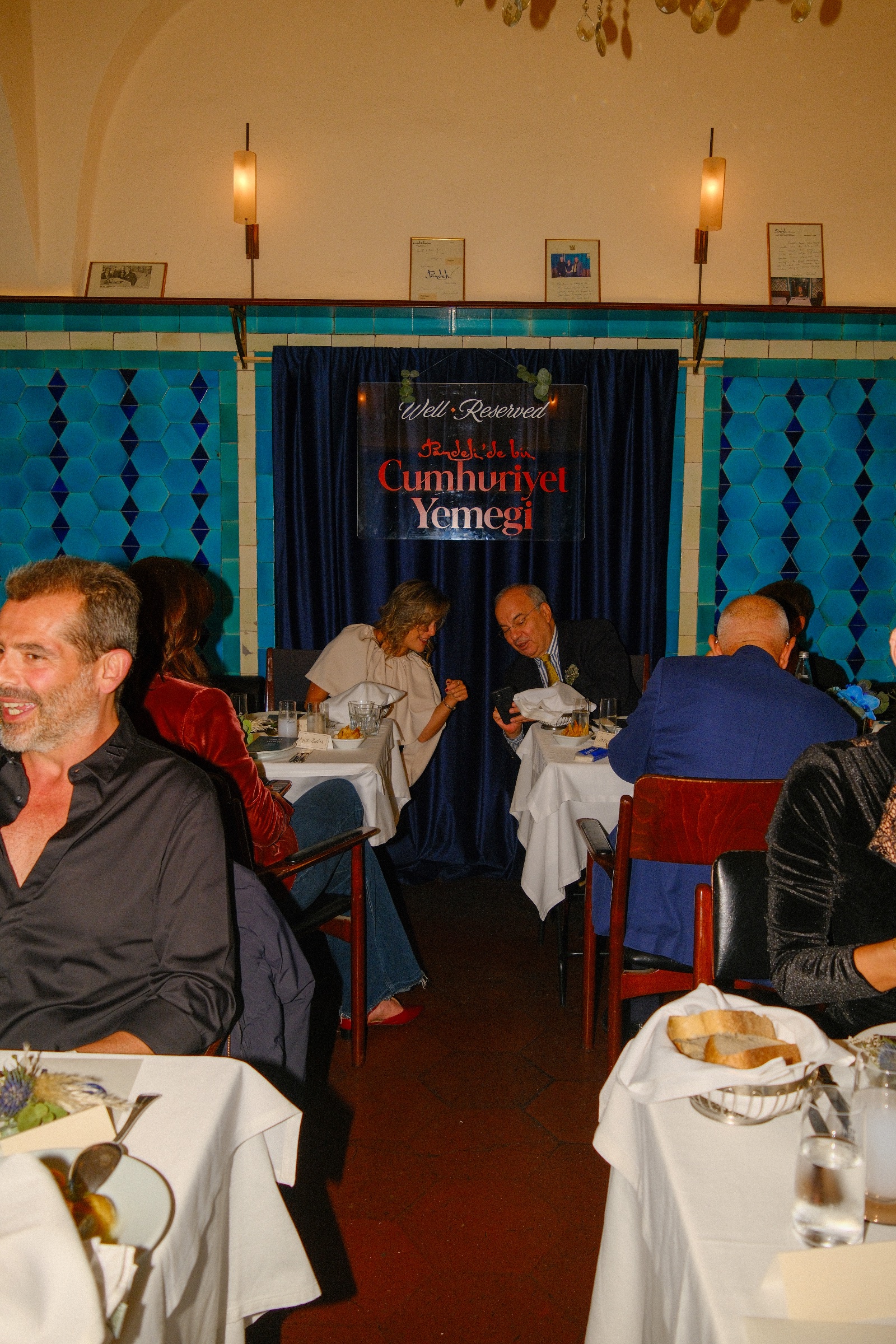
At the dinner, attended by guests from five different generations, each generation had its own memories of 29 October and the Republic. Personal stories, Istanbul’s changing way of life and the cultural inheritance passed between generations were at the heart of the gathering.
At a table set with dishes chosen from traditional Istanbul cuisine, postcards designed especially for each guest by Efnan Sarıametoğulları, founder of Mini Paperworks, were added to the day’s keepsakes.
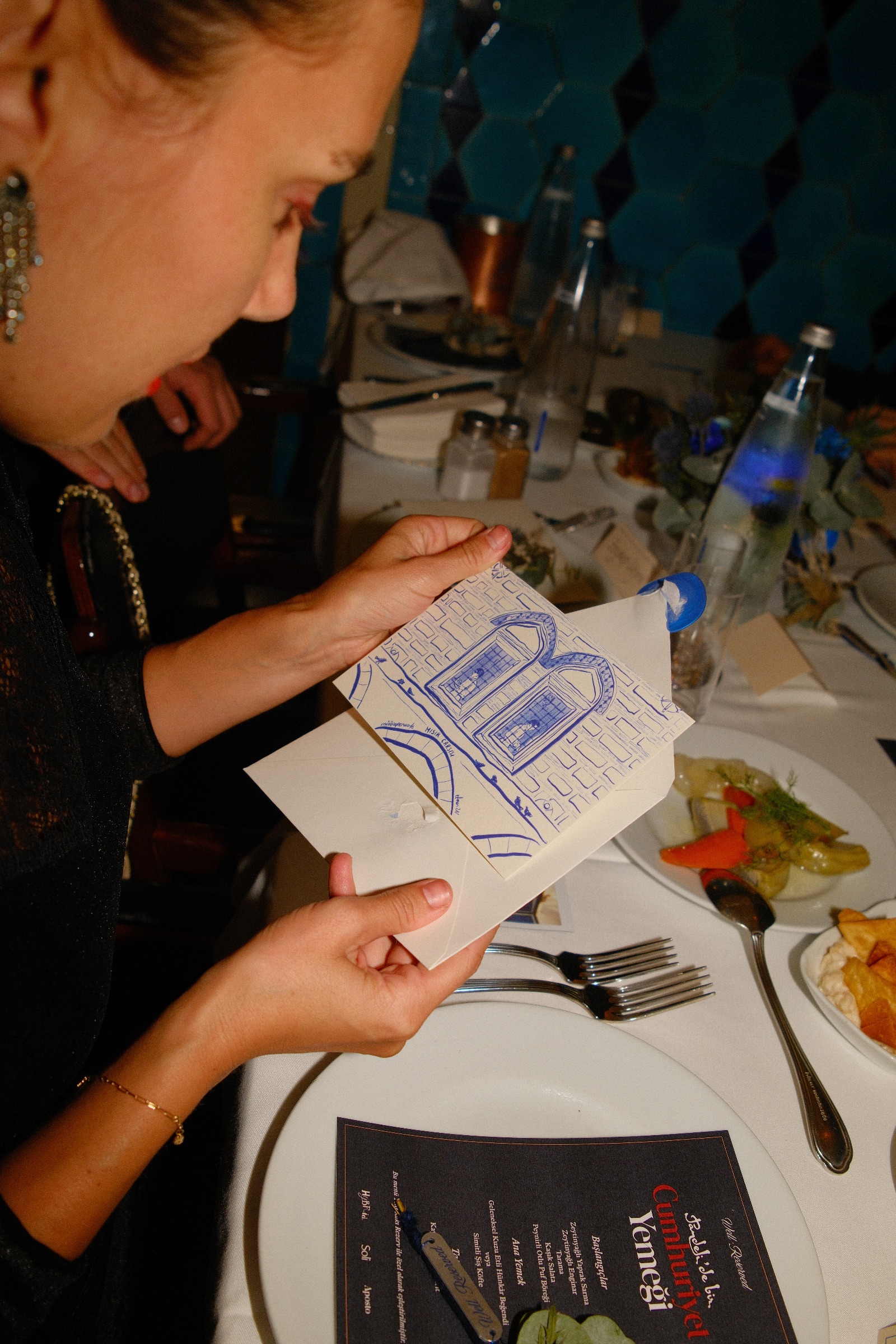
The story of Pandeli, which began in 1901 with a small köfte shop, lives on today in Istanbul’s gastronomic memory. And on 29 October, the five generations who met around the same table added a new page of their own memories to this long story.
Because the memory of the Republic lives on not only in the great turning points of history, but also in a culture of living together, in shared stories and in tables handed down from generation to generation.
A Republic Dinner at Pandeli brought Istanbul’s past and present together at the same table.
Happy Republic Day, 29 October.
*This article was prepared in collaboration with Well Reserved.