Notes from the Taipei Golden Horse Film Festival: what is happening in contemporary Asian cinema?
We were at the Taipei Golden Horse Film Festival, also home to the Golden Horse Awards, which have become one of the most prestigious prizes in Chinese-language cinema. From Asian cinema past and present to discoveries from world cinema, these films from the programme deserve a place on your watchlist.
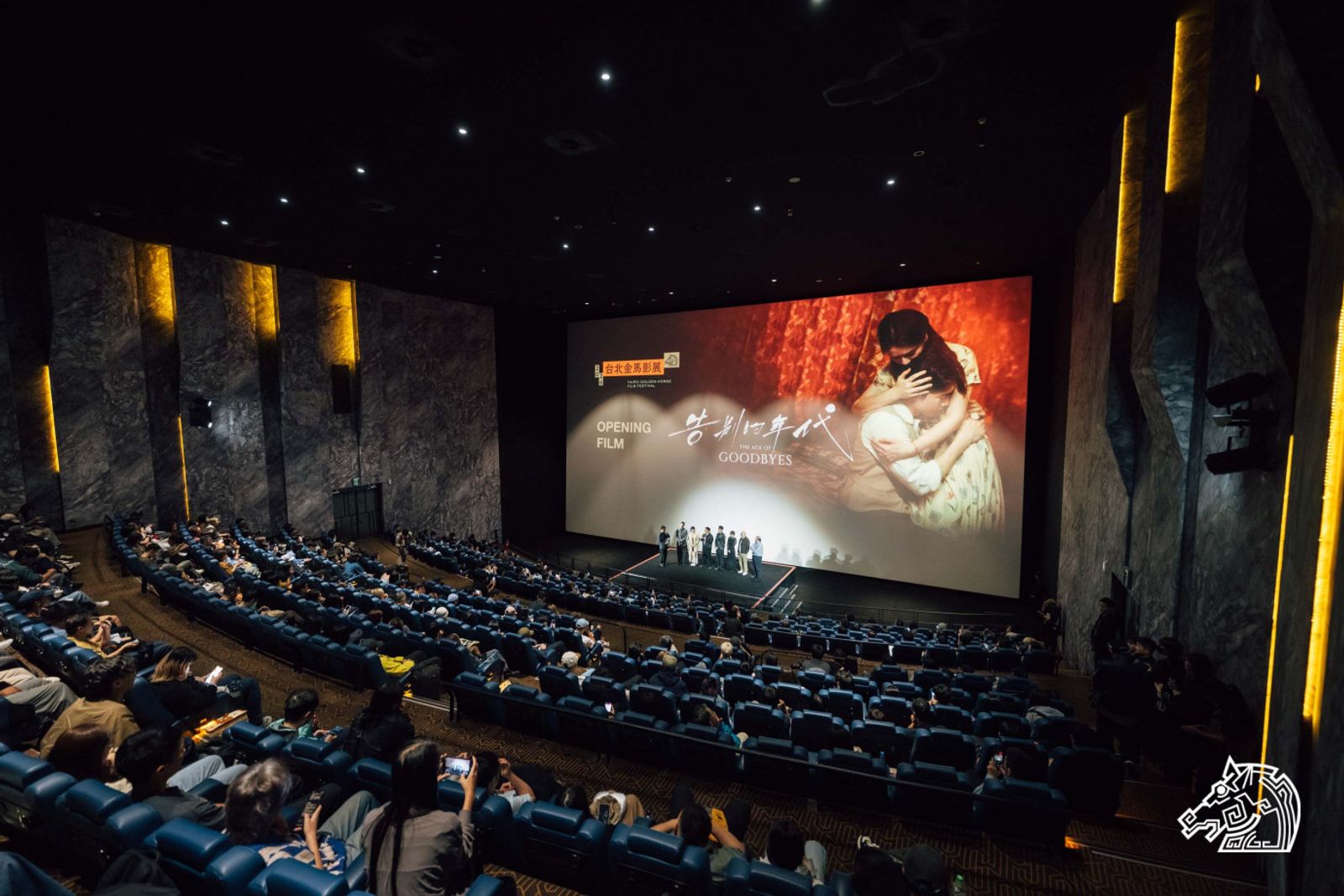
After visiting the Tokyo and Singapore film festivals in previous years, this time I was in Taiwan for the Taipei Golden Horse Film Festival, one of the region’s longest-standing cinema gatherings. Before I set off, what I knew about Taiwan amounted to the ongoing political tension with the People’s Republic of China, its reputation as one of the most open societies in East and Southeast Asia when it comes to rights and freedoms, and the views of Taipei I had seen in the films of Edward Yang and Tsai Ming-liang. Over that week I learned more about Taipei, Taiwan and Taiwanese cinema, and I also explored its streets, its culture and its food. Climbing the steps of the giant memorial in the middle of the city, I looked up who Chiang Kai-shek was and why he is a controversial figure. I was drenched in sweat climbing Elephant Mountain to watch the sun set behind a skyline that includes Taipei 101. And at the end of every day spent walking for hours, I rewarded myself with all kinds of dumplings and bao served in bamboo baskets, followed by pineapple cakes, mango cocktails and desserts made with finely shaved milk ice.
The festival opened on 6 November and ran for almost three weeks, but I was in Taipei only for the first half. Because the screenings of films nominated for the Golden Horse Awards were concentrated in the final week, which ends with the awards ceremony on Sunday 22 November, I unfortunately did not get the chance to see many of the nominees. First presented in 1962 to support domestic film production in Taiwan, the Golden Horse has over time become one of the most prestigious prizes in Chinese-language cinema. The competition, which has in the past honoured directors such as Hou Hsiao-hsien, Wong Kar-wai, Ann Hui, Ang Lee and Tsai Ming-liang, today brings together films from Taiwan, Hong Kong and mainland China as well as Singapore and Malaysia. This year the list is led, with 11 nominations, by Arrested Memory, a Taiwanese-Japanese co-production in which a detective who is beginning to lose his memory tries to solve a kidnapping case. It is followed by Girl, about a young girl confronting her mother’s past in 1988 Taiwan, with 10 nominations, and by Double Happiness, which follows a groom forced to hold two weddings on the same day because of his divorced parents, and We Are Born Good, in which a mishap at a restaurant turns into a cycle of revenge between two strangers, with 9 nominations each.
Reading the synopses of the nominated films in the festival catalogue, I was struck by how often children are left to face the consequences of adults’ decisions on their own. In the Singaporean film Ah Girl, a seven-year-old is asked by her mother to decide whom she will live with after her parents separate. In Will You Still Be My Friend, a clash between adults over a solar energy project in a fishing village in southern Taiwan endangers the friendship of two boys, just as one of them is beginning to question his feelings for the other. In The Age of Goodbyes, a boy carrying out his mother’s last wish follows the pages of a novel he finds back to 1969 Malaysia and to his own family’s secrets. Sunshine Women’s Choir approaches the same question through the story of four prisoners who gather around a baby. Here, the kind of family the child will have is shaped by how the women in the same prison look out for one another and for the baby.
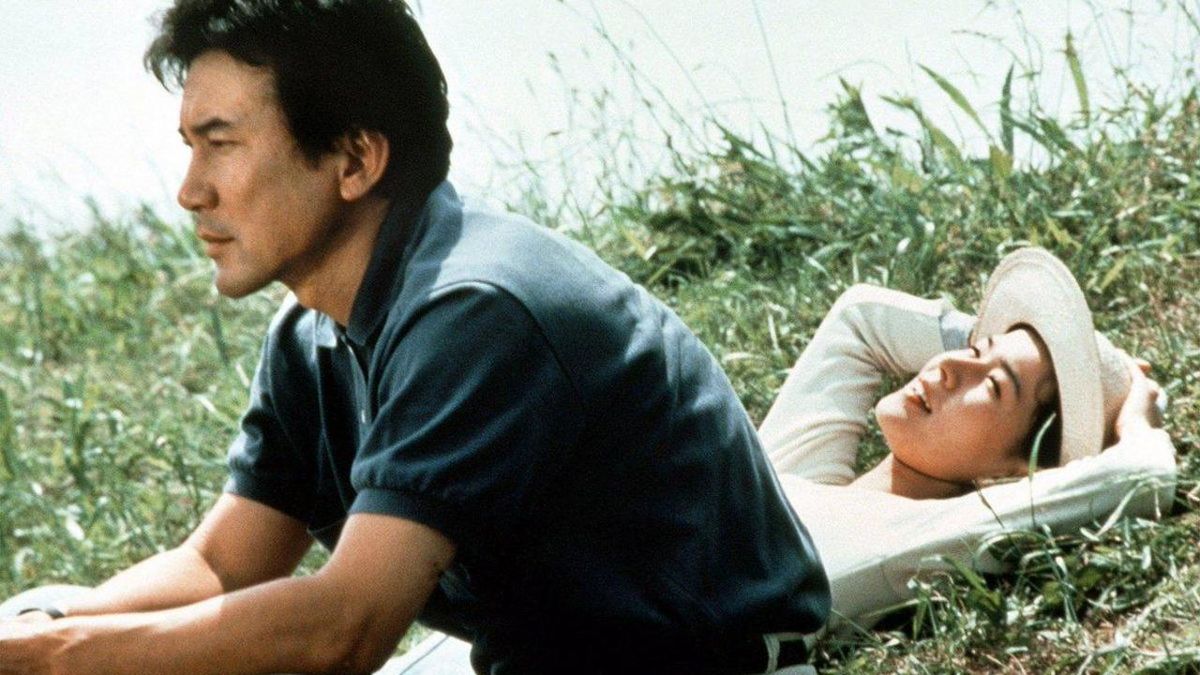
Among the festival’s sections devoted to Asian cinema, Windows on Asia looked, through a selection stretching from Nepal to the Philippines, at how class differences and belonging shape everyday relationships, while Rising Japan brought together different generations of Japanese cinema around family ties and the traces the past leaves on daily life. For me, two of the programme’s finest discoveries came from the selection dedicated to Yu Kan-ping, this year’s recipient of the Golden Horse Lifetime Achievement Award, and from the retrospective A Tribute to Imamura Shohei. I had never seen a film by either director before. In Yu’s 1986 The Outsiders, the bonds a young man thrown out of home by his father forms with other queer youths in Taipei show why chosen families are vital, and the film also let me read the past of a city I know today for its liberal identity through different eyes. Imamura’s The Eel, which shared the Palme d’Or in 1997, explored themes I often encounter in Asian cinema, such as revenge, atonement and reintegration into society, through a man who opens a barber’s shop after leaving prison and learns to connect with people again. In the aftermath of the violence that changed the man’s life, Imamura’s camera focused on the emotions that give him away even in his most ordinary encounters. Watching Kōji Yakusho give one of the most impressive performances of his career was captivating in itself.
Recent recommendations from Asian cinema
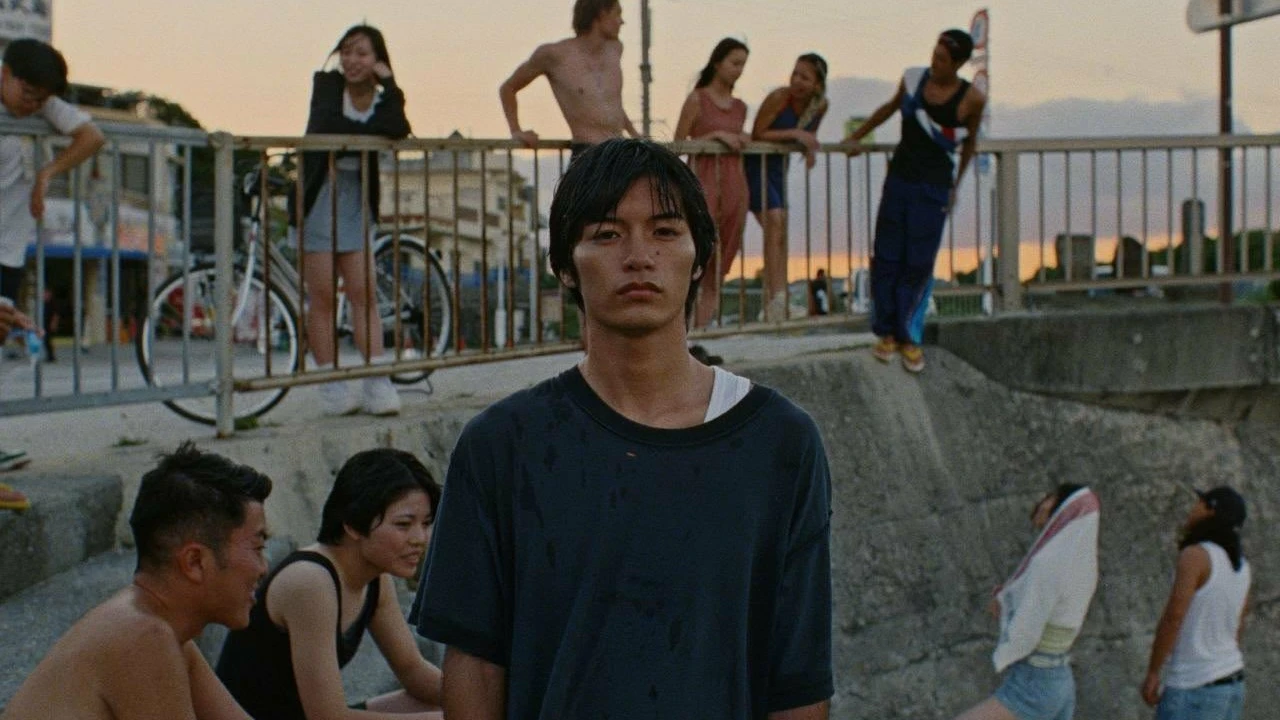
My favourite of everything I saw in Taipei was Xavier Tera’s The Color of the Sun. In Okinawa, the life of Kamei, who is spending the summer before his final year of secondary school with his friends, changes when Colin, who grew up on the American base, joins them. The film vividly conveys the particular chaos of those years, full of the growing pains of an age when your limbs, your feelings and your sexual urges simply will not obey you, and you often hurt yourself or others. The film’s camera angles and framing carry the same unruly energy. I was deeply moved by the way it sets Okinawa’s historical in-betweenness alongside Kamei’s being caught between childhood and adulthood, and the boy’s own grief alongside the island’s grief, which has never abated from the past to the present. I loved that the colour-blind Kamei sees the sun as blue, and that the film takes its title from this. Although I felt it dwelt a little too long on explaining the link between the sun and colours through Japanese characters, and on the symbolism, it made me smile that in a cinema year when Everytime, another powerful film about grief, showed the sun as a square, this one questioned the sun’s colour too.
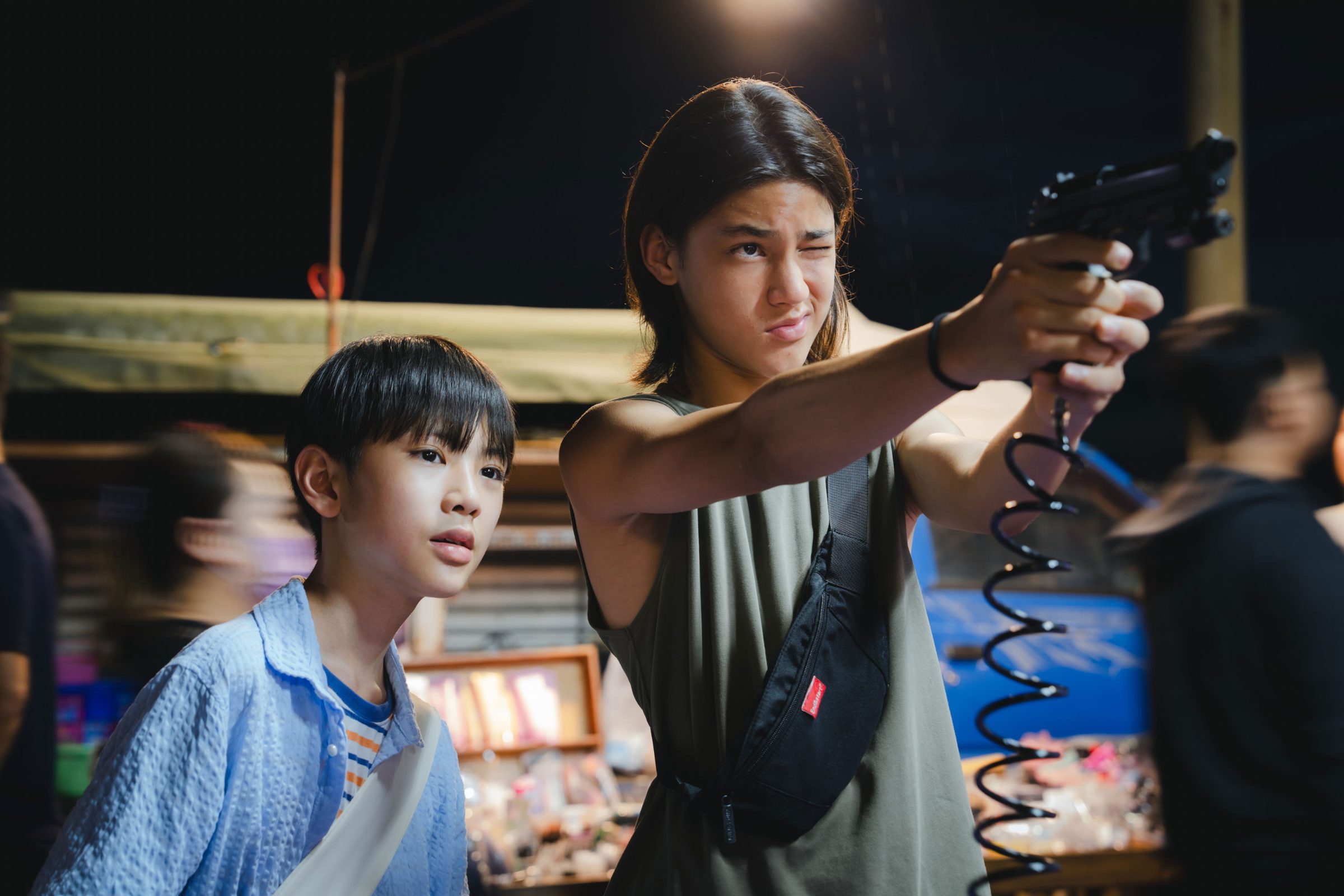
In Lu Po-shun’s Will You Still Be My Friend, the children of families set against each other by a solar energy project in a fishing village in southern Taiwan try to protect their friendship while also trying to understand their feelings for each other. Since As Bestas, in which a wind farm in Galicia pits villagers against a couple who have moved there, we have often come across stories, in cinemas from Europe to Latin America, in which energy projects reopen the question of who has a say in the countryside. Lu makes this tension the backdrop of a coming-of-age story that sits somewhere between Lukas Dhont’s Close and Hirokazu Koreeda’s Monster. The adults’ fight over land becomes a test of the love the two boys feel for each other as well.
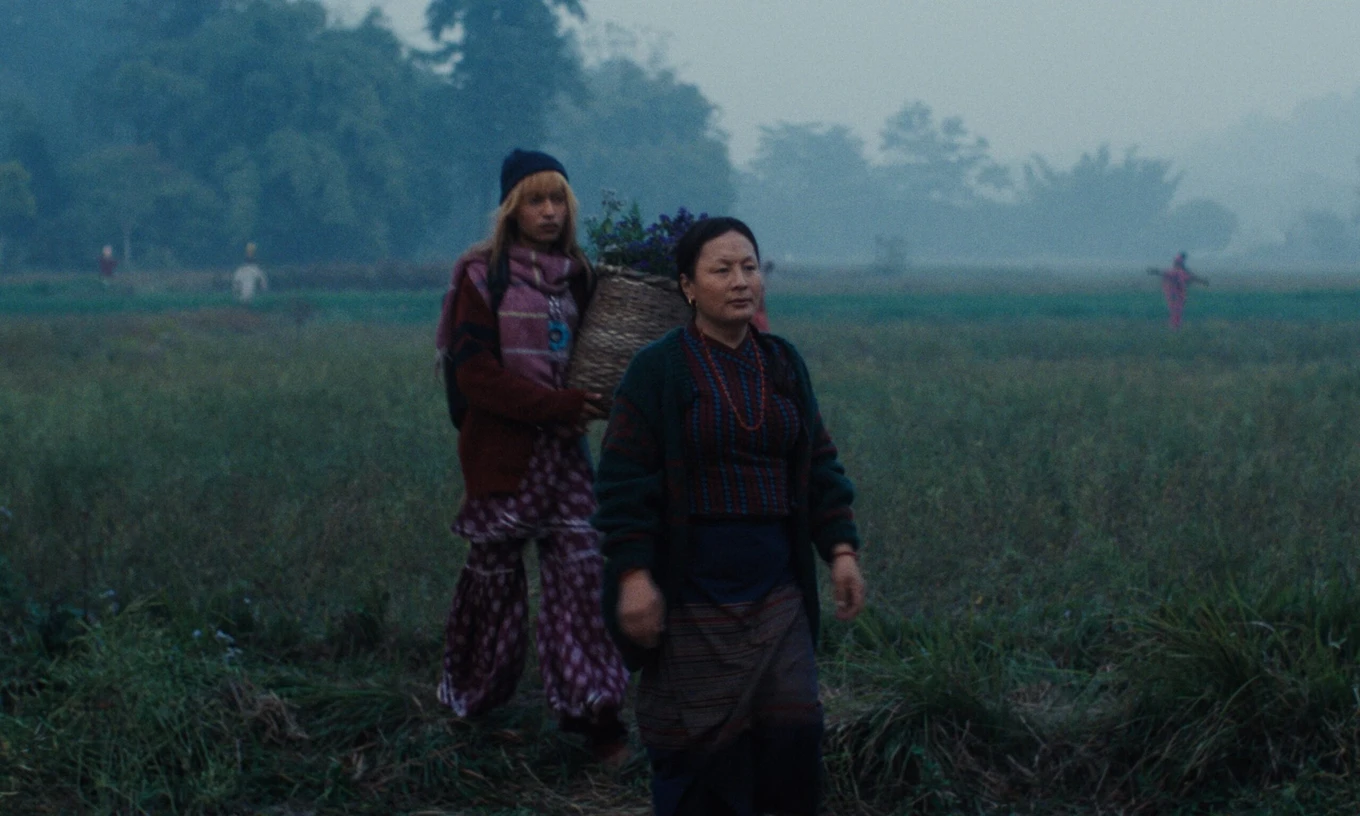
In Abinash Bikram Shah’s Elephants in the Fog, Pirati, head of a Kinnar community living in a village in Nepal, dreams of building a new life with the man she loves, but sets out to search for one of her daughters when the girl goes missing. The performances of the trans women in the cast are very powerful, above all that of trans activist Pushpa Thing Lama, who plays Pirati in her first acting role. Although the story comes from within a community specific to Nepal, the idea that keeping a tradition alive counts for more than people’s lives and their right to live with dignity has a universality that could hold true anywhere in the world.
World cinema discoveries in Taipei
The festival’s programme was of course not limited to Asia; it stretched from South America to Africa, and from European to Iranian cinema. I would particularly like to mention a few of these films, most of which came from Cannes and Venice:
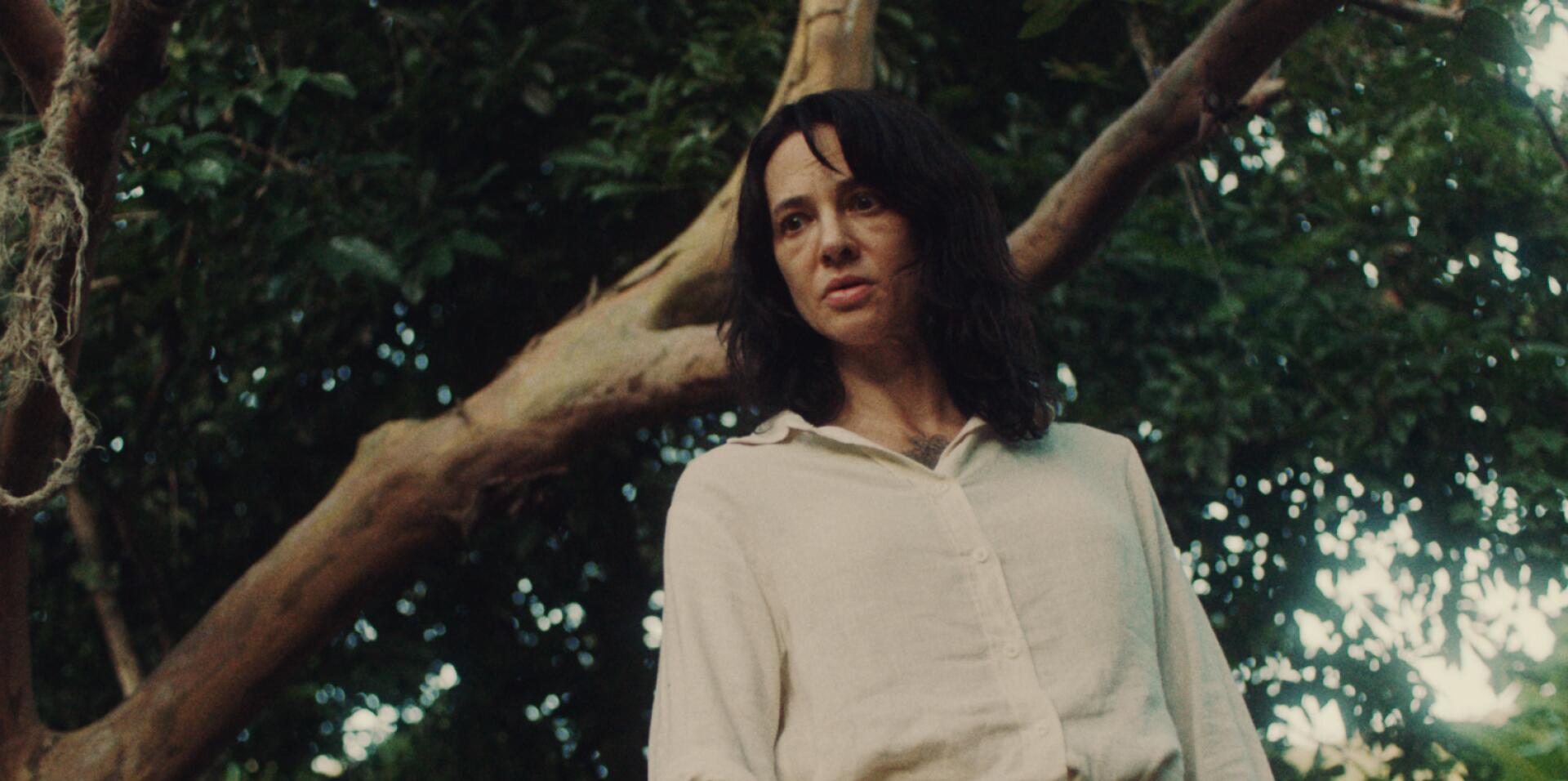
Jorge Thielen Armand, whose first film La Soledad impressed me when I saw it at the Istanbul Film Festival years ago, returns in Death Has No Master to the themes of losing one’s home and displacement. Caro, who travels to Venezuela to sell the cocoa plantation she inherited from her father, discovers that the estate’s former workers still live in the family mansion and have no intention of leaving. Where his first film looked at how economic crisis uprooted a family that had lived in the same house for generations, this time Armand also brings into the story the marks colonialism has left on the continent’s history. Its visual world and the atmosphere it creates make the film worth watching, but its story and characters are not as compelling.
In Orange-Flavoured Wedding, Christophe Honoré, one of my favourite directors, turns one of those crowded family gatherings familiar from Mediterranean cinema into a chaotic family drama. In March 1978, near Nantes, the Puig siblings come together for the wedding of their youngest brother, Jacques, in the absence of their father, who has been shut out by the family, and find themselves facing the wounds of their childhood once again. I felt that Honoré did not show some of his characters as much tenderness as others, looking closely at some while leaving others on the surface. Even so, I loved the film’s music and its energy, which never lets up for a moment, even in its most touching scenes.
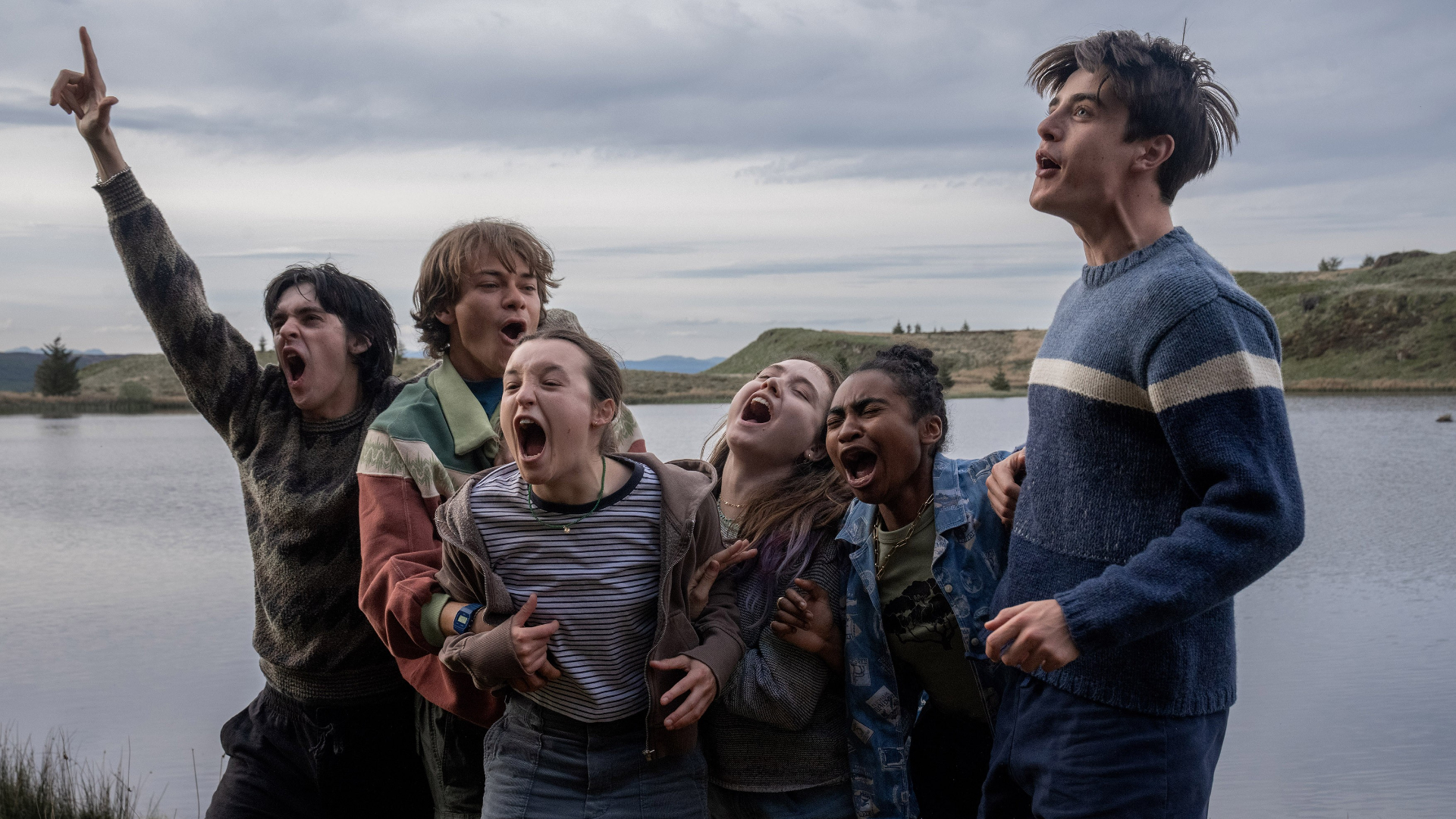
Sunny Dancer is the story of a group of teenagers who refuse to let their illnesses define who they are, and who bond at a summer camp. Most of these young people, whose lives hang by a thread, are more full of life than many healthy people I know. The film is at times very funny, at times heartbreaking, and Bella Ramsey is wonderful.
Marie-Clémentine Dusabejambo’s Ben’Imana looks at the tragedies of a society in Rwanda trying to learn to live together again after the genocide against the Tutsi. Vénéranda, a genocide survivor who works to build dialogue between the families of victims and perpetrators, comes up against the limits of her own principles when she learns that her daughter is pregnant. It is a hard film to watch, and what it has to say about how collective trauma seeps into people’s everyday lives stays with you long after it ends.
Ira Sachs’s The Man I Love follows Jimmy George, a performance artist in late 1980s New York, in the shadow of the AIDS epidemic, who keeps up his bond with art and with the people he loves despite his serious illness. What made me think most about the film was the space Jimmy, and Rami Malek who plays him, take up within it. I felt that Sachs’s filmmaking, which usually makes room for every side when portraying an era or the relationship between two or three people, was crushed here under the weight of both the character’s persona and the performance.