Film and TV
9 stories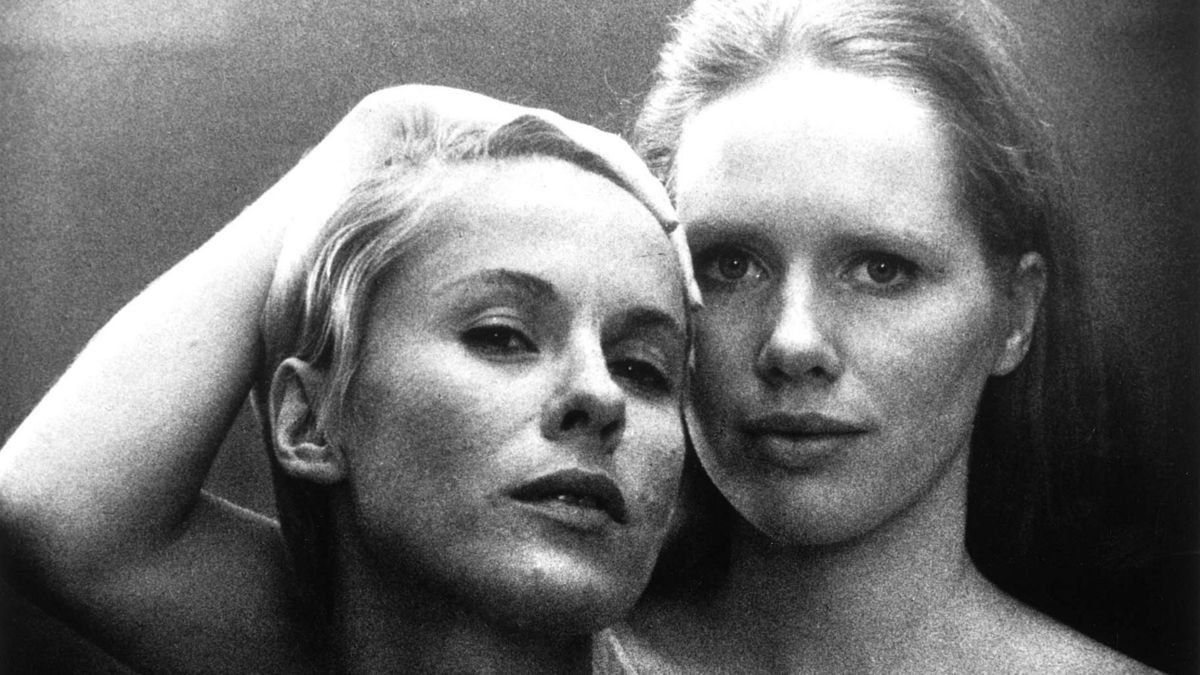
The politics of silence: three films, three women who fall silent
What does a person’s silence tell us? That they have nothing left to say, that their right to speak has been taken from them, or that they refuse the language imposed on them? From film history, three women who carry silence beyond a character trait: Cleo in Alfonso Cuarón’s “Roma”, Ada in Jane Campion’s “The Piano” and Elisabeth Vogler in Ingmar Bergman’s “Persona”.

Bitter Christmas: Mourning oneself
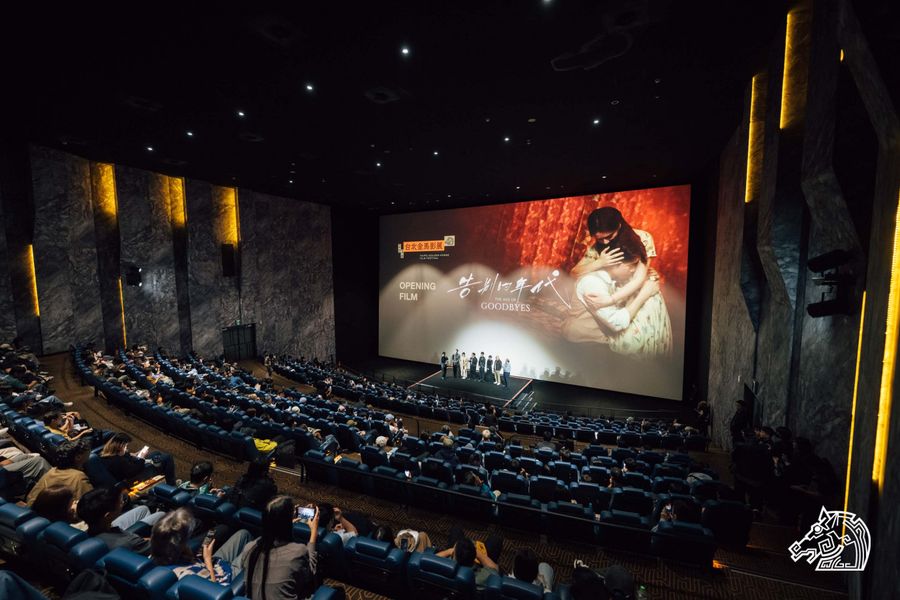
Notes from the Taipei Golden Horse Film Festival: what is happening in contemporary Asian cinema?
We were at the Taipei Golden Horse Film Festival, also home to the Golden Horse Awards, which have become one of the most prestigious prizes in Chinese-language cinema. From Asian cinema past and present to discoveries from world cinema, these films from the programme deserve a place on your watchlist.
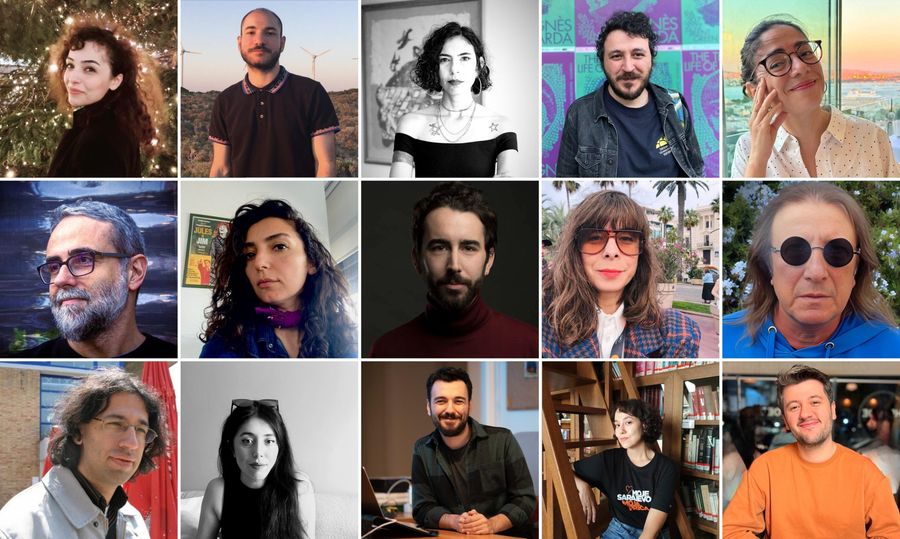
We asked film critics: which film would you erase from memory to watch for the first time again?
The Dutch cinema chain Pathé and the Amsterdam-based creative agency ACE ran an experiment called “Pathé REWIND”. The aim was to see whether hypnosis could make people feel they were watching a film they love for the first time. Taking the experiment as our cue, we asked members of the Turkish Film Critics Association (Sinema Yazarları Derneği, SİYAD) which film they would wipe from their memory to watch again for the first time.

Radu Jude: ‘My responsibility is to cinema, not to the audience’

Crisis in Türkiye’s TV series industry: are the magnificent years over?
Asghar Farhadi and beyond: how much of human creativity can AI take on?
Speaking at Brand Week Istanbul, Iranian director Asghar Farhadi argued that artificial intelligence cannot entirely replace human creativity, saying “AI has no subconscious.” So is it the presence of unconscious processes that makes us human, or the sediment of a life that is embodied, relational, laden with shame and irreversible?
Reading Lanthimos’s The Lobster through the sociology of emotions
The Lobster brings postmodernism’s questioning of how identities and social norms are constructed together with the central concern of the sociology of emotions. It shows the viewer that the film’s real tragedy lies not in people obeying oppressive rules without protest, but in their living out the emotional needs those rules dictate as if they were their own desires. David’s personal tragedy is that although he flees the hotel for the forest, he takes the hotel’s “rules of love” with him.
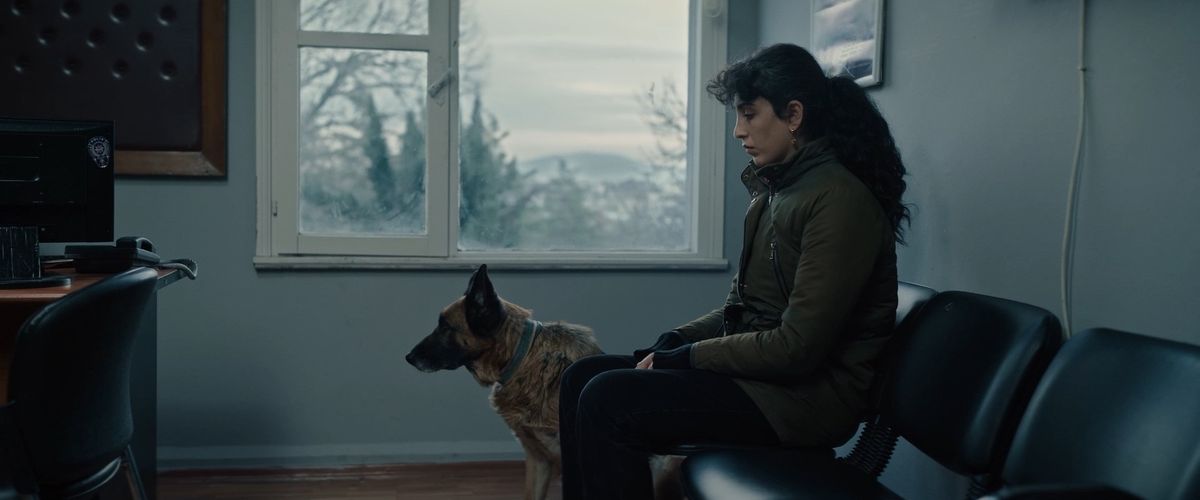
After Altın Portakal: where is Türkiye’s cinema heading?
The 63rd Antalya Altın Portakal Film Festival, held from 24 to 31 October, opened up questions about the present and future of cinema in Türkiye, and about the festival’s claim to prestige, through the debates over its competition line-up and its Film Forum.
Your guide to designing a good life.
Aposto Magazine, three mornings a week in your inbox.