We asked film critics: which film would you erase from memory to watch for the first time again?
Pathé, the Netherlands-based cinema chain, and ACE, an Amsterdam-based creative agency, ran an experiment called “Pathé REWIND”. The aim was to see whether hypnosis could make people feel they were watching a film they love for the first time. Taking the experiment as our starting point, we asked members of the Turkish Film Critics Association (SİYAD) which film they would erase from their memory to watch for the first time again.
If you had the chance to experience a film that moved you deeply all over again, as if for the first time, which one would you choose?
Pathé, the Netherlands-based cinema chain, and ACE, a creative agency in Amsterdam, took this idea as the starting point for an experiment called Pathé REWIND. The project set out to see whether hypnosis sessions could give participants the feeling of watching a film they love for the first time.
In the first three days, 1,300 people applied. After preliminary interviews, 30 film lovers were selected and attended sessions run by the hypnotherapist Victor Kraemer to test whether it was possible to temporarily forget Interstellar. Some participants said they had forgotten certain parts of the film and rediscovered some scenes as if seeing them for the first time, but, as expected, nobody felt they were watching the whole film for the first time.
Taking this experiment as our starting point, we asked members of the Turkish Film Critics Association (SİYAD) which film they would choose if they had the chance to erase it completely from their memory and watch it for the first time again.
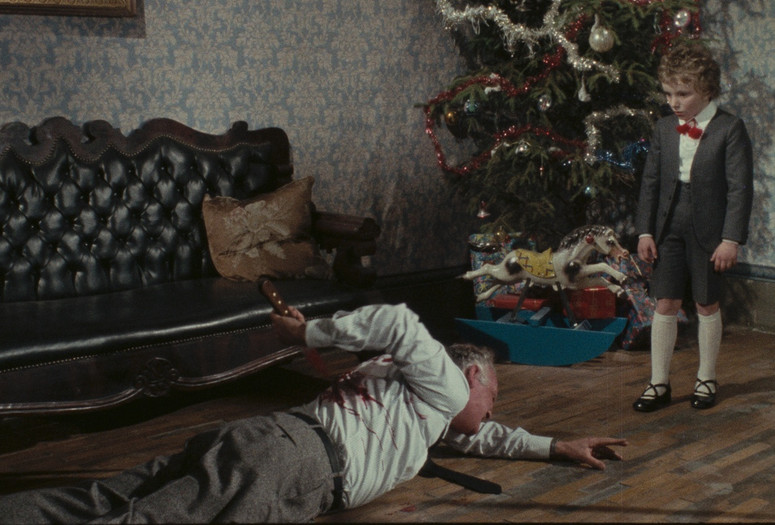
Fırat Ataç | Deep Red
“To be drawn into a twisted, violence-laden world through cinematography that makes you feel you are watching a living painting, a Goblin score that is unusual for the genre and an extraordinary use of the camera... What a pleasure! Deep Red (Profondo Rosso, 1975), which could be called a perfect summary of Argento’s films, is a true example of ‘experience cinema’.
Even the parts that don’t work create a strange but functional audiovisual atmosphere. When the film ends you are curious not only about Argento’s filmography but about the whole ‘giallo’ canon, of which his predecessors and successors gave so many examples. It is hard for me to guess how many films the chain reaction it set off in my taste has made me watch. It is like a masterfully cut trailer for the genre.”
Janet Barış | Mr. Klein
“Joseph Losey’s Mr. Klein (1976) is the film I would want to watch afresh. It would be lovely to watch it from start to finish knowing nothing about it, to see Mr. Klein’s desperate struggle to show he is not the man he is taken for, and to experience that magnificent ending, which I now know, as if I didn’t.”
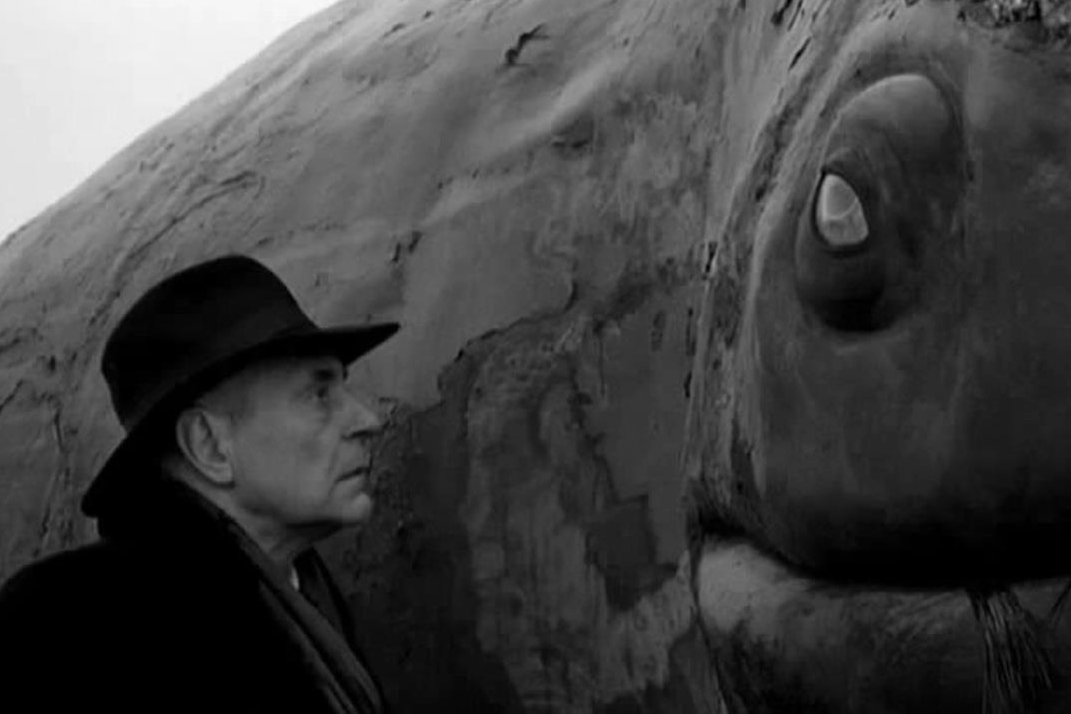
Abbas Bozkurt | Werckmeister Harmonies
“Bela Tarr’s Werckmeister Harmonies (Werckmeister harmóniák, 2000). In my head this film lives on as a black-and-white town. There is a giant whale in its square, and there is what is reflected in its eye. All the townspeople are unsettling, and yet when they link arms and dance, you feel as if you have learned something about the dance of the Sun and the Earth.
I would love to experience Werckmeister Harmonies from the very beginning at another point in my life, to have my head spin again with the inexplicability of its black-and-white images, and to make one more turn around the Earth with those images fresh.”
Tuba Büdüş | Sweet Movie
“My favourite film is Věra Chytilová’s Daisies (Sedmikrásky, 1966), but the film whose first viewing I would want to relive is Dušan Makavejev’s Sweet Movie (1974) instead. I can remember very few films with which cinema managed to surprise me, shake me and disturb me so deeply while enchanting me at the same time. In this film Makavejev brings political critique together with the grotesque, humour with horror, and freedom with the violation of bodily limits; it was a unique experience in which I could not predict what I would feel, or even what I would face in the next scene.
There were moments when I felt disgusted, when I struggled to look at the screen. But that moment in the final scene, when my heart leapt into my mouth and I was quite literally lost for words, is impossible to describe. The music, meanwhile, has been part of my life ever since. So much so that the Sweet Movie soundtrack has remained the music I listen to most on Spotify since the day I saw the film. If I watched it again today I might be just as moved, but I could not bring back that feeling of being unprepared that the first encounter created. That is exactly why I would want to erase Sweet Movie from my memory: above all, to watch that ending once more for the first time, and to hear its music for the first time.”
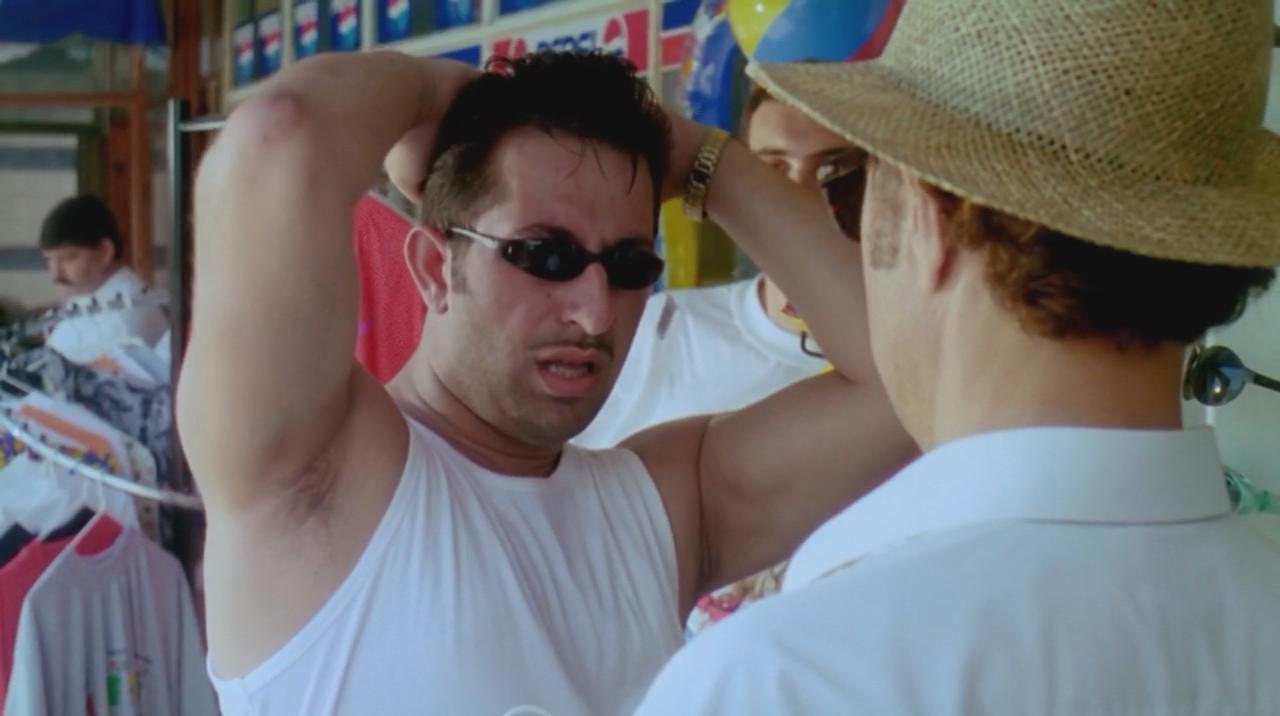
Cumhur Canbazoğlu | Her Şey Çok Güzel Olacak
“Her Şey Çok Güzel Olacak (1998) is always in our top 10. Because it is an unusual film for our cinema. For one thing, there is a very young Cem Yılmaz: he is 25. And beside him stands the towering Mazhar Alanson. It is also the beginning of the chemistry between Cem Yılmaz and Alanson that would carry through to ‘Hokkabaz’. It makes a serious claim to cult status, too. No doubt its keen grasp of the humour of its time and its strong music play a large part in that. It is also a classic example of how a tight film can be made on a small budget.
So why did we love it so much? For one thing, it is a heartfelt story: no gimmicky nonsense, no flaws in its grip on reality, no grand pronouncements. The details it gives about the neighbourhood and the family are warm, endearing and sincere. It is far from the clowning we are used to in our comedies, from a flow overrun by sketches. It is all the more enjoyable watched ‘in the warmth of the family’…”
Suzan Demir | Inside Llewyn Davis
“The film I would want to watch as if for the first time is Joel and Ethan Coen’s Inside Llewyn Davis (2013). Llewyn’s inability to get a hold on life, his stubborn refusal to give up his music and his inner contradictions are, for me, among the most special things about the film. His search for Ulysses, the cat that goes missing, also adds another layer of meaning to the character’s whole sense of being lost.
The film’s music and its circular storytelling are things I love too. Llewyn does not suddenly become a star, and his life does not change miraculously. Because life is often like that: without a change in the concrete conditions we find ourselves in, simply wanting something very badly does not get us anywhere else.”
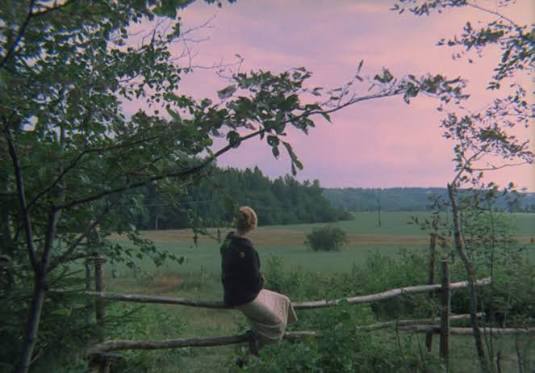
Tuba Deniz | Zerkalo
“I would choose Andrei Tarkovsky’s Zerkalo (Mirror, 1975). In this film dreams blend with thoughts, and childhood memories and the past intertwine with the present; its structure, which resembles the flow of the mind moving by association and by leaps, affected me deeply.
‘Mirror’ was striking not only for its powerful images and atmosphere but also for what it showed of the possibilities of film language. Its narrative and its formal choices had broken the moulds of the familiar definitions of film in my mind. I would love to watch it for the first time again, both to relive the astonishment this encounter would awaken in me and to remember who I was when I first experienced ‘Mirror’.”
Kaan Denk | Docking the Boat
“I think our first reaction to this question is usually to think of our favourite films. When I thought about mine on this occasion, I realised that what nearly all of them have in common is that they already affect me every time I watch them just as they did the first time, so I began to think about other films. After weighing up the shock and twist factors too, I decided to use my chance to watch something again, astonished and delighted all over again, on a comedy classic I love.
Laughing at a good joke for the first time struck me as a very tempting idea. So I chose the absurd classic Att angöra en brygga (Docking the Boat, 1965) by Sweden’s comedy legends, the duo Hasse & Tage. I think it still has not received the recognition it deserves, and explaining why it is so funny is impossible in every sense; I would love to be able to have that experience once more for the first time. Perhaps, on this pretext, a few film lovers reading this will get curious and catch that feeling the natural way.”
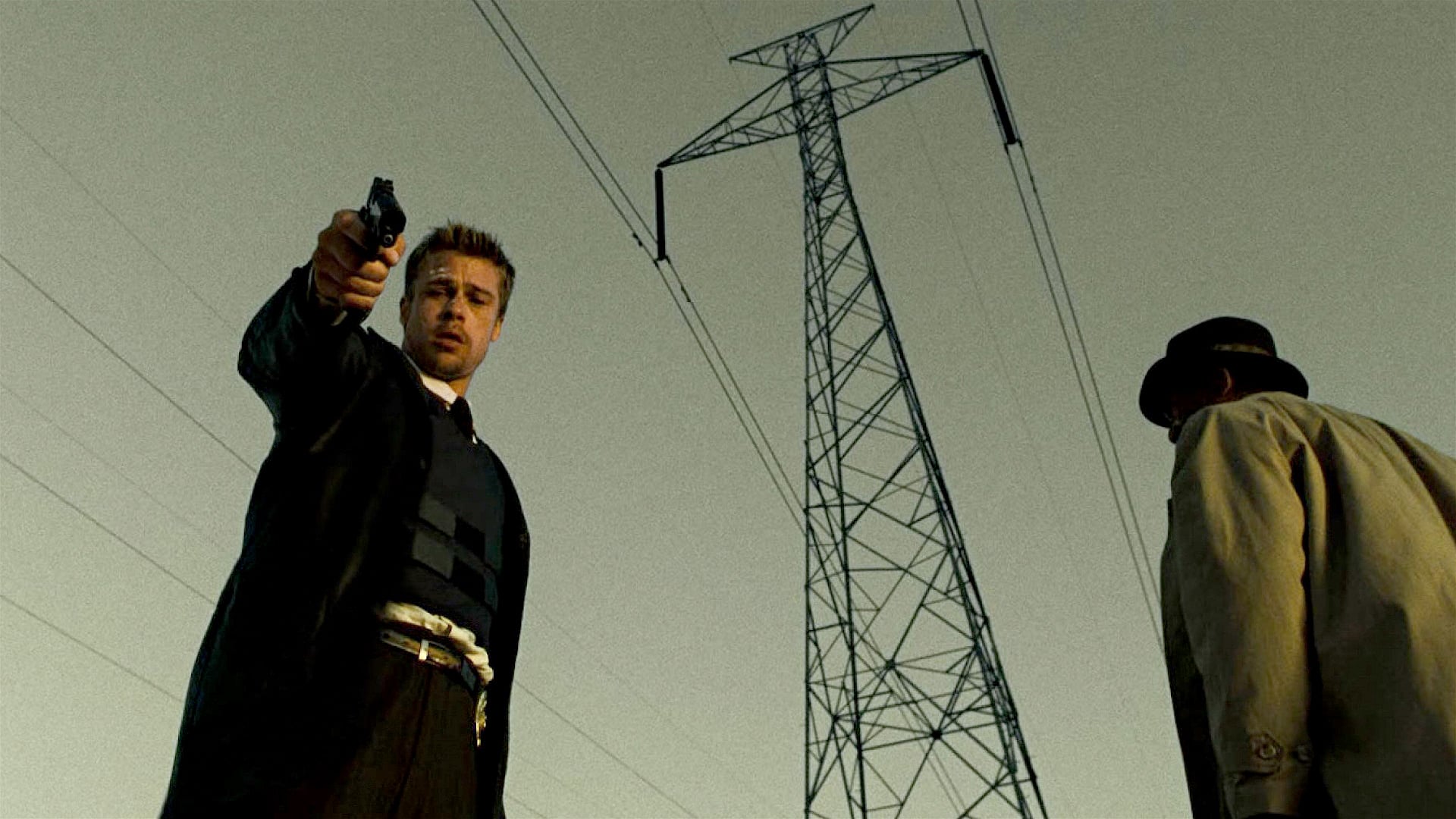
Hasan Nadir Derin | Se7en
“The first answer that came to mind was 2001: A Space Odyssey. Watching Kubrick’s masterpiece knowing nothing about it would have been wonderful. But then what about the dozens, hundreds of films that reference it? Would we have to give those up too? Thinking about all this, I settled on Se7en (1995) instead. Its cultural impact is of course huge as well, but at least fewer films reference it directly.
Se7en is the ideal film for seeing for the first time the gloomy, endlessly rain-soaked city Fincher creates, for witnessing the master and apprentice relationship between Brad Pitt and Morgan Freeman, for being caught off guard by the moment John Doe first appears and, above all, for experiencing the shock of that ending, which turns your whole being upside down.”
Emre Eminoğlu | Sirāt
“I am not someone who rewatches their favourite films very often, and when I do return to them after long intervals I get the same pleasure from each of them as I did the first time; they may even make me notice new details and open new doors. So for me the answer to this question comes down to surprise, or rather to shock: Sirāt (Sirat, 2025).
The film by Oliver Laxe, whom I also had the chance to talk to in an interview for Aposto last year, contains such a moment of shock, or rather several, that once you have seen it you are never the same again. However much time passes, I know that no rewatch will give the same pleasure or let me live that shock as I did the first time. I wish I could forget it and sit down in front of it again like my old self, I tell myself. But, if possible, together with a whole cinema full of people, so we could share our reactions.”
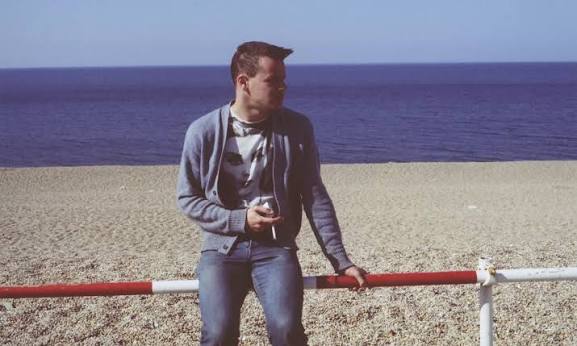
Ali Ercivan | The Angelic Conversation
“Reliving the pleasure of losing myself in a unique sensory world I had never witnessed in cinema before is probably the main thing that leads me to my answer. Two films stand out for me in that case. Rather than the Lynch masterpiece Mulholland Drive, which others are quite likely to mention, let me name the other one.
In 1995, at 18, the year I first followed the Istanbul Film Festival, I watched Derek Jarman’s 1985 film The Angelic Conversation in what was, if I remember correctly, the second screen of the Fitaş cinema. Or let’s say I experienced it. Shakespeare’s sonnets in Judi Dench’s voice, accompanied by grainy images shot on Super-8mm. It was the most special experience of wandering through a dream world in my personal history of watching films. Not only out of a wish to go back to that age and those years: I would wish to taste once more that feeling of being almost hypnotised that I had in that cinema that day.”
Selin Gürel | The Secret Agent
“My answer to this question does not come from my ‘top 10 films I have ever seen’ list, because I believe I watched every film on that list at the right time. But there have been films I watched under festival stress and could not enjoy, and only realised how flawless they were weeks later, once I had put all the pieces together.
From recent years, O Agente Secreto (The Secret Agent, 2025) is one such film. If only I could watch it again for the first time, savouring it, well rested, and be grateful for every second of it all over again…”
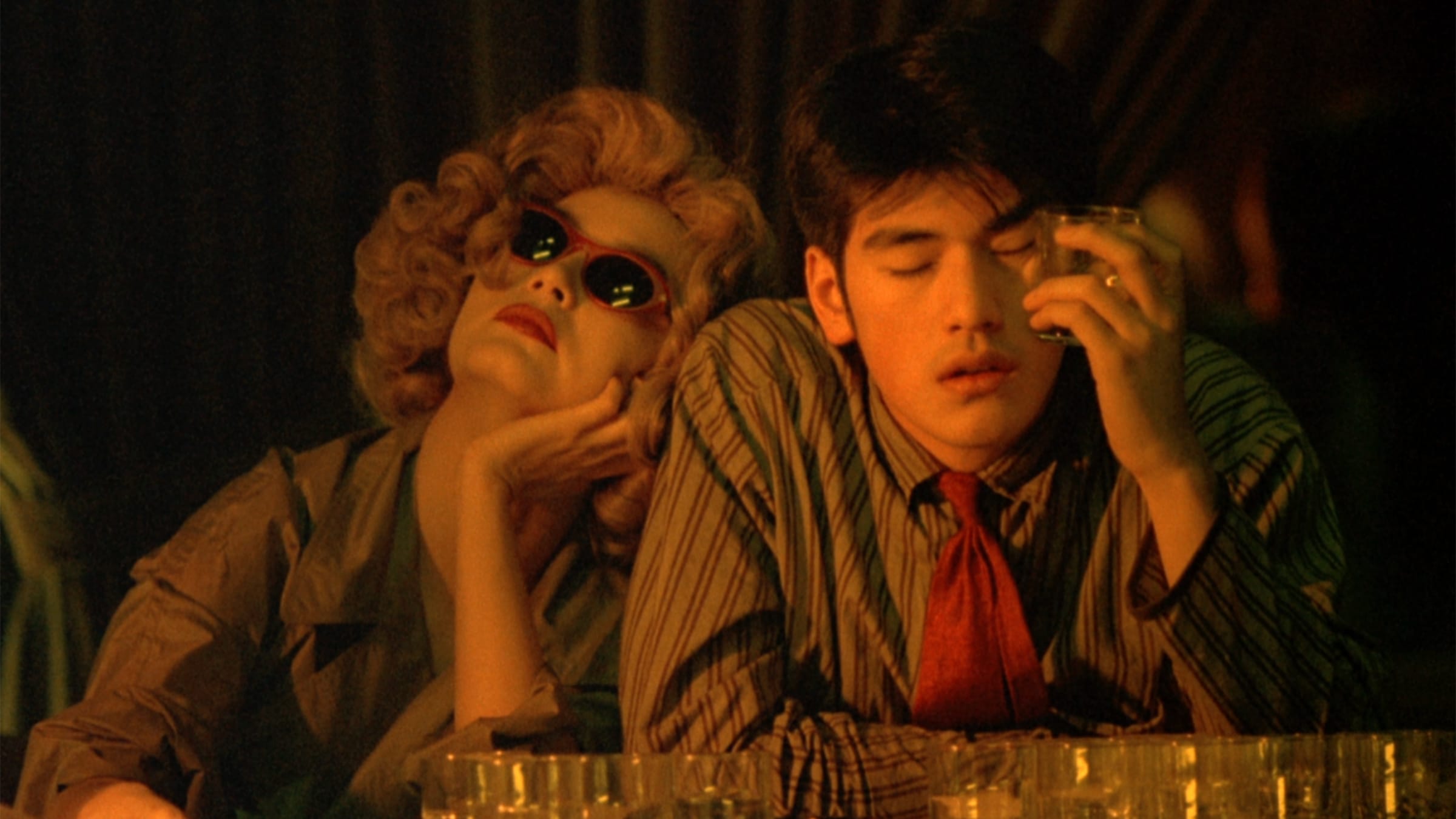
Aslı Ildır | Chungking Express
“Chungking Express (1994) was the first Wong Kar Wai film I saw; at the end of adolescence and the start of youth, it gave a body to all the feelings I could not name. It turned my whole idea of cinema upside down. I have never had a similar feeling since, and the film has lost none of its power. I would love to watch something like that again, something that would have the same effect, that I could not compare to anything, that would flip a switch in my mind.”
Serdar Kökçeoğlu | Tabutta Rövaşata
“My choice is Derviş Zaim’s Tabutta Rövaşata (1996). In the mid-nineties I was a young cinephile in love with foreign cinema, spending my life in front of a small Sony television and video cassettes. I was not really at peace with the cinema of Türkiye. Tabutta Rövaşata broke that prejudice, born of youth and greenness.
I fell for the film’s lo-fi, punk and avant-garde spirit, and especially for the music by ZeN and BaBa ZuLa, whom I admire. For the first time I thought, strongly, ‘I want to make films like this too.’ If I could watch the film again for the first time, I would want to rediscover what changed in that young person’s mind and how the desire to become a filmmaker was born. By the way, at Postbellek, which I co-founded, we made a short documentary with Murat Ertel for the film’s 30th anniversary. So even 30 years later, I am still chasing this film.”
Umur Çağın Taş | The Sixth Sense
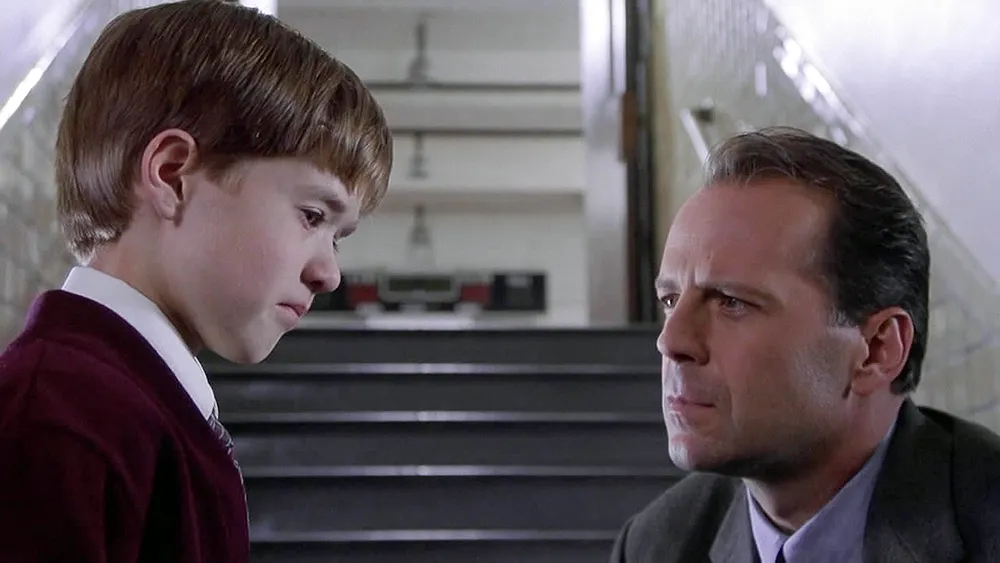
“When I heard this question my favourite films came to mind first, but I changed course, telling myself they left such a mark precisely because each of them came my way at just the right time. Instead I thought of films that caught me off guard with their surprise. So I would like to say The Sixth Sense (1999). If our subject is experiencing a film again with zero knowledge, remembering nothing, what could be better than the film that set off the boom in twists in the mainstream? Besides, my relationship with Shyamalan, damaged by his recent films, might be refreshed, and perhaps I would go back to my old admiration.”
Elif Tunca | L'Année dernière à Marienbad, A Ay and Reconstruction
“L'Année dernière à Marienbad (Last Year at Marienbad, 1961), A Ay (1988) and Reconstruction (2003). These are films I already return to and take refuge in at intervals, but I would honestly love to relive the pleasure of watching them for the first time. In an art that persuades by ‘claiming existence’, making us question ‘seeing’ and ‘the seen’ takes great courage, and doing so, once again, not with words but with images, its basic material, takes great mastery!
Because they remind me, if nothing else, of the idea of reaching beyond this world in which we are bound by physical records, I might want to watch these three films again ‘for the first time’ and taste once more those moments when I came close to going mad with admiration.”
Ece Vitrinel | Arrival
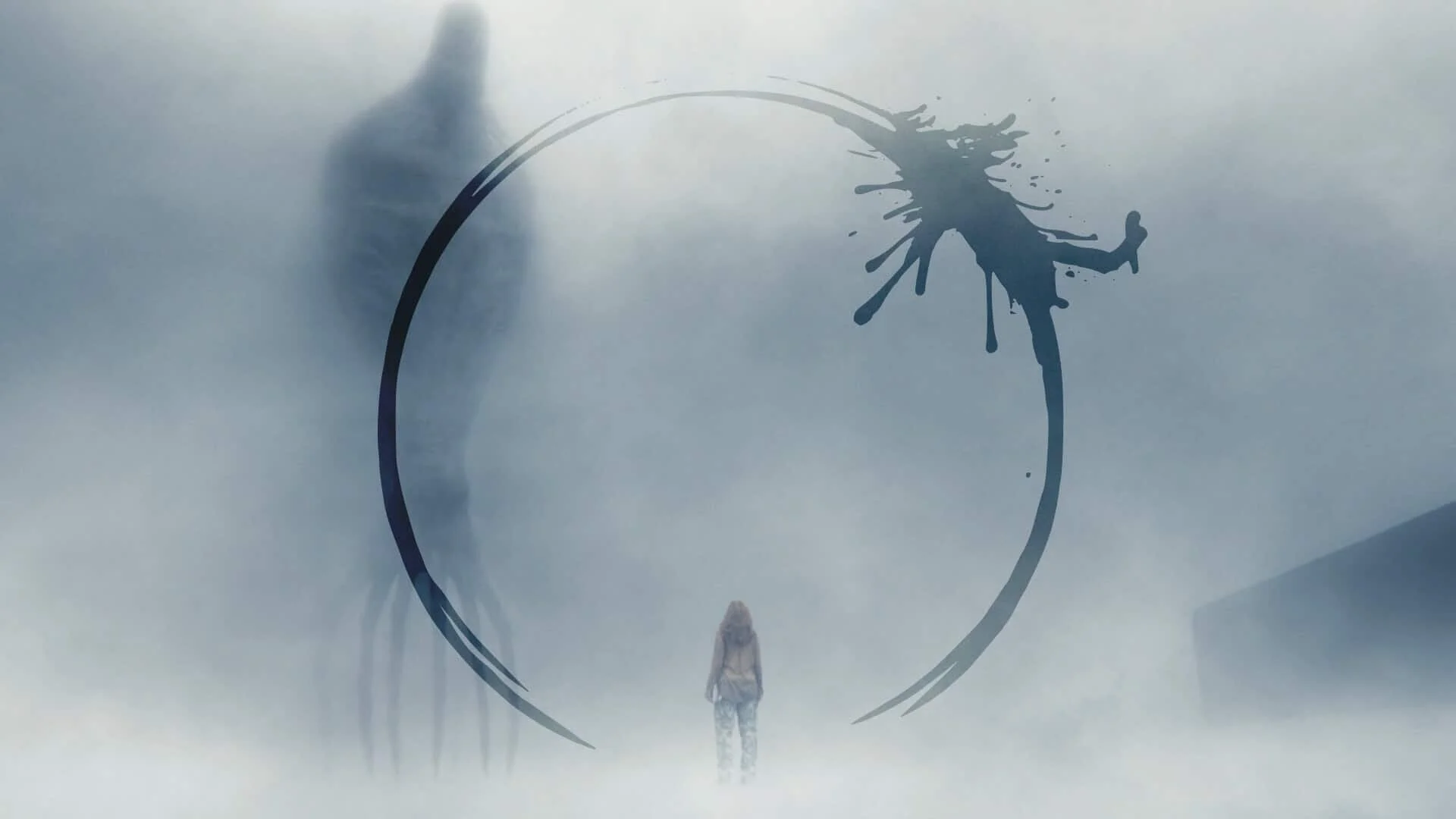
“The almost nonexistent chance of one day seeing an alien is one of the biggest motivations keeping me alive. Going by the maxim ‘do we have any enemy greater than ourselves?’, I don’t really think they will be hostile, but even if they are, I can live with it: I don’t want to die without having that encounter. That is why I want to see the scene in ‘Arrival’ (2016) where we meet the heptapods with the excitement of watching the film for the first time. And why I want to wait once more, not knowing what they look like, for the beings that come swaying out of the mist with that tremendous hum, breathing fast along with Dr Louise Banks. Otherwise, you can never watch the same film twice anyway. Even if the film doesn’t change, you... (Just kidding.)”
Gül Yaşartürk | Psycho and The Birds
“If I go back to my first days of getting involved with cinema, roughly 25 years ago, I can say that Hitchcock’s films affected me most. I cannot choose between Psycho (1960) and The Birds (1963). I admire the way Hitchcock directs the audience like a conductor, masterfully using the basic tools of cinema, that is, editing, elements of the script and mise en scène, and I admire the psychoanalytically rich subtexts of his films.”
İrem Yavuzer | Crossing
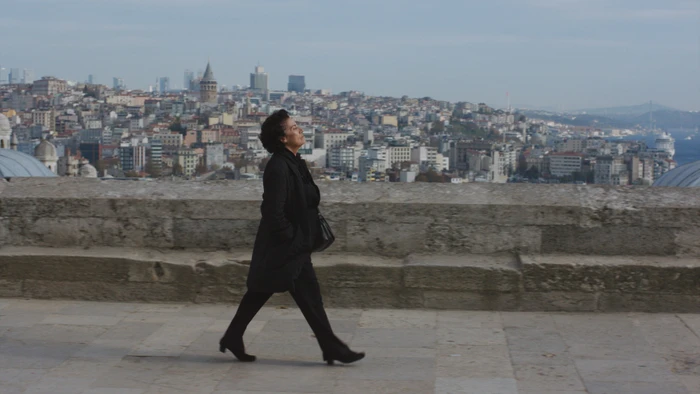
“If I were to forget a film and watch it again, it would definitely be Crossing (2024), directed by Levan Akin. I think it is valuable to experience Istanbul as a place of memory in which grief and culture are so intertwined. Although Istanbul is familiar, known, a place I feel I belong to, the uncanniness it creates is also very intense. Beyond discrimination, trauma, loss and acceptance, Crossing is a film longing to get home.
It also opens up new spaces around the unique experience of being lost. I would love to watch Crossing with the excitement I felt the first time, to find myself again, to weep for my losses and to remember whatever it is I miss.”