When do we smell our food?
Flavour begins long before the first bite; it changes as we chew and carries on after we swallow. We look at the role of smell in eating, the journey from nose to brain and the chemistry at work in the kitchen.
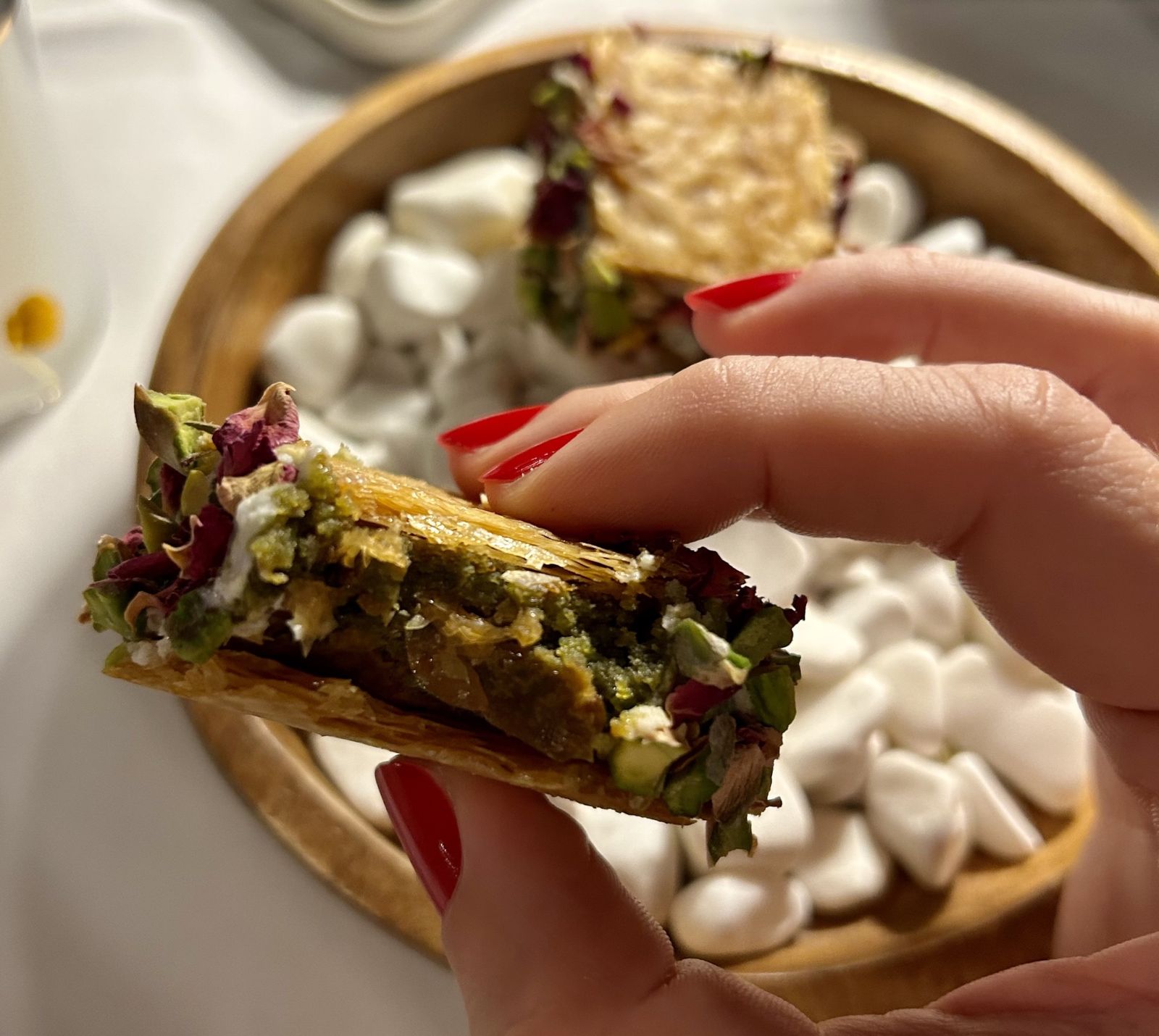
When we come home in the evening, smells reach us as we climb the stairs of the building. On one floor, onion frying in oil; on the floor above, an orange cake from the oven. We quietly guess what is seeping out from behind which door: is that onion, or cinnamon, or is someone frying something again? Our mouths water before we have even seen the food. Food brings people together at the table. But the invitation to that table is usually written by smell. Before the plate arrives, before the door has even opened.
In the previous piece, Tada dair: Burnumuzun bildiği, dilimizin bilmediği (On Taste: What the Nose Knows and the Tongue Doesn’t), we talked about how flavour begins in the nose. Let’s say we now smell something before we put it in our mouths, and only then taste it. So what exactly happens with that first smell? And what story begins once the bite is in our mouths?

From the stairs to the brain
It is no accident that we lift our noses as we climb the stairs: we really do. When we breathe normally, only a small part of the air reaches the upper part of the nasal cavity, where the smell receptors are. The short, quick breaths we take when sniffing carry a larger share of the air upwards, to the roof of the nasal cavity. There, in the area between our eyes, is a small patch covered in smell receptors. Odour molecules in the air dissolve into the thin, moist layer lining the inside of the nose, bind to the receptors and set off a signal.
Humans are thought to have around 400 types of smell receptor. A single smell is represented not by one receptor but by a combination of different receptors, just as a few notes come together to form a chord. The signal from the receptors travels to the olfactory bulb, which sits on the underside of the brain just above the nasal cavity, and from there to the areas of the brain linked to smell perception, emotion and memory. When we pick up a smell like this, from outside and through our nostrils, we call it the orthonasal route.
So where does this smell come from? Let’s rewind a little and head towards the kitchen.
The same ingredient raw and cooked is almost like two different foods. Raw onion is sharp; fried in oil, it turns sweet. Yeasted dough smells faint, but once baked it becomes the smell of bread. The same cut of meat leaves one smell when boiled and quite another when seared on the grill. The reason lies as much in the relationship between heat and the ingredient as in the cooking method itself.
When meat is boiled, it is exposed to the temperature of boiling water, which under normal conditions means 100 degrees at most (pressure cookers aside). Grills and ovens, on the other hand, can take the surface in particular to much higher temperatures. Heat makes the components inside the ingredient undergo chemical reactions. Some molecules break down, while others react with one another to form volatile, aromatic compounds that were not there before. Sometimes entirely new molecules are born.
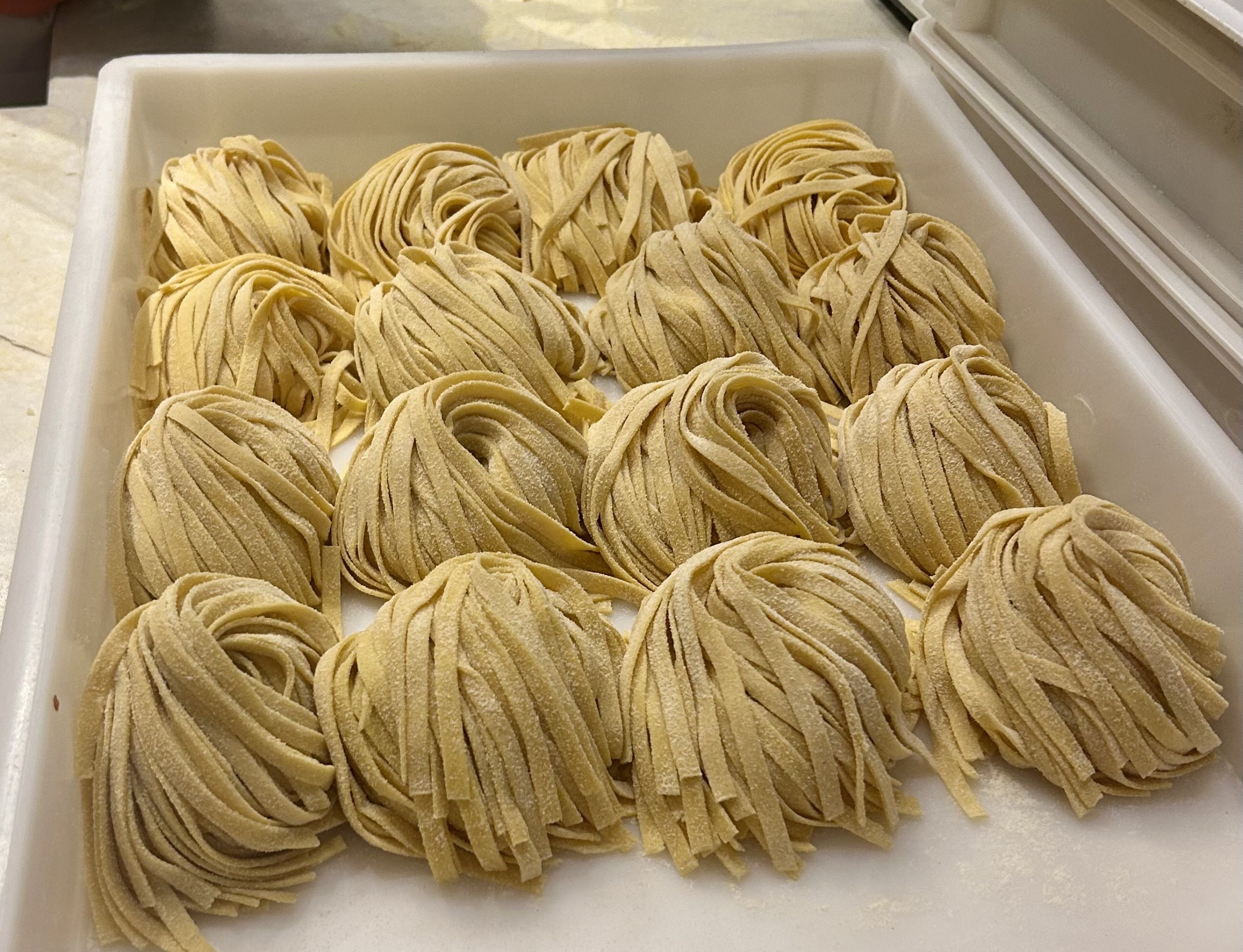
The best known of these is the Maillard reaction: reducing sugars and amino acids meet under heat. It takes its name from the French chemist Louis-Camille Maillard, who described it in 1912. Onions browning as they fry, the crust of bread, meat browning on the grill, toasted sesame and roasted hazelnuts are all different examples of this reaction.
A second path opened up by heat is caramelisation: no amino acids are needed, and sugar on its own, at a high enough temperature, breaks down into the compounds that give off the smell of caramel. Both processes contribute to appetising smells. Maillard tends to give richer, roasted notes, while caramelisation produces simpler, sweet smells. On the darkening edge of a cake, the two can work together.
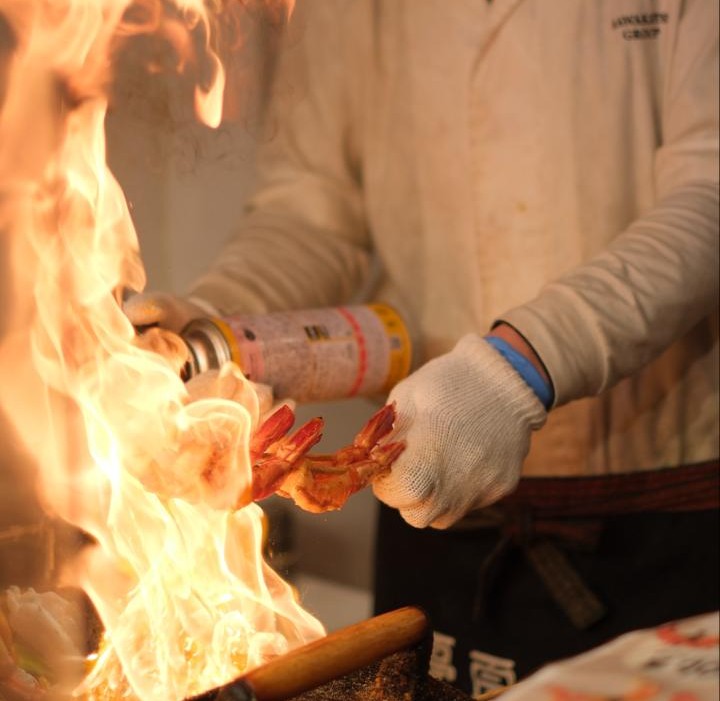
Some people have noticed this pull that smell has. Patisseries and bakeries are said to deliberately vent the air released during baking towards the street, so that anyone who catches the smell cannot resist coming in. It is one example of how smell can become a marketing strategy in its own right. Sadly, today there are even those who try to create this effect not by natural means but with cheap, synthetic alternatives.
So does our nose have an alarm? Smell does not only call to us; it also warns us before the first bite or sip. In the previous piece we mentioned that noticing signs of spoilage, such as soured milk or mouldy bread, is one of the protective functions of our sense of smell. Fish is another example. The smell that reaches us at the fishmonger’s gives important clues about how fresh the fish is. Fresh sea fish usually smell faint; some carry a light scent of sea and seaweed. After the fish dies, a compound called TMAO, which is odourless in itself and found especially in certain sea fish, is converted by bacteria during spoilage into TMA, or trimethylamine.
TMA plays an important part in producing the sharp smell we call “fishy”. It is one of the indicators used to monitor spoilage, particularly in species rich in TMAO. The saying “fresh fish doesn’t smell” is one of those places where folk wisdom and science meet. There is also a line attributed to Benjamin Franklin: “Fish and visitors stink in three days.” I can’t speak for visitors, but as far as fish go, we can say science agrees with Franklin.
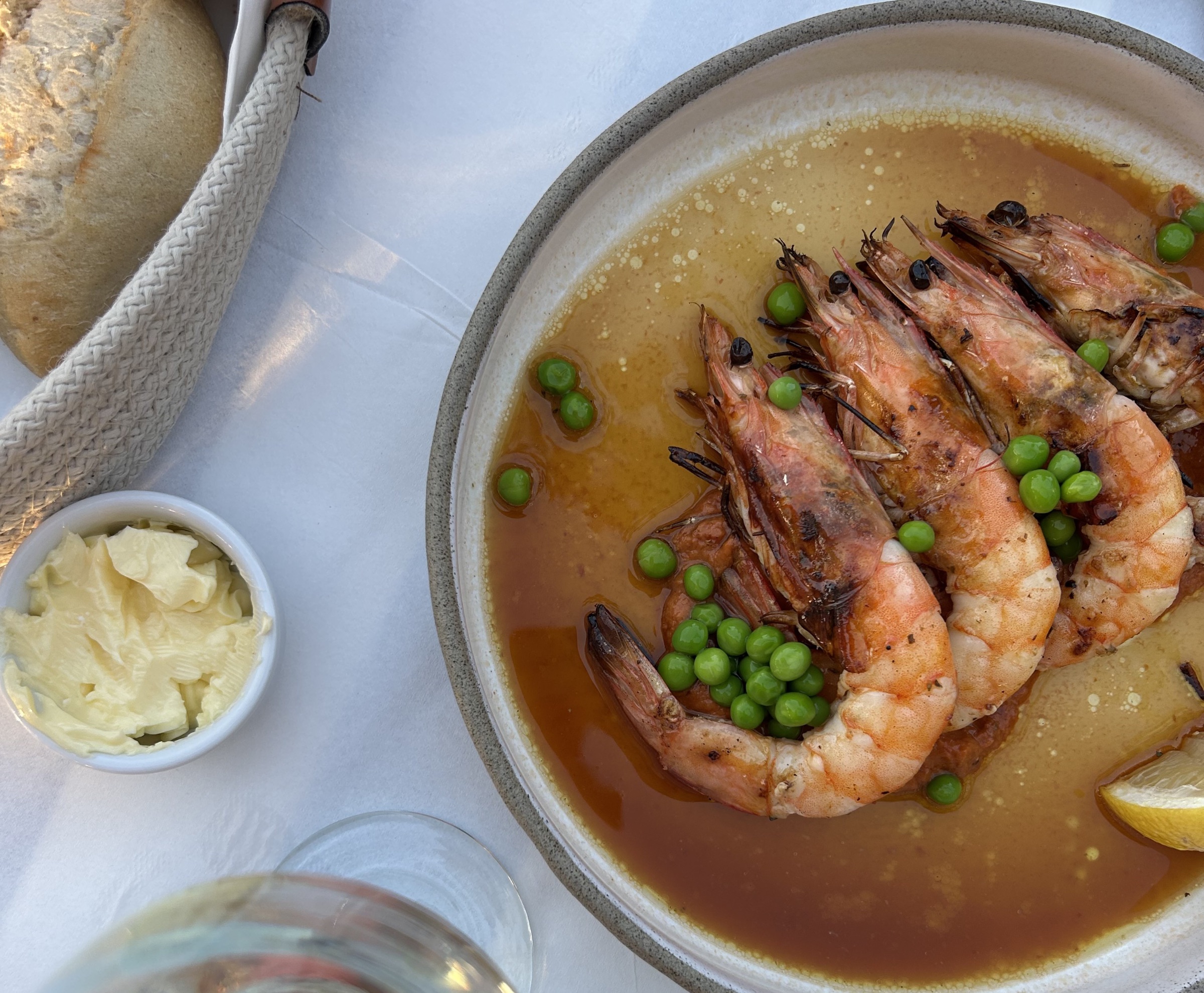
Sometimes smell says “don’t eat this”, and sometimes “you have to eat this”. The sharp, sour smell of şalgam (fermented turnip and carrot juice) and pickles is a fine example of the second. Not spoilage, but fermentation. In lactic acid fermentation, bacteria on vegetables sitting in brine turn sugar into lactic acid. The environment turns sour, and the acid that forms both helps preserve the food and makes life harder for some of the harmful microorganisms that cause spoilage. Fermentation produces more than sourness: other volatile compounds emerge throughout the process, giving the smell layer upon layer of depth. And we seek out that smell with appetite. The same sourness that raises an alarm in one place extends an invitation in another.
While chewing: aroma is born in the bite
Now let’s move to the table. The moment we bite into the cake, smell starts arriving through the back door, by the retronasal route. Chewing does not just make the bite smaller; it also opens up the aroma, and sometimes creates it anew. As the food breaks apart, the aroma compounds inside it are released; they mix with saliva and, helped by the warmth of the mouth, pass more easily into the air.
Garlic is the clearest example: the smell left on our hands when we peel it is faint, and the real sharpness bursts out the moment we crush or chew it. When the cells tear, the enzyme alliinase inside them turns a compound called alliin into allicin; that familiar sharp smell is born at exactly that moment. There are studies showing that the more we chew, the more aroma is carried to the nose. Which really means that a bite swallowed in a hurry may pass by before it can tell us part of what it has to say.
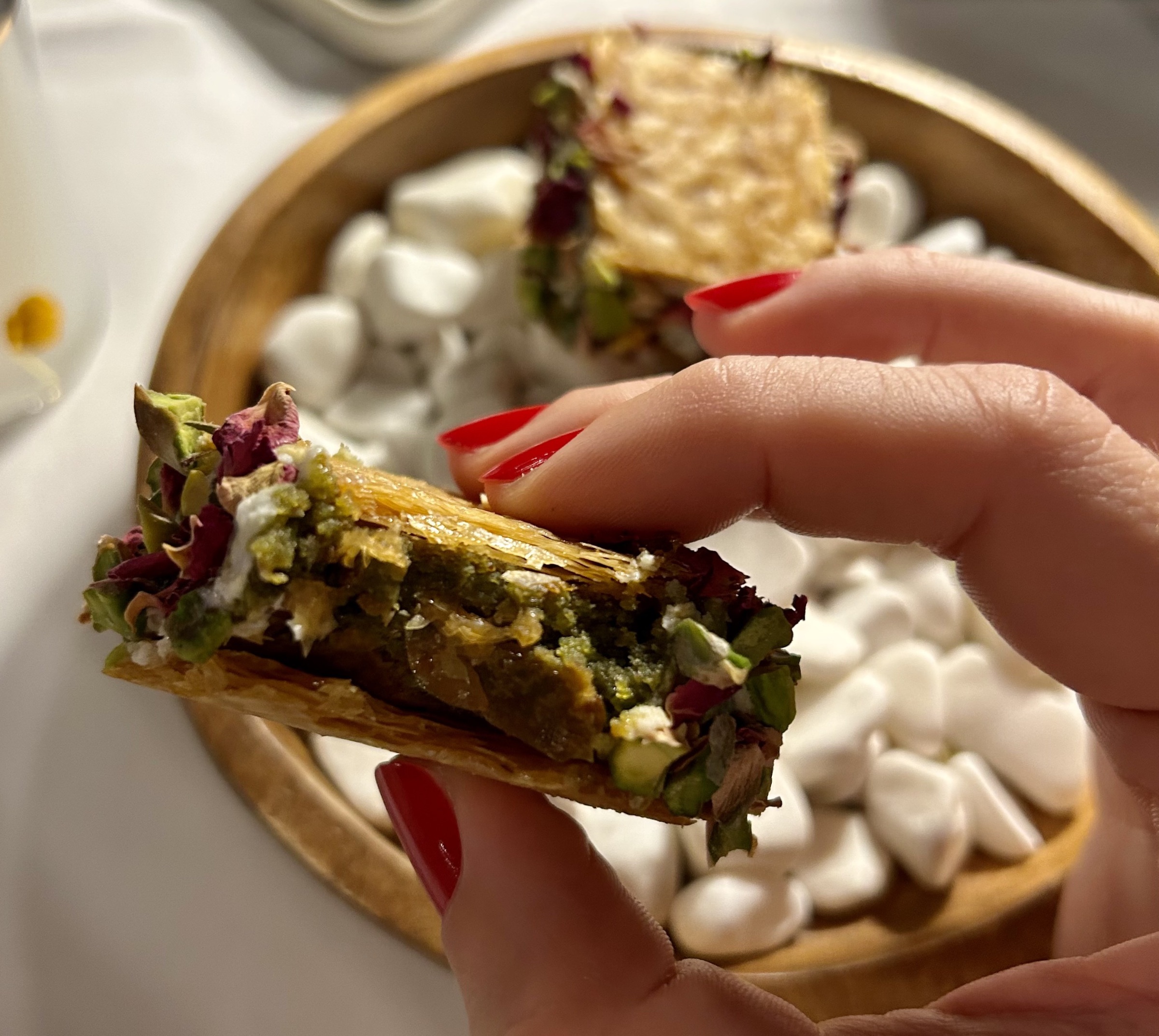
The aroma compounds that reach the nasal cavity as we chew travel along the path that runs from the mouth to the back of the throat and from there into the nasal cavity. When we swallow, the soft palate rises and briefly closes the passage to the nasal cavity, which stops food from escaping into our nose. Once swallowing is complete, the passage opens again. So the aroma’s journey begins while we chew and continues with swallowing and the breath that follows.
After swallowing: the smell that lingers
The moment we swallow, the passage opens again, and straight afterwards we breathe out briefly. This small breath, which researchers call the “swallow breath”, carries the aromatic air gathered in the mouth and throat into the nasal cavity, over the smell receptors.
Research carried out particularly on drinks has found that, during swallowing, part of the aromatic air in the mouth is carried to the throat and from there to the nasal cavity, producing a distinct aroma signal at the start of the swallow breath. What is more, some of what we eat and drink can remain in the throat after swallowing; the volatile compounds released there keep reaching our nose with the breaths that follow. In short, we go on smelling after we swallow.
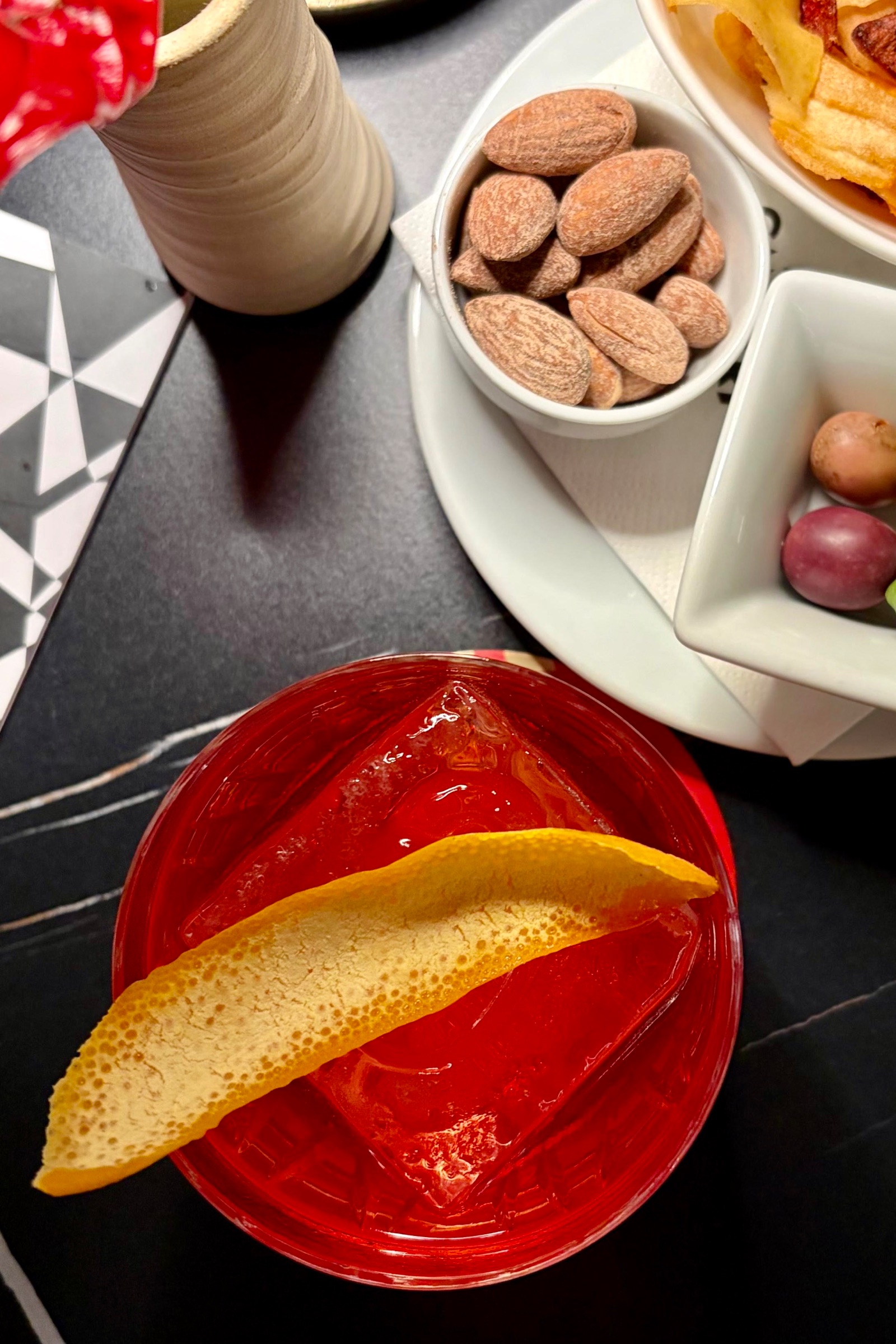
So smell has visited us in three separate places: before the bite, while chewing and after swallowing. Which matters most? Perhaps that is the wrong question, because each moment answers a different one.
The smell on the stairs asks, “What is that smell?” The aroma that comes while chewing answers, “What am I eating?” And the smell left after swallowing says, “What remains?” Without one, the others’ sentences are incomplete. What we call flavour is born from the answers to these three questions coming together.
The same piece of chocolate, different smells. To experience this with our own noses, we need neither a kitchen nor a tasting room. A piece of chocolate with 70% cocoa or more will do.
First, let’s bring the chocolate to our nose and smell it: “What is that smell?” Then let it melt on the palate and chew it gently: “What am I eating?” Cocoa butter melts at a temperature close to body heat, and the aromas are often released at that point. After swallowing, let’s breathe out slowly through the nose: “What remains?”
Most likely a smell will come that is different from the first two, softer and longer lasting. On the first sniff, most of us pick up roasted cocoa, perhaps some light fruity notes; as it melts and after swallowing, traces reminiscent of coffee, wood or nuts appear. The words we find may differ; what matters is noticing the difference itself.
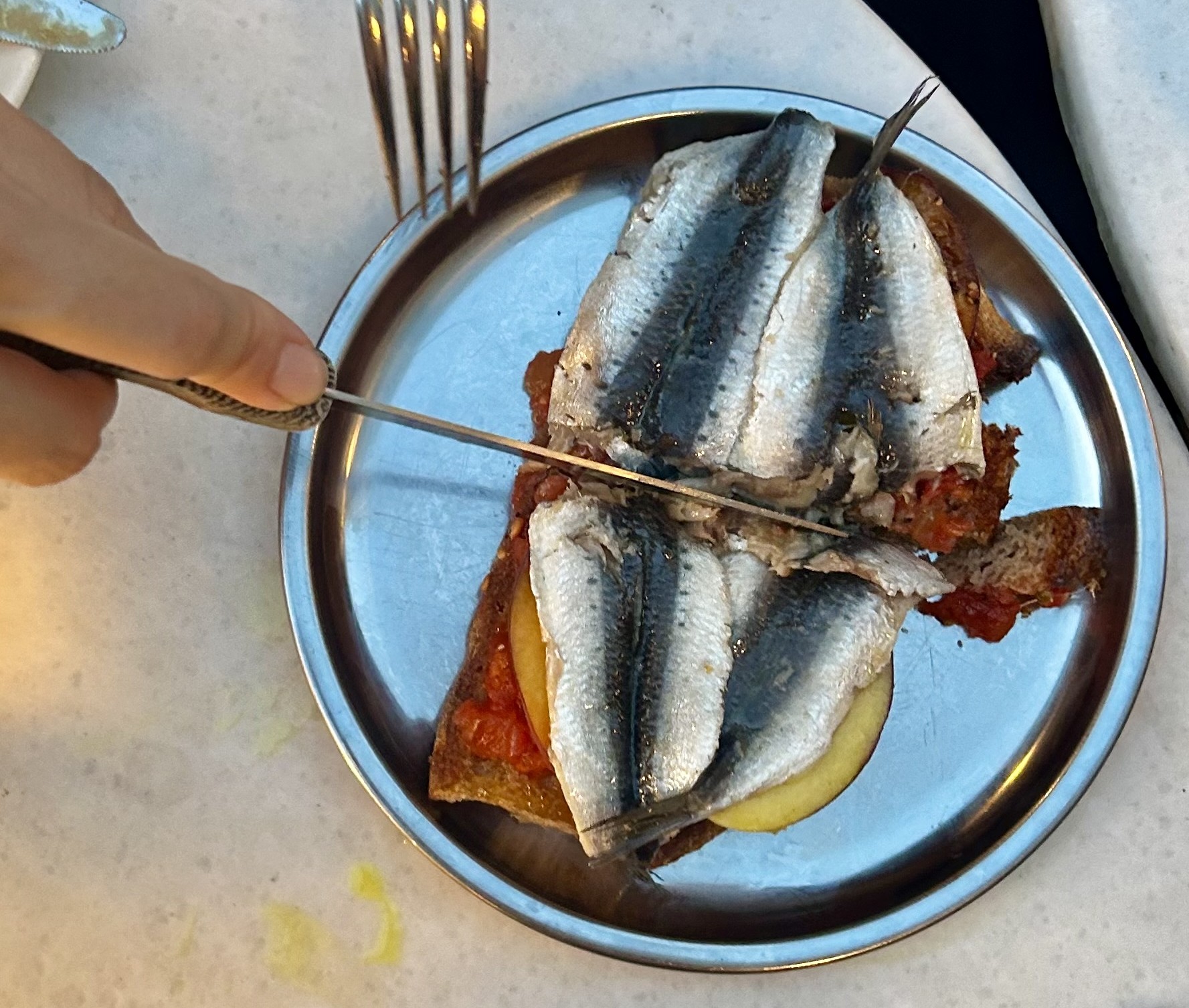
The first bite is always the most talkative. The first bite of a dish is usually the liveliest. By the second, third, fourth bite, its voice seems to drop. The real reason is that our nose gets used to it. When we are exposed to a smell for a long time or again and again, our smell receptors and our brain respond less and less to the stimulus. We call this sensory adaptation.
The smell of a place, a person or a dish fades the longer we stay with it. Someone just walking in from outside, though, smells it more intensely. When tasters drink water and eat a plain cracker between bites, it serves a similar purpose: reducing traces of the previous taste and aroma in the mouth so the next bite can be perceived more clearly. In short, we usually hear a dish’s first sentence most clearly.
Beyond sweet, sour and salty
When we describe a dish, our reflex is usually to speak from the tongue’s dictionary: sweet, sour, salty, bitter. These words are not wrong, but they tell only half the story. When it comes to smell, our words run short, and we often borrow from the other senses: sharp, soft, warm, sweet. That is because smell reaches us first as a feeling, a memory, and turns into words last of all. At our next meal, let’s add one more question alongside “Salty or sweet?”: what is it like?
The answer is often a comparison: summer rain, burnt sugar, a freshly opened book. These comparisons are as valid as tasters’ vocabulary, and they are not even coincidental: sometimes a shared odour molecule is what leads us to give the same word to two different things. Not finding the right word is fine too, because the first place smells attach themselves to in us is often not words but memories.
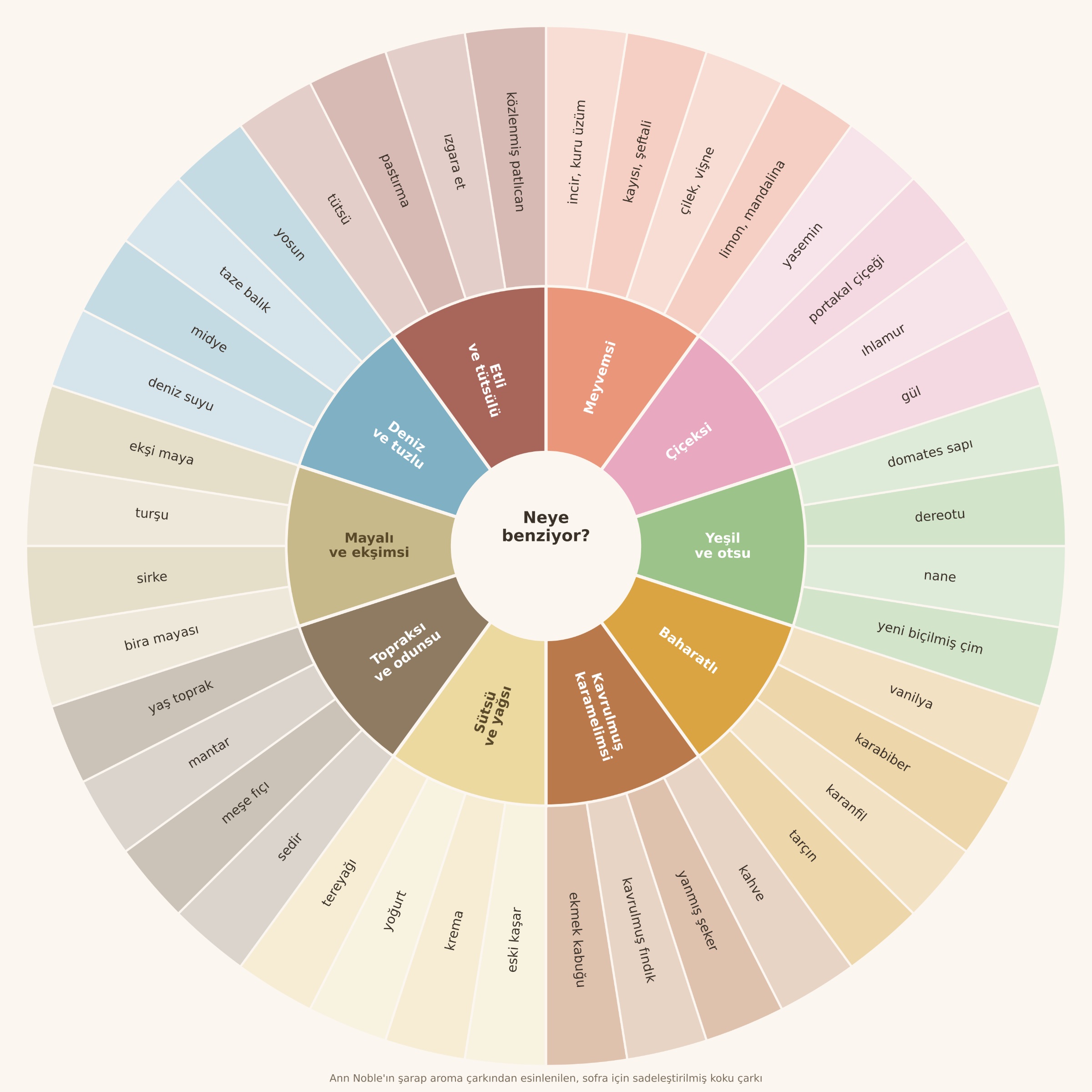
Some have tried to put these words on common ground. The wine aroma wheel, developed in the 1980s by Ann Noble of the University of California, Davis, sorts smells into groups such as fruity, floral and spicy so that everyone can talk using the same words. I have put together a small wheel of my own, simplified for the table. You don’t need a wheel for every bite; it is enough to ask whether it is roasted, fruity, earthy or milky.
When do we smell our food? Not in a single moment, in fact. On the stairs, while chewing and after swallowing: at three separate stops on this journey that smell accompanies. Each one forms a different sentence, and the last is usually spoken by that small breath. When they all come together, the story we call flavour emerges.
Afiyet olsun (enjoy your meal).