Two days in Daday: from harvest to winter
Daday, in the inland part of the western Black Sea region, sits in a high, forested landscape where the influence of the sea fades. Forests, pastures, farmland and villages are woven together, and production moves within the limits set by the climate and the seasons. The farms we visited over two days are good places to understand the different relationships people build with these conditions.
Photographs: Reyhan Ülker
A few weeks ago I set off to spend two days in the Daday district of Kastamonu. Time was short: I wanted to see at least one of the three canyons, visit a few villages and get to know the farms in the area. My travelling companion and guide is Duygu Ece Aydın, owner of İksirli Çiftlik. During the car journey of roughly six hours we talk through our route, I ask about the things I am curious about, and we speculate about the places we pass. A good part of the plan takes shape on the road.
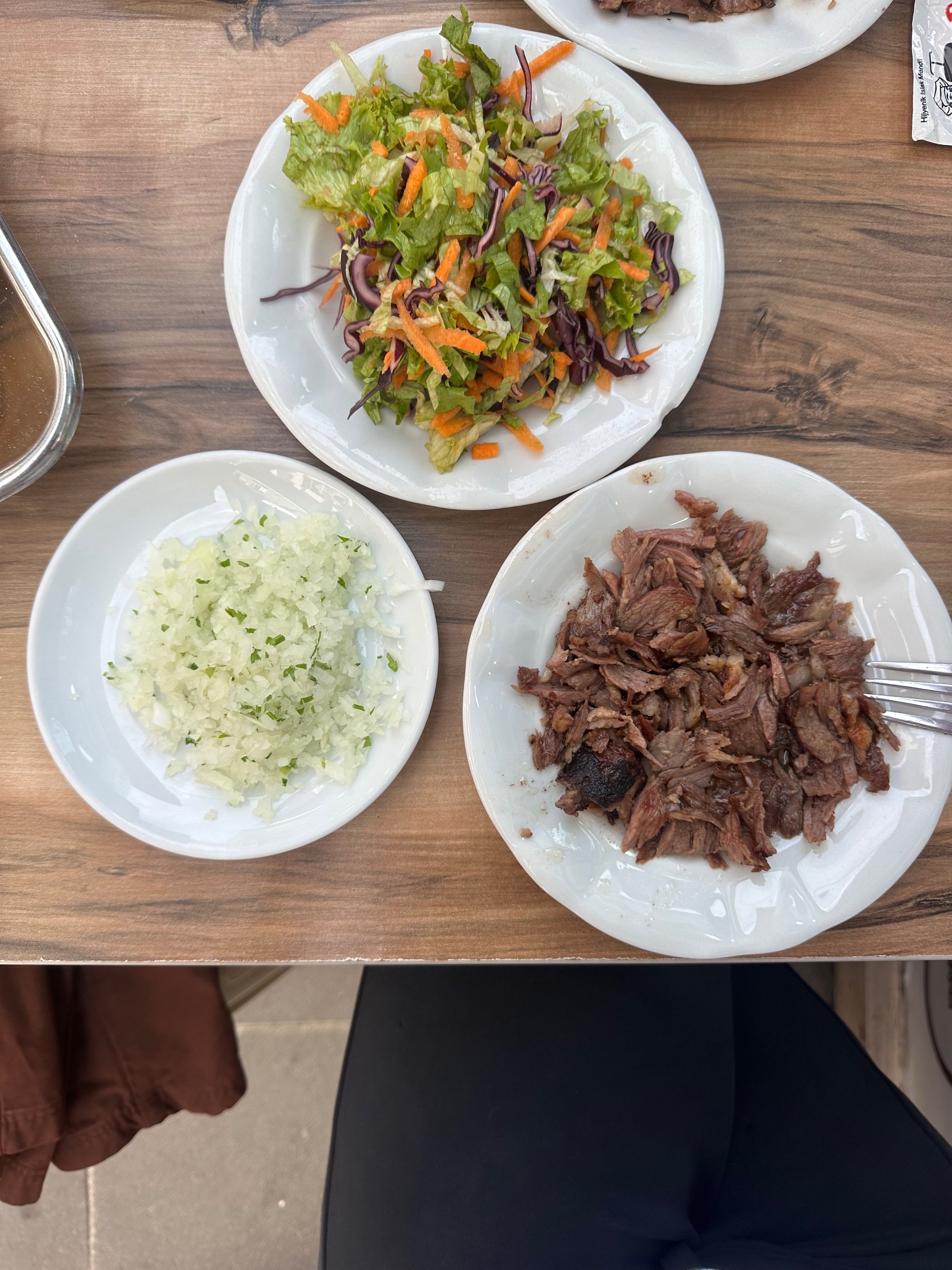
When we reach Kastamonu, our first job is to try the city’s famous döner in the centre. We visit the two best-known döner makers in town, Tarihi Dönerci Necati Usta and Yaşar Usta’nın Yeri. Both use beef and lamb in equal parts; the proportion of tail fat is not stated openly, but the way they serve it is the same. The meat is cut into small pieces and drizzled with its own fat, and comes with finely chopped raw onion, cumin and greens. The traditional way of eating it is simple too: the bread is first dipped in the fat from the döner, then eaten with the meat, cumin and onion. Choosing between the two masters’ döner is not easy. Without lingering, we take to the road again.
Balabanağa Farm: what was once produced here?
Our first stop in Daday is one of the oldest farms in the area, Balabanağa Farm. At the entrance we see Balabanağa Mansion, said to have been built in 1641. Around this building, which has changed hands over the generations, there was once a large farm known for its crops and its water buffalo. We are welcomed by Nahide Hanım, the eldest of the family.
On the farm, which spreads over roughly 400 decares, production is limited today. Part of the land is used as a caravan and camping ground for foreign visitors who come to the area for its walking routes. The stream is still there, but the water buffalo that once roamed around it are gone. The branches of the apple trees are close to breaking under the fruit, yet finding people to pick it is not easy. Through the Buğday Association, the farm belongs to TaTuTa, a network for visiting and volunteering on ecological farms. Thanks to volunteers who come from time to time, foreign visitors in particular, some of the work can carry on. But this help is not enough to sustain the old pattern of production.
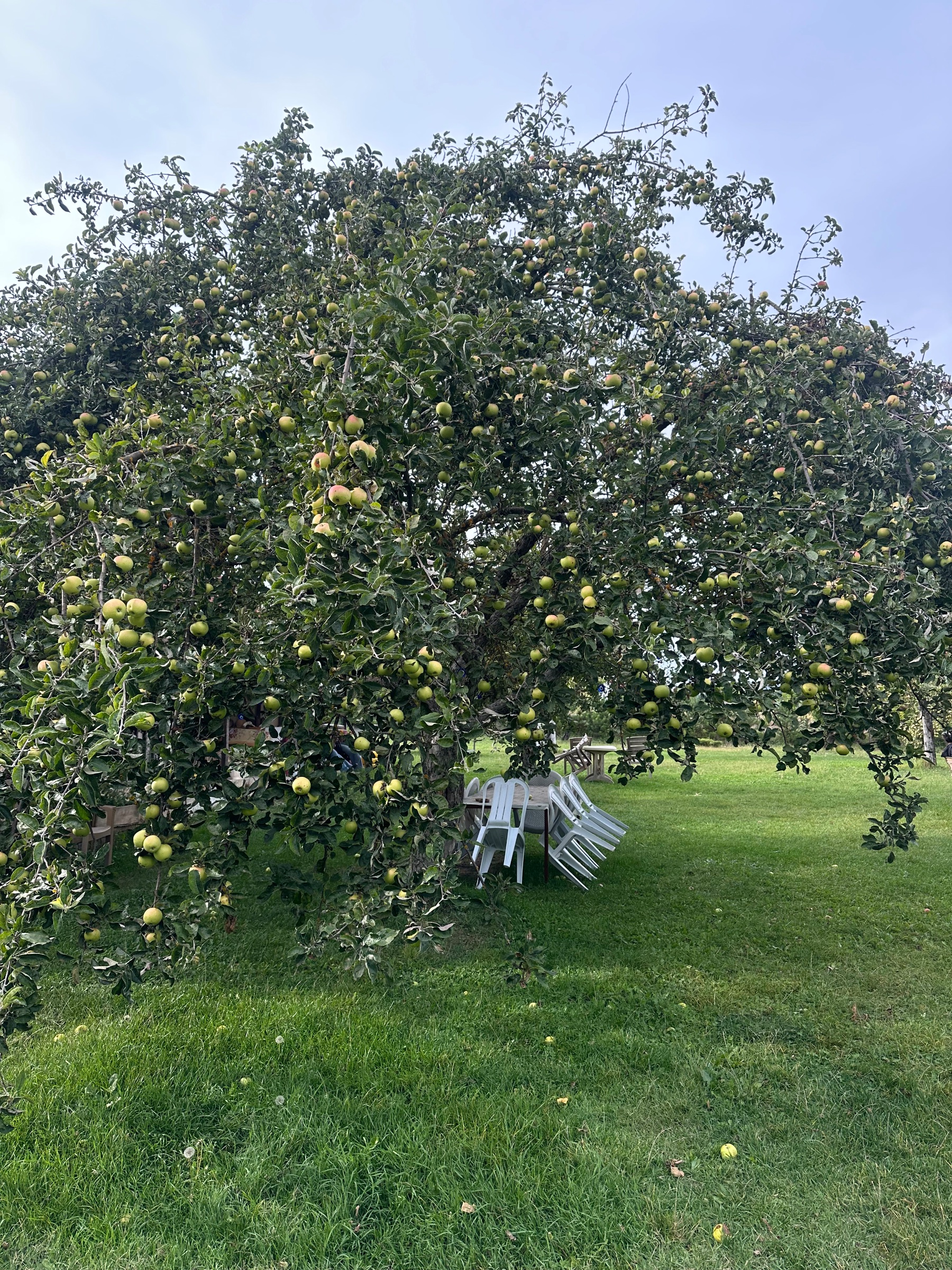
Young people choosing to live in cities, the heavy labour of farming and the uncertain economic return on production all directly affect whether rural life can continue. As we listen to Nahide Hanım talk about the farm’s old days and look at the apples left on the trees, what stays in the mind is something more practical than nostalgia: what conditions have to come together for production in the countryside to go on?
Describing Daday’s geography and its culture of production, Ece says that one of the area’s most distinctive features is that all four seasons are clearly felt. The altitude starts at around 700 metres, and in some parts forest cover approaches 70%. Winters can be harsh: last winter temperatures dropped to -15 degrees. In summer the days are hot and the nights cool. Spring comes late, and in autumn you can see different colours on the same tree. These conditions limit what can be grown, while also shaping the character of the varieties that have adapted to the region.
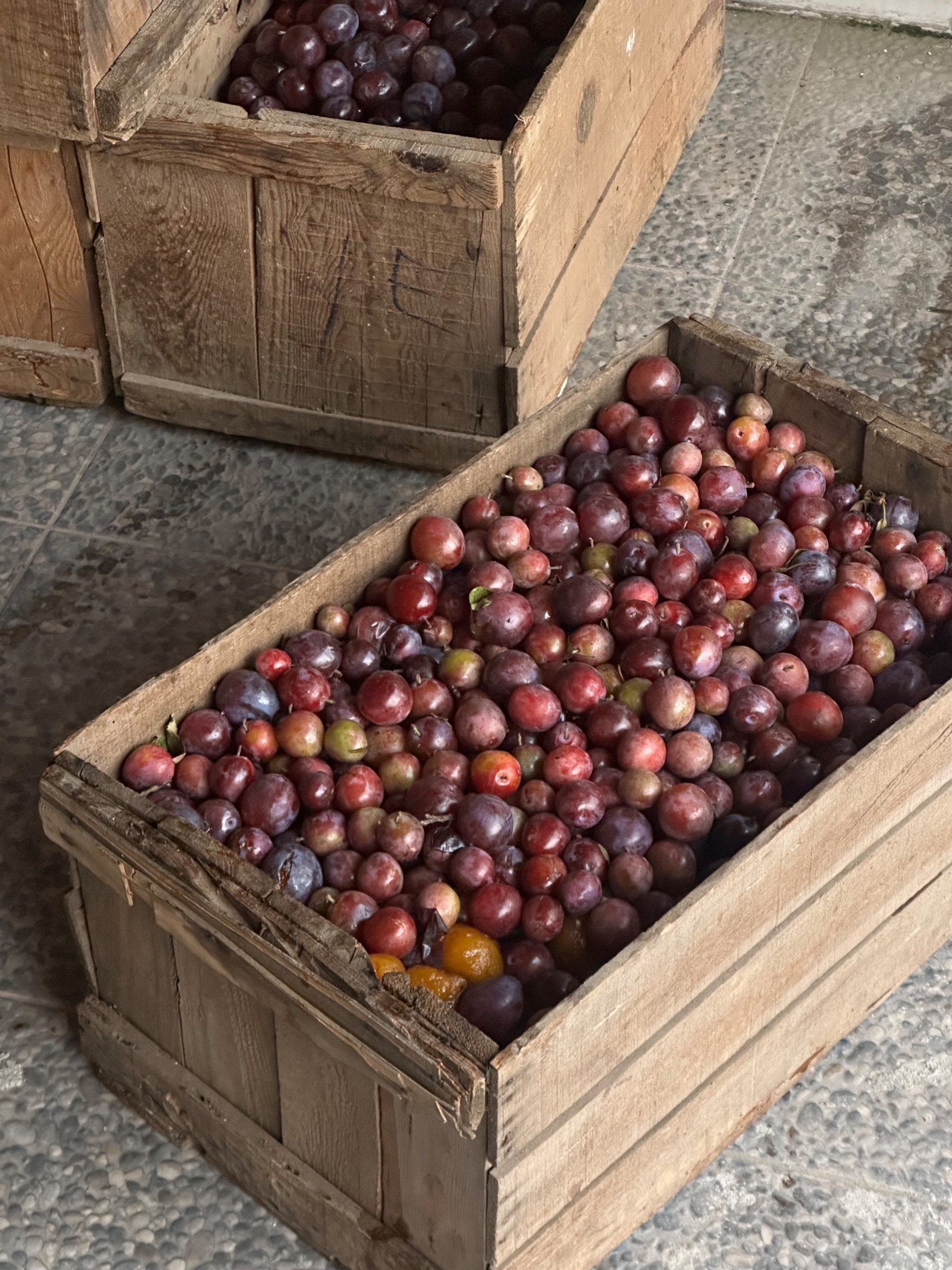
Siyez, an ancient einkorn wheat, is one of the grains long associated with this landscape. The Üryani plum is a local fruit that grows at 800 to 900 metres and is protected by a geographical indication. Ece says there are records of Üryani plums being exported in the 1930s. The Hüryemez apple, besides being eaten as fruit, is known for elma ekşisi, an apple sour made by reducing its juice. Alongside medicinal and aromatic plants such as bay, sage and lavender, rose hips, blackberries, ahlat and çördük (wild pears), barberries, cornelian cherries (kiren) and elder make up the region’s natural diversity.
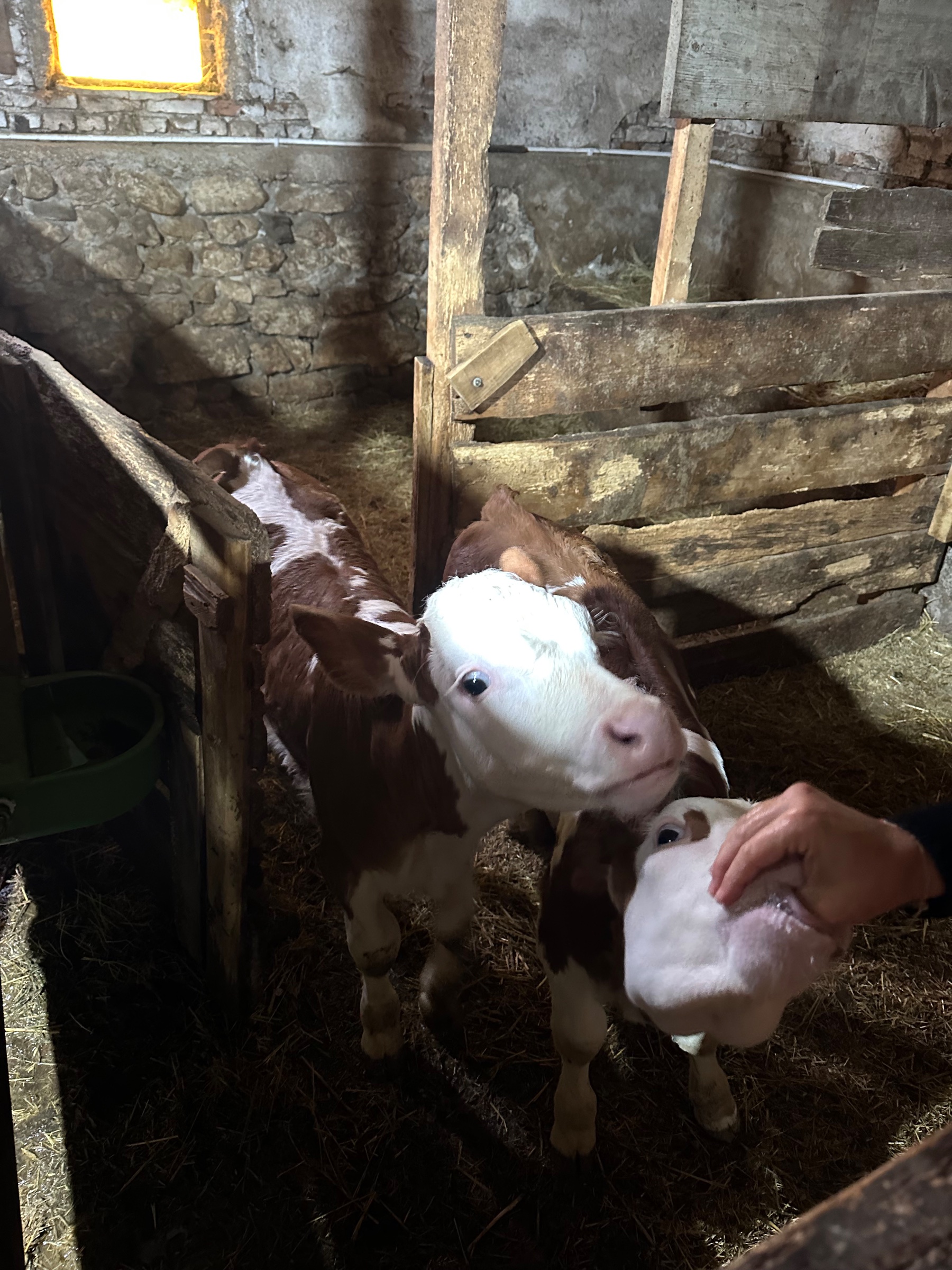
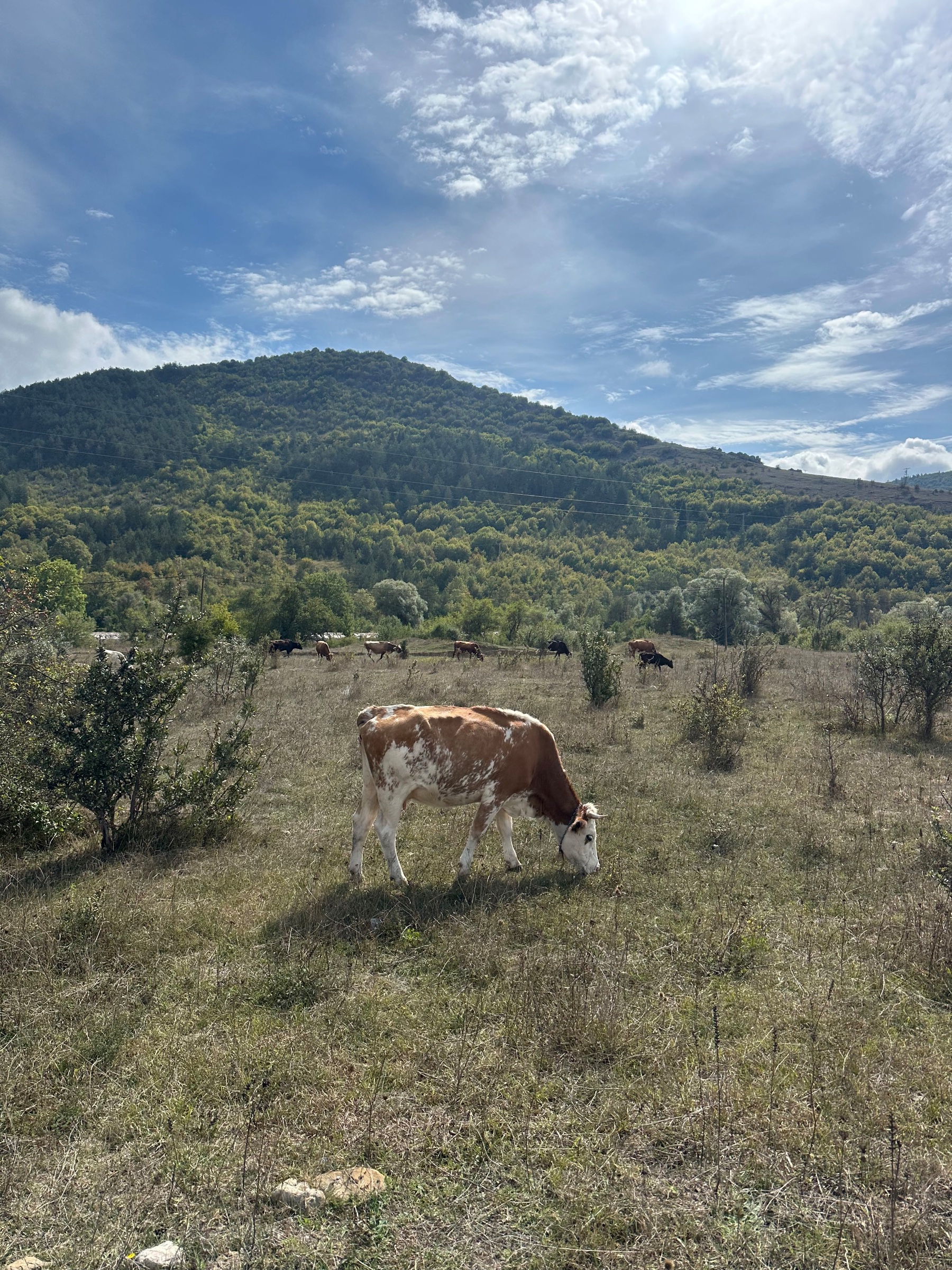
Livestock also has an important place in Daday’s production. The pastures and the lie of the land suit cattle farming, and products such as village cheese, cabadibi cheese and butter are made here. Taş, empirme and şeker beans, borlotti beans and local chickpeas are also part of the region’s agricultural variety. In the local dialect the turkey is called “ibi”; turkey meat and stock are used in many traditional dishes.
We spend the evening at İksir Hanım Konağı, the guesthouse run by Ece and her family. The plan for the next day includes a long walk and visits to two more farms.
Through the canyon
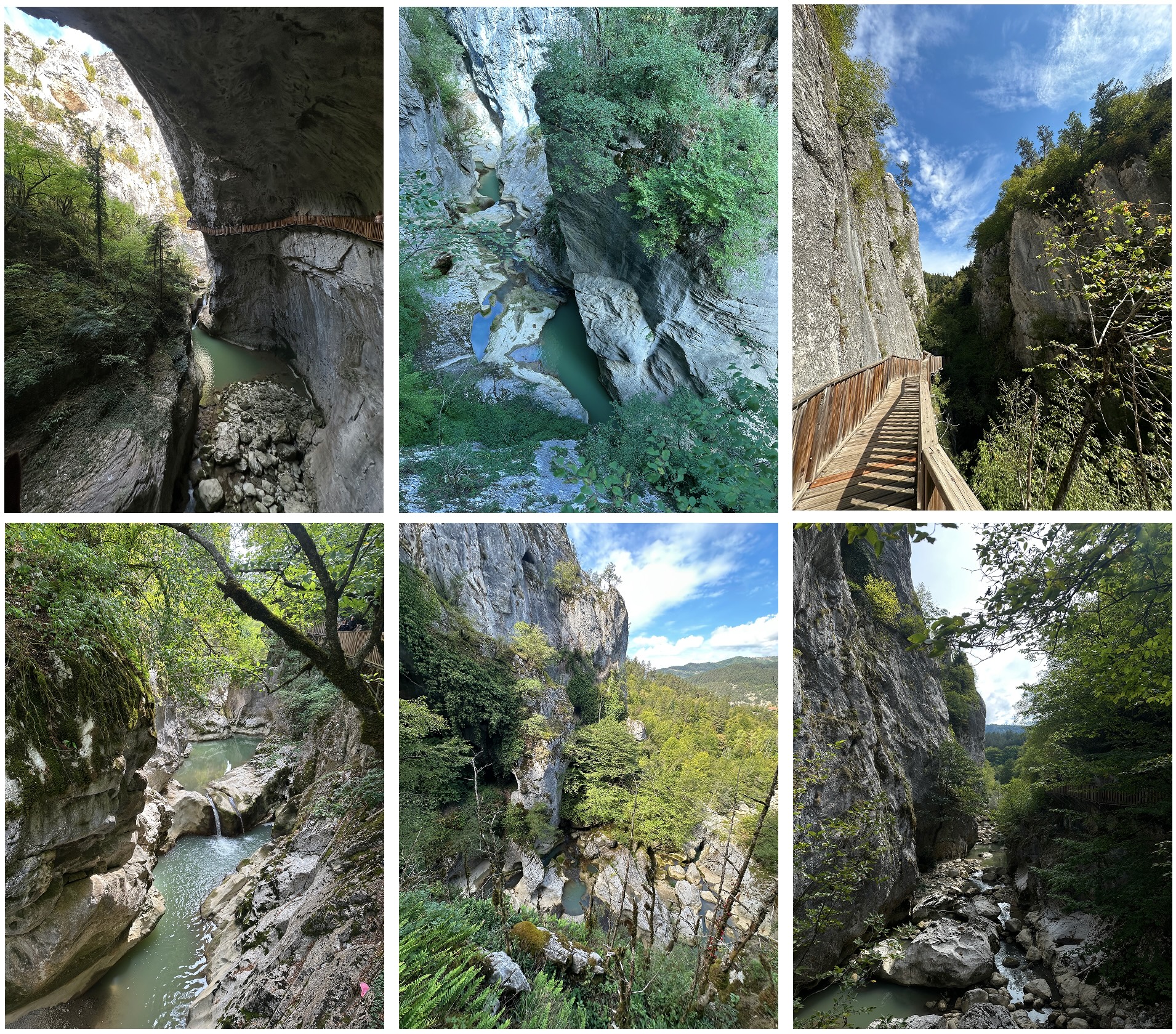
In the morning, as the grey sky slowly cleared, we set off towards Horma Canyon in Pınarbaşı. Lying within Küre Mountains National Park, the canyon was formed by the Zarı Stream wearing away the limestone rock. It is striking for its high rock walls and the marks the water has left on the stone. A wooden walkway of about three kilometres runs through the canyon as far as the Ilıca Waterfall.
Along the walk the shape of the rocks keeps changing. The scale of the canyon is easier to grasp on the wooden walkway, which looks smaller and smaller between the rock walls. The sound of the water, the surface of the rocks and the vegetation make you think about how this landscape was shaped over a long stretch of time.
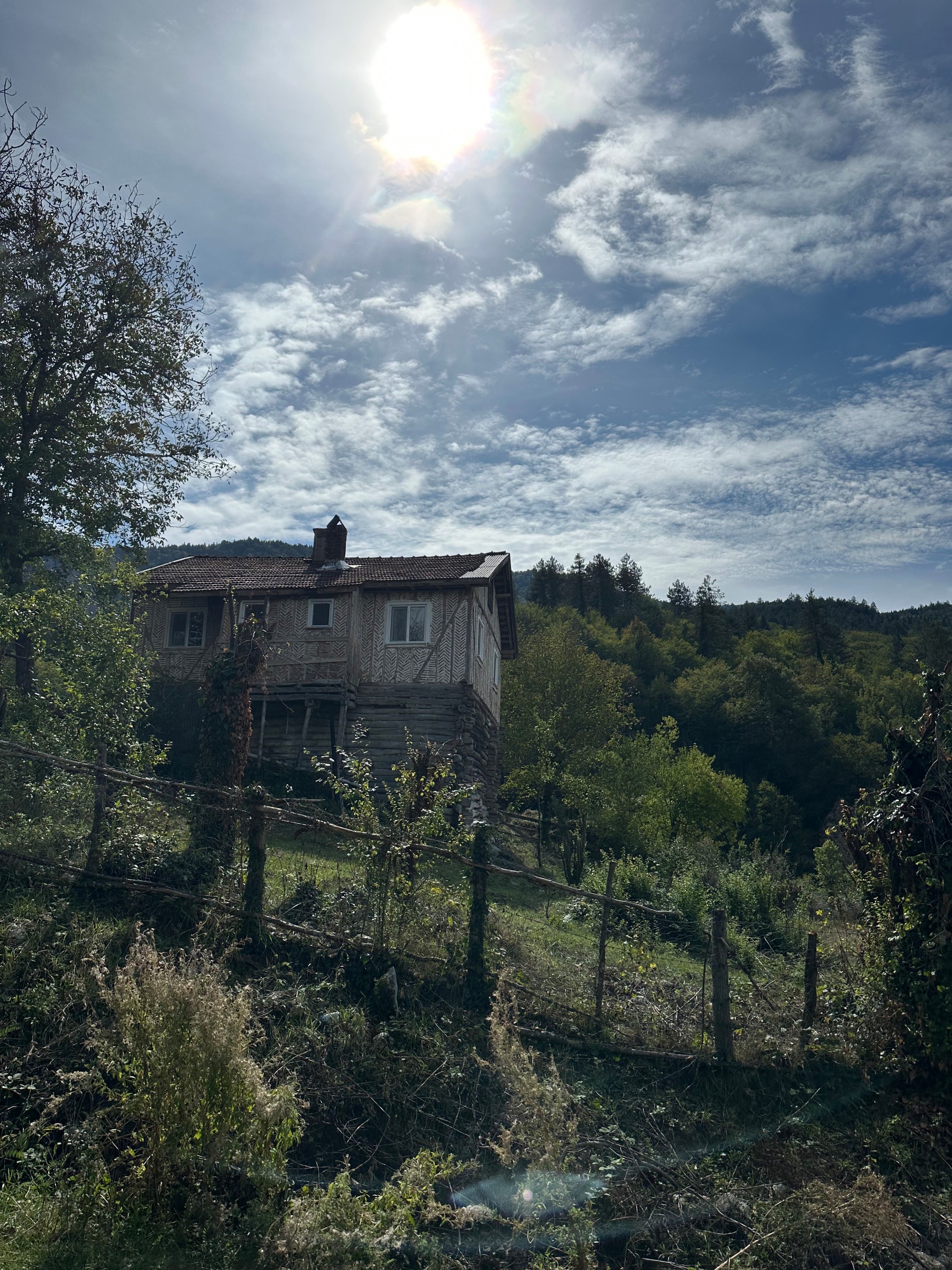
Kastamonu’s rural architecture is another example of adapting to the environment. In the villages you see houses built from local materials such as wood, stone and mud brick. Pitched roofs and wide eaves are common features. In traditional houses the ground floors are often used as storerooms, stables or workspaces, and gardens and courtyards are part of everyday productive life. The surroundings of the house take shape around the work that farming and livestock demand.
Karaçorba, sour as can be
After the canyon walk we stop at Köylüm Mantı Evi in Pınarbaşı for karaçorba. The soup’s appearance is as intriguing as its name (literally “black soup”). A sour extract made from wild berries known as karamuk (barberry) is combined with chicken or turkey stock. Its colour is hardly inviting, but the taste is intense, distinctly sour and very good. After the first spoonful, the way the soup looks no longer matters.
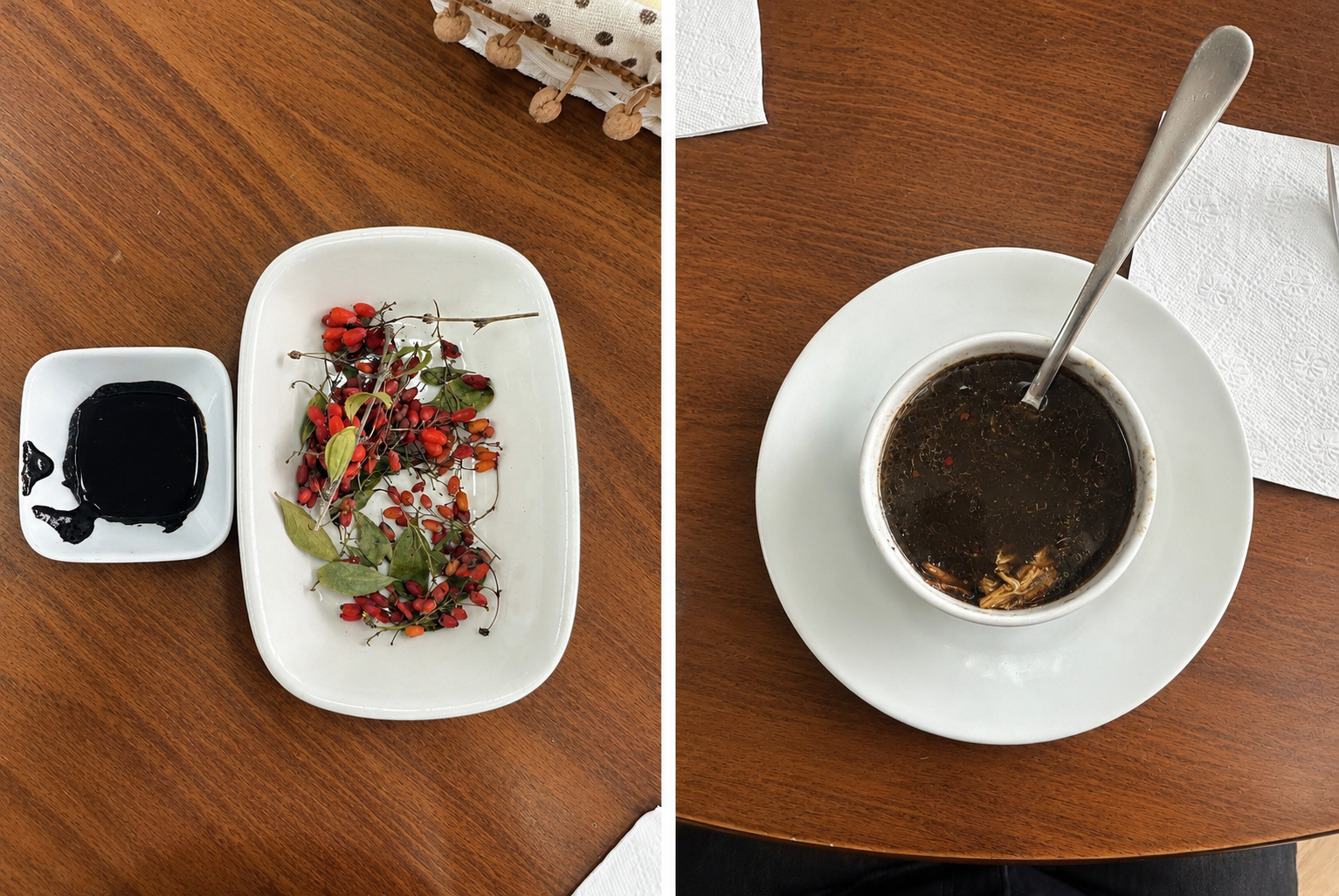
The owner, Aydın Gündoğan, joins the conversation. He moved to Istanbul young and ran his own restaurant in Yeşilköy for years. When he returned to Kastamonu to retire, he realised there was nowhere he could get the local dishes made properly, and more than ten years ago he opened his own restaurant in Pınarbaşı. Aydın Bey’s story of coming home is a reminder of how much it matters for traditional dishes to find a place in restaurants in small towns. Restaurants can bring recipes that live in home kitchens to a wider circle, and in doing so the knowledge of the people who know how to make them can be passed on.
Lunch at Yıldız Farm
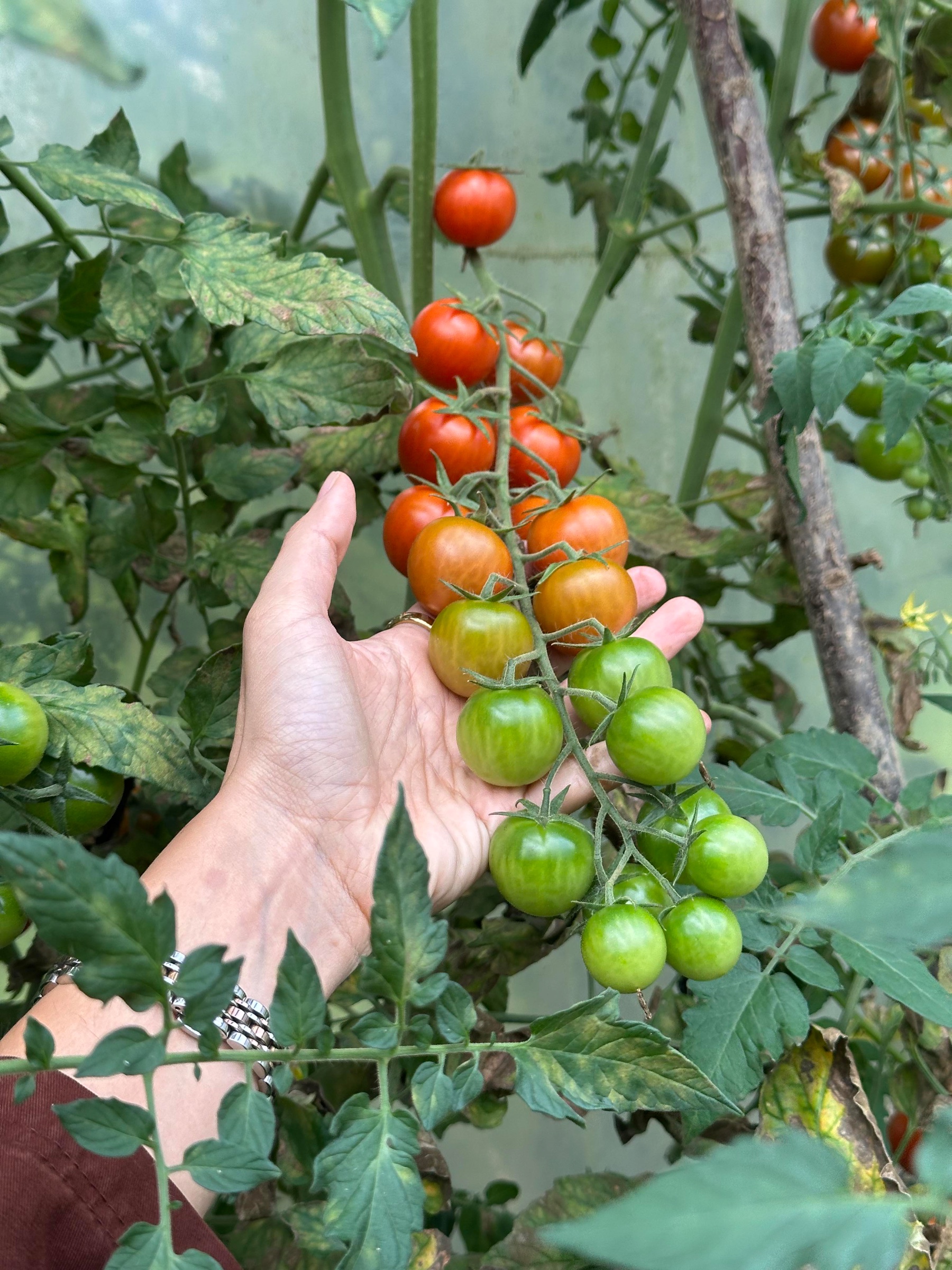
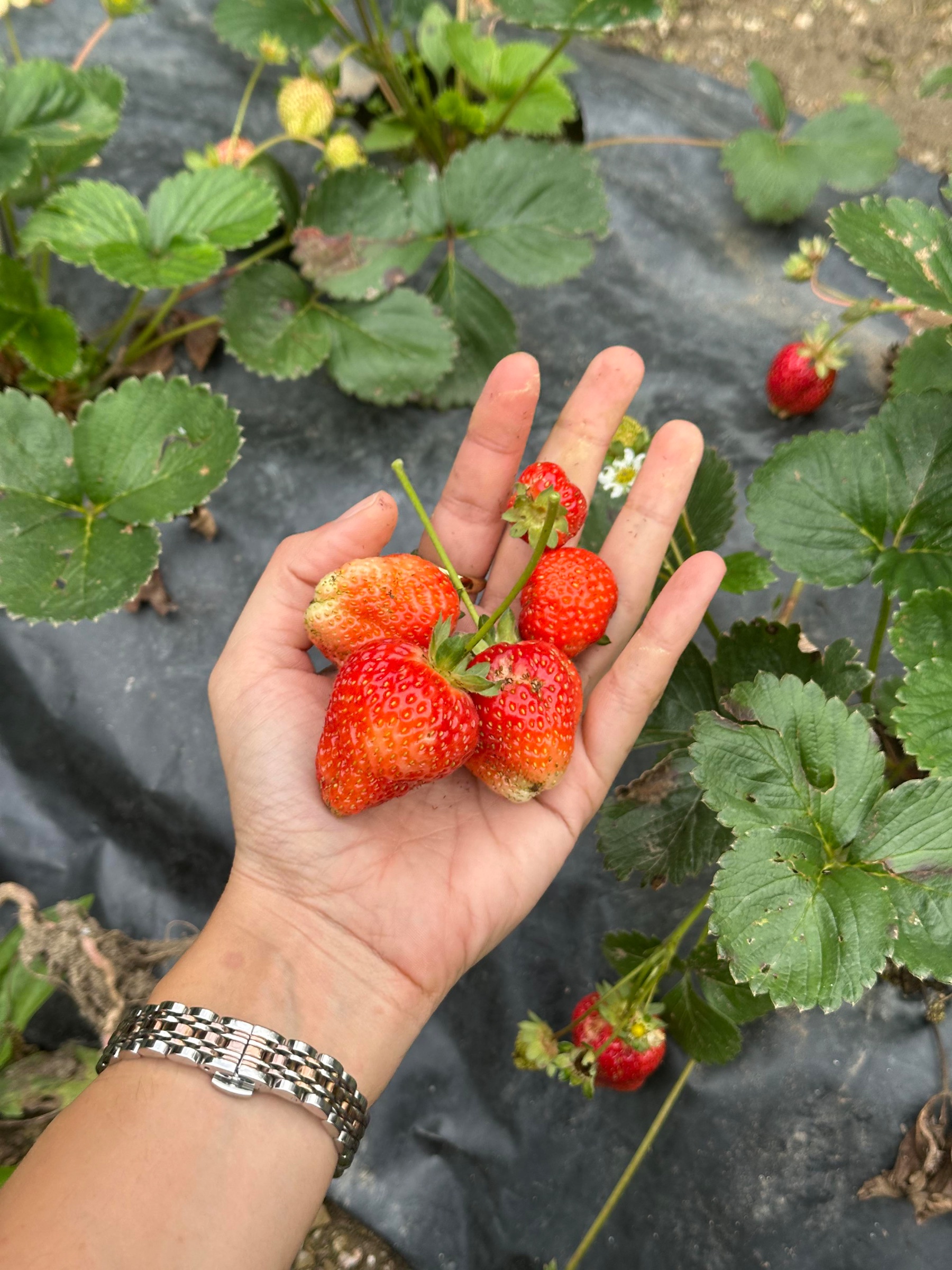
When we reach Yıldız Farm in the village of Hasanağa, Şengül Hanım and her daughter Nurhayat welcome us. Presented as Daday’s first Slow Food-accredited farm, this is a place where production is part of the daily rhythm of family life. Şengül Hanım takes on much of the work herself, from sowing to harvest. She grows beans, tomatoes, cucumbers, strawberries, peppers, apples and quinces from heirloom seeds, and the farm also has geese, goats, cows and chickens.
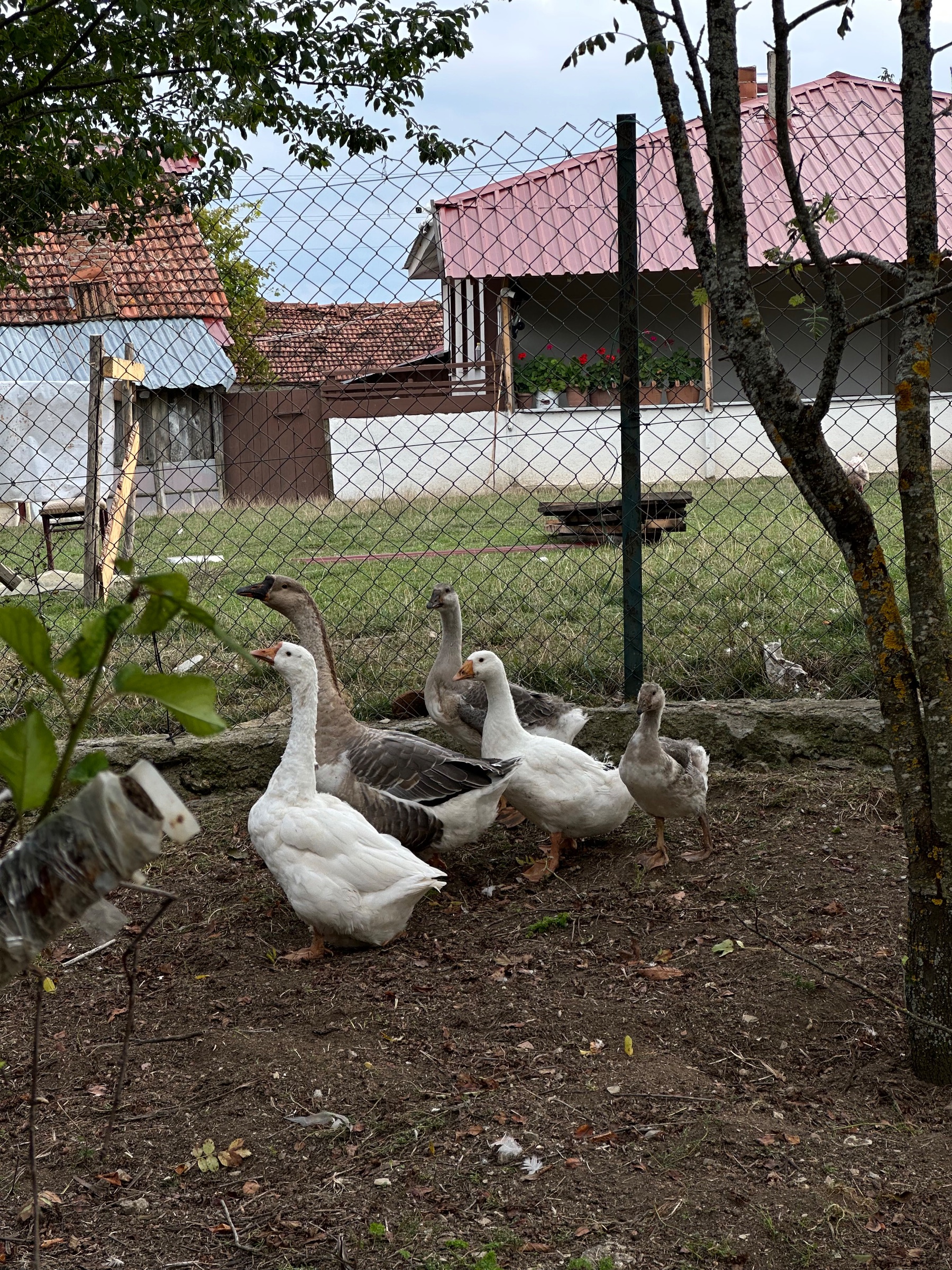
At Balabanağa Farm we had heard the story of young people leaving the village and production declining. At Yıldız Farm we find a different way of life. The family never left the village: they meet a large part of their food needs from their own produce and sell the surplus. When they want to eat meat, they can slaughter a goat and cook it in a pit. Talking about this way of life, Şengül Hanım says she could not live any other way.
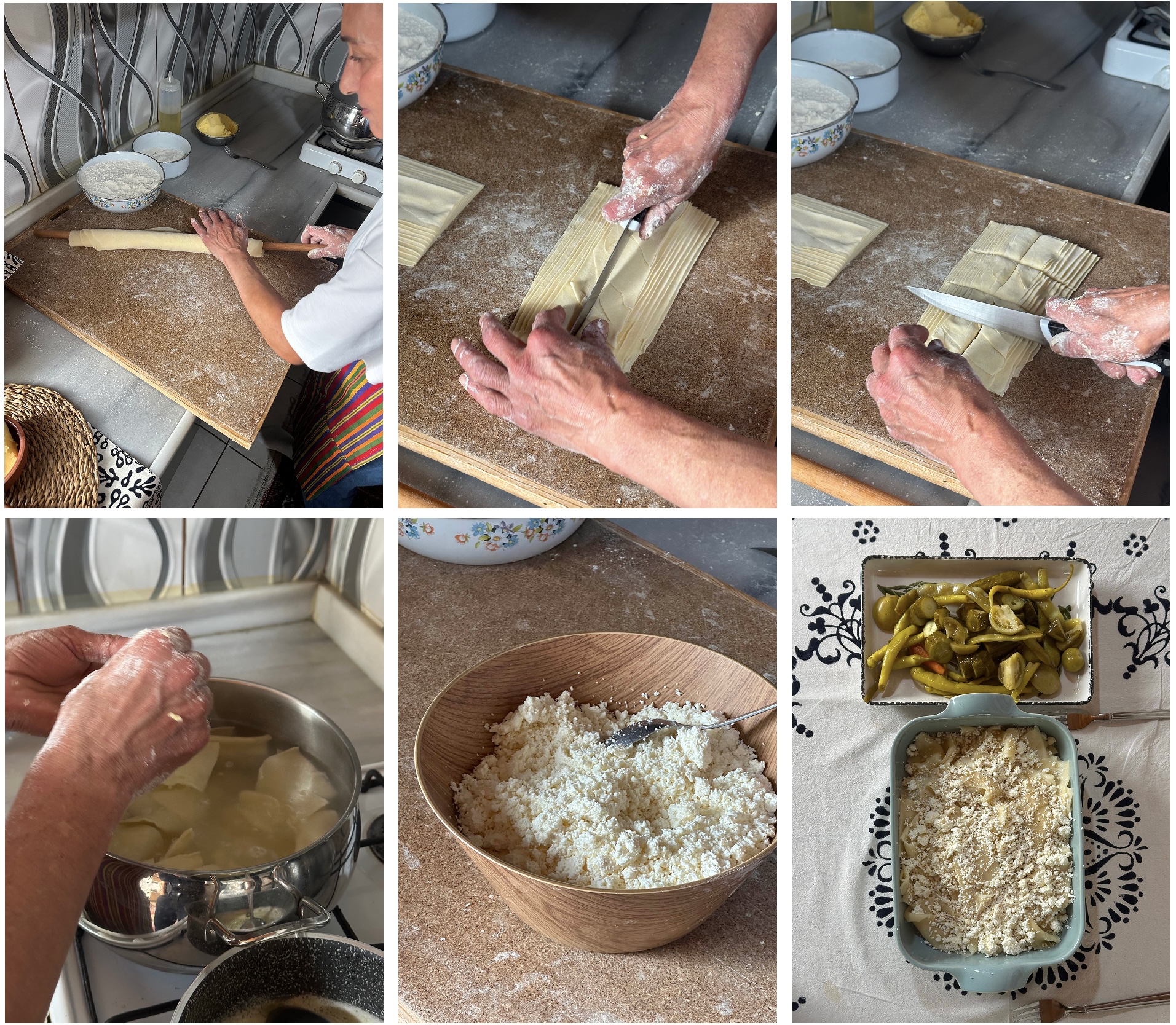
We go into the house for lunch. In the kitchen Şengül Hanım is making haluşka and köle hamuru. For haluşka, a dough of flour, water, salt and egg is cut into squares, boiled, then layered with cabadibi cheese and sizzling butter. Cabadibi is a kind of curd cheese made in the region. For köle hamuru, flour and water are cooked with butter while being stirred constantly, then shaped into small morsels with the tip of a spoon. Pekmez (fruit molasses) thinned with melted butter is poured over the top.
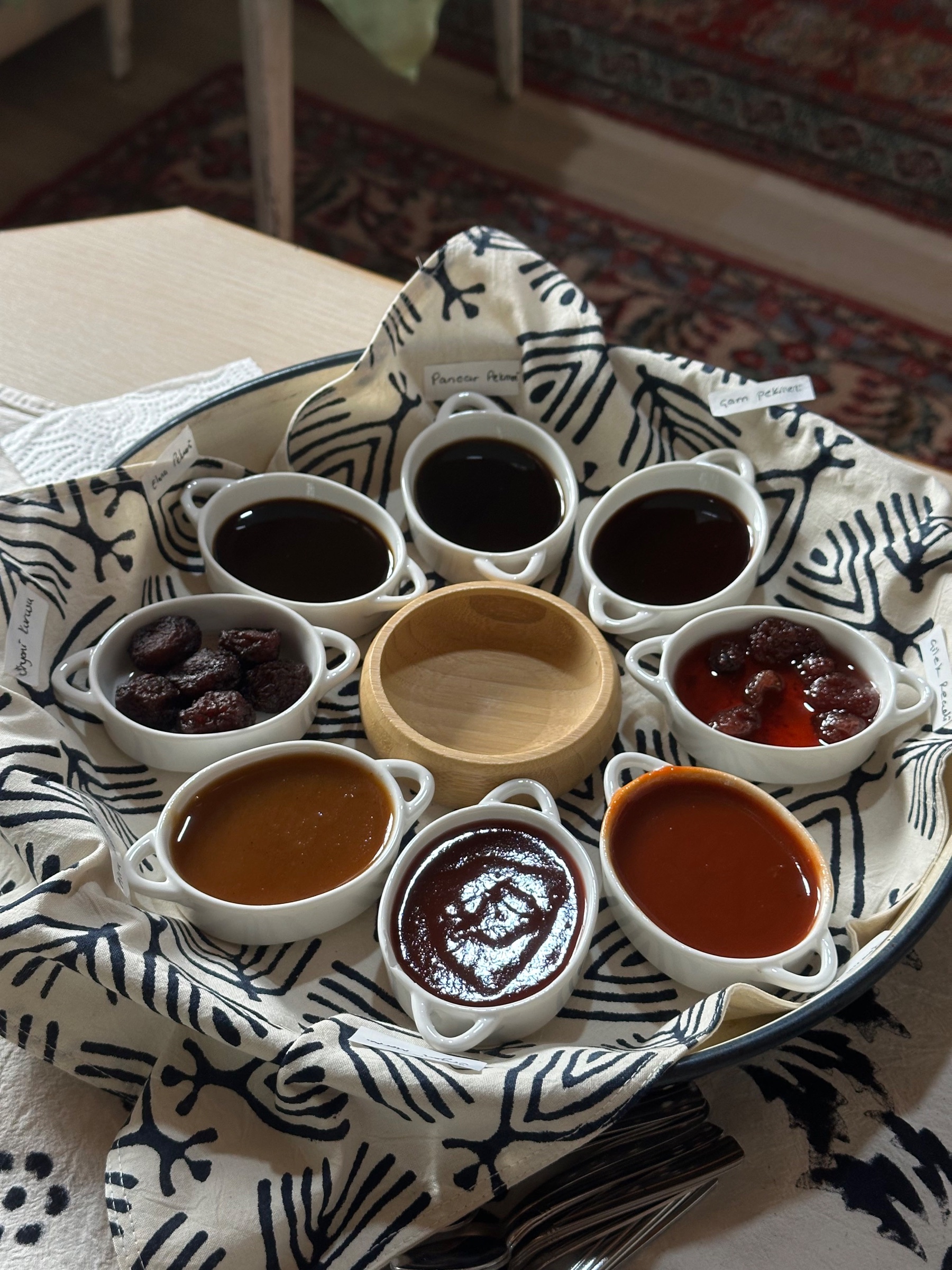
At the table we also taste things made and preserved on the farm: pine pekmez, beet pekmez, apple pekmez, dried Üryani plums, hawthorn marmalade, strawberry jam… Each comes from a different season; what is made in summer or autumn is kept for the winter.
In the middle of production at İksirli Çiftlik
The last stop of the trip is İksirli Çiftlik, the farm run by Ece and her family. Its story begins when Ece’s mother, İksir Aydın, retired from teaching and decided to invest in Daday. The family bought and restored a mansion dating from 1926, and İksirli Çiftlik opened in 2010.
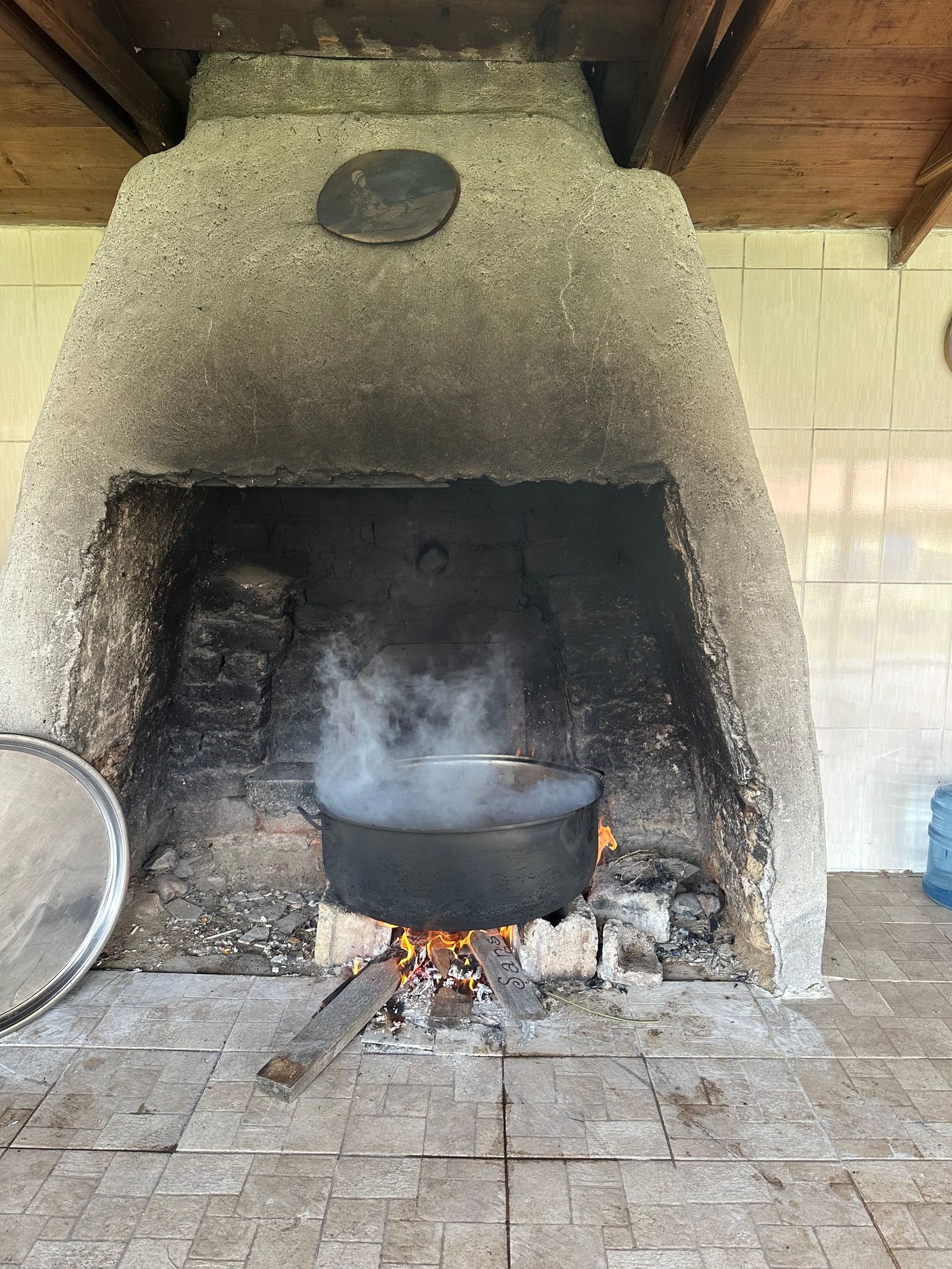
As we step into the garden, we land right in the middle of the work. Women are cracking ahlat with wooden mallets. In one corner Üryani plums are drying on pine boards; on the other two sides cauldrons are boiling over wood fires. In a room indoors, tarhana (a dried, fermented soup base) made with ingredients ranging from nettle to black elder is spread out to dry.
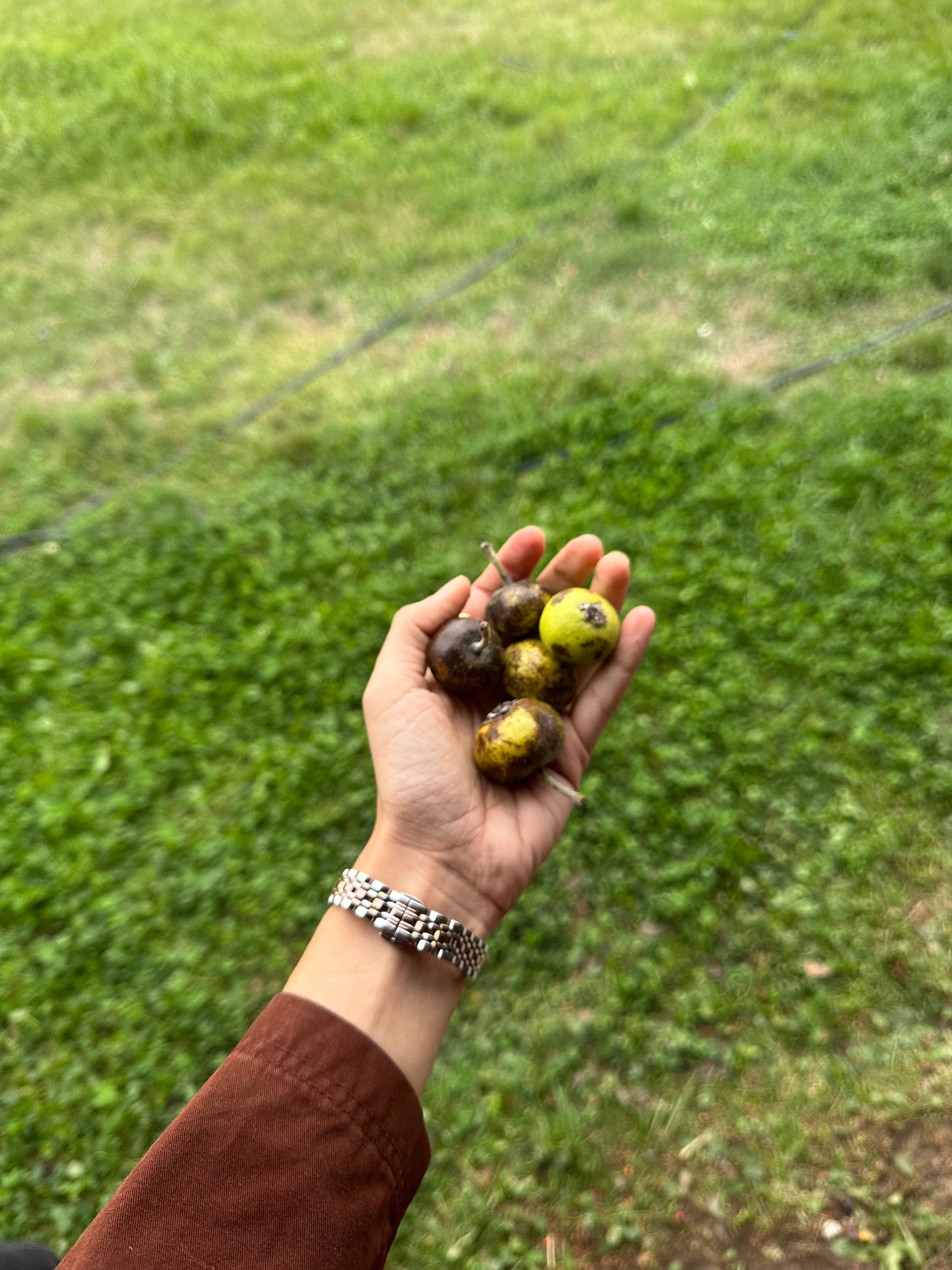
The question of product variety that Ece and I had talked about earlier becomes concrete on the farm. At İksirli Çiftlik, production is not based on a fixed list of products set out at the start. Although making jams, vinegars, pickles and dried goods was part of the plan from the beginning, which raw ingredient turns into which final product has been worked out over time through trial and error.
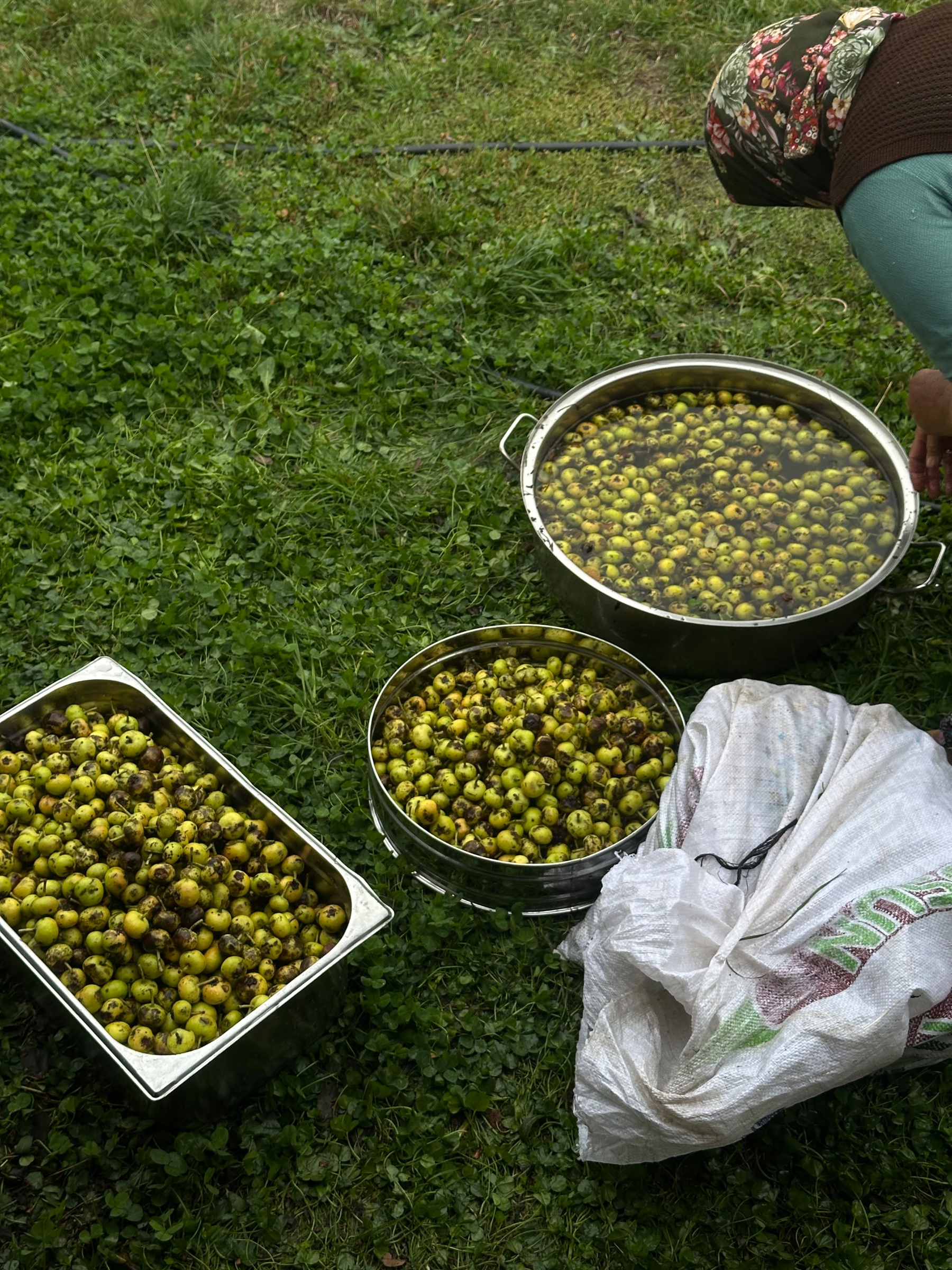
Another side of this approach is making new use of ingredients already found in the region. Elder, rose hips, Üryani plums, cornelian cherries (kiren), ahlat and wild mushrooms all have a place in the farm’s world of production. In years when fruit is plentiful, purées can be made and frozen, then later turned into products such as marmalade or pelverde, a set fruit paste. This way the harvest and the making of the final product can be separated in time.
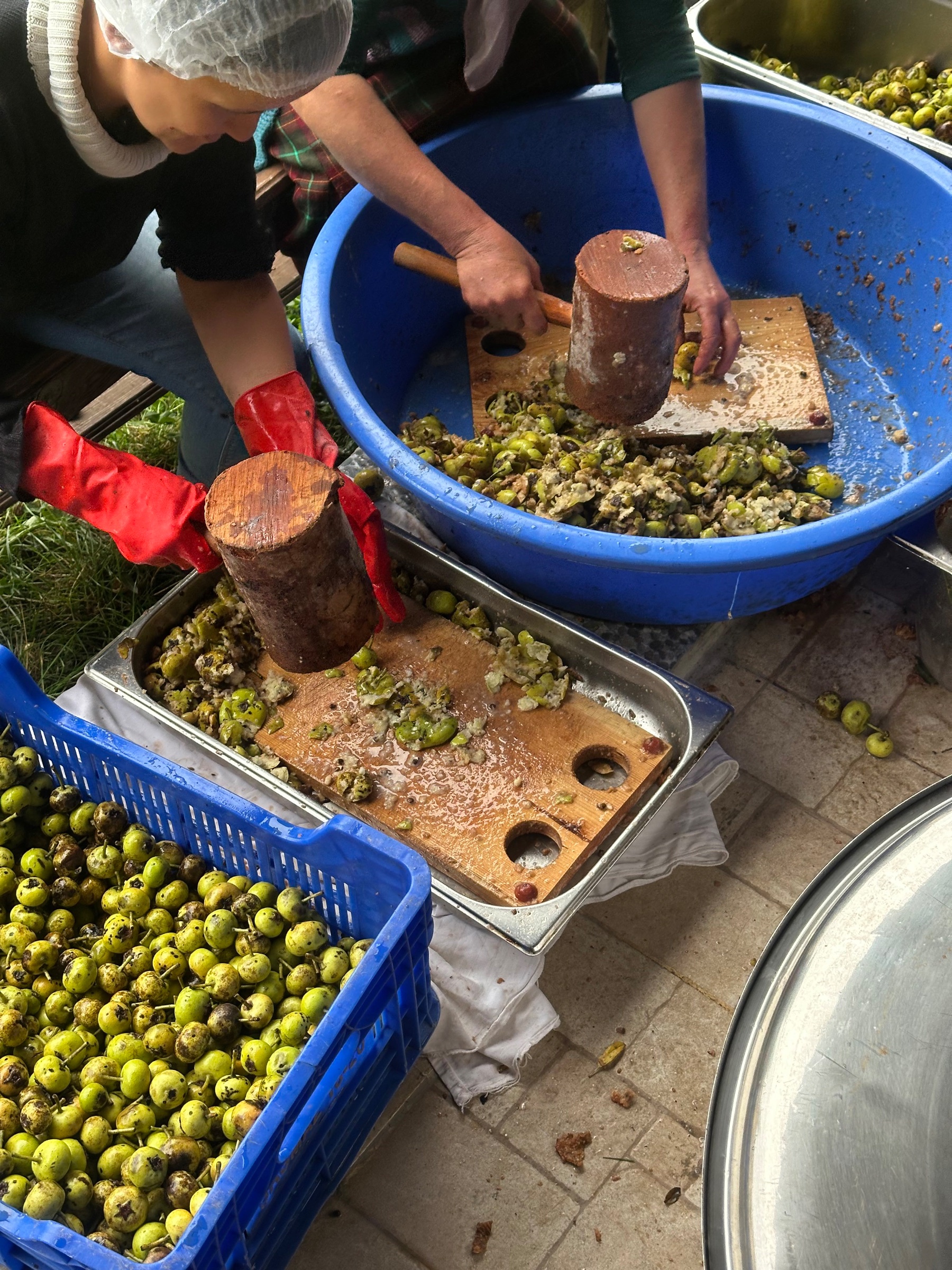
In spring, mushrooms such as morels and cincile, along with edible herbs and flowers, are gathered. In summer, vegetable growing is at its height. In late summer and autumn, forest fruit and mushrooms are used alongside the crops from the fields. When winter comes, work in the fields slows down; dried goods, pickles, jams, pekmez, grains and pulses become the mainstays of the kitchen.
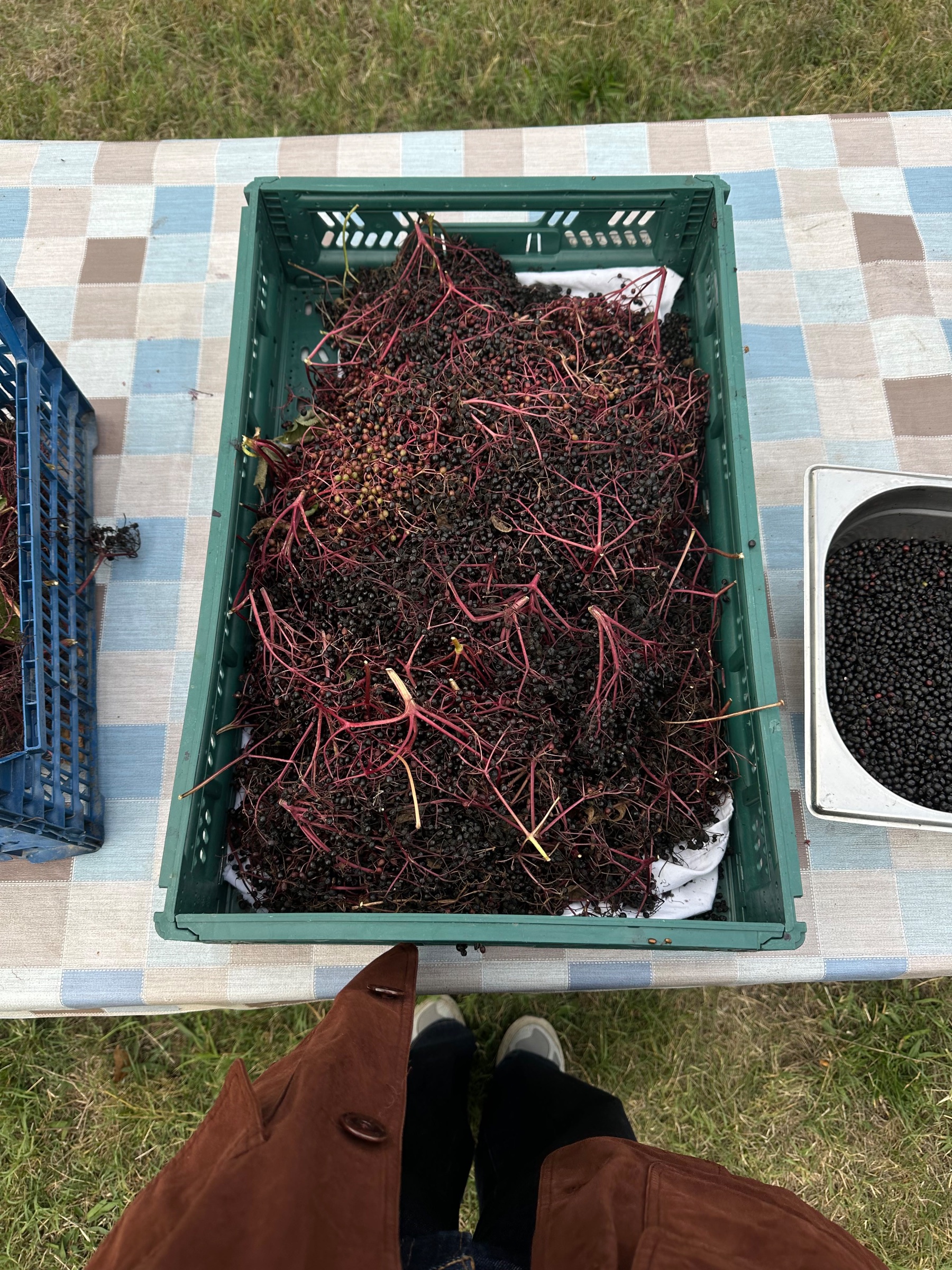
One of the things Ece stresses is the risk of this knowledge disappearing. In the past, people who knew which apple should be stored in straw, when a particular herb should be picked or when a certain bean should be sown used that knowledge in everyday life. Today, while fridges and supermarkets make some needs easier to meet, they can also mean that experience of gathering and storing food is passed on less.
Rather than finding new products, İksirli Çiftlik’s approach starts with getting to know again products that already exist in the landscape but are not valued enough. To do this, the farm considers not only yield in the field but also a product’s aroma, hardiness, keeping qualities, how it is processed and how many different ways it can be used in the kitchen. A product that looks good on paper may not do the same in the field; and processing a crop that succeeds in the field may not be sustainable in terms of time, equipment and labour.
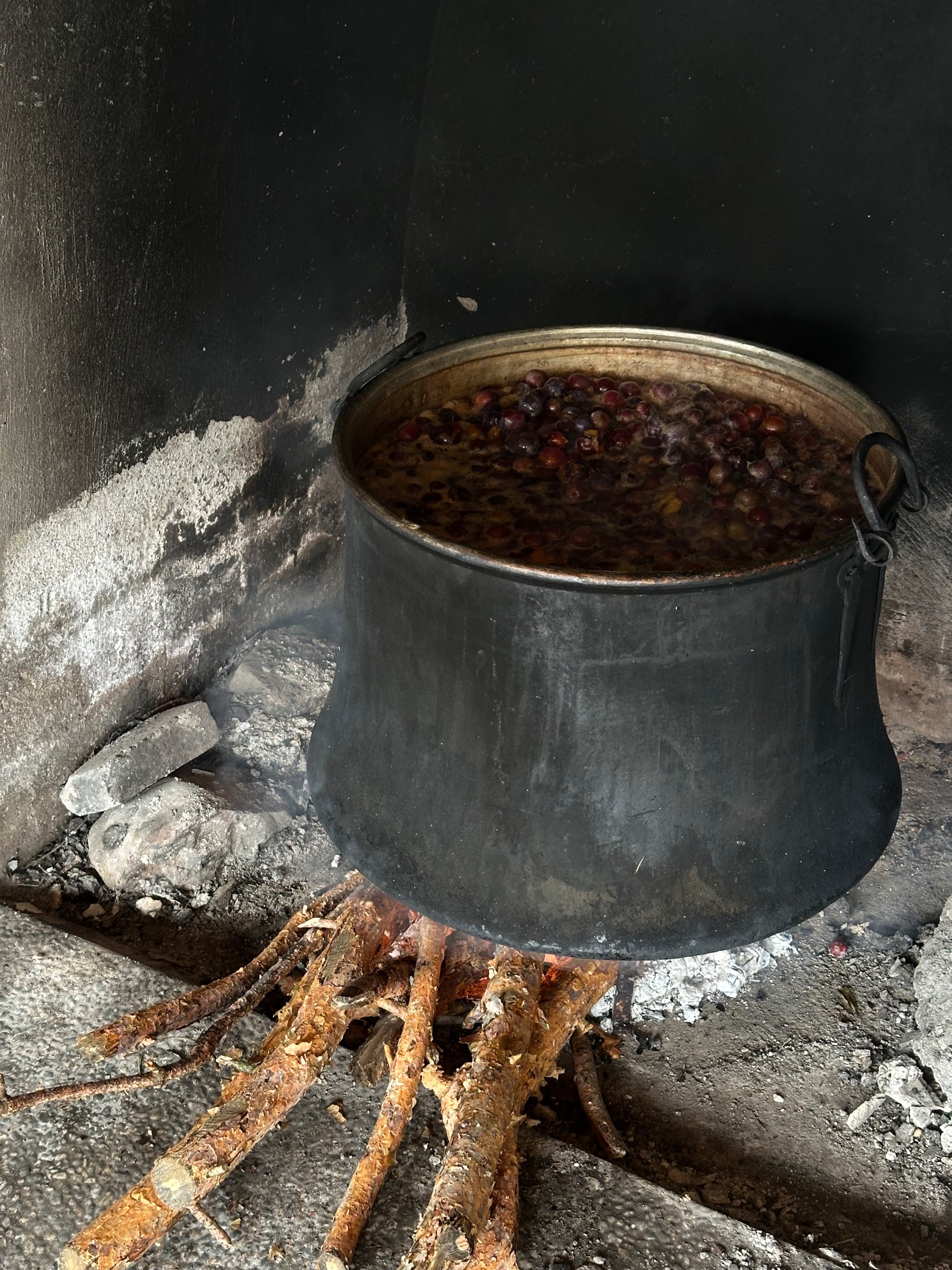
“Here, getting ready for winter is still part of keeping life going,” says Ece. In the city, preparing for winter is often seen as a nostalgic pastime; here, thinking and planning months ahead is one of the foundations of production.
The future of production
Explaining the importance of local seeds, Ece points out that every seed has a history of adapting over centuries to a particular climate and soil. With climate change, resilience is one of the issues facing farming. Protecting a diversity that has adapted to different landscapes could give growers more options in the future.
The growing interest in the region’s food has a part to play here too. According to Ece, food tourism should not be thought of only as eating in restaurants. Seeing the field, meeting the farmer and learning how a product is grown or processed can also be part of the experience. When that kind of connection is made, the economic benefit can spread beyond restaurants to farmers, small producers, guesthouses and local shopkeepers.
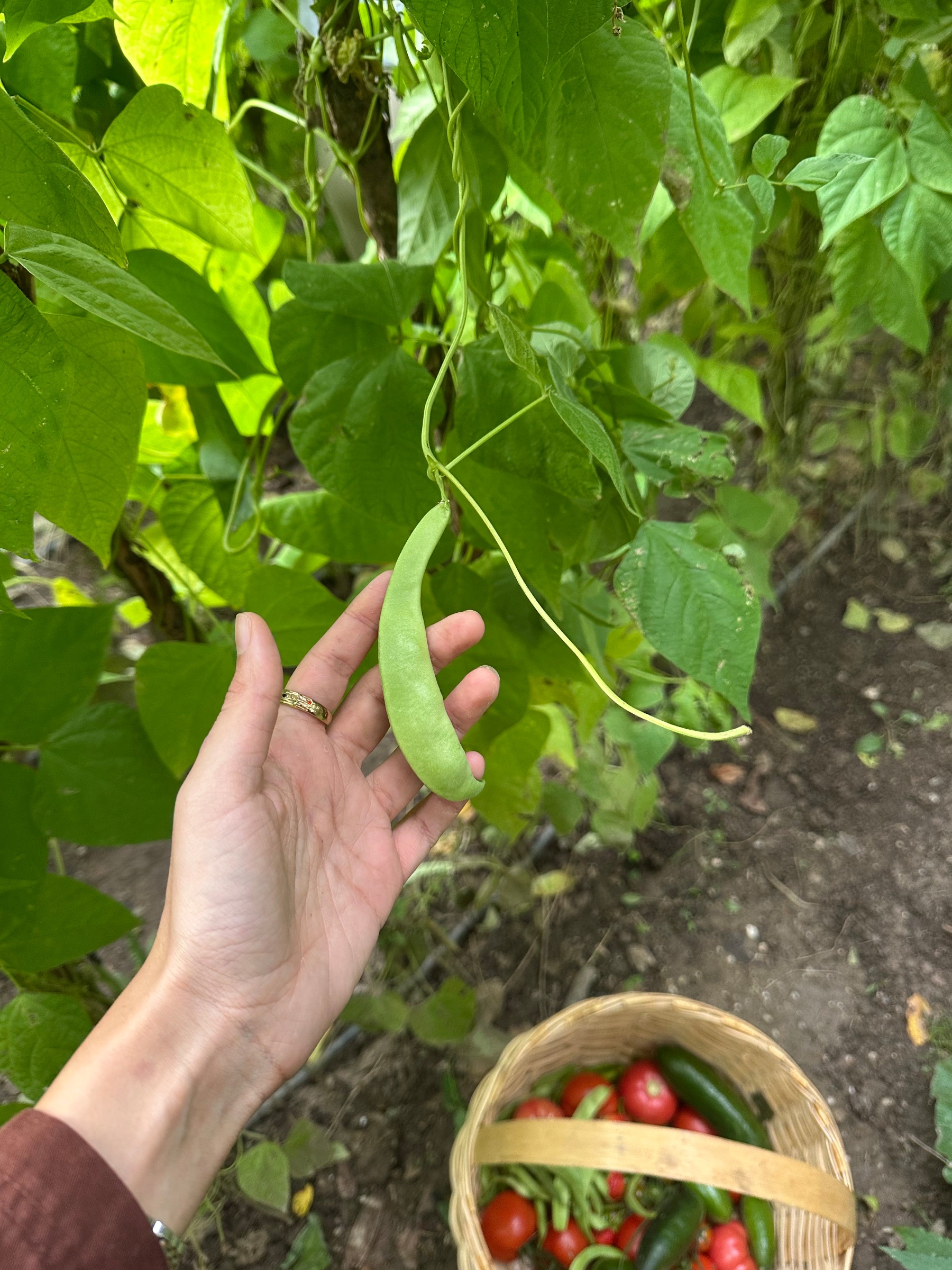
Ece’s hope for the future of İksirli Çiftlik is linked to this: that it becomes a place where more people can see production and experience the land and the seasons. She wants to tell people not only what we eat, but where what we eat comes from.
At the end of my two days in Daday I will of course remember the fat-soaked bread of Kastamonu döner, the sourness of karaçorba, the butter of haluşka and the bitterness of pine pekmez. But I cannot help thinking that behind each of these flavours are people who know the produce and know how to make the most of it.
The apples waiting to be picked at Balabanağa Farm, the table of a family still producing at Yıldız Farm and the fruit drying at İksirli Çiftlik offer different answers to the question raised at the start: what does it take for production to continue in a place? Land alone is not enough. You need to know the produce, put work into it, have the knowledge to make use of it, and be able to earn a return on that work. Two days are not enough to fully understand Daday’s culture of production, but they can give a good sense of where to begin when thinking about its future.