Kim Eui-kyung’s Merhaba Bebek, a story of wanting a child
Fertility rates are falling across the world. Women no longer want children as much as they once did, or for various reasons cannot have them. East Asian countries, South Korea above all, have the lowest fertility rates in the world. So why? Why do women no longer want to become mothers? In her new book, Merhaba Bebek (Hello Baby), the South Korean author Kim Eui-kyung, whose first two books earned her numerous awards, tells of women’s struggle to have children and of the lives that change along the way.
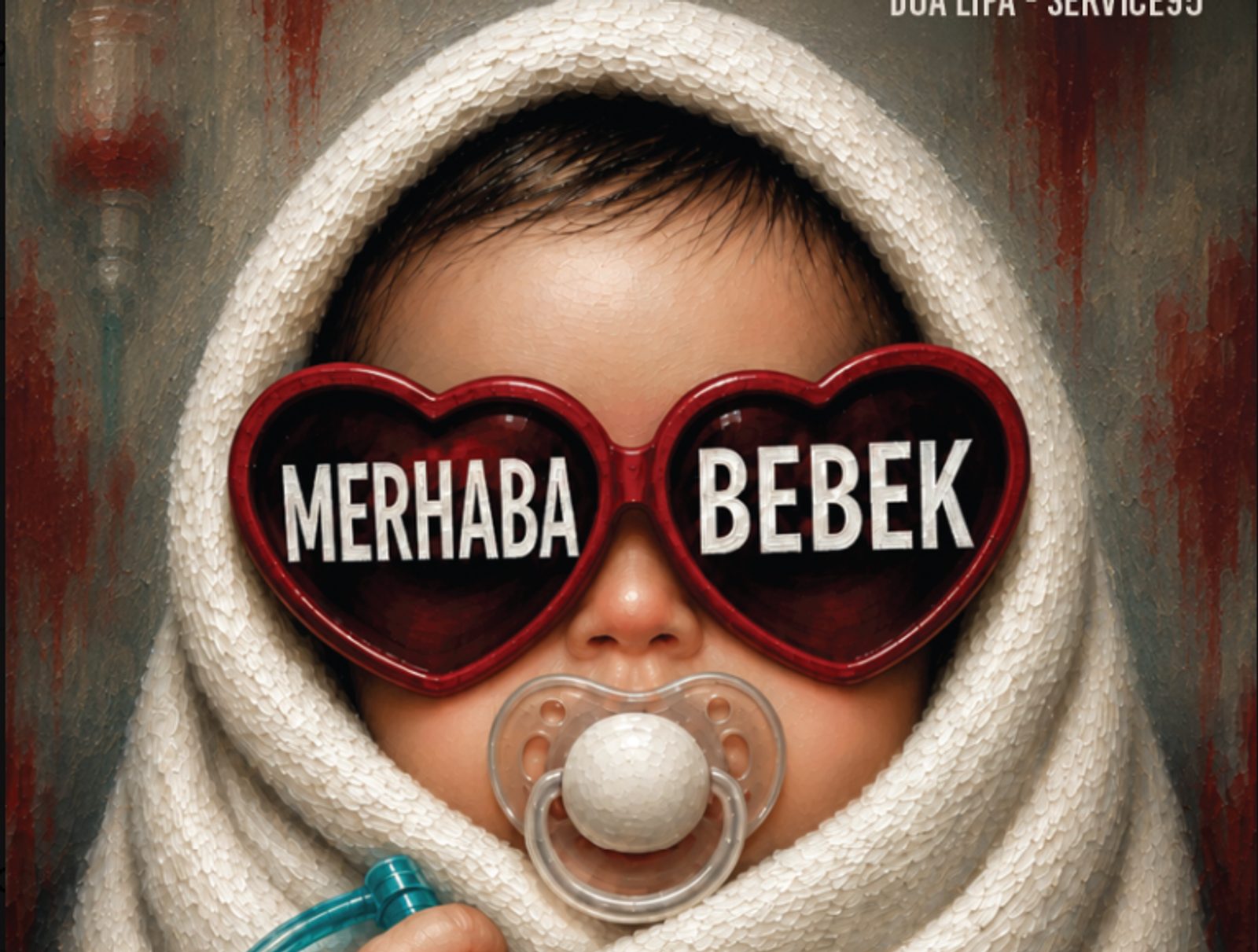
Fertility rates are falling across the world. Women no longer want children as much as they once did, or for various reasons cannot have them. East Asian countries, South Korea above all, have the lowest fertility rates in the world. So why? Why do women no longer want to become mothers? Why can they not become mothers? And why can we not talk about this openly? Why can we not read, in books, the stories of women who cannot become mothers, who become mothers and find no support, who are never “enough” whatever they do? Having won numerous awards for her first two books, South Korean author Kim Eui-kyung, in her new book Merhaba Bebek (Hello Baby), tells of women’s struggle to have children and of the lives that change along the way.
“Merhaba Bebek” is a WhatsApp group set up by women who want to become mothers. One is a lawyer working in one of the huge office towers in the heart of the city, another a housewife who comes from a village nobody has heard of and tries to travel to the capital by train every week. What brings these women from such different stories together is the desire to have a child. Of course, though for different reasons, the process is not easy for any of them. Having turned to IVF because they cannot conceive naturally, the women meet in person now and then, chat for hours in the group every day and support one another. It is true female solidarity.
Without filters and without fear of being judged, they share everything that plays on their minds and troubles them. Then one woman in the group, Conghyo, disappears for a long time. She does not answer messages or join the conversations. The other women, who know that IVF treatment is a long, gruelling process full of disappointments, do not press her. But months later, when Conghyo suddenly reappears with a baby in her arms, all hell breaks loose.
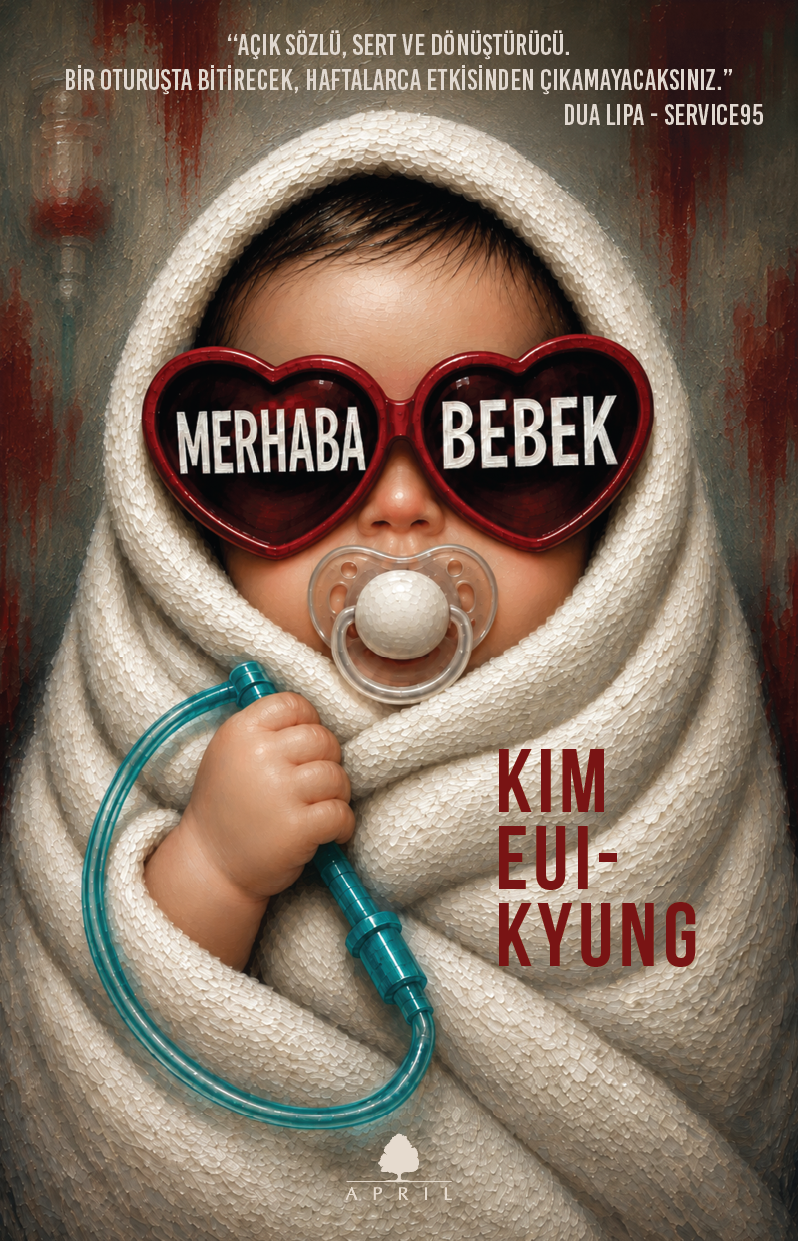
In each chapter of the book we are a guest in the home of another woman from the group. Indifferent husbands, overbearing families, stressful workplaces, expectations, wishes, accusations, neglect, and women suffocating inside, unable to make their voices heard. On a small scale and a large one, the woman whom society constantly expects to give birth somehow never receives the support she needs, and is entitled to, either while trying to become a mother or after the birth. While a woman’s worth is measured by her fertility, women who choose not to have children or who cannot become mothers are always made to feel “incomplete”. Nor is it always possible to make up for this “lack” by giving birth: the woman is held responsible even for the sex of the child.
The IVF process that forms the backdrop of the book was a subject unfamiliar to me. As far as I know, none of my close friends has been through it. Even if one had, I am not sure I would know. Especially after reading this book, I realise how little we talk about these things. Indeed, Muncong, one of the book’s main characters, only discovers how many people around her are having treatment to conceive once she herself begins IVF.
“One by one, acquaintances began to come forward, admitting they had had their babies through IVF. It was around then that she also learned that people around her who seemed to be childless double-income couples were undergoing IVF to get pregnant. And among them were women three or four years younger than Muncong.”
Because, as we know, women who become mothers by means other than the “natural” way are, sadly, frowned upon by society just as much as women who have no children. The expectations placed on women really are endless. The time before pregnancy and pregnancy itself, already hard enough, seem to be made harder still by people’s hands and tongues. In Merhaba Bebek, Eui-kyung takes the reader inside her characters’ minds and shows in detail that IVF treatment is not only about doctor’s appointments, hormone drugs and injections. Hoping all over again every month, waiting for results, being disappointed, feeling you have lost control of your own body, preparing for the next attempt after bad news with no time left to grieve…
All of this wears a woman down physically, mentally and emotionally to a degree we cannot imagine. And life does not stop during this time. Women are expected to keep going to work, cooking and looking good as if nothing had happened.
One of the things that made me think most in the book is that women are so often alone as they face all these difficulties. There are, of course, men who also want children and who support their wives through the process. Cıin’s husband, for instance, supports her by working double shifts, weekends included, after Cıin leaves her job to focus on treatment. He does all he can to have her treated at the best hospital. Though he cannot often visit her in hospital, he sends her the fruit she loves and tries to follow the whole process closely. But not every woman, among the other characters and of course in real life, is as lucky as Cıin. What most of them give of their bodies, their time and their lives in order to have a child is overlooked by their husbands and even by their own mothers. Sadly, women’s wellbeing and health are once again left to the mercy and conscience of others.
I do not know how many pages slipped past me while I was thinking about all this, but when, at the end of the book, I learned the story of the baby in Conghyo’s arms, I could not be angry with her or blame her. I truly tried to understand her with all my heart. Thinking of her fears, her disappointments, her worries, her shame and every moment she felt alone, I wanted to hold her tight, whatever happened, whatever she had done. Because at the end of the day, it was not only her own feelings and reasoning that brought her to this point and led her to this decision. There were the things she was made to feel, and just as much the things she was deprived of. What shamed her was her husband, her mother-in-law, even her grandmother. It was her boss at work, the condescending looks of the colleagues she had coffee with every day. It was the thoughtless, insensitive remarks of the nurses at the hospital she had visited in desperation for years.
Merhaba Bebek is a book we should all read, whether or not we wish to have children. Considering that its rights have already been sold to the Netherlands, Germany and many other European countries, and of course that it has been published in Türkiye too, this story is not only about South Korea or about women undergoing IVF. Wherever we are in the world, it is about how alike we are, about feeling the same loneliness in different ways.