Atta Festival: a ten-year dream that widens children’s worlds
Inspired by the magic of the plays he watched as a child, Hakan Silahsızoğlu followed a dream and founded Atta Festival in 2016. Today Türkiye’s first and only international arts festival for babies and children is celebrating its 10th year. Silahsızoğlu’s dream now is far bigger: that every child, wherever they live in Türkiye, can encounter high-quality art. We heard the festival’s story from Silahsızoğlu himself.
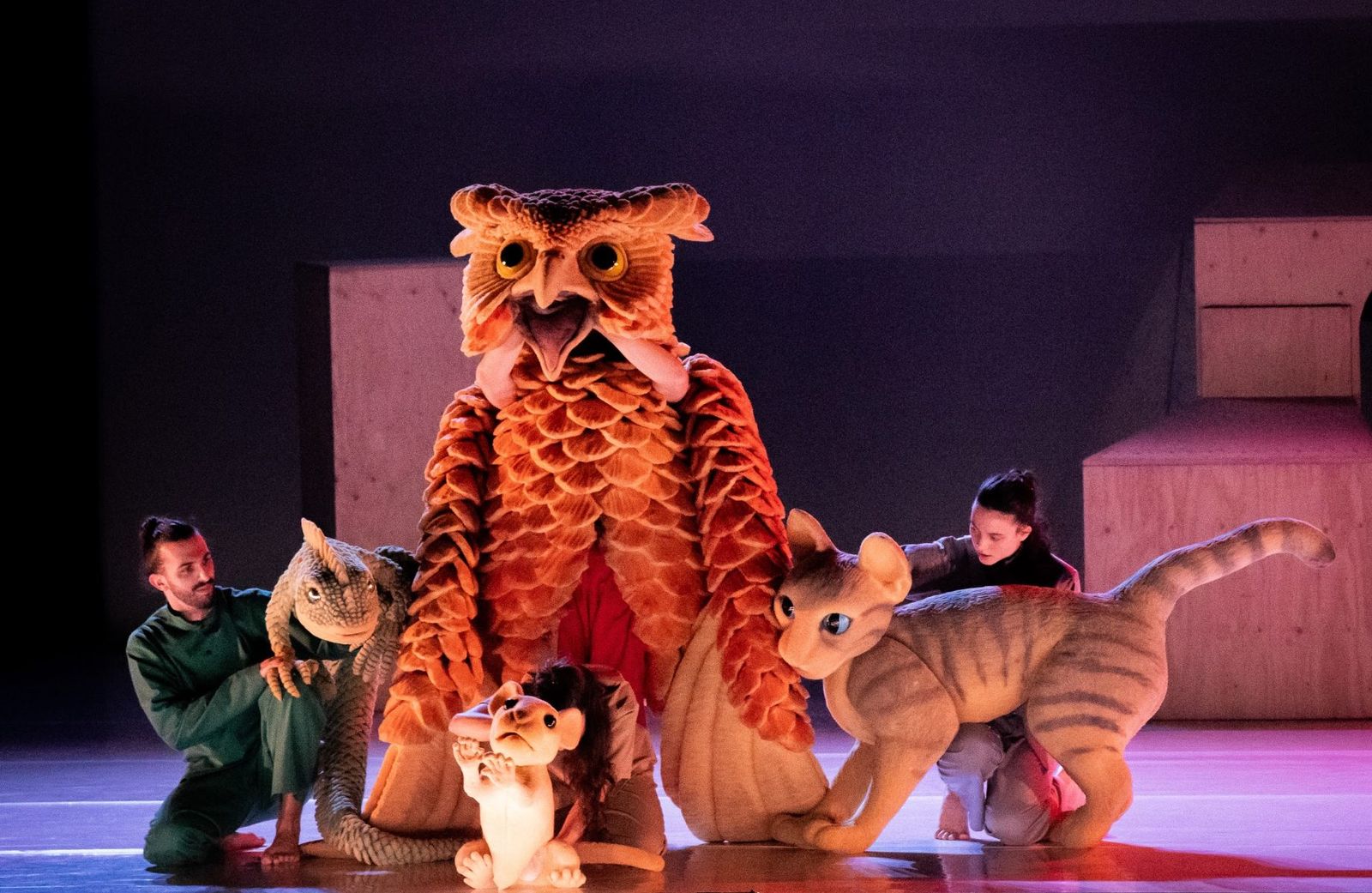
The magic of the moment when a child first meets light, sound and movement on a stage is priceless. As I found in past years, sitting in the audience with my son, Atta Festival manages not only to entertain children but to widen their worlds by taking them truly seriously. A journey rooted in the belief that art can transform a person’s story became, 10 years ago, a festival that fundamentally changed children’s relationship with culture and the arts in Türkiye.
Celebrating its 10th year, Atta Festival does more than bring high-quality performances from around the world to Istanbul. By hosting children’s first experiences of theatre, it is also building a vast ecosystem of access and production. We spoke with founder and director Hakan Silahsızoğlu about the festival’s 10-year adventure, a programme chosen to surprise and empower children, and the dream of “art for every child”.
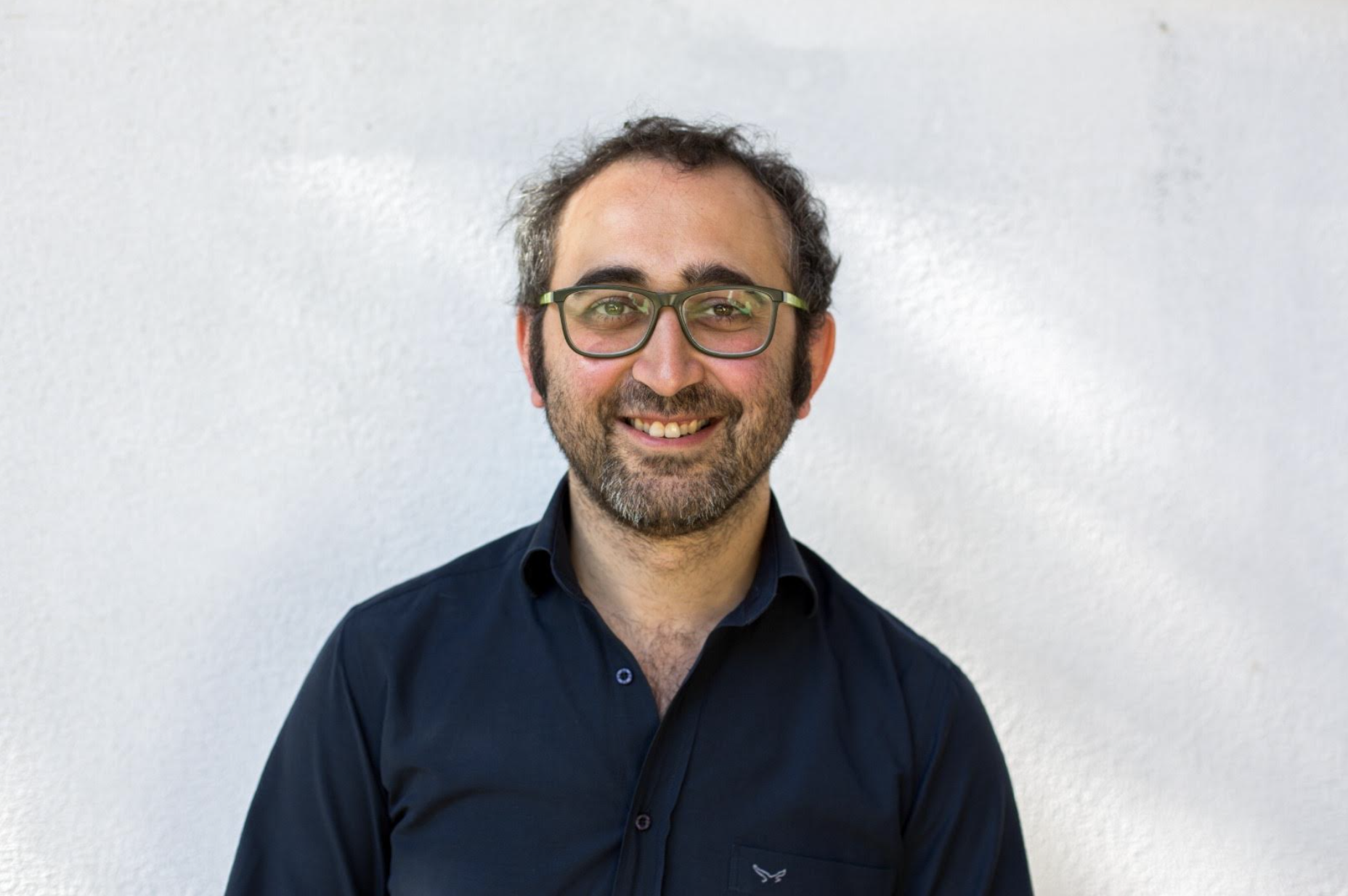
You trained as an actor in England. How did your dream of theatre begin? Will you share your story?
My dream of theatre began when, as a child, I noticed the magical world I encountered at the children’s plays I went to. Whenever I watched a play, I would gaze, spellbound, at the way the stage slipped between reality and imagination, and I always had the feeling inside: “I must be part of this world.” Over time this curiosity fed a professional passion. At university I joined the theatre group. I had actually gone to England to learn the language, but happy coincidences took me first to the Arcola Theatre in London and then to auditions.
Training as an actor at Bristol Old Vic Theatre School was the turning point of my life. It gave me a highly disciplined education and an international stage culture. After that I worked on many productions in England, Türkiye and other countries. Looking back today, one thing has always been at the centre of my story: “Art transforms a person’s story.” That is exactly how mine was transformed.
How did this transformation of yours evolve into doing something for children?
It was really a journey that began when I visited the Tweetakt Festival in the Netherlands in 2010. There I came across theatre and dance performances that took children truly seriously and presented subjects to them with quality and care. It was there that I first saw so clearly how powerful, creative and transformative the performing arts can be for children. In 2012 I took on the coordination of a mini Tweetakt Festival in Türkiye; we organised a tour of three different shows to Istanbul, Bursa, Eskişehir and Mardin. The feedback I received and what I saw on the ground during that time told me one thing: Türkiye truly needed good examples in this field. The need was enormous, but high-quality work that looked at the child seriously was almost non-existent. At that point a voice inside me said, “You, too, can take a step to grow this field.” That is how the first seed of Atta was planted.
And after that seed, what step did Atta Festival take?
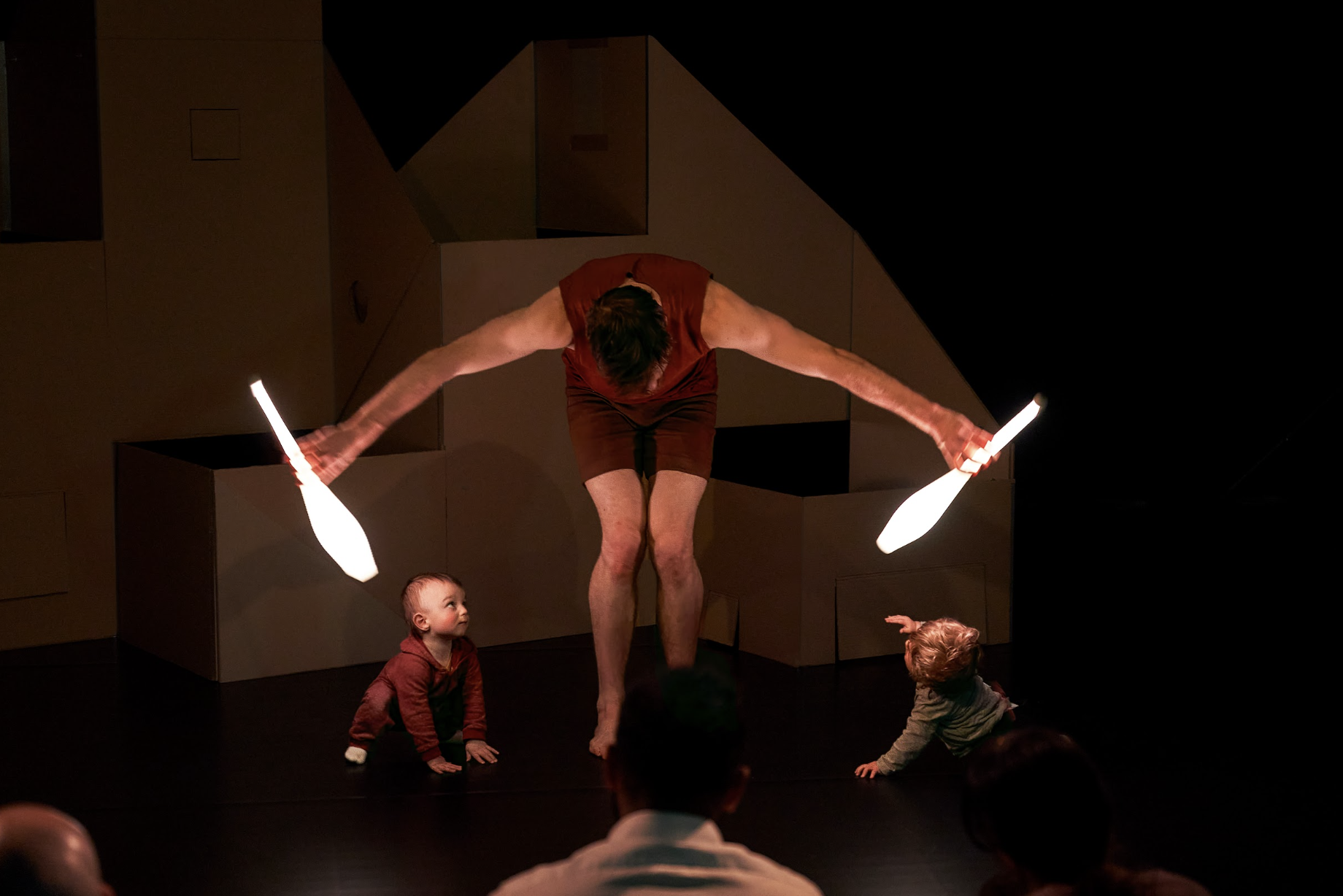
Atta Festival’s starting point was very clear: if a child in London, New York or Amsterdam can see high-quality work, so should a child in Istanbul. I wanted to create a space in Türkiye where children could encounter creative, high-quality, international art. In many parts of the world, theatre, dance and multidisciplinary work for children is an entirely natural practice, while in Türkiye this field was for many years limited in both visibility and resources. In 2016, after a year of preparation, I took the first step. Today we are celebrating our 10th year as Türkiye’s first and only international arts festival for babies and children. Atta is no longer just a festival; it is a year-round ecosystem of production, co-production, education and access. And bringing artists from all over the world together with children in Türkiye every year still excites me as much as it did on the first day.
Doing something for children may look like an advantage, but when art is involved things sometimes don’t go quite as imagined. What were the challenges of starting something new in a field like this?
The biggest challenge was that the importance of this field had not been sufficiently understood. For a long time children’s theatre was seen as a “light” or “secondary” field. Yet on the international stage, some of the most innovative work is being made in exactly this field. Finding sponsors and funding, explaining the quality of this field to venues, building trust with families, becoming visible in the press… All of this took time. Then there are the economic realities. Producing and bringing international work to Türkiye carries more risk with every passing year. But despite all the difficulties, as the impact of our work became visible, people came to know us. Over the past ten years we have reached tens of thousands of children in more than 20 cities.
The support of institutions that share our vision has also been invaluable on this journey. This year, with Allianz Türkiye’s support of the festival and the valued collaboration and contributions of Paribu Art, we are bringing more children together with high-quality art. Travelling alongside institutions that care about children’s access to culture and the arts makes us stronger. If Atta has a strong ecosystem today, it is the result of these struggles and collaborations.
Every year the festival is full of colour. What do you pay attention to when putting the programme together?
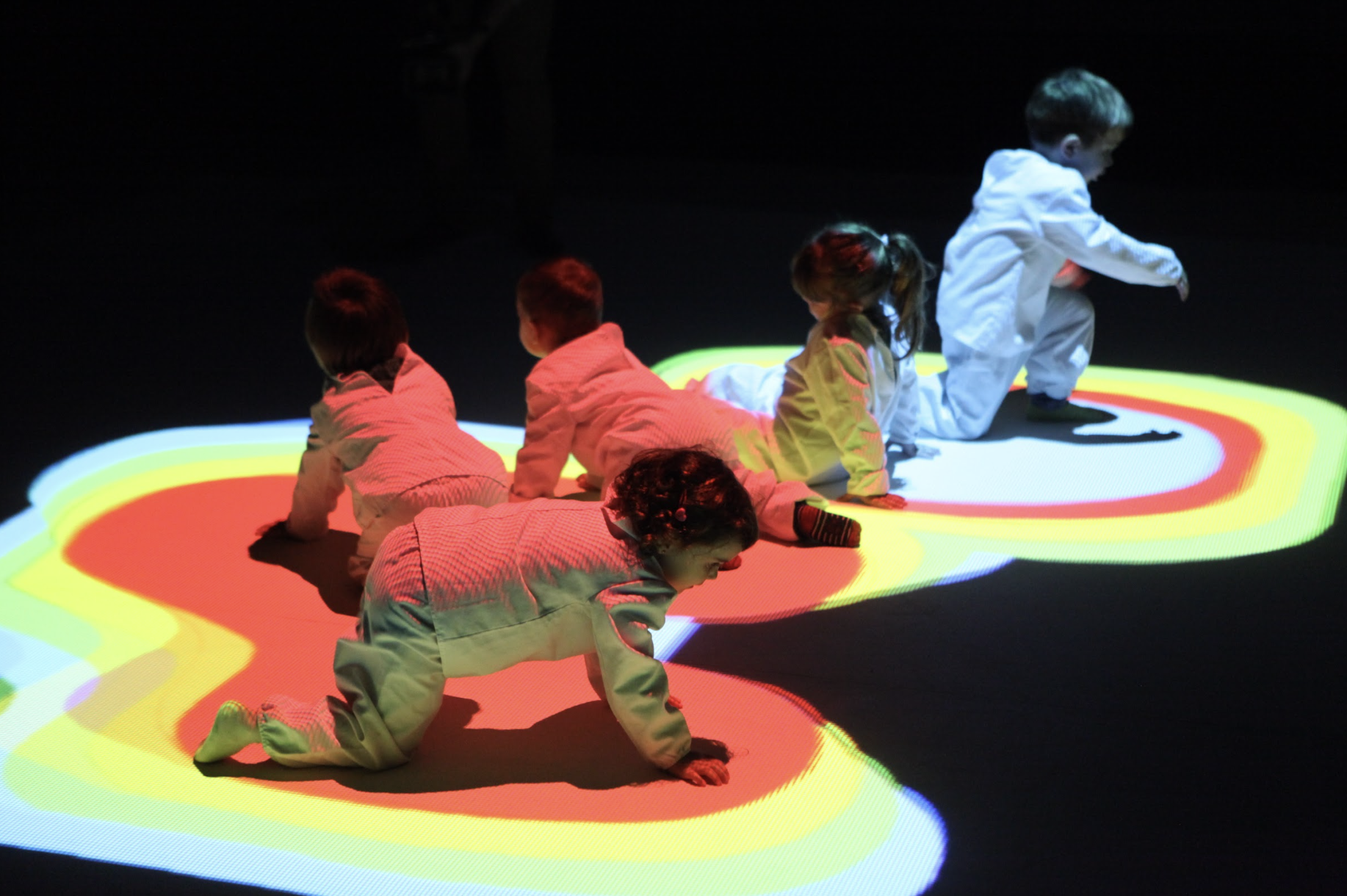
When putting the programme together, the most important thing for me is artistic quality. Children immediately sense the sincerity and quality of the work on stage, so every piece needs to offer them a creative world. Secondly, I care about the needs of each age group. At an early age the sensory experience comes first, while for older children I choose work that feeds their curiosity and stretches their imagination. Because Atta is an international festival, diversity is also one of the core criteria. By bringing together work from different countries and different aesthetic approaches, I want to give children a broad space for imagination. And of course inclusion… Performances suited to children with special needs, and settings where families can safely socialise together, are a natural part of the programme. In short, Atta’s programme takes shape around work that does children good, surprises them, empowers them and widens their worlds.
As someone who came to Atta Festival with my son in previous years and left happy, I noticed as an audience member that parents are very interested too. Clearly there is a need for this. What kind of feedback do you get from children and families?
Interest in Atta Festival grows every year. Families are now more aware of how important it is for their children to encounter artistic work of high quality that takes them truly seriously. Over ten years, an audience has formed that has grown up with Atta. It means a great deal to me that families who came to the festival with their babies in our early years now meet us again at the festival with their growing children.
I think the most beautiful sign of Atta’s growth is that families have made the festival a cultural tradition. There is now an audience that asks every year, “What’s on at Atta this year?” and waits eagerly for our programme. Hosting children’s first experiences of theatre, and being part of the relationship they will build with culture and the arts, places a very great responsibility on us. Our greatest wish is for this experience to be within reach of more children.
There are people who know how important it is for children to be surrounded by art, but what difference do you think exposure to art makes in children’s lives?
Art gives children three essential things: imagination, empathy and freedom of expression. When a child sees on stage that another world is possible, the possibilities in their own life expand too. And when they see their own world on stage, they realise they are not alone, that their feelings are shared. Watching together, laughing together, thinking together… All of this is invaluable for social and emotional development. Very often it becomes an unforgettable memory shared between child and adult. I believe that art, and the performing arts in particular, has the power to fundamentally change the way children understand the world.
What are your plans from here, and what excites you?
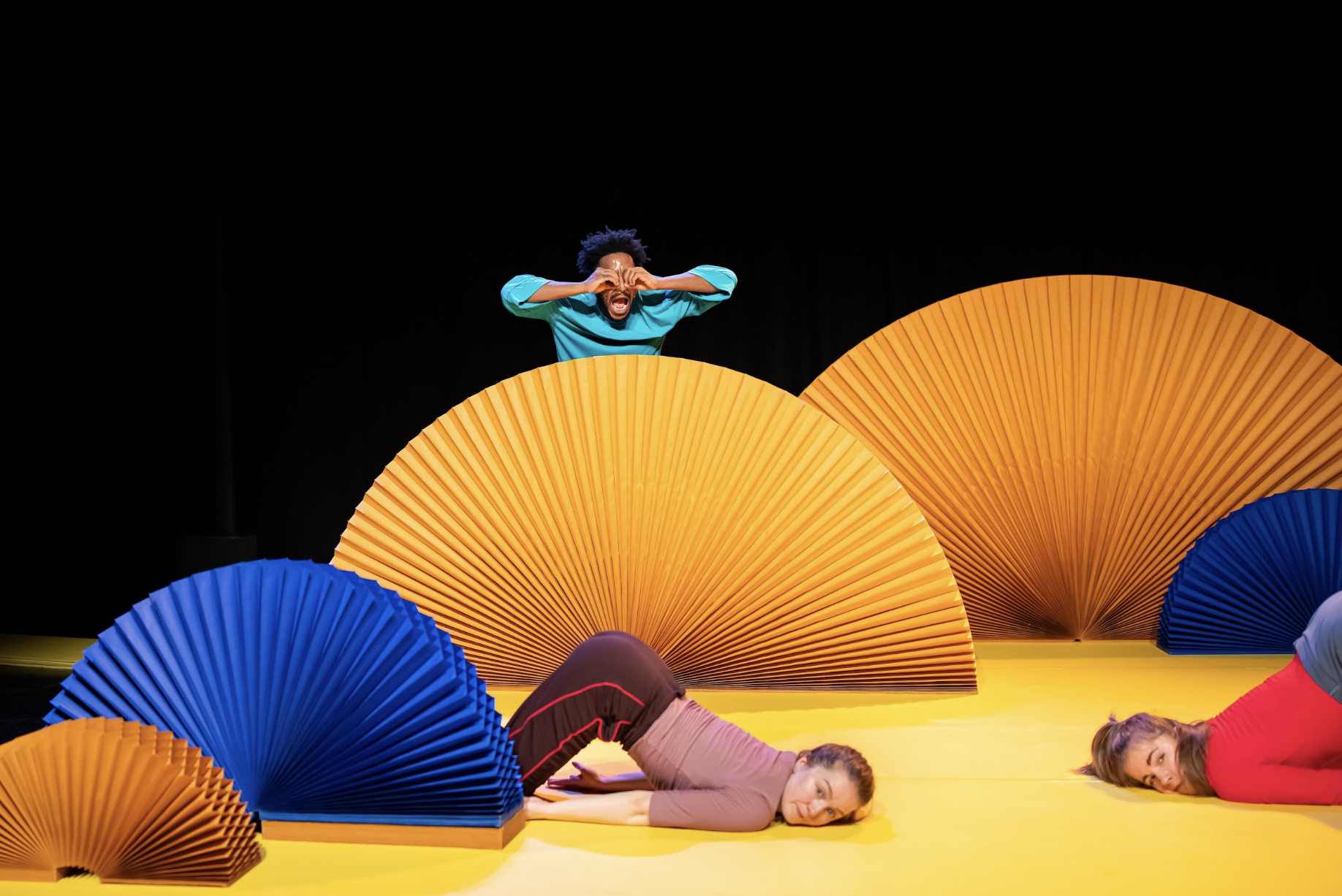
Celebrating Atta’s 10th year is both a great joy for me and a new beginning. This year, with an international festival programme focused on the Netherlands and Spain, we are bringing artists from different parts of the world together with children. Until 6 December we will be on both sides of Istanbul, at Arter, Barış Manço Kültür Merkezi, Caddebostan Kültür Merkezi, Craft Tiyatro, Hisar Okulları Kültür Merkezi, Paribu Art, Sahne KHas and Zorlu PSM. We are also hosting international festival and theatre programmers in Istanbul, with the aim of helping performances made for children in Türkiye reach the wider world.
One of the areas that particularly excites me is Engelsiz Atta (Barrier-free Atta). This year we are preparing a separate programme for children with special needs and their families. Rather than limiting our work in this area to the festival period, we want to give it a sustainable, year-round structure.
Ten years ago we set out from Istanbul with a dream. Today my greatest dream is for every child, wherever they live in Türkiye and whatever their circumstances or needs, to be able to encounter high-quality art. Because access to culture and the arts is not a privilege; it is every child’s right.