Imaginary events, fake views, decade-old ancient theatres: how fakery is on the rise in tourism
Franco Malosso, 69, who charged visitors up to 40 euros to enter a supposedly 2,000-year-old amphitheatre he had built from scratch in Italy, has been sentenced to 28 months in prison. Taking this extraordinary case as our starting point, we look at the non-existent tourist attractions spreading as a result of AI hallucinations.
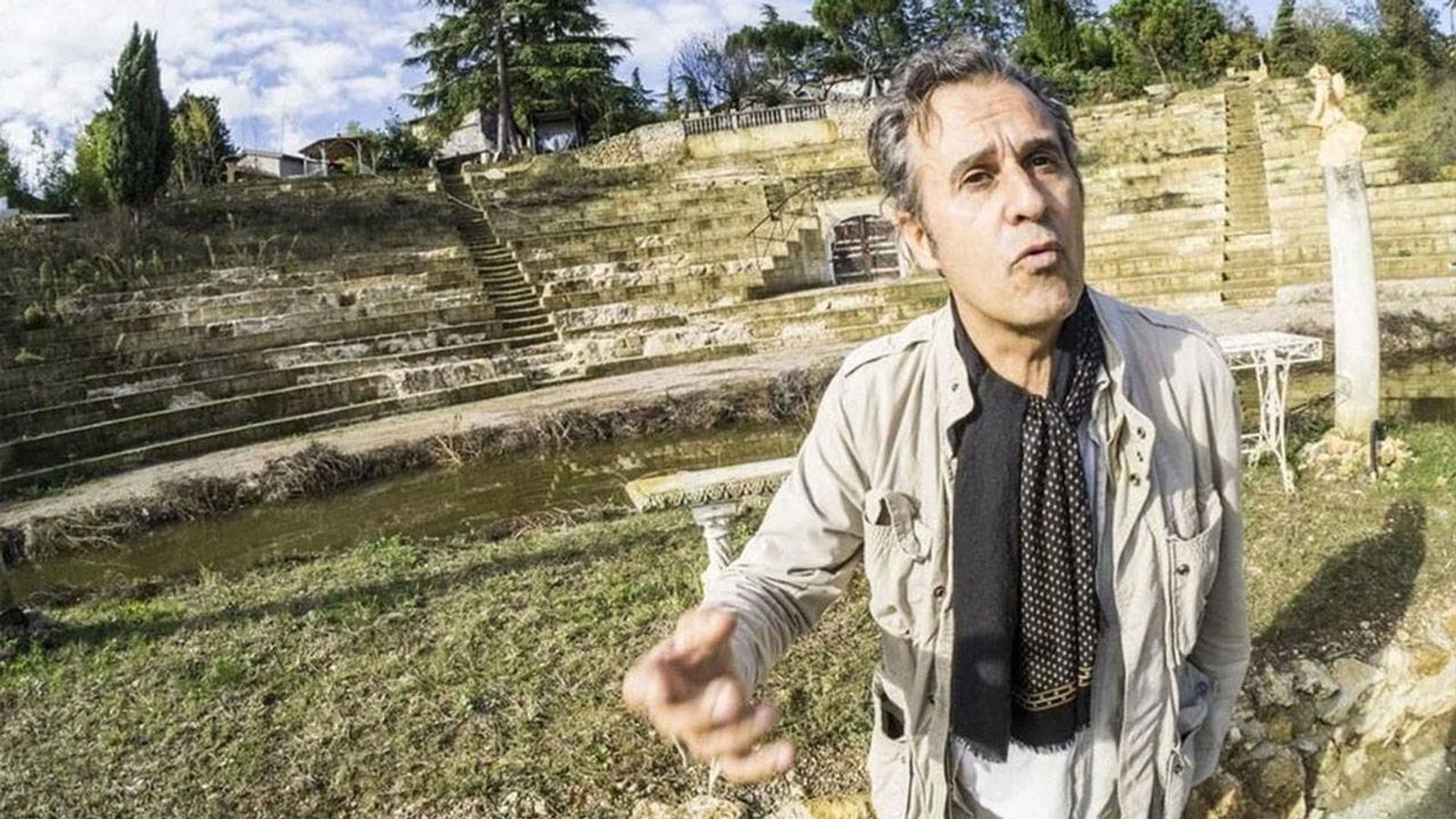
A mind-boggling case that had dragged on in Italy for ten years recently came to an end. Franco Malosso, 69, who presented himself as the owner, creator and discoverer of an “ancient” site of some five thousand square metres, was sentenced to 28 months in prison for forging works of art, carrying out unauthorised building work and damaging a protected natural area, and ordered to pay a fine of 3,000 euros and 3,500 euros in legal costs.
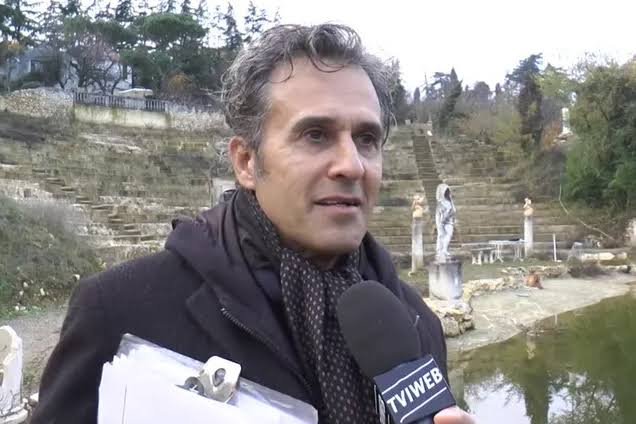
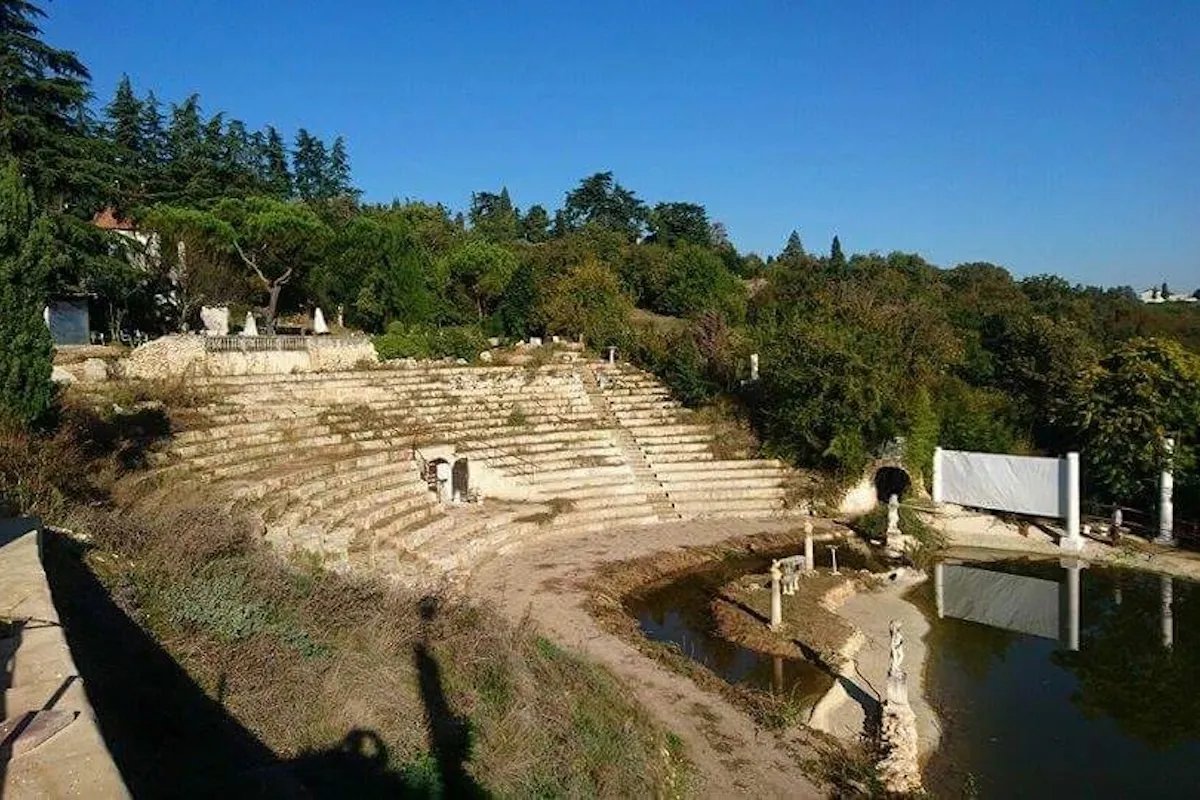
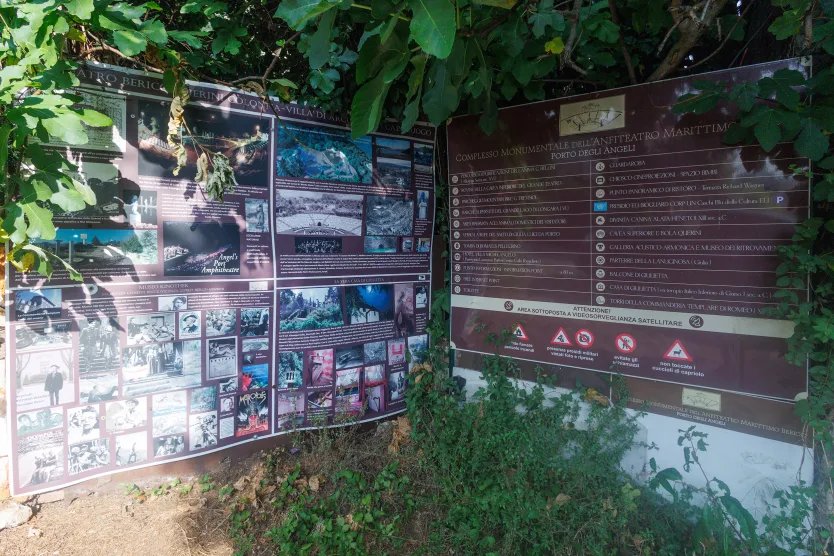
Near Arcugnano in the Veneto region of northern Italy, the supposedly 2,000-year-old amphitheatre, known variously as Anfiteatro Berico, Anfiteatro Marittimo Berico and Anfiteatro Porta degli Angeli, was not a Greek structure as Malosso claimed; it did not even date from Roman times. Besides, while Roman remains are common in northern Italy, the ancient Greeks founded colonies only further south.
Malosso charged visitors up to 40 euros to enter the “theatre” he had built from scratch, and organised concerts, performances and guided group tours there. Although exactly when it all began is unclear, documents submitted to the court show that Malosso started building the fake ancient theatre in the hills of Arcugnano, near the city of Vicenza, a few years before 2016.
He had tiered seating built on the site from stones stacked on top of one another and treated to give them an aged look. The cement columns, plaster statues and the artificial pool dug beneath the seating in the arena were, of course, fake too. A protected wooded hillside had been flattened to make room for the structure. One of the photographs on the site’s Facebook page shows a rather modern-looking male statue standing beside a column that is clearly made of plaster.
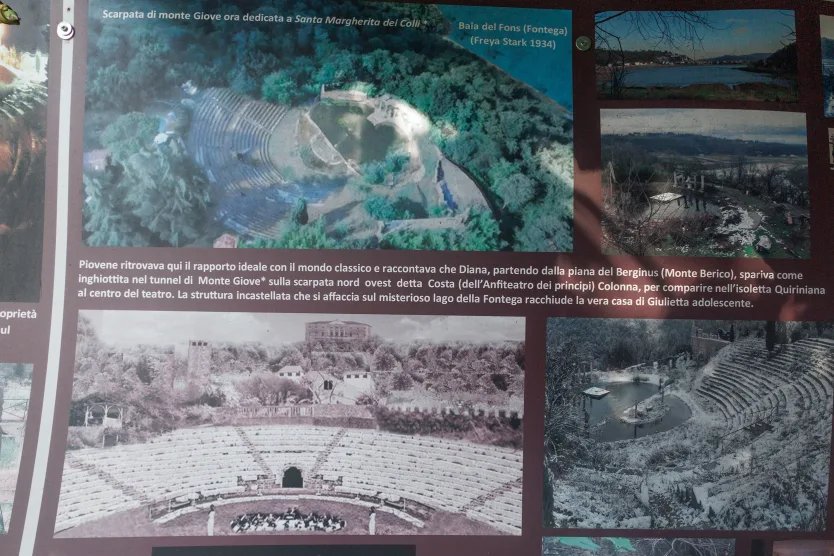
In 2016, experts working with the Vicenza public prosecutor’s office began both excavating the site and looking into its history. No remains of any historical value were found. The lower courts convicted Malosso of various offences, including unauthorised construction, forgery of works of art and unlicensed building work.
When the case reached the Supreme Court, Malosso’s lawyer, Marco Ellero, put forward several arguments to have the ruling overturned or reduced. He argued that the limitation periods for the building and environmental offences had expired, questioned whether the hillside really was a protected woodland area, and claimed that the fakes were too crudely made to fool anyone, that no one could possibly have mistaken the structure for a genuine archaeological ruin, and that the charge of deliberate deception should therefore be dismissed.
The court rejected these arguments. It ruled that such offences were ongoing crimes rather than violations that lapse with time, confirmed the site’s protected status and upheld both the conviction and the sentence. A later application for probation in place of prison was also refused.
Destinations and events invented by AI
Cases similar to the fraud Franco Malosso ran for years are also leaving travellers disappointed, as they trust content generated by AI hallucinations and set off in search of destinations and events that do not exist.
An article published, and later deleted, on the website of Tasmania Tours, a tour operator in Tasmania, featured hot springs called Weldborough Hot Springs as one of the seven best hot spring experiences of 2026. The place the company described as “a peaceful getaway” was in Weldborough, a former tin-mining village in the north-east of the island. But there were no hot springs, and no hot water, anywhere in the area.
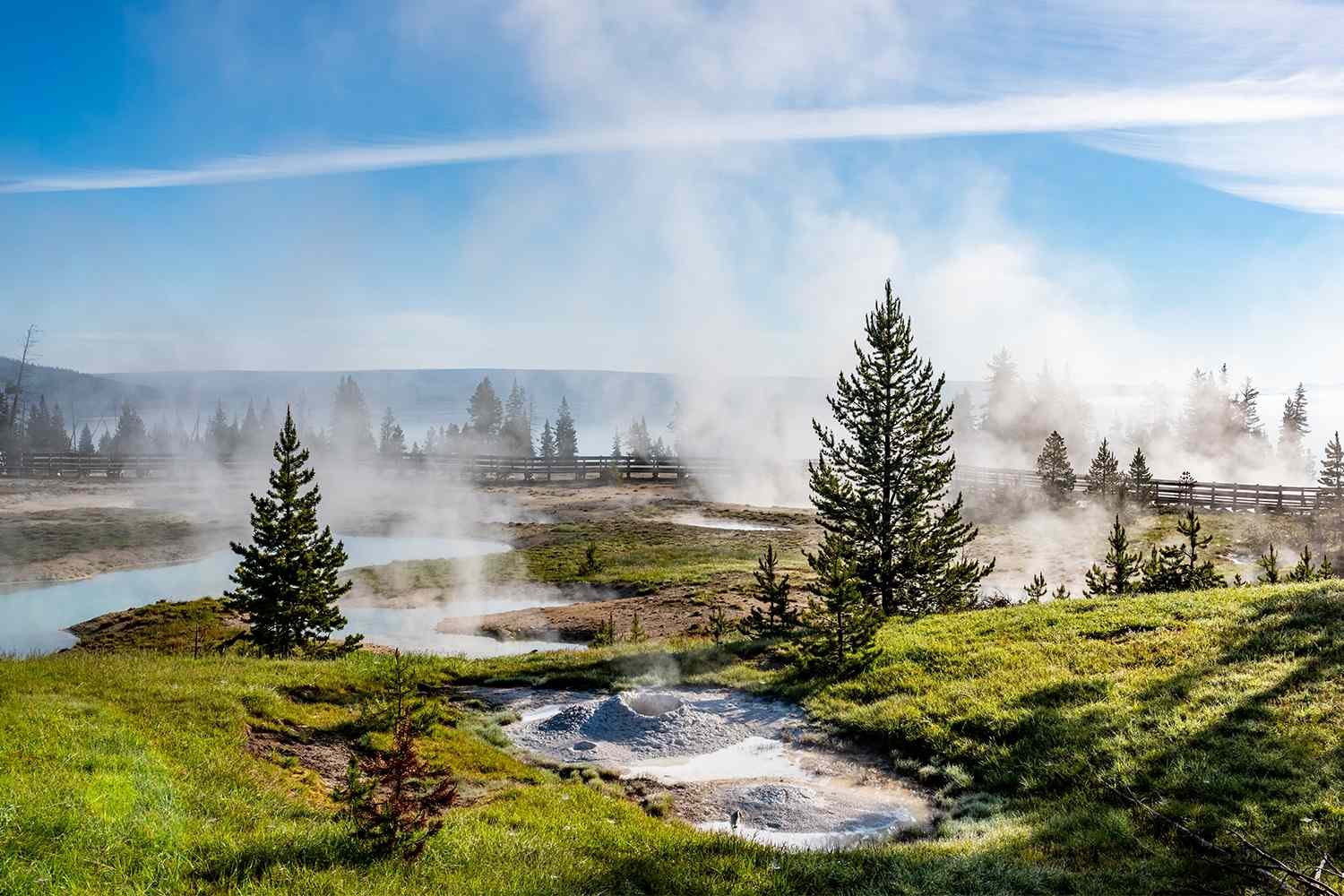
Since the article appeared last summer, the number of tourists coming to the area in search of the springs has grown. Kristy Probert, who owns a nearby pub, told ABC that a group of 24 on a road trip had changed their route to find the springs; she told the visitors she would buy them a beer if they found them, but the group never came back.
- Other content thought to have been written by AI, with AI-generated images, had also been published on the company’s website. The owner, Scott Hennessy, said the firm they had outsourced their marketing to used AI, and that some content, normally checked beforehand, had been published by mistake while he was out of the country.
In another case reported by the BBC last year, two tourists in Peru searching the Andes for the non-existent Sacred Canyon of Humantay were stopped by a tour guide and turned back. In Japan, a couple who had used ChatGPT to plan a romantic sunset hike up a mountain discovered on reaching the summit that they had been given the wrong operating hours for the cable car they meant to take down, and were stranded in the dark.
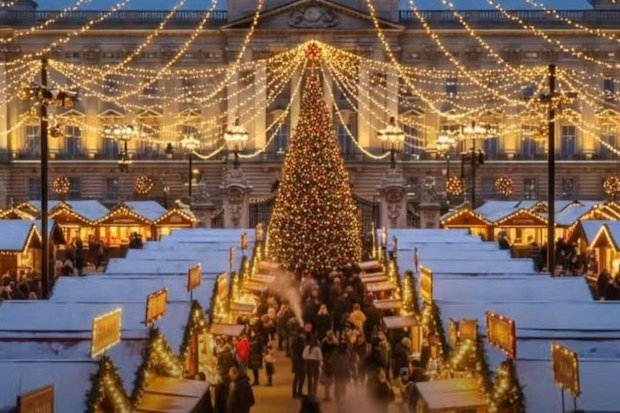
Last year, tourists hoping to visit a Christmas market in front of Buckingham Palace in London fell victim to fake AI-generated images. Having seen online adverts for a market strung with lights and full of mulled wine and souvenir stalls, visitors arrived at the palace to find an empty square. Similarly, people hoping to watch a non-existent Halloween parade in Dublin lined up along O’Connell Street.
What to do?
Avoiding most of these traps does not take hours. Travelextra recommends doing a reverse image search on Google and reading recent visitor reviews to verify tourist attractions. Before going somewhere with stunning photographs but no recent photos from real visitors and no information in independent sources, it is worth doing some research.
- It is worth remembering that reviews can be manipulated too: almost all of the Tripadvisor reviews for the fake amphitheatre in Italy were five stars.
Using official sources is crucial here. A report on AI-assisted tourism scams advises travellers to check places they have never heard of on official tourism portals, to examine addresses and payment details, and to report suspicious content.