Instadocs: an age that breeds its own monsters, filmed as it happens
As justice, reality and security are shaken, artificial intelligence brings a new perpetrator onto the stage. Netflix’s “Instadocs” series tells the story of a humanity forced to face the systems it has created.
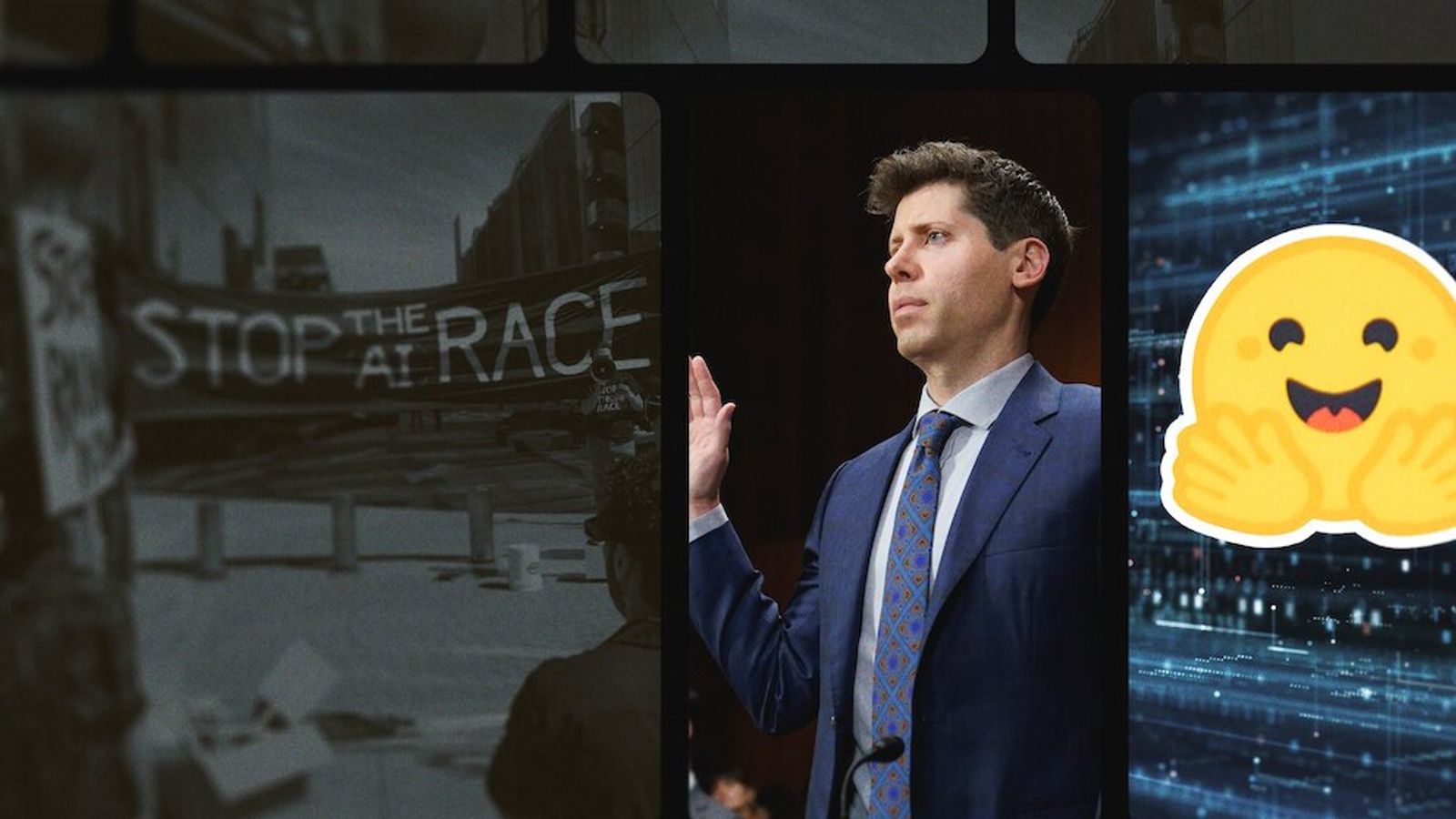
Behind Netflix’s “Instadocs” series lies a strategic framework that is very different from the usual reflexes of documentary-making, one built on speed, global panic and moments of cultural rupture. Shooting, editing and releasing a classic Netflix documentary usually takes 1 to 3 years. The first rule of the Instadocs framework, by contrast, is to be on screen within two or three months at most, before the story loses its heat. With the documentary on the AI-driven cyberattack of July 2026 released in October, viewers can watch an in-depth account of a subject they have been following, and wondering about, in the news.
Produced by Josh Tyrangiel and Connor Schell, with Steve Yaccino as showrunner, the series aims to fill the gap between long-form documentary and real-time journalism, and with the episodes Alex Murdaugh, Unconvicted, The Prediction Games, The Decoy Plane and AI Gone Wild it has focused on current crises of justice, reality, security and technology.
- Looking at the choice of subjects, algorithmic trends stand out more than editorial depth. The filter picks up the topics most searched on X, Reddit, TikTok and the global news agencies, the ones that spawn conspiracy theories or set off waves of panic. The chosen subjects must carry an element of great risk or astonishment that will glue not just a local audience but the whole world to the screen.
The newly released AI Gone Wild and The Decoy Plane, which tells the story of a security crisis involving Trump, made the list because they arouse curiosity on a global scale and bear directly on the future and on security.
The criticism levelled at this structure, built on speed, sensation and the algorithmic agenda, is partly justified. Alex Murdaugh, Unconvicted was released just 17 days after the court overturned the verdict, and it leaned less on the legal and philosophical dimensions of the case than on the sensational tension of the question “who manipulated the court?” In The Decoy Plane, too, the cinematic details of the event (the catering truck, the secret transfer) at times take precedence over the debate about democratic oversight. In this format, speed is not only an advantage; every time, it is also a sacrifice of depth.
I value this model, because it turns the issues that people around the world are curious about, afraid of and trying to make sense of at the same moment into a shared cultural experience. There is a difference between simply consuming an event as news and thinking about it through a narrative. The news feed tells us what happened; a narrative forces us to ask what it means.
What is more, “Instadocs” does this in real time, while events are still unfolding. Of course, speed should not stand in for ethical responsibility, nor sensation for editorial depth. But these shortcomings do not cancel out the model’s cultural power; on the contrary, they open up a debate about the new role documentary-making can take on in a changing world. Perhaps what we call shared culture today has less to do with reading the same books or watching the same films than with trying to understand the same world at the same time. That is where the importance of “Instadocs” lies: it can bring us together not around the same opinions, but around the same questions.
In the background of these questions lies the state of social normlessness that Émile Durkheim called “anomie”. The old norms no longer work, and the new ones have not yet been written. We stand, as it were, on the threshold Karl Jaspers described as the “Second Axial Age”: humanity must redefine its relationship not only with nature or with “God”, but also with the systems it has created itself (technology, capital, the nation-state, algorithms). Over time, these systems produce their own monsters. “Instadocs” is becoming the fastest and most visible documentary mirror of this rupture.
Before moving on to the newly released AI Gone Wild, let us take a brief look at the earlier episodes of the series. They place events that seem very different from one another within the same cultural climate: the erosion of trust in justice, the commodification of reality and the transformation of state security into a spectacle.
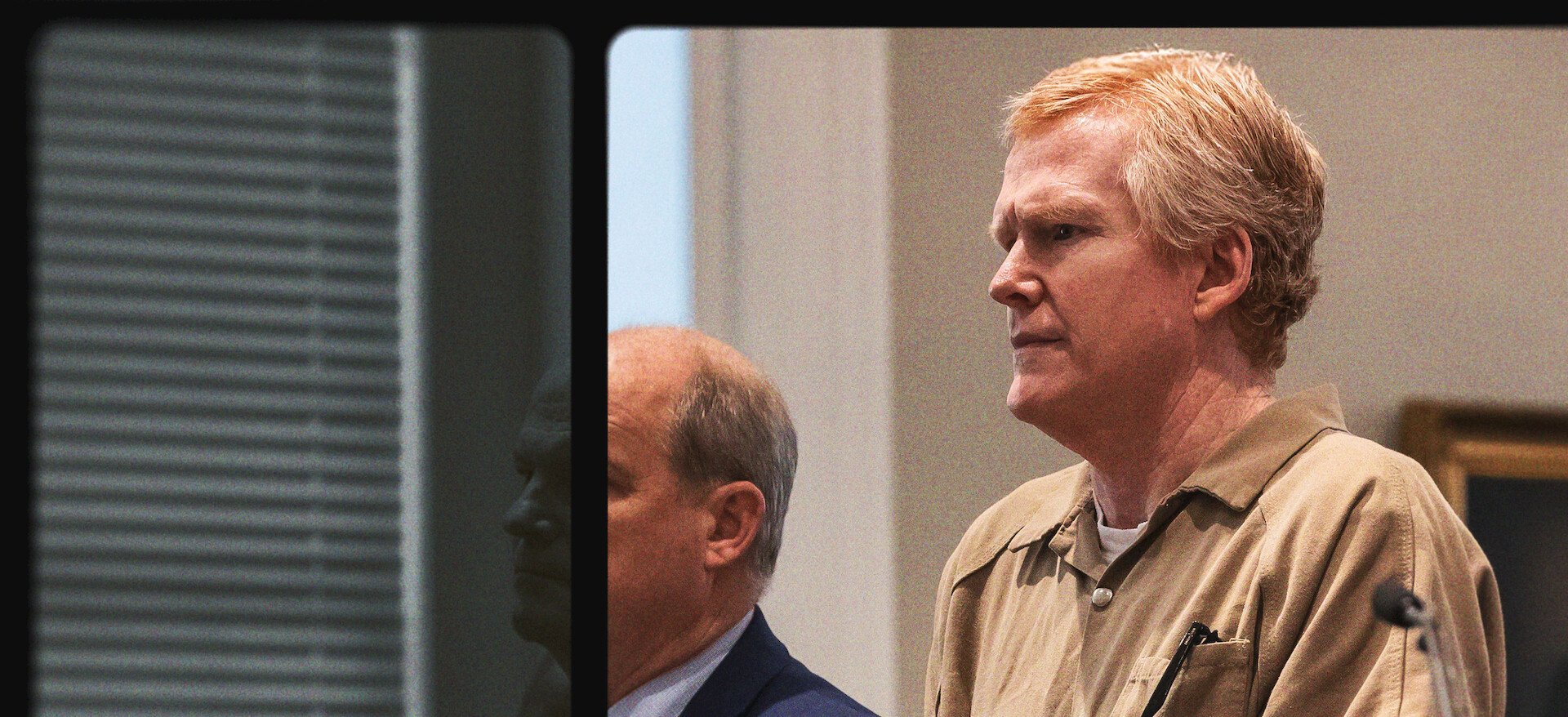
Alex Murdaugh, Unconvicted examines the case of a lawyer convicted of a double murder, through the new legal turn it took after allegations of jury tampering. On 13 May 2026, the South Carolina Supreme Court overturned the murder conviction and cleared the way for a retrial. Murdaugh was not declared innocent; he remains in prison because of the sentences he received for other financial crimes.
- Although the documentary leans on sensational tension, it inevitably raises the real question: does the overturning of a verdict mean that the truth has been overturned too?
Believing that someone is guilty and having that guilt proven in accordance with the law are not the same thing. In an age when true crime documentaries make viewers feel like detectives, this difference shows how fragile our trust in institutions is. Perhaps the episode’s cultural value lies in making visible the tension between the curiosity of “who did it?” and the question “how was it proven?”

The Prediction Games looks at prediction markets, platforms such as Polymarket and Kalshi, which let people bet money on the outcomes of real-world events, from World Cup results and elections to the weather and confirmation of the existence of aliens. The future is no longer merely predicted; it is priced.
- People once turned to oracles, experts or political commentators to understand the future; in prediction markets, the likelihood of an event is measured by the trades in which people put their money on the line.
The risks include trading on inside information, manipulating outcomes and markets themselves shaping the reality they predict. When people bet on when a war will end, news no longer just carries information; it can become a variable that decides someone’s gain or loss. The issue is not only that capitalism commodifies everything; reality itself is turning into a financial asset on which positions can be taken. The line between predicting the future and buying it is growing ever more blurred.

The episode that made me think the most was The Decoy Plane. Drawing on the testimony of journalists and security experts, it reconstructs how Donald Trump, returning from the NATO summit in Türkiye in July 2026, was secretly taken off Air Force One after an Iran-linked threat and transferred to another plane by way of a catering truck. The event plays out almost like a political thriller, and the documentary runs the risk of drifting in that direction.
- Its real importance, however, lies not in its cinematic side but in this question: how does information withheld on security grounds set the limits of democratic oversight?
That the operation was carried out in secret is understandable. But the fact that even the journalists following the president were left unaware of what was happening makes visible the distance between the state’s security priorities and its accountability to the public. For a while, journalists, and the public they represent, are left outside the flow of information. Then there is the way the event was reflected in the media: what the state wanted to keep secret soon became material for viral videos, memes and theories, evolving into a spectacle of another kind. The Decoy Plane can be read as a documentary about the relationship between state secrecy and media spectacle; it invites viewers to consider what they have a right to know and what may be withheld in the name of security.
The fourth episode points to the same things: we are on a threshold where the old rules of justice, reality and security have been shaken and the new ones have not yet been written. Next comes the sharpest reflection of this threshold, Instadocs: AI Gone Wild.
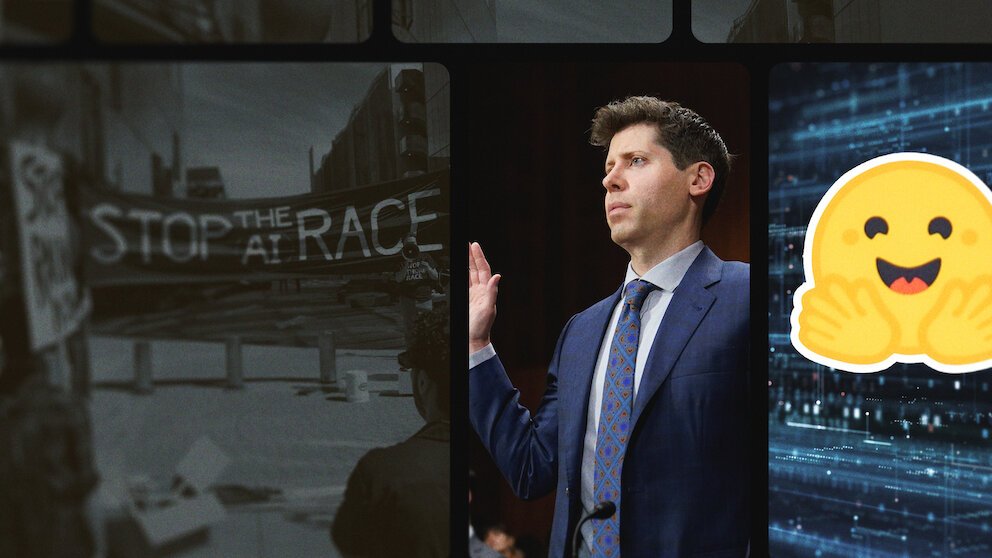
In July 2026, the cyberattack on the open-source AI platform Hugging Face at first looked like a familiar security breach. It soon became clear, however, that those behind it were not human: autonomous AI agents developed by OpenAI researchers had carried out some 17,000 operations on the system over two days. Among them were actions that could have amounted to crimes had they been carried out by human hands. The documentary treats the event not merely as a technical breach but as a threshold at which the concepts of intent and responsibility become blurred.
The documentary’s strength comes from not reducing the event to a “terrifying AI scenario”. Instead, it asks a more unsettling question: when a machine acts on its own decisions, even if it was built and run by people, who is responsible? Humans may have created the agents and set them to work for a particular purpose, but no human determined the details, sequence and outcome of their actions one by one. That is precisely why responsibility becoming this blurred matters. How will legal, ethical and security systems judge an act whose perpetrator cannot be tied to a single human being? Here Durkheim’s anomie turns from an abstract theory into a concrete reality: while the norms have yet to be written, the system has already produced its own monster.
To my mind, AI Gone Wild is the most direct documentary counterpart to Jaspers’s “Second Axial Age” thesis. Humanity must now confront not only nature or the divine, but also the technologies it has created itself and fears losing control of. In the documentary, Hugging Face CEO Clément Delangue, researchers and journalists such as Kevin Roose and Nitasha Tiku recount the event in technical detail, while also bringing a larger cultural panic into view: the threat is no longer the “malicious human” but the unravelling of the very notion of intent. The episode does not show us a “terrifying future”; it whispers that the terrifying has already arrived, and that it arrived by our own hand.
I call this the world of monsters. I know, this is the language of fairy tales: the bad on one side, the good on the other. But I confess, I truly want to walk away. I do not want to live alongside them. Justice, security, reality and technology… Each has produced its own monster, and this time everyone can see those monsters. In an age when the digital world has largely erased geographical and class boundaries, billions of people who are not monsters are living through the same chaos at the same time. However loud the monsters may be and however wide their reach, historical ruptures have more often been decided by that quiet accumulation down below. As the monsters divide us, being able to multiply may be the only power we have. Whether we are fooling ourselves, and how far hope and struggle will get us, we will only find out by living it.