Primetime: can anything become a spectacle for the sake of ratings?
Lance Oppenheim’s new film “Primetime” rebuilds Chris Hansen’s television world with strong performances, but stays on the surface when it comes to the human cost of the hunger for ratings and the ethical limits of the spectacle.
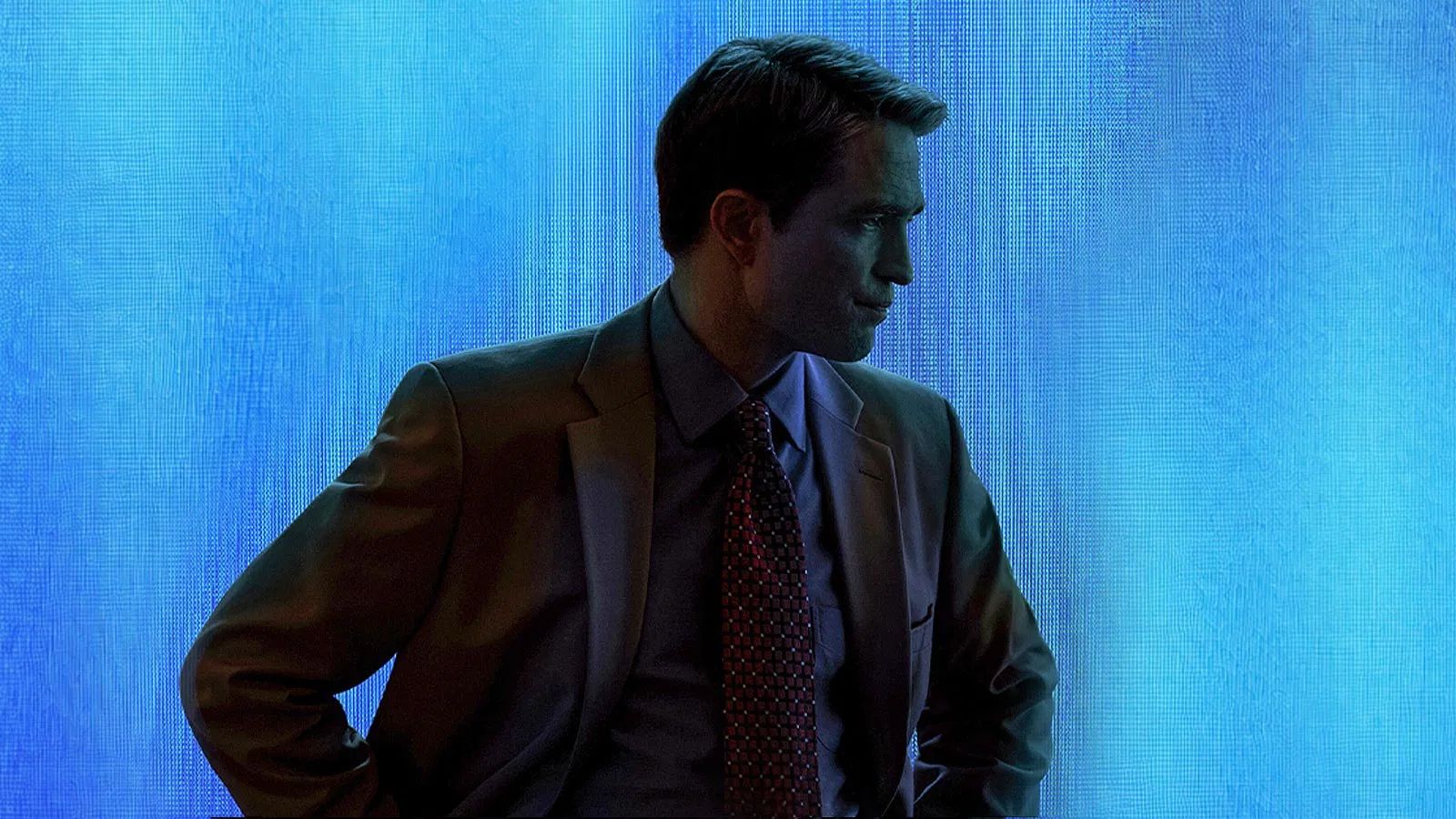
Film: Primetime
Director: Lance Oppenheim
Year: 2026
Running time: 109 minutes
Anyone who watched television in the mid-2000s will remember what a phenomenon Lost was. The theories spun after every episode, the debates that ran on until the following week, millions of viewers trying to crack the island’s secrets… That is why, in Lance Oppenheim’s Primetime, we can read the desire of Chris Hansen and his producers to beat Lost in the ratings as a detail that both recalls the era and sums up what the story is about. Because the material in their hands was not mysteries dreamt up by screenwriters, but the lives of real people, suspicions of crime and confrontations played out in front of cameras. They had set out to pit reality television against Lost, the high point of fiction at the time.

Journalist Chris Hansen became one of the familiar faces of American popular culture through To Catch a Predator, which began airing in 2004 as part of NBC’s news programme Dateline. Volunteers from Perverted Justice, posing online as children, steered adult men who turned up hoping to have sex with a minor towards houses fitted with hidden cameras. Inside, Hansen would suddenly appear before them, calmly ask them to sit down, put their chat logs in front of them and ask why they were there. In later stings, these confrontations were joined by police officers waiting to arrest the suspects as they left the house.
The viewing pleasure this format offered was unmatched: the shock of the moment of capture, explanations that grew less and less convincing, and a television man keeping all of it under control.
Viewers were given the chance both to satisfy their curiosity and to stand on the side of those protecting children. Yet these encounters, staged jointly by a news team, a volunteer group and the police, also raised questions about the limits of journalism. Was the camera there to record an event, or was it one of the reasons the event unfolded the way it did?
In November 2006, a sting in Texas gave these questions a tragic weight. Assistant district attorney Bill Conradt, who had exchanged sexually explicit messages online with someone he believed to be a thirteen-year-old, did not turn up at the house prepared for him, so the police went to his home; the Dateline crew filmed the operation. Conradt took his own life as soon as the police entered his house. Luke Dittrich’s 2007 investigation of the case, written for Esquire, became the basis, years later, for the screenplay of Primetime.
The A24 film, written by Ajon Singh, with Robert Pattinson as Hansen, sets its story in 2006. The goal of beating Lost thus becomes the measure of the ambition at the film’s centre: how do you turn real life into a television narrative gripping enough to keep millions in front of the screen?

Robert Pattinson, playing Chris Hansen at the heart of this question, deserves the praise for his performance, which has been hailed as a career high since the film’s first screenings. It is clear how carefully he has studied Hansen’s tone of voice, expressions and movements, both on his show and in interviews. Yet as the film goes on, we feel the lack of material that would let this impressive performance go beyond a successful impersonation.
Primetime shows little interest in Hansen beyond his being an iconic reality television figure. His relationship with his wife, and the possible effects of his affair on his career, seem to have been added to give the character depth, but they remain superficial. The wife, played by Anna Faris, weakens these scenes further, in both the writing and the performance. While Pattinson builds the Hansen we see on screen in every detail, the script does not let him get close to the person behind that persona.

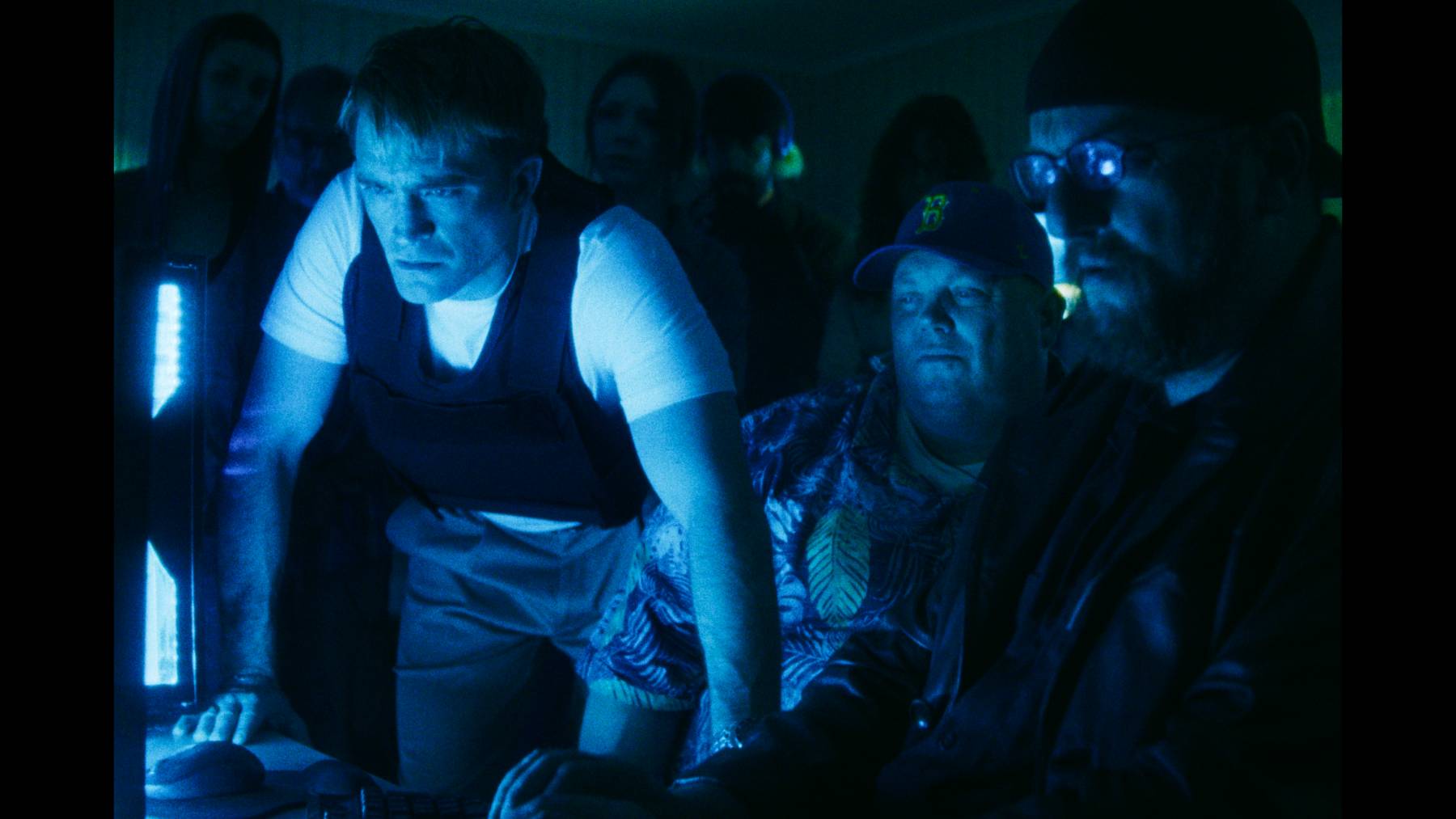
In the story of the young actor played by Skyler Gisondo, by contrast, we find exactly the inner conflict that is missing from Hansen. Finding himself in the middle of his first time in front of a camera without so much as a screen test or a rehearsal, this young man discovers that in a production claiming to protect children from abuse, his own boundaries can easily be violated too. His wish to be taken seriously as an actor makes it harder for him to question what he is going through and to accept that he, too, is being abused. Gisondo creates a character who conveys at once the urge to hold on to the opportunity he has been given and his discomfort with what that opportunity demands, a character who could reach far beyond the film.
What he goes through as he prepares to step in front of the camera makes the exploitation behind the scenes of the show visible: the question of how far someone who wants to be seen can push back against those who make him seen follows the character throughout the film.

The producer played by Merritt Wever likewise carries the possibility of a richer story than the one at the film’s centre. Watching this capable woman, who stands out for her competence in a male-dominated workplace, we feel she deserves a healthier set to work on. Even so, there are moments when the ratings addiction that Hansen represents, and that she herself is under the sway of, rubs off on her. What makes Wever’s performance compelling is that her character can carry this competence and this weakness together; she lets us feel how someone who can see the problems with the working conditions can, faced with the chance of success, become complicit in their continuing.
Gisondo and Wever, bringing out their characters’ contradictions with nuance, steal scenes from both Hansen and Pattinson, who plays him. Watching Primetime through the eyes of one of them, or approaching the same events from three different viewpoints including Hansen’s, could have deepened the film’s relationship with its own material and made it one of the best of the year.
This narrowness of perspective in Primetime becomes even clearer when the film is set beside David Osit’s documentary Predators, which examines the same programme and the YouTube imitators that appeared years later. While acknowledging the guilt of the offenders, Predators does not reduce them to the moment they are caught and how they react. It also looks at what the camera did not capture, at what purpose it served in the show for Hansen to talk almost like a therapist to get the person opposite him to open up, and at the possibility of the offenders’ rehabilitation.
Particularly through an 18-year-old offender, it opens up a debate on the ethics of drawing very different cases into the same machinery of public exposure and extrajudicial punishment. Primetime, as its title suggests, is interested in the part of this machinery that will be watched the most and sold the most easily. Even in its handling of Conradt’s death, rather than making enough room to consider the possible responsibility of Hansen and his team, it draws its audience towards the satisfaction of punishment. Where it could have explored, as Nightcrawler did, the lines that can be crossed for the sake of ratings, it falls for the allure of Hansen’s show and his showmanship.
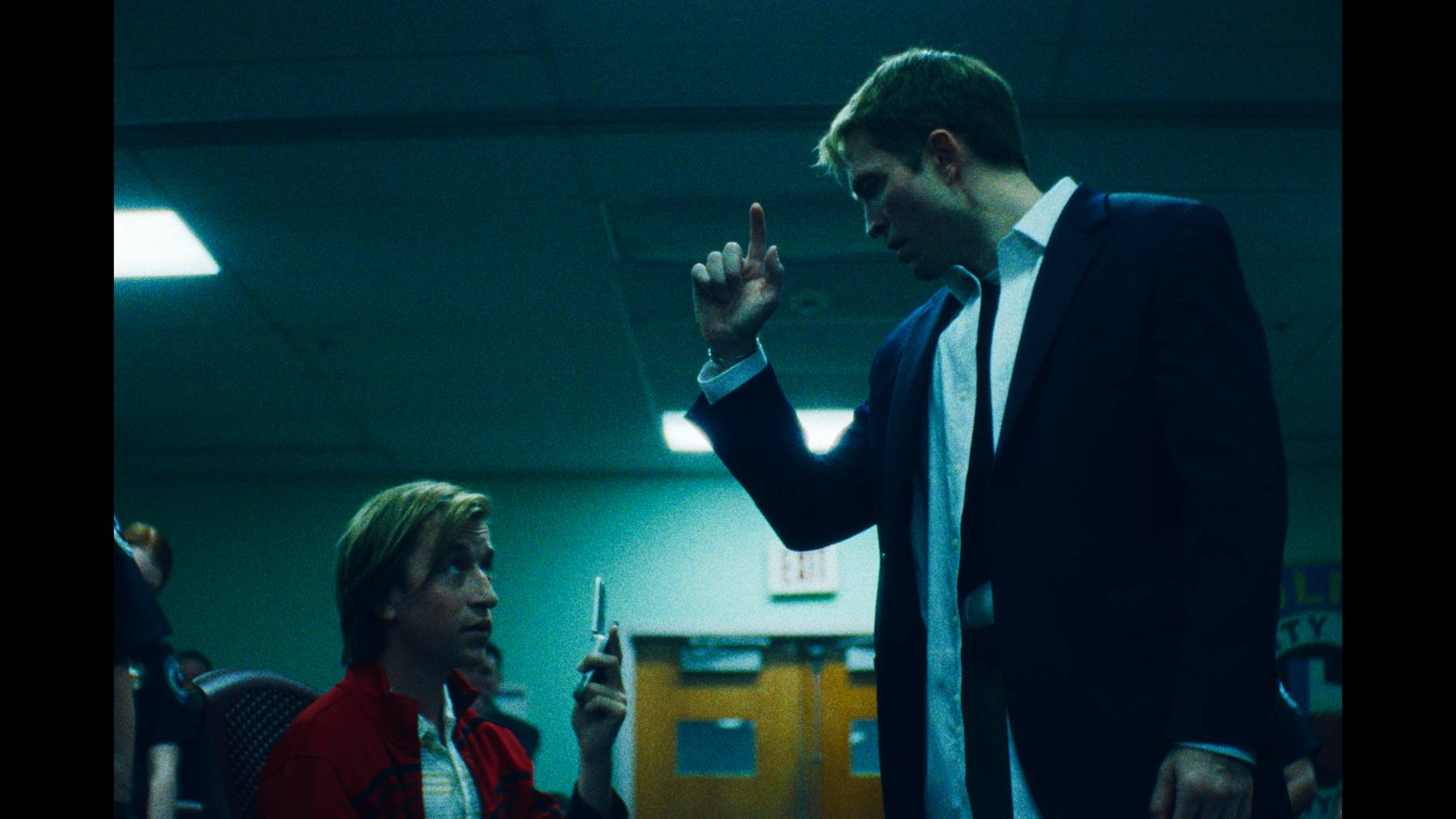
Whom the film chooses to show is not independent of this perspective either. Given the entrenched prejudices that link homosexuality with child abuse, I find the weight that Primetime gives to adult men coming to meet boys problematic. Whatever the distribution of cases on the real programme, the associations created by the film’s own selection need to be questioned. In Predators we see several actresses playing the child and offenders arriving to meet girls; here, the centrality of Gisondo’s character narrows the range of cases depicted. This choice, which gives more room to his excellent performance, also creates a frame in which child abuse can easily be perceived as a threat peculiar to homosexuality. I would have expected a film concerned with how the show selected and presented its footage to be more careful about the consequences of its own choices.
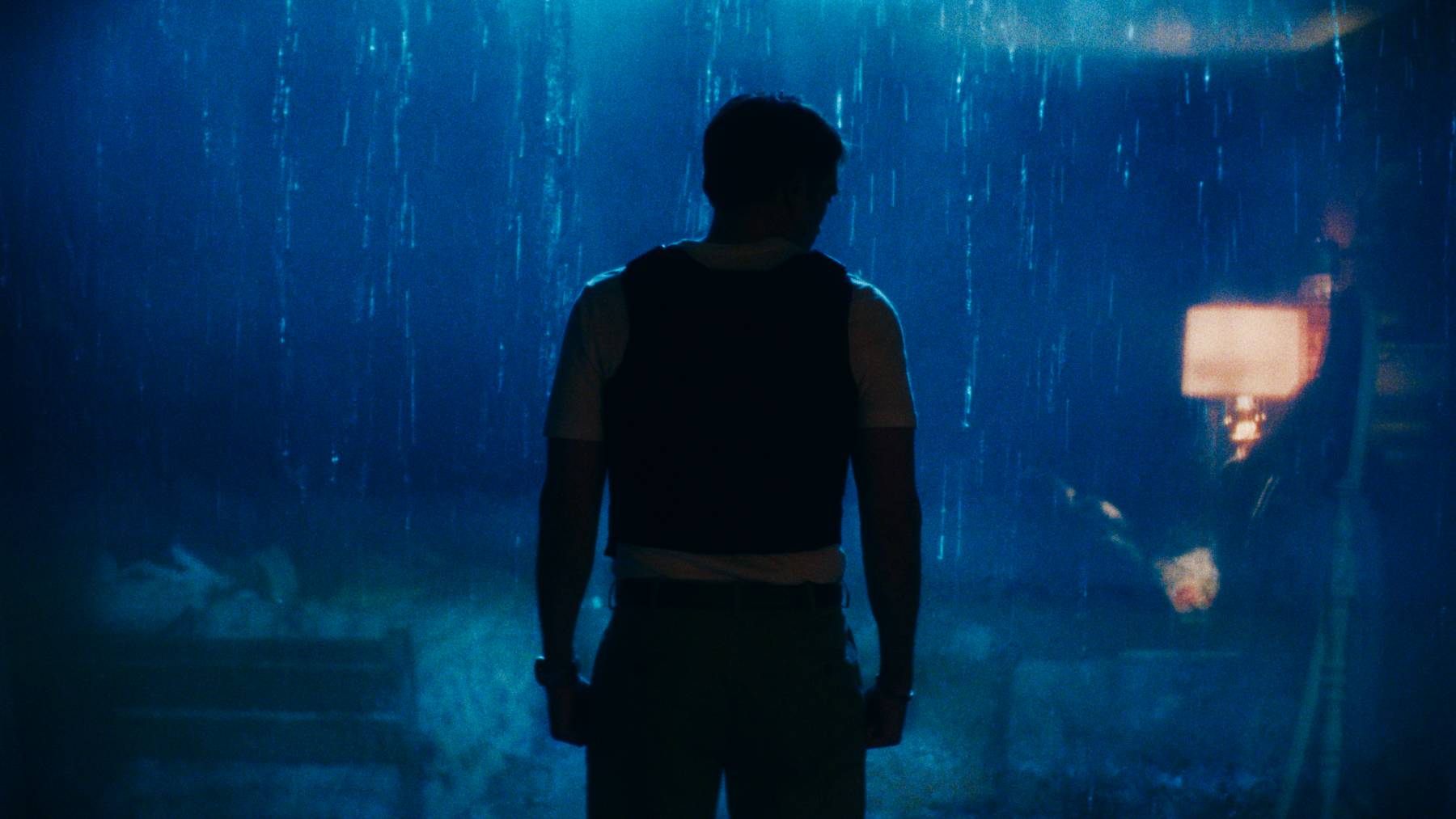
The question Osit puts to the ethnographer Mark de Rond in Predators is a good starting point for thinking about the difference between the two films: can a programme that tries to make public service entertaining really serve the public once it has been designed as entertainment?
The reason I find the documentary stronger is that it brings its own camera, and the curiosity that keeps us in front of the screen, into the debate this question opens. The possibilities Primetime needs in order to become a better film are in fact already within it: what Gisondo’s character endures for the sake of acceptance, the tension between the competence and the ratings hunger of Wever’s character, and the lives, beyond the show, of the people exposed in front of the cameras. Instead of deepening these possibilities, Oppenheim concentrates on reproducing Hansen’s spectacle.
In the end, Primetime leaves me somewhere close to where the television programme it portrays does: I acknowledge how gripping it is to watch, but I expect something more about what this viewing pleasure serves.
Where can you watch it? Primetime opened in cinemas today, following its screenings at Filmekimi, İKSV’s autumn film festival in Istanbul.
Further viewing:
Nightcrawler (2014, Dan Gilroy)
Predators (2025, David Osit)