Restaurants, installations, rugs: the conference that took over London’s Design Museum for a day
Held in Istanbul since 2000, the MARKA conference moved abroad for the first time on 13 October, to London’s Design Museum. After a day of fast-paced conversations ranging from running restaurants to architecture, from manufacturing to design, the message was clear: today we measure luxury not by the objects we own but by how they make us feel.
Photographs: Richard Heald
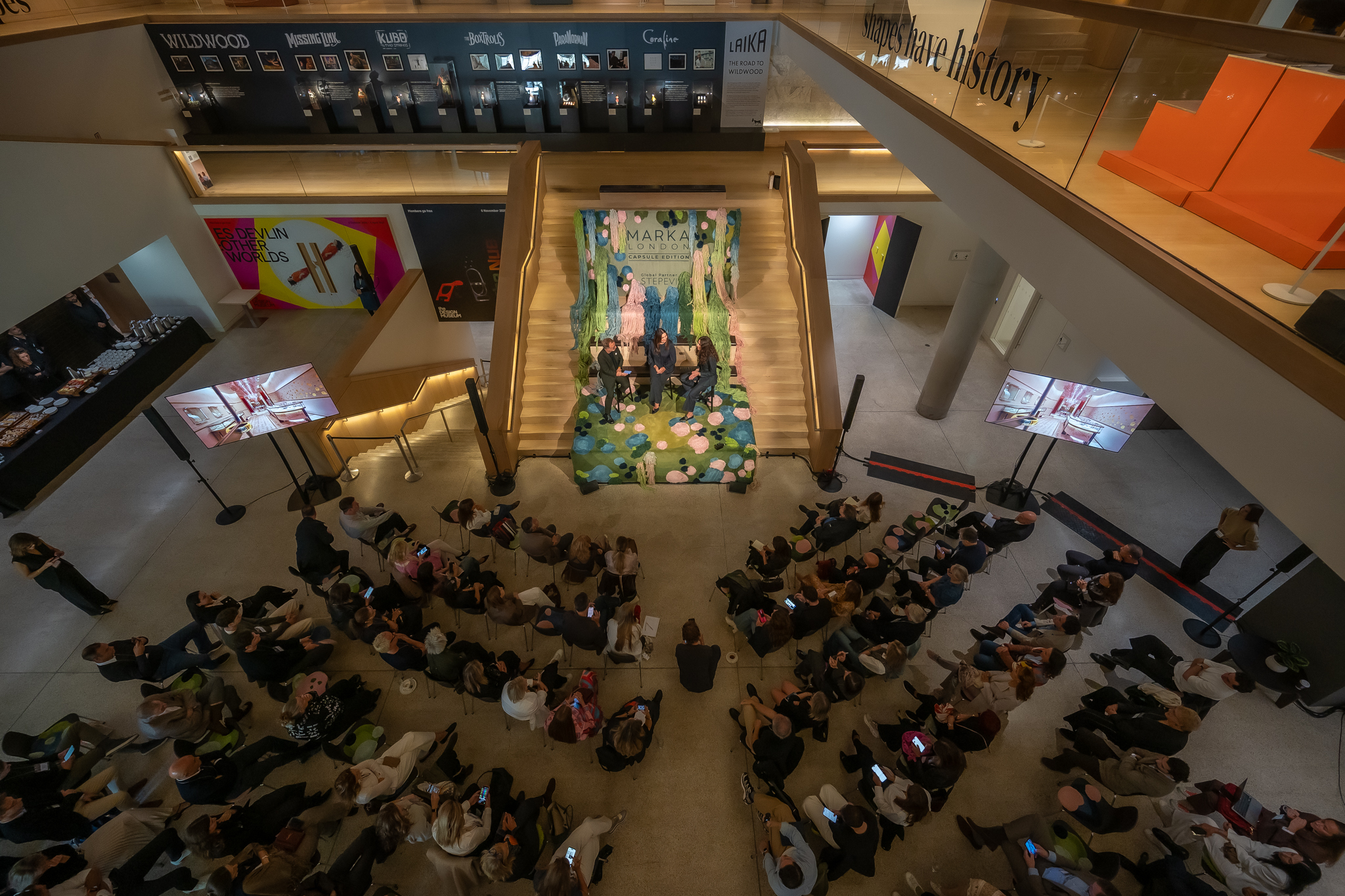
On Tuesday 13 October, anyone who walked in the autumn chill along Kensington High Street, past the Holland Park entrance, hoping to visit the Design Museum found that it was closed that day. The MARKA Conference, a platform for ideas born in Istanbul, had taken over the building for a day. Holding its first event abroad as a one-day “capsule” gathering in London, MARKA brought together creative, innovative and dynamic figures from the design, branding and cultural scenes of the two countries.
MARKA London was conceived to sit alongside “Es Devlin: Other Worlds”, the retrospective running at the Design Museum until 4 April 2027. You may also know the award-winning artist Es Devlin as the designer of the striking set for Satıcının Ölümü (Death of a Salesman), currently playing at Zorlu PSM with Halit Ergenç in the lead role. “Es Devlin: Other Worlds”, whose supporters include STEPEVI, is the artist’s first retrospective in Europe.
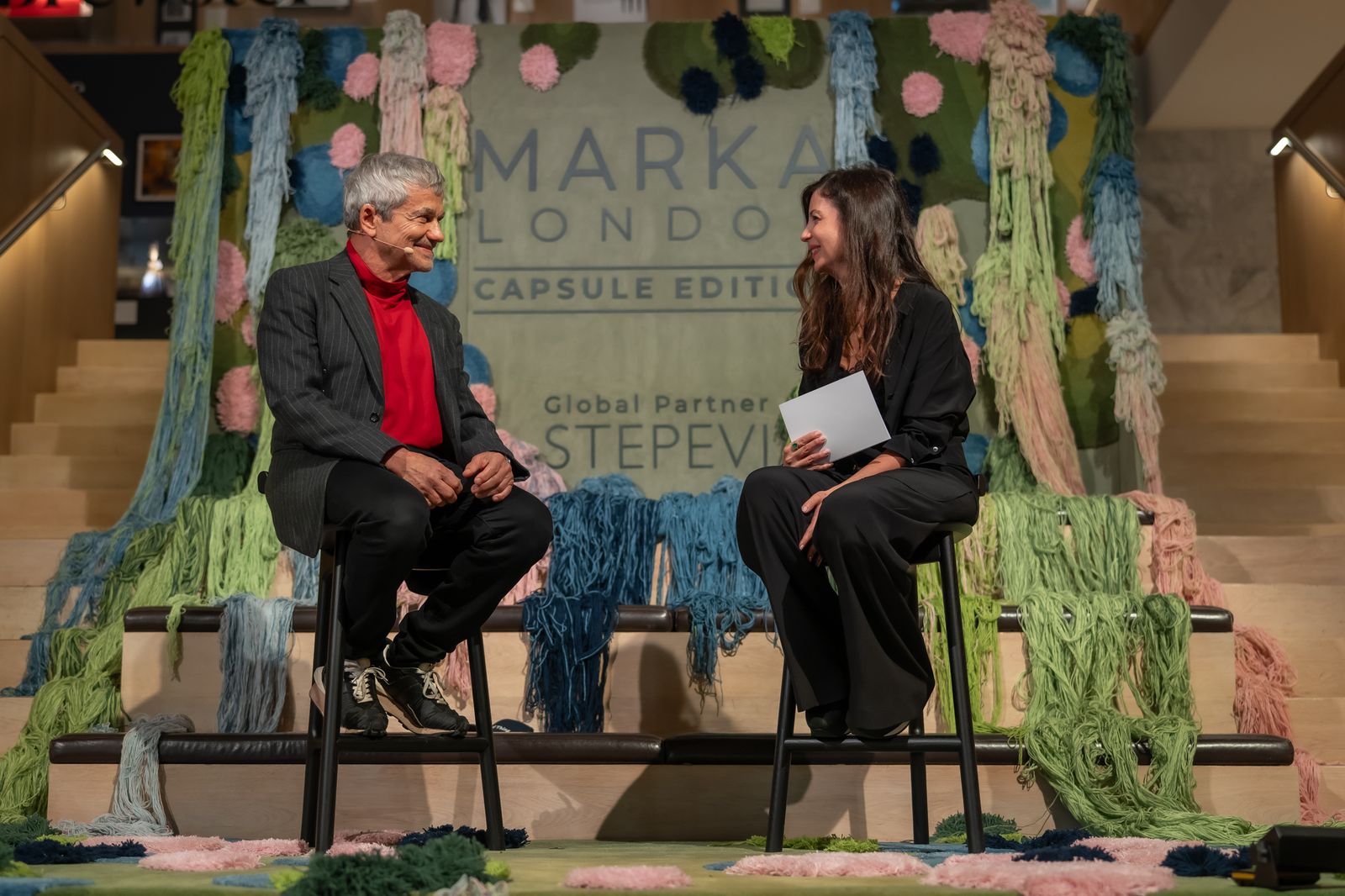
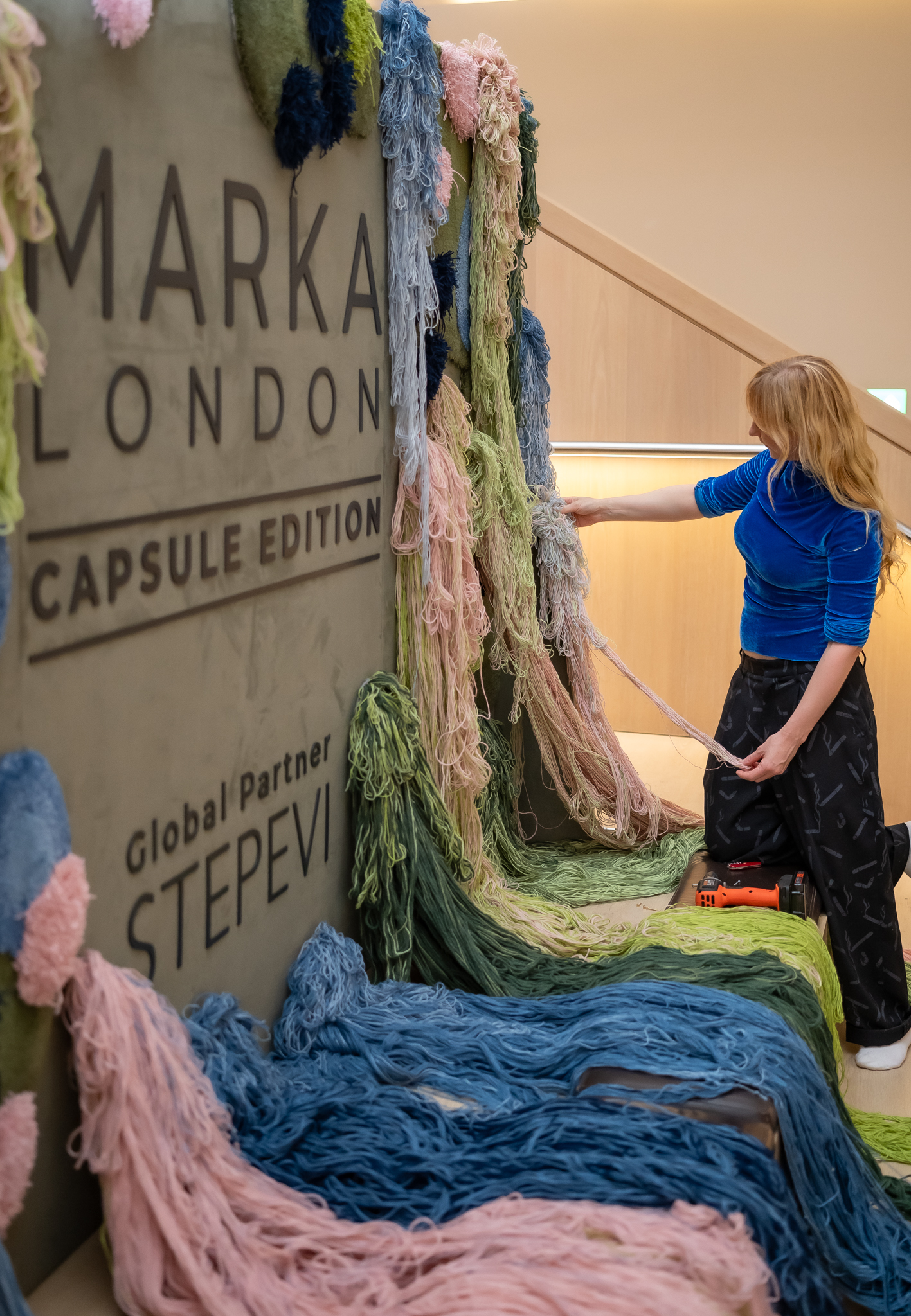
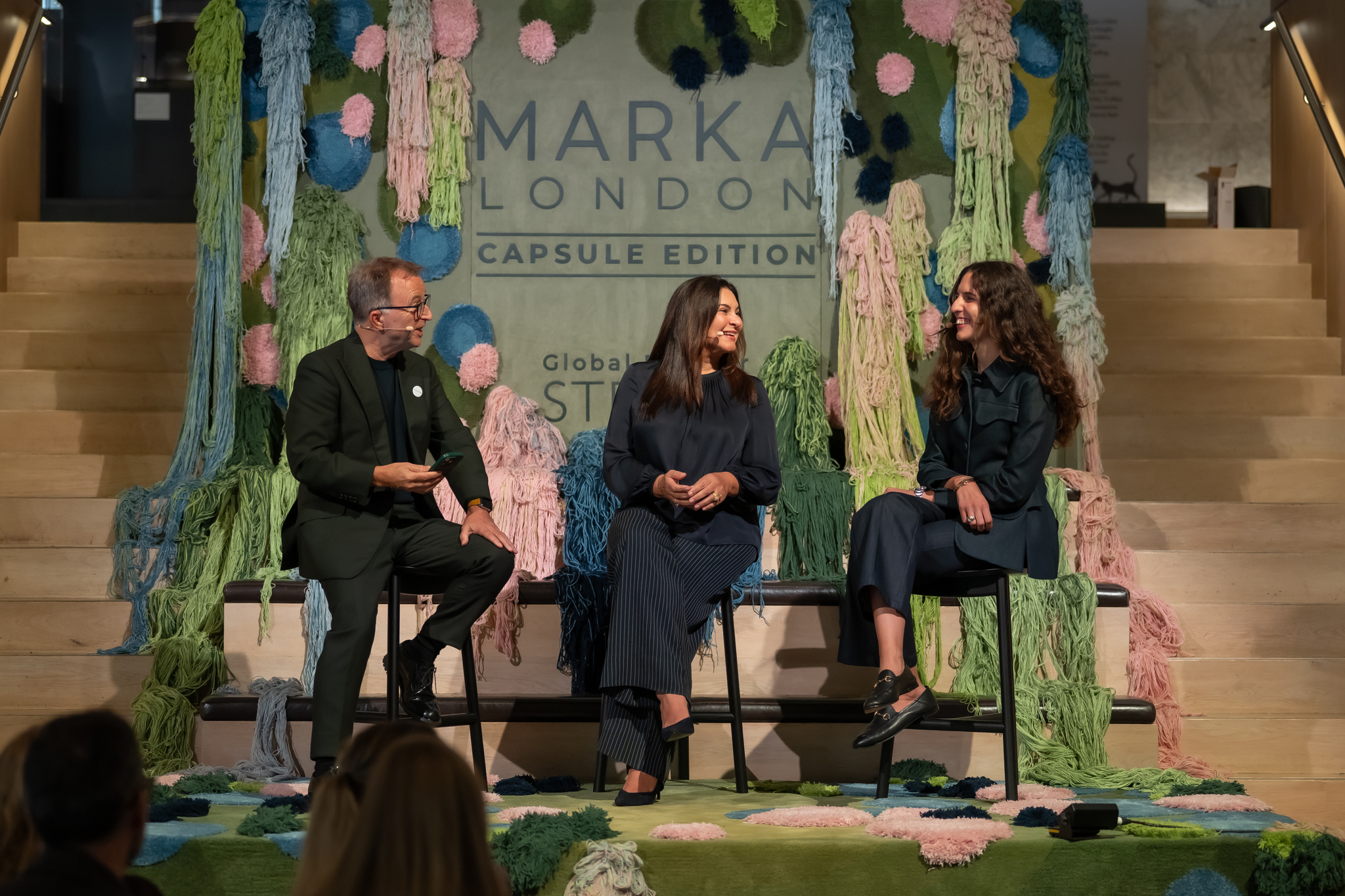
Participants sat on small rug cushions shaped like water lily leaves, made from leftover yarn by the rug brand STEPEVI, the event’s international sponsor, while the speakers were placed inside a yarn and mixed media installation by the artist Alfhild Külper.
The event gathered answers from different fields to two questions posed by the entrepreneur BJ Cunningham, MARKA’s moderator since 2000: How does culture shape our choices as consumers? What does luxury mean to the consumer today? Throughout the day, everyone from restaurateurs and architects to artists and makers answered these questions through their own experience.
Art and design: flaws and embarrassment as a natural part of creativity
The first answer to these questions came in the opening session of the day, in a conversation between Design Museum curator Johanna Agerman Ross and Es Devlin. Drawing on the artist’s retrospective, the conversation focused on bringing people together through thinking, making, creating and connecting with one another. Devlin said her interest in ritual and in gathering goes back to her childhood in the town of Rye, where pagan May Day traditions are still kept alive, and where she served at Catholic Sunday mass. She explained that her inability to accept the options offered by the education system of those years gave her the drive to create new options for herself.
She added that she has carried what she calls the minimum rules of participation, learned in the theatre set design where her career began (come together, switch off your phone, pay attention to what you are looking at together), into galleries, into brand projects such as Gucci Cosmos and the Cartier London activation, into stage designs for dozens of artists including Beyoncé and U2, onto Britain’s Olympic stage, and into every kind of creative project around the world. Stressing that humiliation is useful in the creative process, the artist reminded us that the word comes from humus (earth), meaning to be brought down to the earth, to the ground. So feeling a little embarrassed by what we make, not being entirely sure of it, is part of the magic of the process.
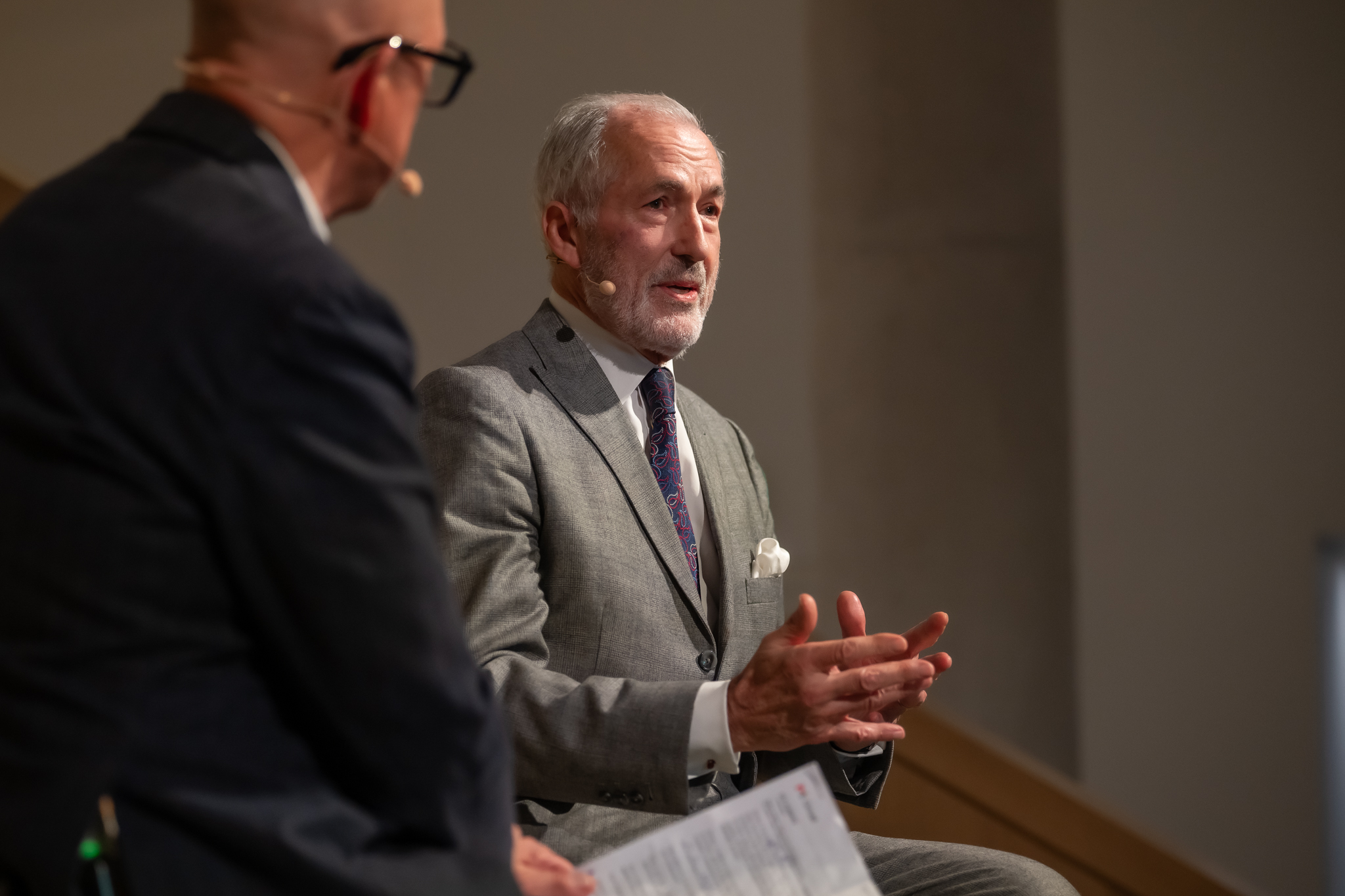
The industrial designer Sebastian Conran began by saying that he agreed with those who had spoken before him:
there is a humility in design, he said, because no design is ever finished without some regret.
Remarking that conventional thinking does not win you a Nobel Prize, Conran described how the severe dyslexia he had as a child had a positive effect on his creativity. For Conran, the most important principle in designing and making products is to settle for them being 80 per cent ready and right. He also had a warning:
to change things you have to be optimistic, he said, but you should always remain questioning about the unforeseen consequences of your design.
In this way, some of the most innovative designers of our time reminded us that we should accept and embrace the flaws and shortcomings in our creative processes, along with the embarrassment that comes from knowing about them.
Food and drink: restaurants are rarely about the food
At the event we had the chance to hear some of the most important names in London’s restaurant world. In a conversation about the lessons of a life in restaurants with the food writer and historian Dylan Jones, the veteran restaurateur Jeremy King explained that he builds his venues around imaginary characters: at Colbert, a Frenchman sacked in Paris for seducing his boss’s daughter; at The Beaumont, someone fleeing American Prohibition. Scenarios like these are the reference point for the design decisions in his restaurants. Arguing that every truly creative concept can be summed up in a single sentence, King distinguished the title of restaurateur from that of restaurant owner:
a restaurant owner, he said, does the job from the boardroom, a restaurateur from the dining room.
The interior designer Shayne Brady, who designs King’s venues, summed up his approach to restaurant design like this: the space you design should not shout for attention, but it should also prove flawless when examined up close. Describing the difficulty of managing the light in a restaurant as it changes from breakfast to midnight, Brady offered an interesting formula:
the key to lighting, he said, is shadow, and what makes a restaurant inviting is having enough dark areas.
In the evening, amid the low lights and soft velvet upholstery of Nellie’s at Simpson’s in the Strand, designed by Brady’s studio, we also had the chance to see this formula at work.
Dylan Jones, author of Table Hopping: The Secret History of London’s Restaurants, summed up the role that organic connections between people play in the hospitality sector:
restaurants, he said, are very rarely only about food; they are really places people go to find a community of their own and to learn how to behave in public.
After hundreds of interviews about London’s tables, Jones added that the future of London’s restaurants lies with young chefs working on thin profit margins:
culture, as he put it, is always driven by young people breaking things in dark corners.
Property and architecture: building places, not buildings
You may know Harry Handelsman, the entrepreneur who has spotted the potential of many London neighbourhoods before anyone else, from the loft apartments of Clerkenwell, from St Pancras or from Stratford. Handelsman’s story is built on perseverance. He lost the building he had his eye on for a hotel project at auction; soon afterwards he found an old fire station in Marylebone. The result is Chiltern Firehouse, today one of London’s most famous hotels and nightspots. Handelsman sums up his approach in a single sentence:
when you put up a building without the infrastructure around it, he says, it is no different from an empty plot.
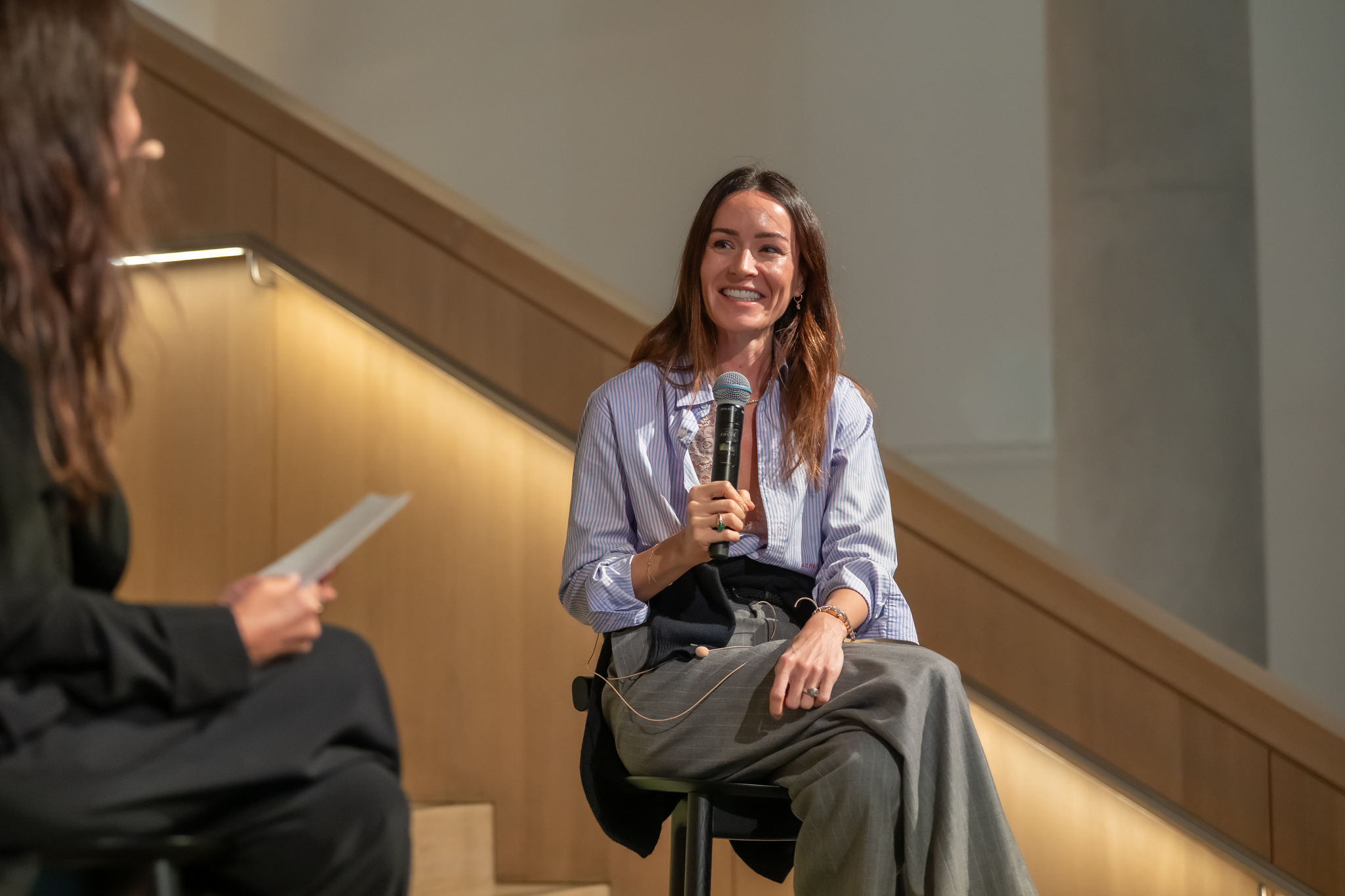
Alex Eagle, who designed the interiors of 180 The Strand as well as many of Nick Jones’s venues, also defined luxury in terms of proximity: luxury, she said, is having the things you need close at hand.
She also had a warning: it is hard to grow if you are surrounded by people who always say yes to you.
In his session on building the future, the architect Kent Jackson of Skidmore, Owings & Merrill took the subject on to sustainability. Saying that what is not sustainable is not beautiful, Jackson gave examples of alternatives to concrete, of experimental new buildings able to neutralise their own carbon emissions, and of circular designs that could be built in space.
Rugs and textiles: softness as a means of survival
The event’s international sponsor was STEPEVI, a contemporary luxury rug brand. In the midday session, the brand’s mother and daughter leadership talked about the relationship between design and everyday life. Born in Istanbul, made in Isparta and headquartered in Paris, the brand tells its story through “broken moulds”. Having first pushed the traditional limits of the rug as a product, then left an established family name behind to build a brand under a new name, STEPEVI now aims to bring out the side of the rug that brings people together and creates emotional bonds. In the words of STEPEVI chair Ayşegül Yürekli Şengör:
“The next mould we want to break is bringing the emotional side of rugs into the world of STEPEVI.”
The brand is also in a design partnership with the textile artist Alfhild Külper. In A Soft World, shown at Milan Design Week, visitors stitched their own happy memories onto a wall using yarn offcuts swept from the factory floor. The wall, empty at the start of the week, was full by the end; the yarn, something fragile and disposable, became something sturdy and lasting. The work is now going to the art and cultural centre STEPEVI has set up in Isparta, in a building allocated to it for 50 years by the governor’s office. There the factory workers will also be able to see what the offcuts they swept up have become.
Another of the brand’s partnerships is with the textile artist Tom Atton Moore. For Moore, who wove his first rugs in his bedroom, a white thread left at the edge of a rug became a method: how can mistakes become the main part of the work? Pushing back against a world that is becoming ever more beige, Moore wants a space, in all its colours, to draw you in the moment you open its door.
A bridge between London and Istanbul
MARKA London was itself conceived as a bridge, and throughout the day we saw that this bridge works in both directions. While the London designer Es Devlin’s signature is on the Zorlu PSM stage this season, a platform for ideas born in Istanbul took over London’s most important design museum for a day. STEPEVI’s first stop abroad was also London, 20 years ago: the shop at 274 King’s Road is still the brand’s footprint in the city.
We heard this two-way relationship best in “The Istanbul Effect” session. İrem Kınay, founder of Madame Malachite, defined the Istanbul effect as “bringing differences together and allowing them to coexist”. Seda Gazioğlu, an artist who works between Istanbul and London, used the bridge as a metaphor: for her, contradictions sit side by side in Istanbul, but the seams where they meet stay visible, just like the bridges over the Bosphorus. The restaurant entrepreneur Cem Mirap described Istanbul as a city of buildings that bring East and West together in a single structure.
On this day, when London opened its spaces to us and Istanbul brought its way of looking at design and togetherness, the theme was bridges: between countries, disciplines and generations.
What stayed with me as I left the Design Museum
Across different sessions throughout the day, the same idea kept rising to the surface: what matters is not the product but the feeling it gives and the connection it creates. Light and shadow in the restaurant, the neighbourhood in the building, memory in the rug, humility and courage in design. Luxury is no longer measured by what we own but by the feelings, ideas and opened doors that stay with us as we leave a place.