Stardust | Freeing spirituality: the cinema of Kieślowski
Kieślowski describes himself as agnostic. Although he created a work like “Dekalog”, which takes the Ten Commandments as its direct starting point, he does not turn Catholic teaching into the moral authority of his films. As we see in his own account, what shaped his moral world was not so much Catholicism as the experience of independent thought; the crown of “ethics” is returned to the king who deserves it: spirituality.
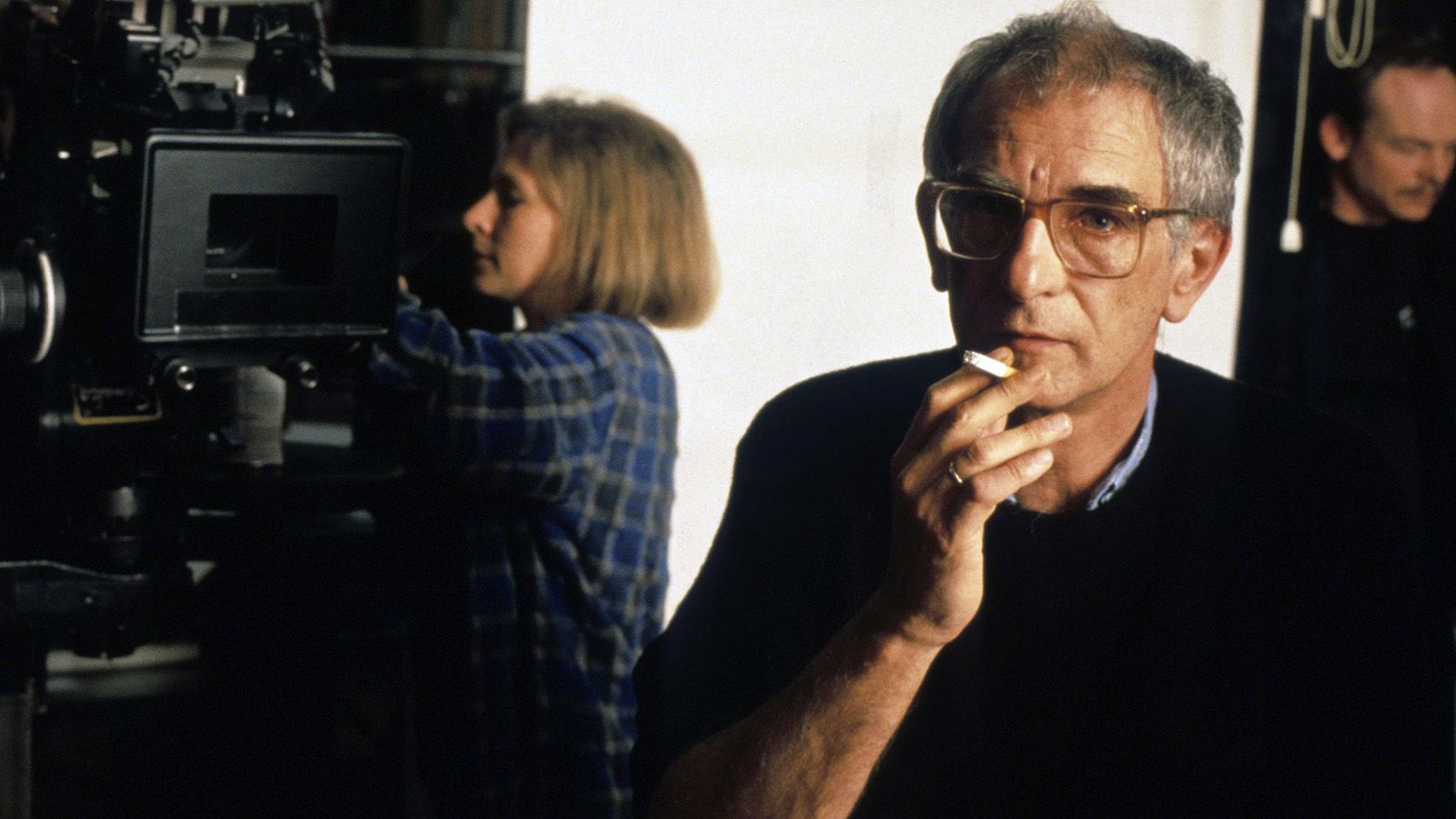
When we equate spirituality with an institutionalised religion, we narrow its scope far too much. Religion is, of course, one of the most powerful forms spirituality has taken throughout history; yet the relationship people build with transcendence, meaning, death, conscience, compassion and the mystery of their own existence actually extends across a much wider field, without the mediation of institutional religions.
The real point here is not to do away with spirituality but to free it from institutional ownership. An institution tends to turn experience into rule, searching into answer, conscience into command. Spirituality, on the contrary, is born of the capacity to live with questions: rather than seeking definitive answers to questions such as “Who am I?”, “How should I live?”, “Where does my responsibility towards others begin and end?”, “What shall I do with pain?”, “How shall I live with the knowledge of death?”, “What is the limit of love?”, it is concerned with the quality of the relationship a person forms with these questions.
The rest of this story is on Aposto Premium.
Premium members read every story. If you are not a member, sign up for Magazine and receive the covers and selected stories by email.