
Mehmet Sindel
Born in 1970, he stayed silent for a long time. He began to talk only after the auntie next door stepped in, and he has not stopped since. He studied business administration at Boğaziçi University and graduated without honours. He served as CMO in the automotive sector without knowing how to drive, as deputy general manager of a bank without understanding finance, and as CEO of a .com while still at the “why won’t this plug go into this socket” level. He made working in fields he knew nothing about his method, and staying outside his comfort zone his way of life. He first carried his hobby, cinema, into writing. He wrote about film for the magazines Atlas Tarih and Arka Pencere. He runs film-reading workshops for individuals and organisations, and gives keynotes on cinema. Through the Sindel Kültür Sanat Platformu (Sindel Culture and Arts Platform), which he founded, he leads film readings and organises in-depth seminars that bring together academics from around the world. He lives with films. He talks not to teach but to learn. He treasures a remark one of his bosses once made to criticise him, “You do tell a lovely story”, as the finest compliment of his life.
3 STORIES · ALL WRITERS →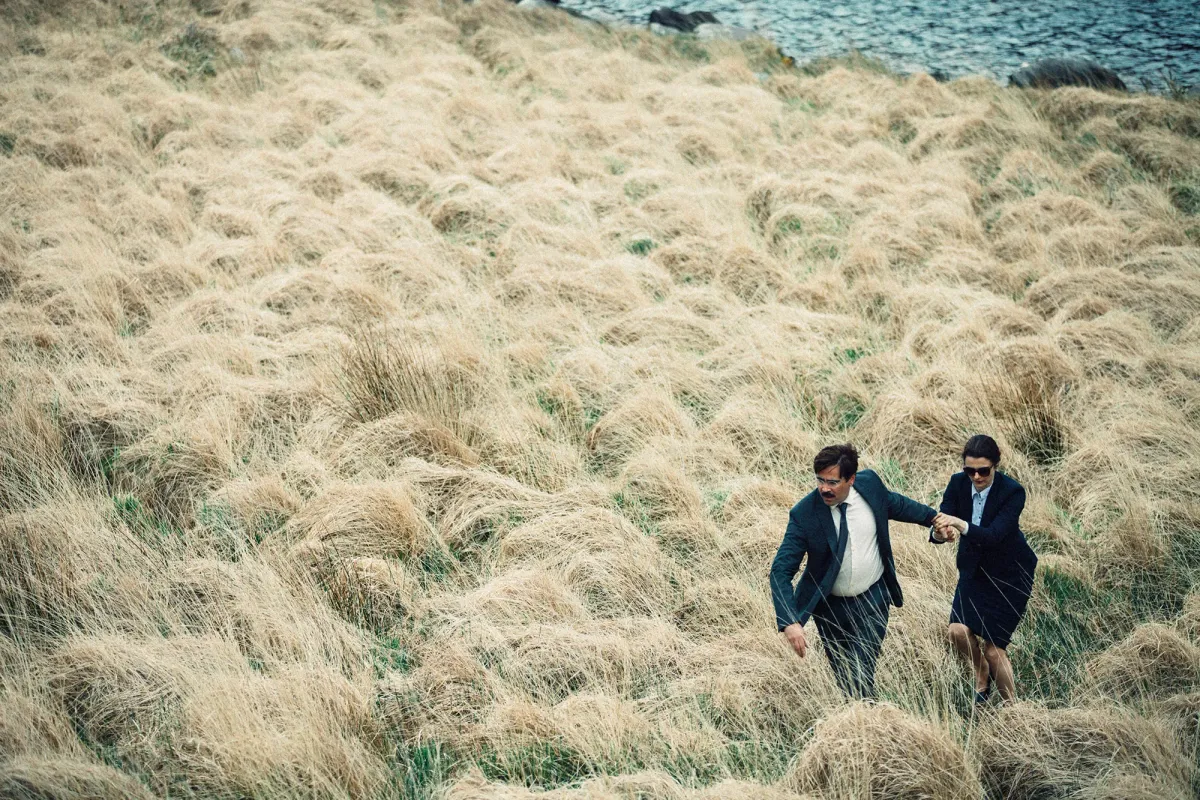
Reading Lanthimos’s The Lobster through the sociology of emotions
The Lobster brings postmodernism’s questioning of how identities and social norms are constructed together with the central concern of the sociology of emotions. It shows the viewer that the film’s real tragedy lies not in people obeying oppressive rules without protest, but in their living out the emotional needs those rules dictate as if they were their own desires. David’s personal tragedy is that although he flees the hotel for the forest, he takes the hotel’s “rules of love” with him.

The flawed inheritance of love: three views of fathers and daughters in contemporary cinema
Stardust | Freeing spirituality: the cinema of Kieślowski
Kieślowski describes himself as agnostic. Although he created a work like “Dekalog”, which takes the Ten Commandments as its direct starting point, he does not turn Catholic teaching into the moral authority of his films. As we see in his own account, what shaped his moral world was not so much Catholicism as the experience of independent thought; the crown of “ethics” is returned to the king who deserves it: spirituality.
Your guide to designing a good life.
Aposto Magazine, three mornings a week in your inbox.