After Altın Portakal: where is Türkiye’s cinema heading?
The 63rd Antalya Altın Portakal Film Festival, held from 24 to 31 October, opened up questions about the present and future of cinema in Türkiye, and about the festival’s claim to prestige, through the debates over its competition line-up and its Film Forum.
First held in 1964, the Antalya Altın Portakal Film Festival (the Golden Orange) has been one of the most important showcases for cinema in Türkiye across a history of more than 60 years. With grand parades that brought the stars of Yeşilçam, the golden age of Turkish popular film, face to face with the public, screening halls that gathered filmmakers of different generations, and a competition that rewarded the turning points of our film history, it became more than a film festival: it became the bearer of a collective memory.
From the first Best Film winner, Halit Refiğ’s Gurbet Kuşları, to Lütfi Ömer Akad’s Düğün, from Yavuz Turgul’s Muhsin Bey to Nuri Bilge Ceylan’s Uzak and Zeki Demirkubuz’s Kader, this history is also the foundation on which Antalya is known as “Türkiye’s oldest and most prestigious film festival”.
This year’s festival, however, gave plenty of reason not only to remember this historical legacy but also to question what it amounts to today. Clearly, such prestige can no longer be treated as a stamp inherited from the past and applied by rote; it has to be earned again every year, through the films selected, the care shown to filmmakers and audiences, and the fulfilment of the responsibilities the festival takes on.
Held for the 63rd time from 24 to 31 October, the festival ended with Ragıp Türk’s film Taş ve Tüy winning six awards, including Best Film. This year the National Feature Film Competition included 12 films, and I managed to see 8 of them, all except Düğün Şarkıcısı, Elisa, Hakikatin Ölümü and Tatlı Maya. Among those I saw, the ones that offered a satisfying cinematic experience could be counted on the fingers of one hand. That picture takes the question of prestige I mentioned out of the realm of abstract debate: what does it tell us that the competition of a festival which prides itself on being the most important showcase of cinema in Türkiye includes so many films that struggle to connect with their audience and to meet the most basic cinematic expectations?
In looking for an answer to that question, we also need to consider the festival calendar and the conditions of selection. Antalya takes place after the Istanbul Film Festival, which requires a Türkiye premiere, and after the Adana Altın Koza Film Festival, which does not require one but hosts many premieres all the same; even so, Antalya insists that the films it accepts into competition must not have been shown in Türkiye before. Under these conditions, bringing together 12 strong features by October is clearly not easy. But that difficulty does not explain why the competition must consist of 12 films. When it would be possible to limit the selection to 10, or even 8, films, with a stricter cut that would make being selected a mark of quality in itself, it is hard to understand why filling the quota has taken priority.
Foremost among the problems I encountered again and again in the films was the lack of scripts capable of sustaining a feature. It is as though a good initial idea, an interesting character or a few scenes meant to be striking had been turned into a film without the gaps between them being filled. Technical resources and visual ambitions are not enough to close that gap either. Using good cameras does not mean that the images build a narrative or create an atmosphere. Films about poverty and desperation that avoid looking at the political and social conditions producing them also limit the impact of their stories. In some, the directors seem to have assumed that their admiration for their own ideas would be shared by the audience; there are a great many films in which what struck their makers as very funny, very cool or very interesting does not reach the screen with the same effect, and becomes a joke only its tellers can understand. Despite the talented actors in their casts, the absence of direction that would give those actors room is also keenly felt.
Although Selma tries something new with the possibilities of genre cinema, it cannot avoid reproducing the exploitation it criticises, and never rises above a poor Central European Netflix thriller.
A mainstream comedy that tries to bring different sections of society together, Bekle Bizi Brüksel caricatures both of the groups it sets against each other, and grows blander the more it avoids saying anything political.
Bir Anne Hakkında drowns its story of poverty in metaphor and pushes its characters towards seeking a way out through fraud, then, at exactly the point where we expect it to face the consequences of that choice, loses its credibility with a miraculous solution from outside.
Ölü Arının İğnesi becomes almost unwatchable with mediocre dialogue that reads as if it had been written by AI from prompts like “How does a vegan talk?”, “How does a woman talk?” and “How does a lawyer talk?”.
Kadim Mavi, winner of the Jury Special Prize, fails to turn its idea of creating a mystical world from Anatolian myths and beliefs into a narrative that can draw the audience in. As images, eerie figures and shots meant to be mysterious pile up, the film does not deepen, it only grows heavier, and it feels like watching a very long trailer for a film that never quite begins.
Fortunately, the competition also had films that had thought harder about what they wanted to say and how to say it, and that were able to bring their audience into that search: Artakalan, Cinlerin Düğünü and Taş ve Tüy.
‘Artakalan’
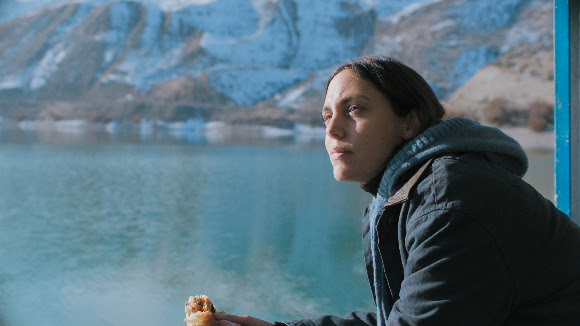
Yeşim Ustaoğlu’s Artakalan follows the journey of Elif, a poet, and Mehmet, a musician, as they search for the possibility of another life outside the one in which they have become stuck. I love Ustaoğlu’s cinema because it does not settle for telling a story but manages to create atmosphere and build characters, and to support them with artistic and technical achievement; Artakalan is no different. We are drawn into this world above all through the music, which becomes part of the soundscape and gradually one of the film’s characters, through the cinematography, which was also awarded in Antalya, and through the art direction.
While our cinema usually treats the problems of people, couples and families today through unemployment, poverty and housing, Ustaoğlu looks at the failure to communicate, which concerns every class. She brings together the paths her characters take in their own ways to cope with it, and their confrontations and reckonings with the past, in a story in which repair also takes on its literal meaning. The people encountered along the way by the characters played by Öykü Karayel and Metin Akdülger open new doors in the narrative, while Birhan Keskin’s poems enrich the journey cinematically as much as they do in literary terms.
‘Cinlerin Düğünü’
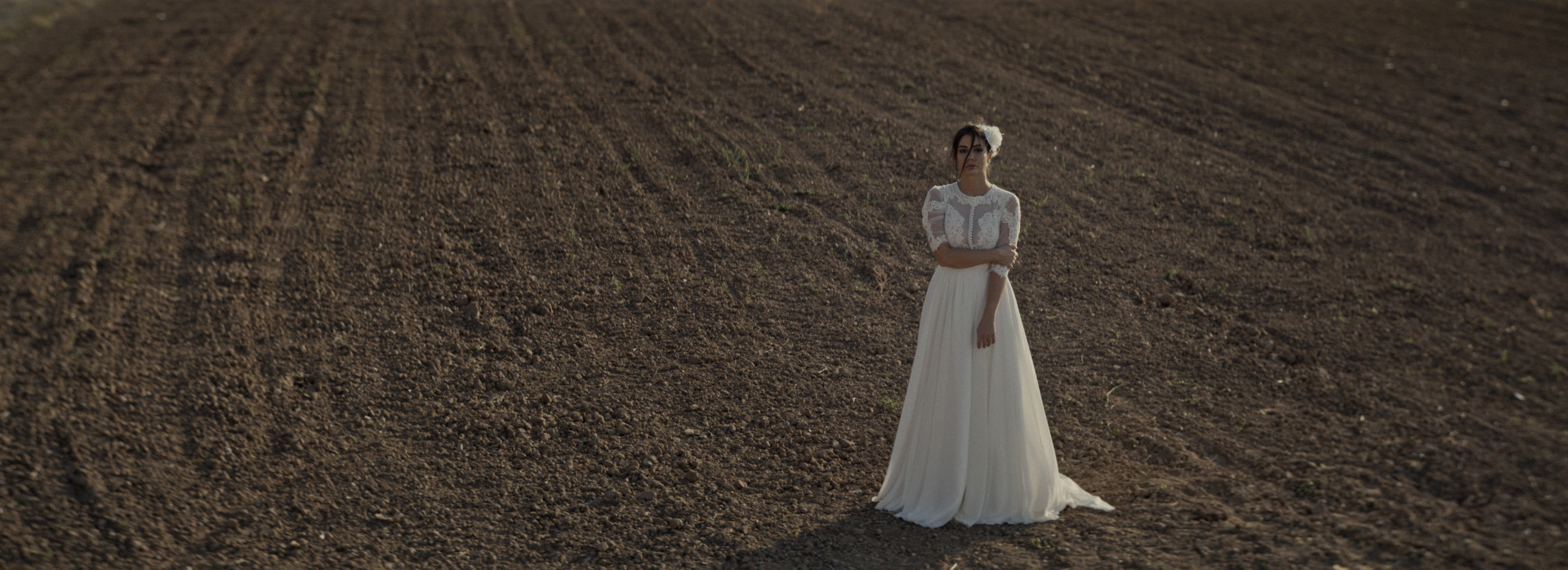
Ferit Karahan’s Cinlerin Düğünü spreads across three different periods the story of four siblings reunited after many years for a wedding in a remote Anatolian village, tracing the marks that family secrets and the wounds of the past leave across generations. What I found most impressive in Karahan’s film is the circularity he builds through the parallels, repetitions and doublings that link these three periods.
That those who share the same land are shaped by similar traumas, and that people we imagine to be living other lives find themselves inside the same fears, silences and loneliness, is reflected in the form of the narrative too. The film, in which Erol Babaoğlu, İlhan Şen and Helin Kandemir stand out, impresses with its mystical, magical atmosphere, its carefully composed images and its thoughtfully detailed world. On the other hand, the choice to turn to popular faces, particularly for some of the female roles, seems to have led to casting that does not fit the period and the region; these faces never quite settle into the world of the story, which at times weakens the film’s credibility and emotional impact.
‘Taş ve Tüy’
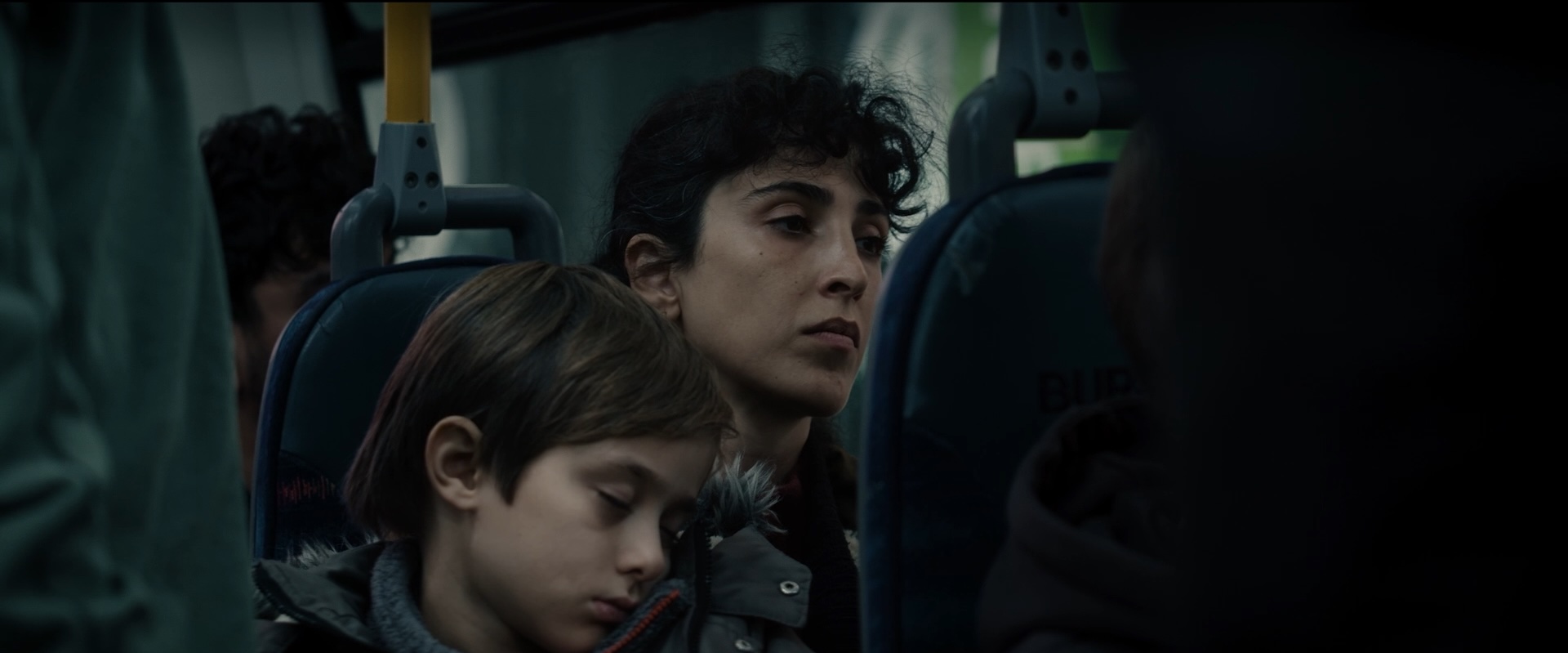
Ragıp Türk’s first feature, Taş ve Tüy, tells of a mother who wants to take back her child from foster care but, because of poverty, homelessness and unemployment, cannot meet the conditions required to do so. When I left the screening, I thought I had watched another of those “the poor are poor” films that do not think enough about the causes of the unbearable poverty they depict, the kind I rarely manage to get into. But when I later found myself discussing the questions the film raises with other people, I understood better where its real concern lay. What does motherhood mean? Is a biological bond enough to take a child back? When a mother’s desire to be reunited with her child clashes with the child’s future prospects, which should we put first? By setting the deprivation that living with the birth mother would bring against the opportunities a foster family could offer, the film opens up space for questions that cannot easily be answered. The striking performance of Melda Tuzluca, a new face for our cinema, and the presence of Onur Gözeten alongside her also carry the narrative. Despite some technical shortcomings and aspects of the script that did not fully convince me, it is fair to say that, with everything it leaves you thinking about and discussing after watching, Taş ve Tüy is a very good first film.
What happened at Film Forum?
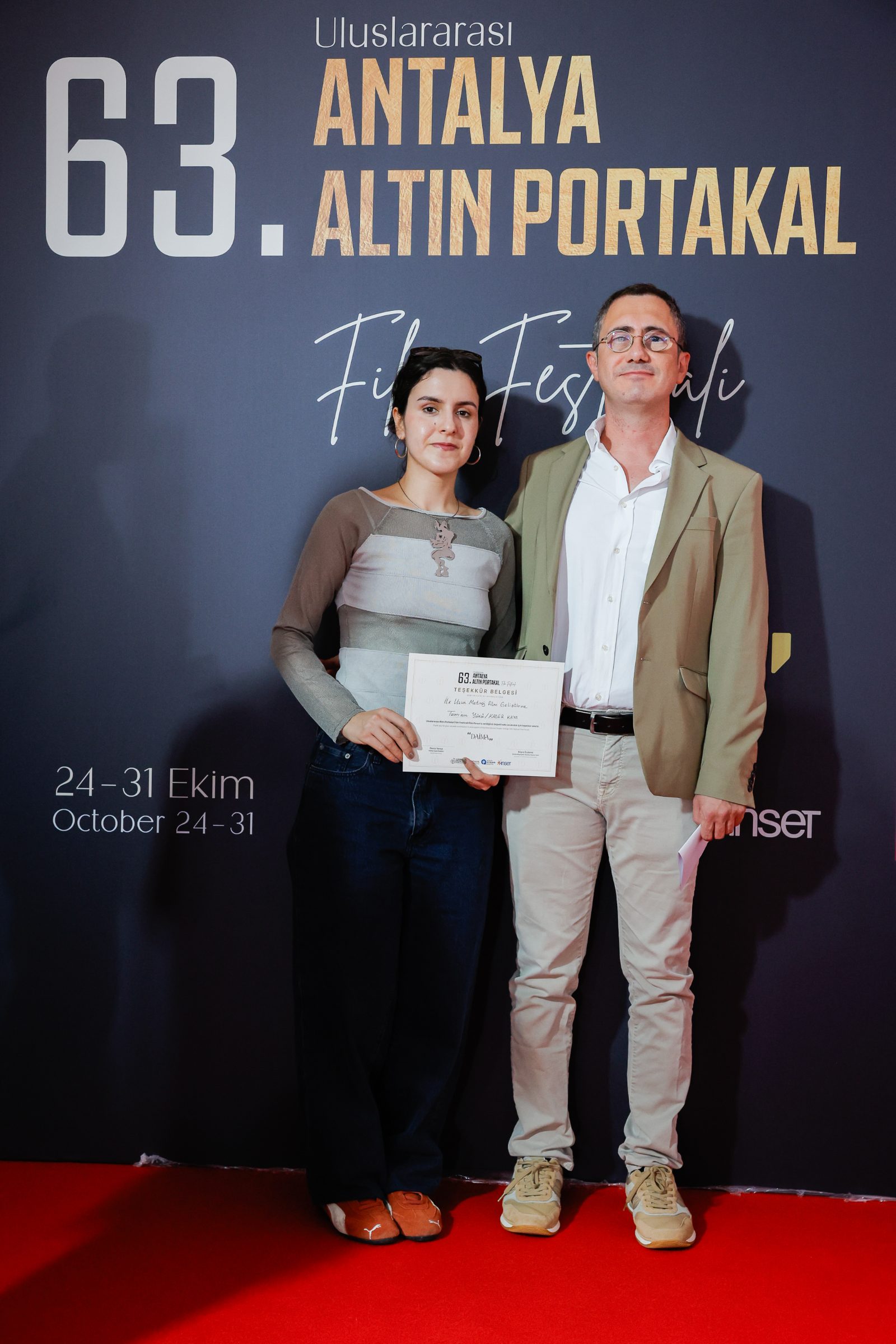
Film Forum, the strand through which the festival claims to support the films of the future, had made the news over its evaluation process before the festival even began. Questions about whether application videos had been watched, about which materials the selection committees assessed and by what criteria, and about changes to the list of finalists led 18 filmmakers to demand transparency in a joint statement. In its response, the management stated that videos were optional on the relevant platform and denied claims that critical comments had been deliberately deleted; it did, however, acknowledge a lack of administrative oversight in admitting to the final a project that did not meet the regulations, and declared another project a finalist in its place. On a support platform to which hundreds of filmmakers commit their work and their hopes, the most basic expectation should be that the evaluation criteria are clearly set out from the start and applied consistently to every application. Moreover, at the end of the process the First Feature Development Platform Award went to Kader Kaya’s Tanrının Yükü, the reserve project brought in to replace the one removed from the selection for not complying with the regulations. That a project the preliminary committee had left off its original list of finalists was judged worthy of an award by the main jury makes the questions about how the preliminary selection was carried out, at the end of such a contested process, all the more pertinent.
My bigger question, though, concerns the scope of this support. This year Film Forum gave a total of 1,450,000 lira in cash support to one project in each of five categories; in addition, two projects received Yeşil Setler Mümkün (Green Sets Are Possible) awards. These contributions aside, must we settle for supporting only a single project per category with a cash prize? For comparison, it is enough to look at the official award lists of Köprüde Buluşmalar (Meetings on the Bridge), the industry platform of the Istanbul Film Festival: in both 2025 and 2026, Istanbul offered 12 different film projects not only cash support but also other resources such as equipment, sound, colour, post-production services, training or consultancy. We can expect Antalya to complement its cash prizes with technical support that would reach more projects. The tangible measure of prestige should be sought not only in the size of the cash prize but also in the ability to build partnerships with those who will provide equipment, open their studios, or take on sound or colour work.
And the audience...
Nor can I fail to mention the Antalya audience. Every year, during the busy festival season, I attend film festivals in four or five different cities in Türkiye over two months. It has to be said that Antalya is by far the place where problems with cinema etiquette are worst. Phones ringing repeatedly in almost every screening, and sometimes even answered; loud conversations that go on throughout the film; people who may roughly shove you aside to see the celebrities walking the red carpet... It is not too much to expect the excitement of seeing film stars to be matched by a minimum of respect for those watching the film in the cinema and for the work on the screen.
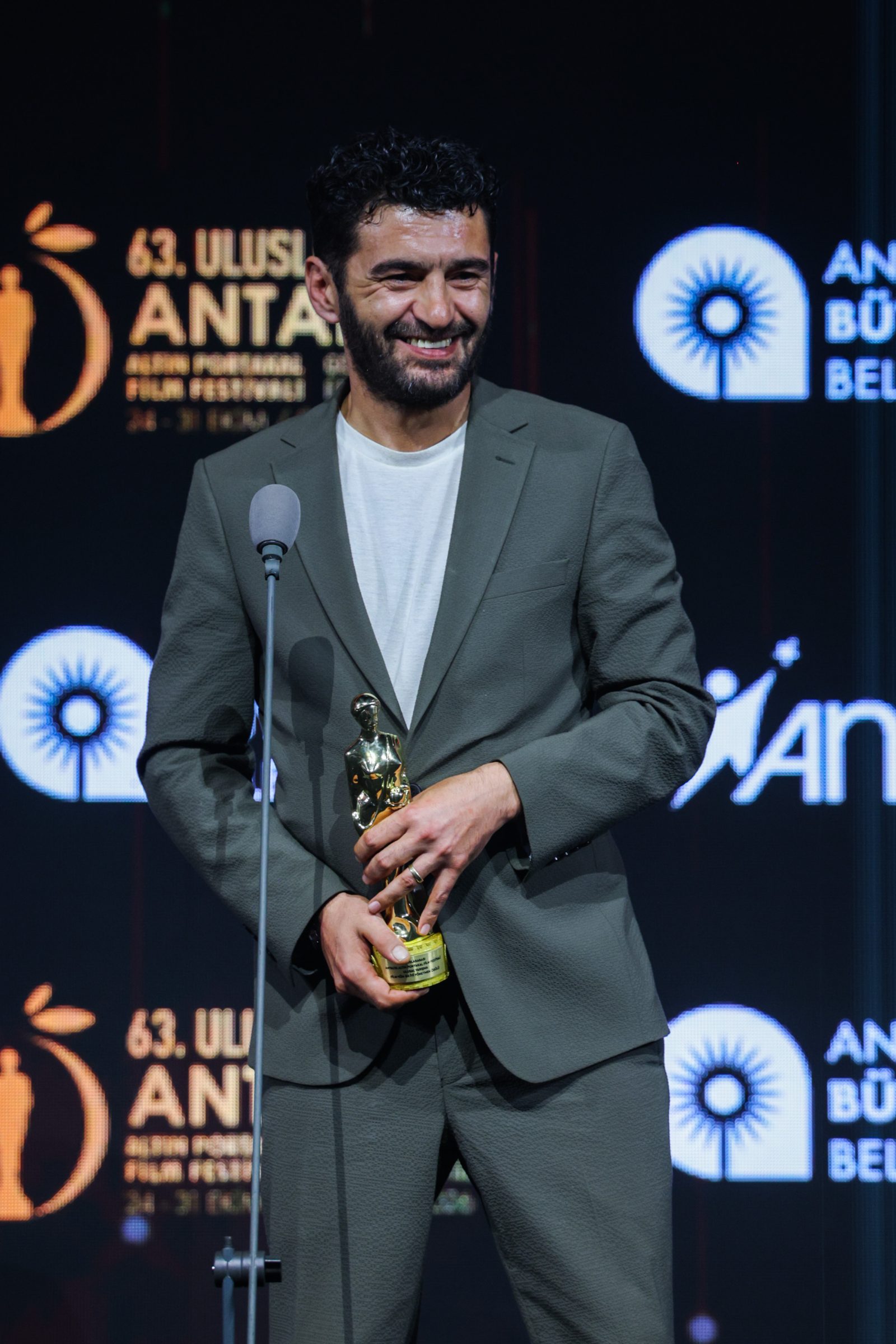
In the headline I asked “Where is Türkiye’s cinema heading?”. Judging by most of the films I saw in Antalya, and even more so if I include the films I saw in Adana, the answer, sadly, is not anywhere very good. And what is worrying is not only the shortcomings of these films but also the picture presented, through its selection and the way it supports the films of the future, by a festival that prides itself on being our cinema’s most prestigious showcase. To carry that title, Antalya needs to move beyond leaning on the great films it rewarded in the past and on the glamour of the stars it hosts, and to rethink its responsibility towards the present and future of cinema in Türkiye.
Awards in the National Feature Film Competition of the 63rd Antalya Altın Portakal Film Festival
Best Film: Taş ve Tüy (dir. Ragıp Türk)
Jury Special Prize: Kadim Mavi (dir. Emir Ziyalar)
Best First Film: Bir Anne Hakkında (dir. Büşra Bülbül)
Best Director: Yeşim Ustaoğlu (Artakalan)
Best Screenplay: Ragıp Türk (Taş ve Tüy)
Cahide Sonku Award: Melda Tuzluca (Taş ve Tüy)
Best Actress: Öykü Karayel (Artakalan)
Best Actor: Mehmet Günsür and Mert Fırat (Hakikatin Ölümü)
Best Supporting Actress: Duygu Köse (Bir Anne Hakkında)
Best Supporting Actor: Erol Babaoğlu and İlhan Şen (Cinlerin Düğünü)
Best Music: Can Kuman (Kadim Mavi)
Best Cinematography: Kiril Prodonov (Artakalan)
Best Art Direction: Osman Özcan and Görkem Canpolat (Artakalan)
Best Editing: Naim Kanat (Taş ve Tüy) and Emir Ziyalar with Jerome Pesnel (Kadim Mavi)
FİLM-YÖN Best Director Award: Ragıp Türk (Taş ve Tüy)
Awards in the International Competition of the 63rd Antalya Altın Portakal Film Festival
Best Film: The Moon Is a Father of Mine (dir. George Ovashvili)
Jury Special Prize: Minotaur (dir. Andrey Zvyagintsev)
Best Director: Lorenzo Ferro and Lucas Vignale (The River Train)
Best Actress: Magdalena Laubisch (Six Weeks On)
Best Actor: Mahendra Perera, Shyam Fernando, Randika Gunathilaka and Priyantha Sirikumara (Riverstone)