From a book club to curating a literature festival: Dua Lipa and Service95
How can a pop star open up space in the literary world? The question that brought Dua Lipa and Mustafa together for a conversation on poetry, grief and memory at London’s Royal Festival Hall on 24 October also tells us where a journey that began with Service95 has arrived today.
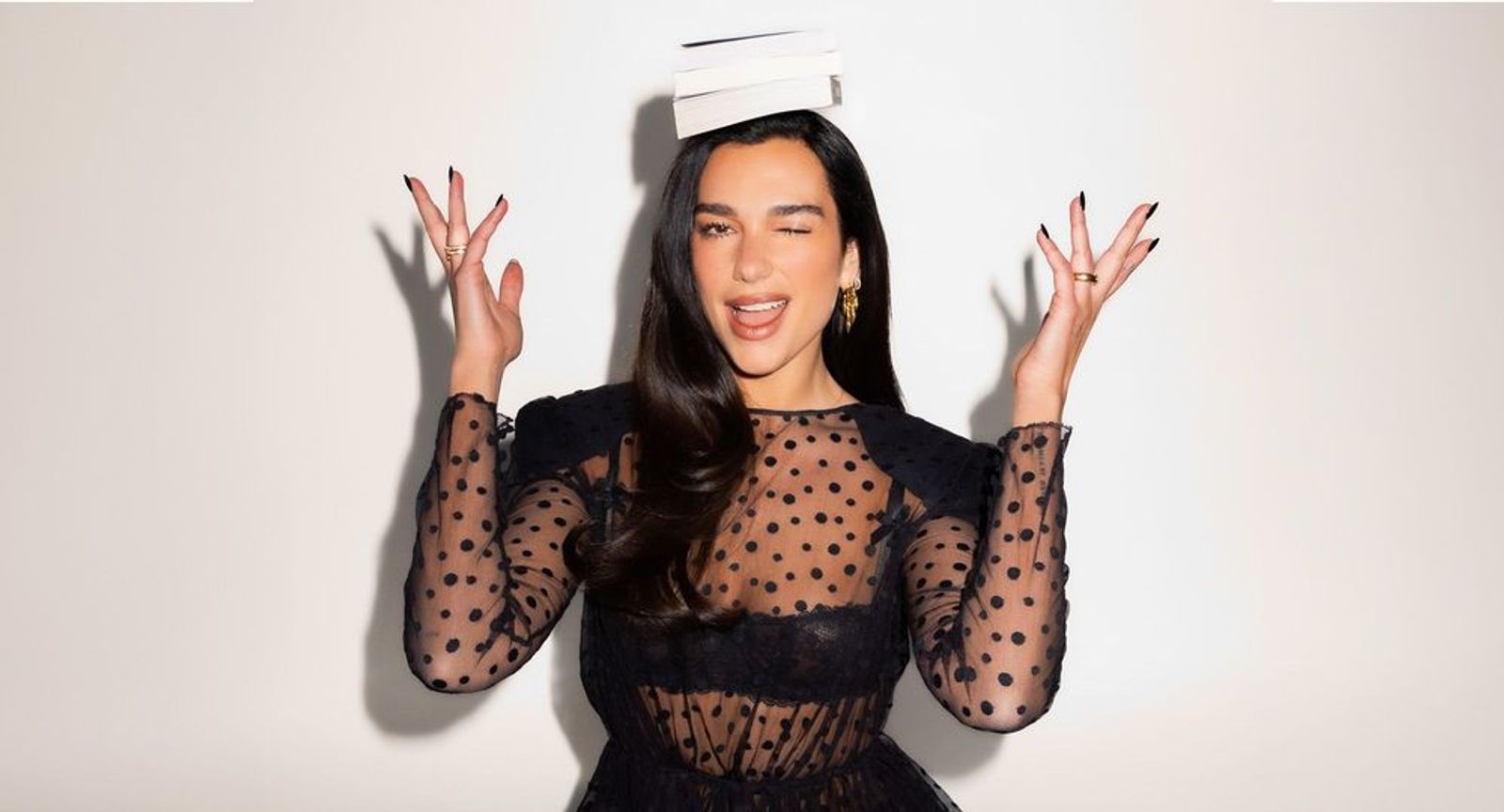
On the evening of Saturday 24 October, I take my seat at London’s Royal Festival Hall to hear the conversation between Dua Lipa and Mustafa. At the heart of the evening are poetry, grief, memory and the relationship people form with loss. A gathering moderated by a pop star may look unusual at first glance. But those who have followed Dua Lipa’s relationship with literature in recent years will know that it is part of a wider story.
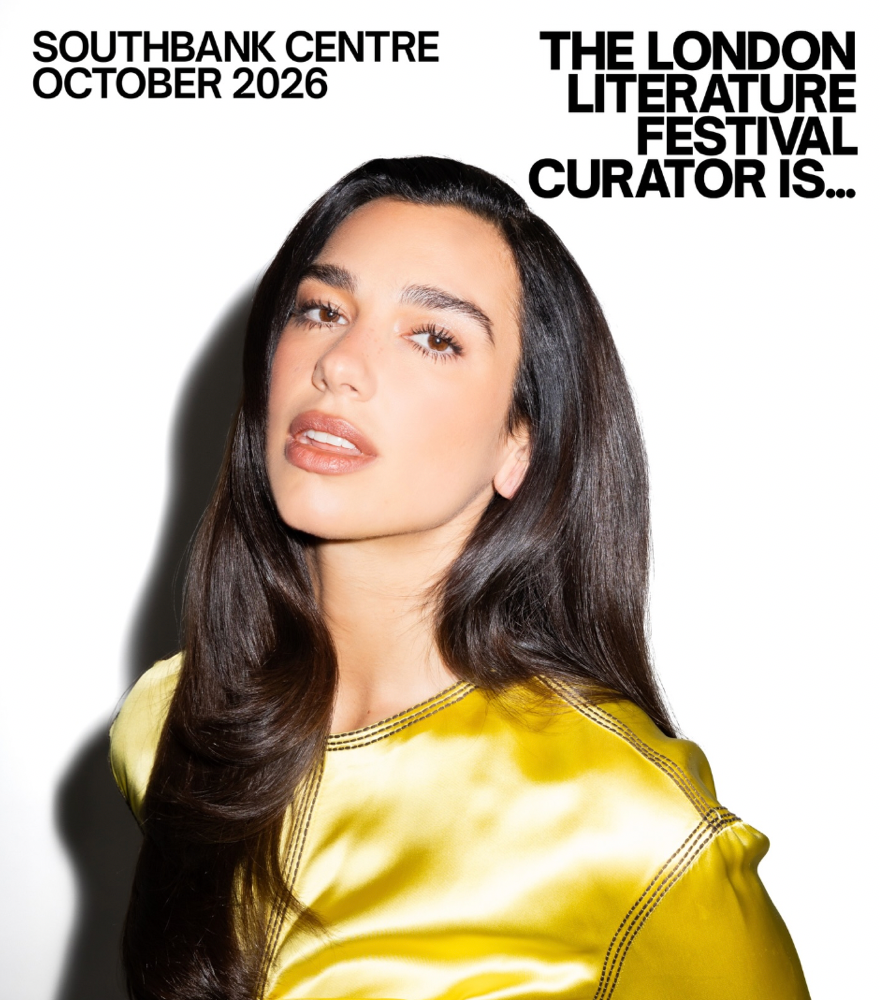
This journey, from the Service95 Book Club launched in 2023 to curating the London Literature Festival, shows how Lipa has carried her cultural influence beyond music. Treating literature not merely as a personal interest but as a shared space where different voices can come together, Service95 now invites us to rethink the experience of reading.
From pop stardom to cultural curation
Defining Dua Lipa by her music career alone is no longer enough. Alongside her three Grammy Awards, seven Brit Awards, world tours and billions of streams, another side of her has come to the fore in recent years: that of a cultural curator trying to place literature at the centre of contemporary culture.
Born out of Lipa’s own reading habits, the Service95 Book Club soon went beyond monthly book recommendations. With interviews with authors and content bringing together literary voices from different parts of the world, it grew into an international platform. A guest list stretching from Margaret Atwood to Percival Everett also makes clear that the initiative is not simply a channel where a celebrity shares book tips.
A musician carrying their cultural influence into another field is, of course, nothing new. What makes Lipa’s approach interesting is that, rather than presenting literature as an extension of her personal brand, she treats it as a space for discovery and sharing in its own right. Service95 connects writers with new readers while also trying to turn reading from an individual habit into a shared cultural experience.
This year the initiative moved beyond the limits of its digital platform and into the programme of the Southbank Centre, one of London’s major cultural institutions.
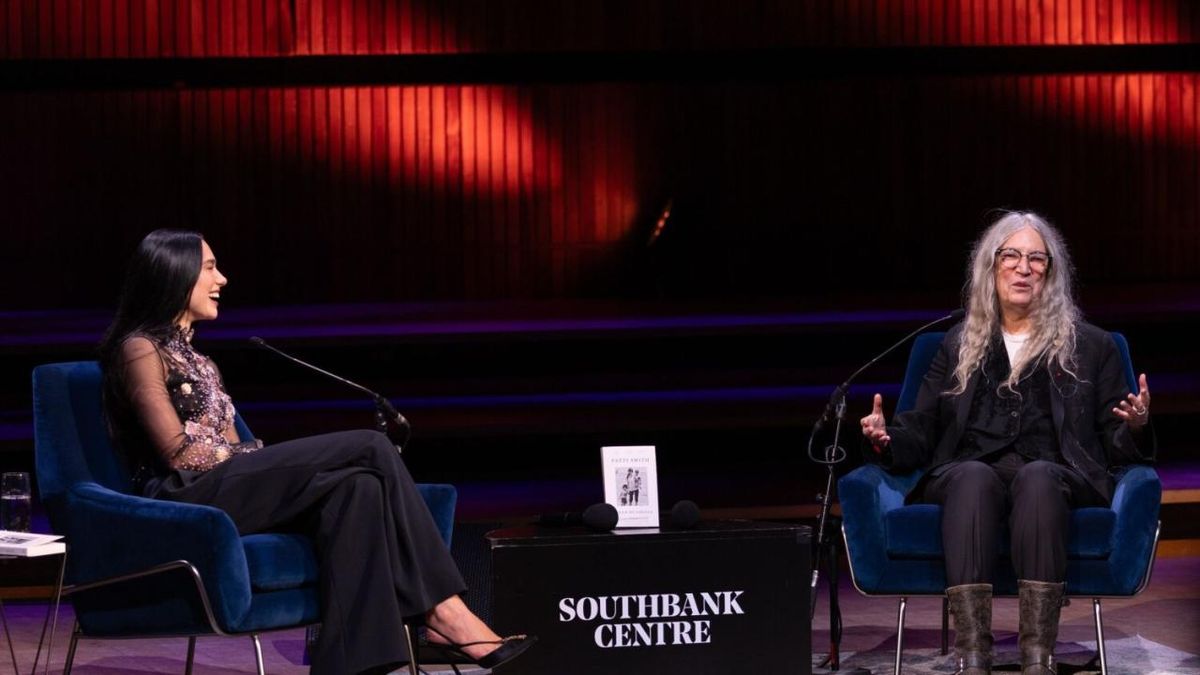
With Mustafa, on poetry, grief and memory
At the centre of the conversation at the Royal Festival Hall were Mustafa’s poetic world and Nour, the digital poetry anthology he published in 2025. The Sudanese Canadian artist’s work moves between music, poetry and film while returning to themes such as loss, belonging, faith and memory.
In Mustafa’s work, grief is not a feeling that follows a loss in the past and is left behind with time. It is an experience that lives on within everyday life, memory and human relationships. Poetry, rather than offering definitive answers to this experience, looks for ways of living with it.
Listening to the conversation, it is hard not to think again about the power of poetry. Sometimes a single image, a silence or an unfinished thought can convey what a long narrative tries to explain. Poetry makes room for thinking around a feeling without having to make everything clear.
Safia Elhillo and Victoria Chang: different languages of loss
As we think about Mustafa’s poetic world, the work of Safia Elhillo and Victoria Chang also opens different windows onto the themes of loss, belonging and memory.
Sudanese American poet Safia Elhillo explores language, migration, cultural memory and belonging in a personal voice. The poetic relationship she builds between Arabic and English shows that language is a way not only of communicating but also of carrying identity and the past. In her poems, shaped around faith and addressing God, spirituality becomes a space of questioning and a search for closeness rather than one of certain answers.
Victoria Chang, meanwhile, rebuilds the language of grief in her book Obit, written after her mother’s death. Drawing on the form of the obituary, her poems do not limit loss to the absence of a person. They suggest that memory, everyday habits and what we know about ourselves can also change over time.
Elhillo’s poems, which unfold around belonging and faith, and Chang’s approach of taking loss apart and examining it piece by piece, take up the questions we meet in Mustafa’s work from different directions: How do we keep talking to those we have lost? How far can language carry absence? Can poetry help us relate to the things we cannot explain?
What these three poets’ worlds have in common lies less in having lived similar experiences than in the way they open the personal up to thinking about a wider human condition.
A literary space opened by a pop star
What Dua Lipa is doing through Service95 goes beyond bringing literature to wider audiences. The real point is to create new encounters between different cultural fields.
Bringing a musician’s followers to poetry, a literature festival’s audience to contemporary music, and writers from different generations together on the same stage offers an example of how cultural curation can change today.
For me, the evening at the Royal Festival Hall was a concrete expression of this approach. It was a gathering that reminded me once again that poetry, starting from seemingly personal matters such as loss, faith and memory, can open up a shared space for thought.
Perhaps this is where Service95’s real importance lies: in treating reading not only as an individual habit but as a cultural experience that can be talked about, enriched by other art forms, and given new meaning as it is shared with others.