Reykjavík beyond the clichés: 10 local stops in a day
One of the world’s northernmost capitals, Reykjavík is usually seen by travellers arriving on the island as little more than a place to sleep or a stopover on the way to nature tours. Yet with its human scale, distinctive architecture and use of public space, the city offers the most tangible summary of the island’s way of life. It is also remarkably generous to anyone who wants to trace what it means to “be from here” and the patterns of everyday life on the island. A guide for those who want to fit 10 of the city’s local stops into a single day.
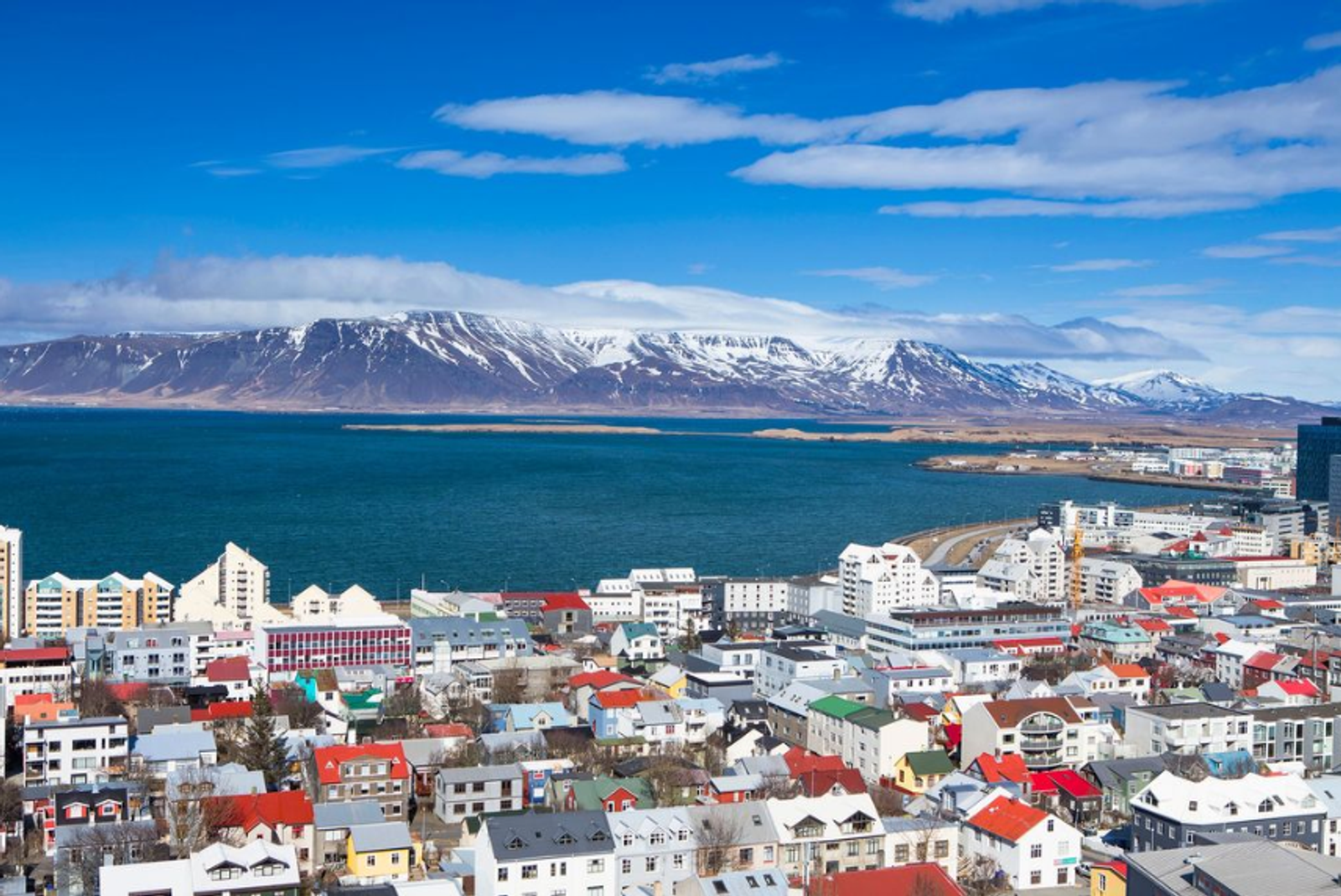
Iceland is one of the most popular and captivating destinations in global travel culture. Visitors’ itineraries tend to follow a single template: geysers, vast waterfalls, crater lakes, black-sand beaches and the Game of Thrones locations filmed on the island… Yet these near-identical, nature-focused routes make the island’s social, cultural and gastronomic heart almost invisible: the capital, Reykjavík.
One of the world’s northernmost capitals, Reykjavík is usually seen by travellers arriving on the island as little more than a place to sleep or a stopover on the way to nature tours. Yet with its human scale, distinctive architecture and use of public space, Reykjavík offers the most tangible summary of the island’s way of life. It is also remarkably generous to anyone who wants to trace what it means to “be from here” and the patterns of everyday life on the island.
The architectural details you come across walking along Laugavegur and the surrounding streets, the local design workshops, the lively social spaces around the old harbour and the coffee houses that keep Nordic neighbourhood culture alive: together they are the city’s expression of the calm peace Icelandic society has made with its harsh geography.
Icelanders are loyal to their routines, and they care about keeping local, small and medium-sized businesses alive, taking a clear stand on the matter. This collective preference is the main reason global fast-food chains could not gain a foothold in the country for many years. While the story of McDonald’s leaving the island still holds its place in Iceland’s collective memory, the current shift is striking: the intense interest in the two Starbucks branches that opened recently, and the two more due to arrive in the coming months, point to a quiet but significant break in Reykjavík’s consumer habits. The struggle between older, traditionalist Icelanders and a younger generation unwilling to stay apart from the world and its consumer culture is reflected across the whole country.
Now to my suggestions for spending a day in Reykjavík like an Icelander and understanding the spirit of the city. My first is to start the day early, at sunrise even, because to my mind Reykjavík is a daytime city. Promising to stay away from popular, clichéd spots, I leave you with my 10-stop Reykjavík route.
Reykjavík is a city where everything exists on a medium scale, yet almost every experience and option sits above average in quality. Here you might genuinely have to make an effort to eat a bad burger, pizza or ice cream. When thinking about how expensive the city is, we should always keep in mind its reasonable wage system, praised around the world, and the long journey that goods take to reach the country.
Is Iceland an expensive country? Yes. And is Reykjavík an expensive city? Very!
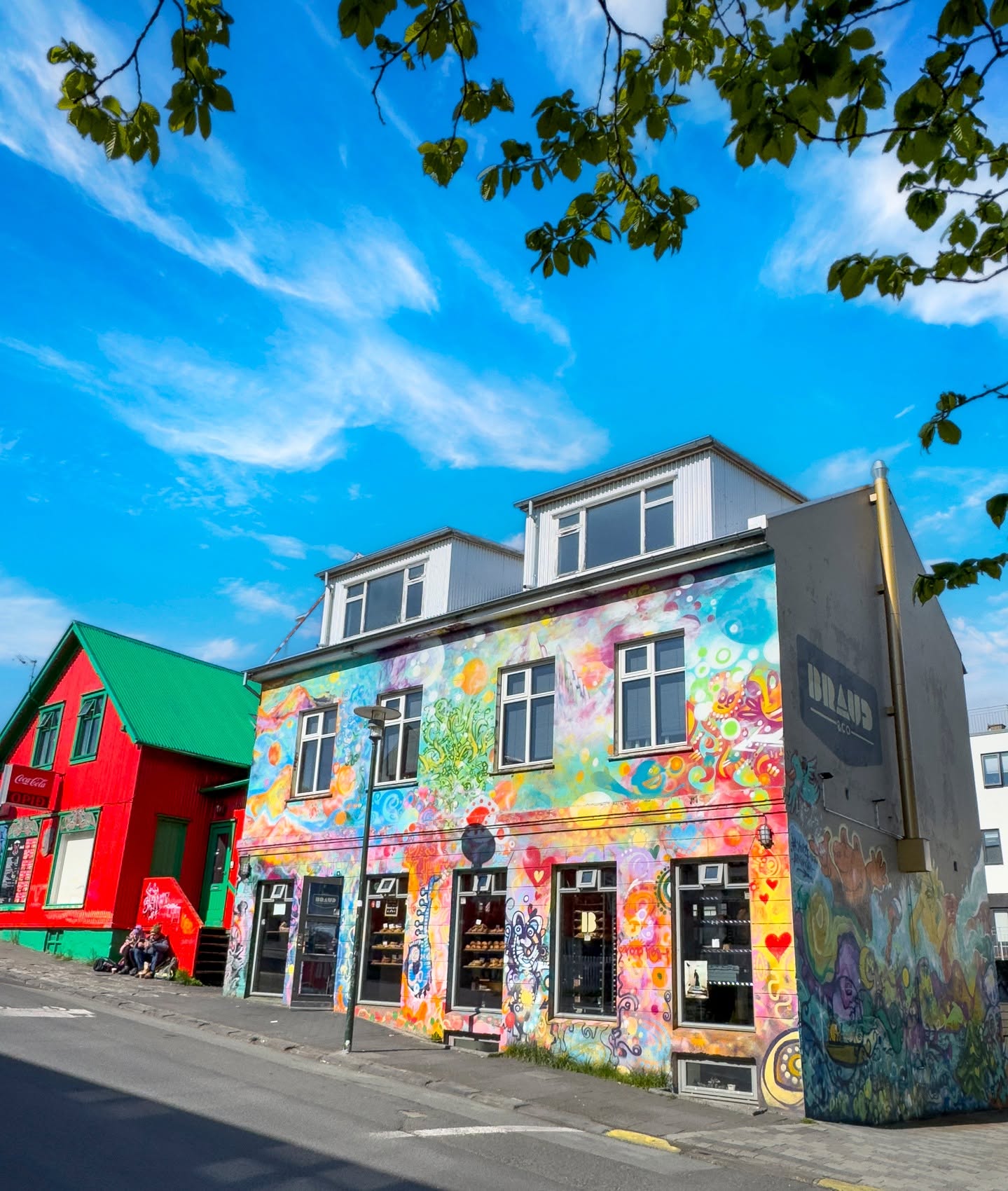
1. The early riser’s reward: Reykjavík’s bakeries
If you have managed to start the day early, very early even, you are in luck. Choosing between the bakeries in the city centre will be one of the hardest decisions you make in Iceland. By slipping in, almost in passing, that my family’s breakfast spot for three years running has been Sandholt on Laugavegur, I keep my promise to steer clear of clichés; and to the list I add Brauð & Co and Bakarameistarinn, which has been serving since 1977 and holds an important place in Icelanders’ daily routines. Their irresistible cinnamon buns, whose scent fills the whole street, and the Icelandic classic ostaslaufa, the local equivalent of the Turkish poğaça (a soft cheese-filled pastry), are a must at both.
Take note
Sandholt: Laugavegur 36. (In business since 1920.)
Brauð & Co: Frakkastígur 16. (The first branch; famous for its colourful building, limited seating.)
Bakarameistarinn: Stigahlíð 45-47, Suðurver. (A local favourite since 1977.)
My tip: Start the day with a warm cinnamon bun fresh from the oven and a coffee, then walk the streets around Frakkastígur.
Once we have left the bakeries, with their scent of cinnamon and yeast, and made an energetic start to the day, it is time for the locals’ most deeply rooted daily habit.
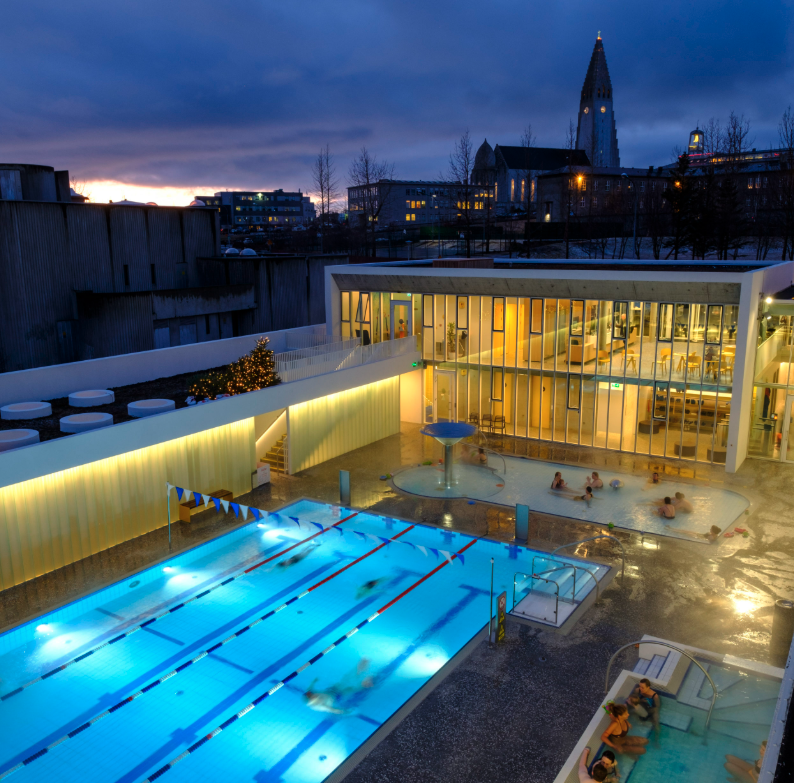
2. The essential routine: geothermal neighbourhood pools
For Icelanders, the most essential routine of daily life is the local pool culture, whatever the season. At a time of day chosen according to the weather, you can pick one of the 18 neighbourhood pools spread across the city. There are touristy lagoon experiences close to the centre, but we woke up like Icelanders today and we will carry on that way. The only thing you need to know about pool culture in Iceland is the rule of showering before you swim. It is one of the few rules in the country that cannot be bent, and perhaps the strictest of them all. For reasons I struggle to understand, the arguments between locals and tourists over this rule never stop, yet the quality and naturalness of the geothermal water in the pools, and the fact that it stays largely free of chemicals (very little chlorine is used), depend precisely on this hygiene rule being strictly enforced.
In the pools, where the water averages 27 to 30 degrees, the temperature in the children’s section rises to as much as 32 degrees. The facilities are free for children, and there is no time limit on using them. Depending on when you visit Iceland, soaking in a geothermal pool as snow falls could well become one of the most unforgettable moments of your trip. When choosing among the 18 pools you can go by location and proximity; but particularly for families with children, my recommendation would be Laugardalslaug, 15 minutes from the city centre by bus.
Take note
Sundhöllin: Barónsstígur 45a. (The city’s oldest pool, 1937.) Admission for adults is around 1,430 ISK.
Vesturbæjarlaug: Hofsvallagata. (The neighbourhood favourite of west Reykjavík, around 1,330 ISK.)
Opening hours: On weekdays the facilities are generally open from 06:30 to 22:00, and at weekends they open between 08:00 and 09:00. For current ticket and opening information: sundlaugar.is
My tip: Get into an outdoor geothermal hot pot while snow is falling, and follow the unbendable shower rule to the letter from the start.
Having shaken off the morning chill and the northern wind in the hot geothermal water, we walk towards the campus to touch Iceland’s real “cathedrals”, its words, in defiance of a city history that lacks old buildings.
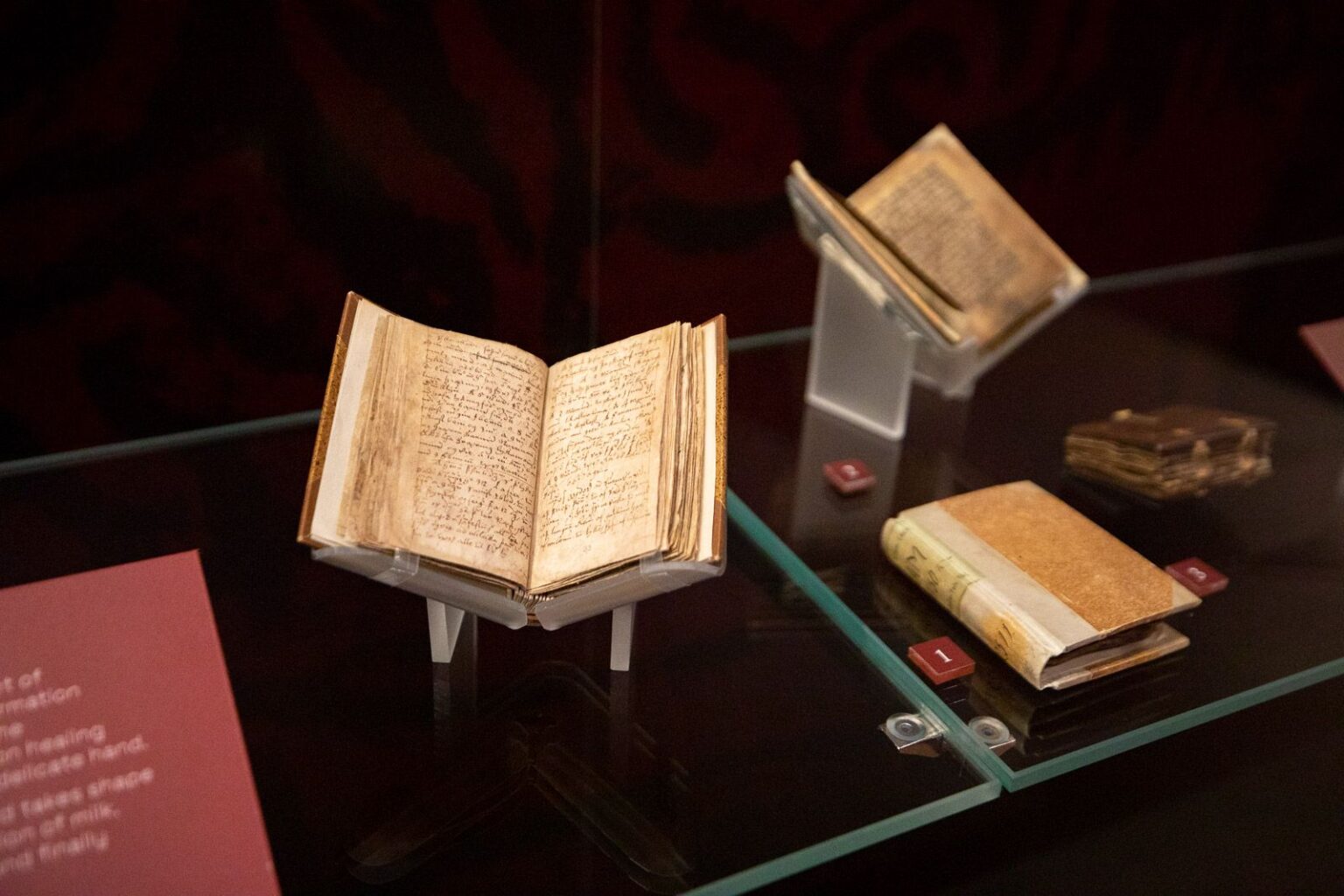
3. The memory of words: Edda and the ‘World in Words’ exhibition
The oldest surviving buildings in Iceland date back only to the mid-18th century. The island therefore has no architectural cathedrals; but it does have a fortress of written memory. The permanent exhibition World in Words (Heimur í orðum), which opened in Edda, the striking new building of the Árni Magnússon Institute, is that memory made tangible.
The manuscripts that carried into our own time the vast universe of Norse mythology, the stories of Thor and Odin, and the sagas woven from love and blood feuds are national treasures listed on the UNESCO Memory of the World Register, more than half of which have returned to the island after a historic struggle with Denmark over their “repatriation”. Brought to life through four years of meticulous design, this dim, cave-like exhibition space creates a captivating atmosphere in which the Old Norse creation myth Völuspá is read alongside the Christian creation story and centuries-old drawings are projected onto the walls.
Viewing, in rotation, unique documents of human history such as the Codex Regius, Möðruvallabók or the Grágás law codes, you understand more clearly that a society’s greatest refuge against harsh nature is its “stories”.
Take note
Address: Arngrímsgata 5. (On the University of Iceland campus, 600 metres from the National Museum.)
Opening hours: Tuesday to Sunday, 10:00 to 17:00. (Closed on Mondays.)
Admission: 2,500 ISK for adults, free for under-18s. Tickets can be bought at the door or online.
My tip: On the way out, pause in the final corridor where the closing sections of Völuspá are read aloud and listen to the world reborn after Ragnarök; then stop at the historic Björnsbakarí nearby to complete the local ritual.
Leaving the memory of words behind, we move on to the most characteristic stop of all, one that lets us carry this landscape on our backs.
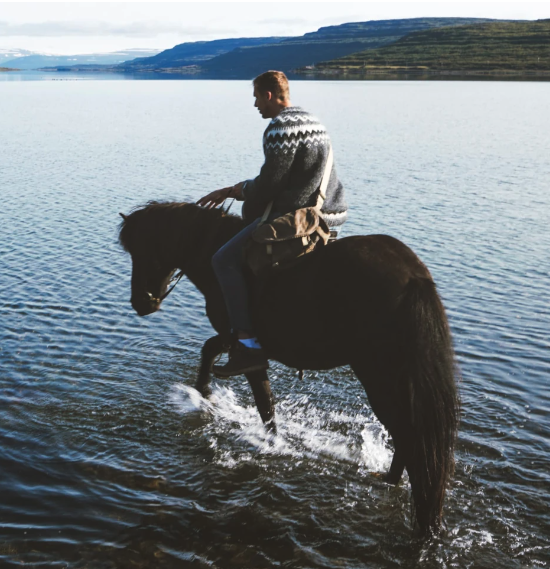
4. A single item: the lopapeysa
Shopping is a relative matter, but in Reykjavík, one of the most expensive cities in the world, setting aside a budget for clothes or technology is not a popular choice. In an economic reality where even Icelanders travel to the US and to the UK, which almost counts as a neighbour, to buy technology, if I were to make a single exception, or were allowed to buy just one item from Iceland that best represents the place, it would without question be the lopapeysa.
These handmade sweaters, the lopapeysa, produced through a particular knitting technique and blend of yarn, have been one of the most important symbols of Icelandic identity since the 1950s. According to the Icelandic writer Árni Árnason, the sweater became popular among workers for the superior protection it offered in the era of farming and fishing, and turned into an emblematic part of national identity.
The subject also has an important place in the Icelandic household economy. Regardless of age or season, most Icelanders keep lopi yarn ready in their bags, and at every opportunity out come the yarn and knitting needles. As a tradition in Icelandic families, the socks, hats and lopapeysa sweaters knitted by grandmothers are passed down to the younger generation in an effort to preserve this culture. Considering that a well-cared-for lopapeysa can be worn for decades, this is a significant value, and one worth protecting. That the sweater has been knitted by Icelanders themselves also adds great value to it.
The centre of Reykjavík (as in every other European city) is sadly full of cheap shops selling replica souvenirs. This is something we might not mind much for a fridge magnet or a keyring, but it also applies to lopapeysa sweaters. You can find thousands of very cheap, mass-produced sweaters in identical patterns on the streets of Reykjavík.
So where can you buy a real lopapeysa?
One of the places that gathers sweaters knitted across the country and puts them on sale, and whose products’ authenticity is beyond doubt, is the Handknitting Association of Iceland (İzlanda El Örgüsü Derneği). In recent months it was named “best place to buy a lopapeysa” for the fourth year in a row by Reykjavík Grapevine, Iceland’s most widely read English-language magazine. Founded by women knitters in 1977, the association says it puts its products through strict quality control before they reach the shelves. The magazine specifically recommends it over the many shops selling machine-knitted, poor-quality sweaters. Since its founding, the association has aimed to set standards and principles for the production of hand-knitted sweaters, hats and mittens, and stresses that this work still provides an important supplement to the income of Icelandic families.
Take note
Handknitting Association of Iceland (Shop 1): Skólavörðustígur 19. (On the main street running down from Hallgrímskirkja.) Weekdays 09:00 to 19:00, Saturday 09:00 to 17:00, Sunday 10:00 to 17:00.
Handknitting Association of Iceland (Shop 2): Borgartún 31.
My tip: In the shop, be sure to check the label inside the sweater and ask the staff to tell you the story of the local woman who knitted it.
Now that we have pulled on our sweaters against the northern winds and walked the streets, it is time for the lunch stop that best sums up the city’s memory and its gastronomic transformation.
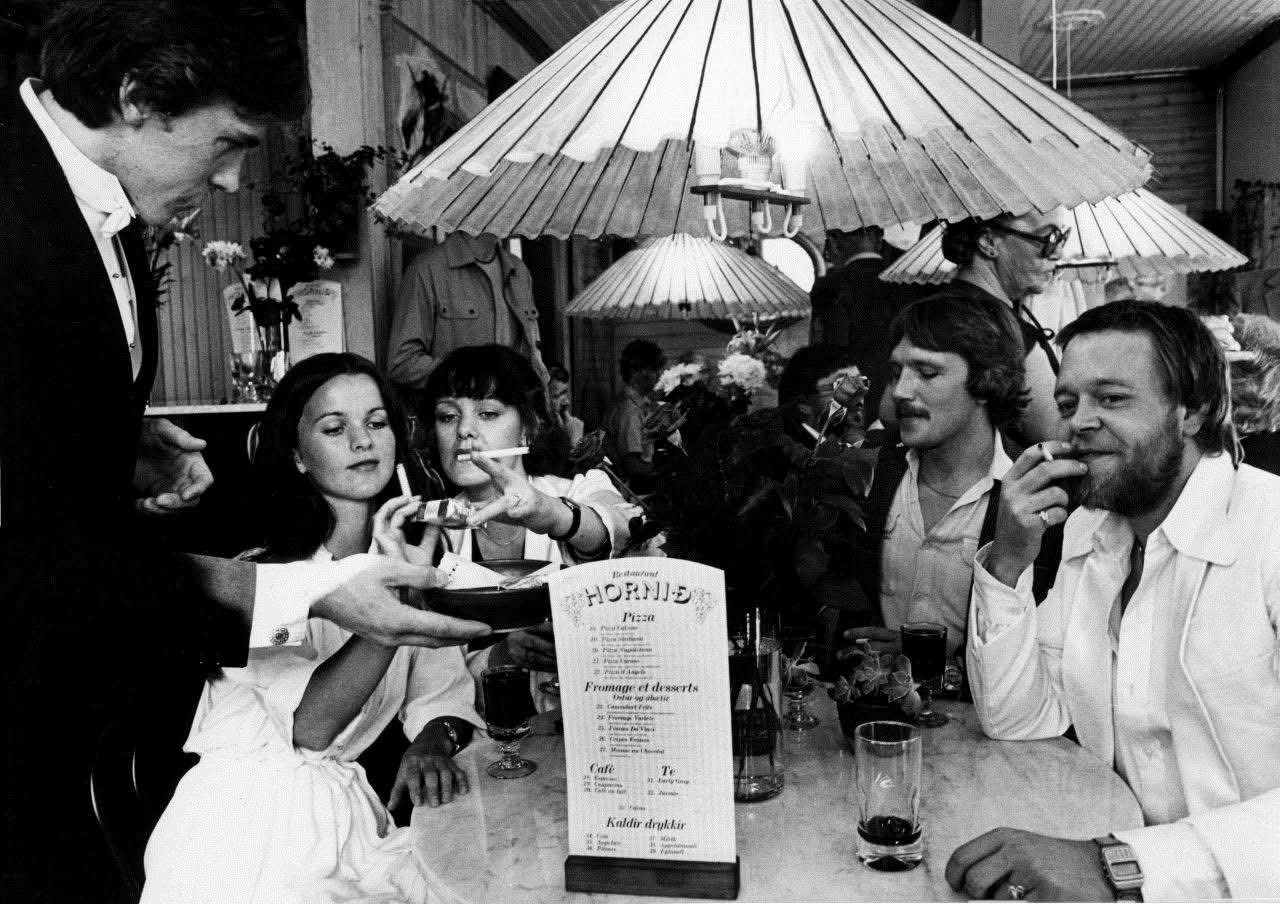
5. The first Italian restaurant and pizzeria: Hornið
Hornið, Iceland’s first Italian restaurant, which opened its doors on 23 July 1979, brought pizza into Reykjavík’s everyday life and remains one of the traditional food spots among locals’ favourites. Founded by chef Jakob Magnússon and his wife Valgerður Jóhannsdóttir, it continues today as a family business together with one of their children, Hlynur Jakobsson. As Jakob puts it, the menu stays true to its original essence from opening day and has been preserved over the years, with only a few new dishes added.
The building at Hafnarstræti 15 that houses the restaurant is a summary of the city’s history in itself: over more than a century, its ground floor has hosted businesses such as a shipping company’s spare-parts store, a shop selling fishing supplies and a fabric shop, and in the 1920s the same floor was home to Reykjavík Bar. Never having moved from the corner of Hafnarstræti and Pósthússtræti since 1979, Hornið keeps its place in the city’s shared memory with fresh pizza and pasta. In the basement, the historic jazz club Djúpið, which hosted some of Sigur Rós’s early concerts, keeps live music culture going on Thursday evenings.
Take note
Address: Hafnarstræti 15 (corner of Hafnarstræti and Pósthússtræti). Tel: +354 551 3340.
Opening hours: Every day, 11:00 to 22:00. (The kitchen closes at 21:00.) Booking is recommended on Friday and Saturday evenings.
Djúpið jazz nights: Live jazz on Thursday evenings at 20:30. (Tickets around 4,000 ISK.)
My tip: Alongside the thin-crusted classic pizza from the stone oven, be sure to try the rich fish soup that is chef Jakob’s personal favourite; and if you happen to be there on a Thursday evening, buy a ticket for the jazz night downstairs.
After lunch we move on to the city’s most colourful ritual, the sweet break nobody gives up whatever the weather.
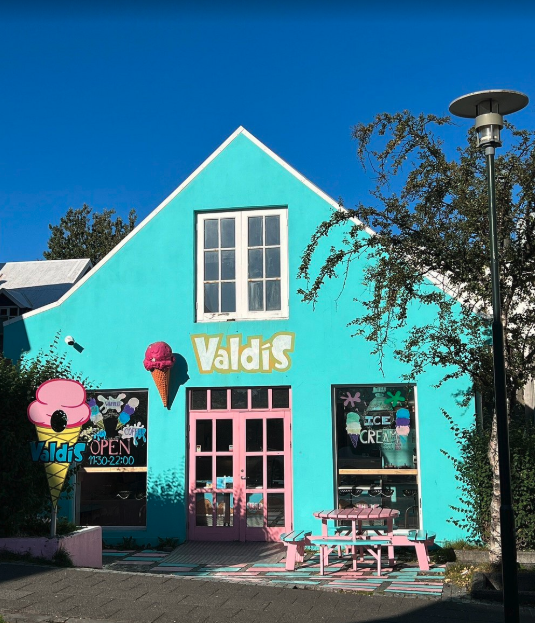
6. An Icelandic classic: ice cream
I still remember my surprise at seeing that in Iceland ice cream is eaten without a break all 12 months of the year, and how much it is loved. For many years ice cream parlours worked like neighbourhood clubs where young people gathered and socialised, becoming woven into the city’s culture, and the habit is still very much alive today.
Among the classics you should not miss in Reykjavík, Valdís stands out as the locals’ first choice in the centre, with its wide range and well-established flavours. My personal favourite, which could perhaps be the subject of an article of its own, is rye bread ice cream, flavoured with Iceland’s famous traditional rye bread: a Nordic classic in every sense.
Then there is the liquorice, or lakkrís, side of things. Flavours made from the liquorice root plant, which I still have not warmed to despite three years on the island, find their way into ice cream too. Here they say “You either love liquorice or you hate it”; but it is definitely worth trying. At the very least you will find out which side you are on.
Take note
Valdís: Grandagarður 21 (Old Harbour / Grandi area) and Frakkastígur 10.
Highlights: Rye bread ice cream, salted caramel and liquorice (lakkrís) flavours.
My tip: As a test of cultural courage, try a single scoop of liquorice (lakkrís) ice cream and find out straight away which side you are on.
Locals hungry after the geothermal pool and those walking the city’s emblematic streets after their ice cream break all end up, sooner or later, at the same food stand.

7. Making peace with clichés: Bæjarins Beztu Pylsur
At the start of this guide I promised to “stay away from popular, clichéd spots”, but when it comes to Bæjarins Beztu Pylsur I have to stop and honestly open a parenthesis. This small red stand, whose name literally means “The Best Hot Dogs in Town”, is without doubt Iceland’s most photographed food symbol and the first entry in the tourist guides. So why, despite the tourist rush, have locals kept patiently queuing in front of it since 1937?
The answer lies in Icelanders’ loyalty to small family businesses and the island’s livestock traditions. Run by the same family since 1937 and standing on Tryggvagata, right opposite Harpa, the stand sells around a thousand portions on a busy day. And the good-natured argument in the queue between locals and tourists over whether to say pylsa or pulsa never ends.
The secret of the flavour comes straight from the landscape itself. The lamb that is the main ingredient of the sausage comes from the same free-roaming native sheep that provide the wool for the famous lopapeysa sweaters I mentioned earlier. Produced by Sláturfélag Suðurlands, the sausages follow a special recipe in which lamb dominates, balanced with beef and pork.
It is worth preparing a small local vocabulary for your order. Say “ein með öllu”, meaning “one with everything”, at the stand and your hot dog comes with raw onion, crispy fried onion, ketchup, sweet brown mustard (pylsusinnep) and the special mayonnaise-based sauce remúlaði . If, like Bill Clinton during his 2004 UNICEF visit, you skip the sauces and want only mustard, just order “a Clinton”, as it is known among locals.
Take note
Address (main stand): Tryggvagata 1. (Opposite Harpa Concert Hall, near the Old Harbour.)
Other outlets: Smáralind shopping centre, Skeifan, Holtagarðar and Breiddin.
My tip: Join the queue after a session at the geothermal pool and follow the local ritual by ordering “ein með öllu”.
As the hours move towards late afternoon, it is time for the island’s most intriguing, and at times daunting, traditional food culture.
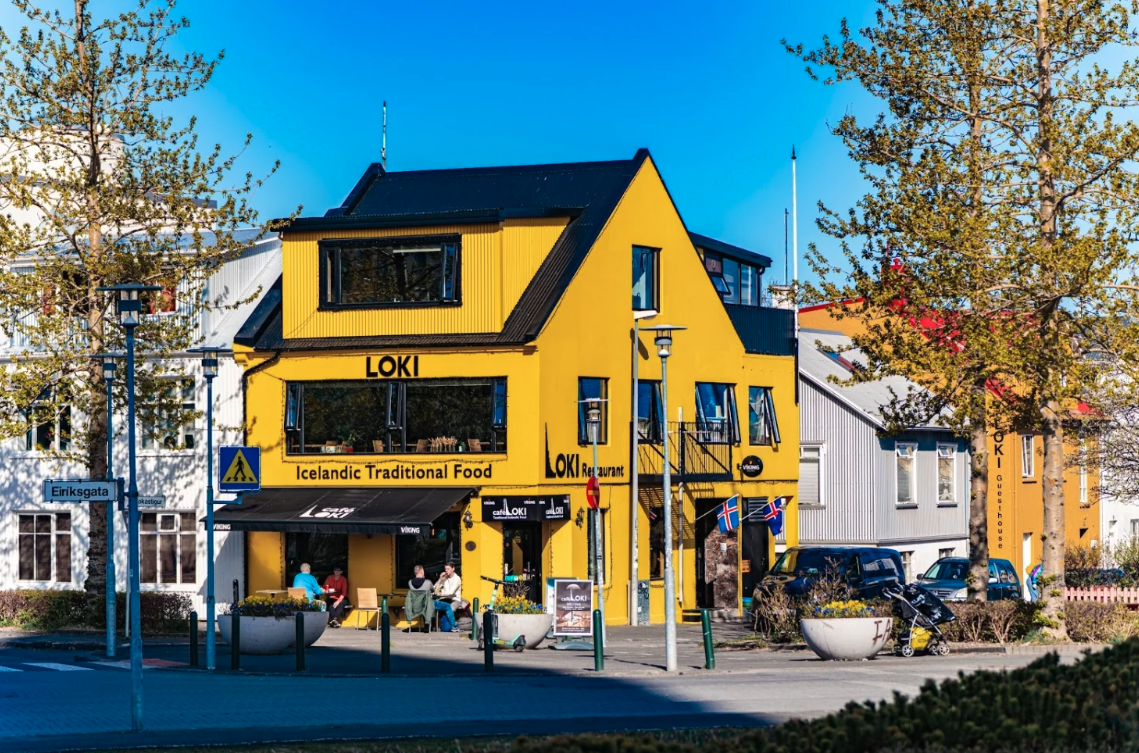
8. Shark meat and traditional flavours: Café Loki
The question I am asked most often, by visitors to Iceland and by friends who spot me in the street, is without doubt this: “What can I eat that’s local in Iceland, and where can I find traditional food in Reykjavík?” Every time, my answer comes without hesitation: Café Loki. Directly opposite Hallgrímskirkja, the symbol of the city, and with its eye-catching yellow building, it is hard to miss.
Beyond being the first place where tourists meet the famous fermented shark (hákarl), Café Loki also represents Icelandic home cooking. Carrying into the present the drying and fermentation traditions practised for centuries through the island’s harsh winters, it offers a full tasting-platter experience: dried cod (harðfiskur), salmon served on rye bread, traditional lamb soup (kjötsúpa) and of course, served alongside, Brennivín, the island’s own strong spirit.
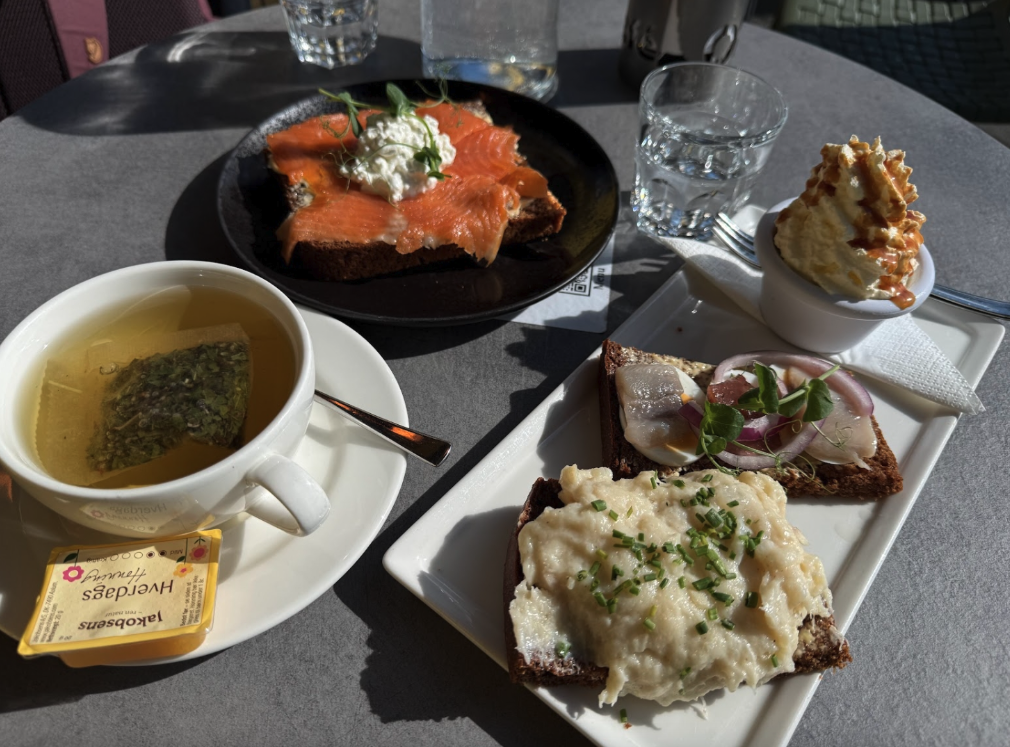
Watching the imposing architecture of Hallgrímskirkja through the large window at the back while sampling Iceland’s bold culinary heritage is one of the capital’s most characteristic late-afternoon rituals.
Take note
Address: Lokastígur 28. (Directly opposite Hallgrímskirkja.)
Highlights: Fermented shark (hákarl), traditional lamb soup (kjötsúpa) and homemade rye bread ice cream.
My tip: Order the traditional Icelandic tasting platter; try the fermented shark as a small cube and follow it straight away with a sip of Brennivín to complete the local ritual.
As evening darkness settles over the northern sky, we turn towards the independent screen that defends neighbourhood culture by holding out against the city’s commercial shopping-centre cinemas.
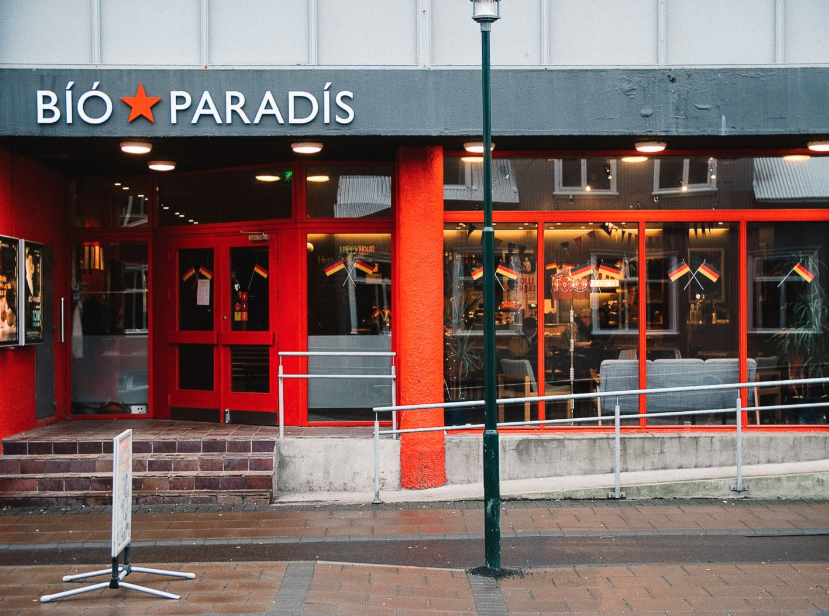
9. The independent cinema saved by the public: Bíó Paradís
For anyone observing Reykjavík’s cultural life, the most striking social dynamic is the local resistance to the mass-market cinema chains in the city’s shopping centres. Standing at Hverfisgata 54, the country’s first and only independent (art house) cinema, Bíó Paradís, is the urban symbol of exactly this spirit of solidarity.
The building’s history goes back to Regnboginn, the city’s first multi-screen cinema, which opened in 1977, and when it came close to closing at the start of 2010, something like a neighbourhood miracle happened. Led by directors’ associations, independent film producers and representatives of the Reykjavík International Film Festival (RIFF), and backed by a grassroots civic movement on social media, it was turned into a non-profit independent art cinema and reopened in September 2010 under the name Bíó Paradís.
Recalling the space of resistance and cultural heritage that the Emek and Beyoğlu cinemas occupy in Istanbul’s urban memory, the venue faced closure again in January 2020, when the owner demanded an exorbitant rent increase of up to 300 per cent. When the closing date was announced as 1 May, a mass show of support from the public, artists and film organisations brought the state and the city council together; the historic cinema was saved with a new agreement and reopened in September 2020.
Living on its activist spirit, Bíó Paradís is today the only cinema still standing in the historic city centre, postcode 101. A member of Europa Cinemas since 2012, it offers a rich programme ranging from world cinema and cult classics to documentaries and short films. For visitors to the island, one of its biggest cultural draws is the regular selection of Icelandic films screened with English subtitles.
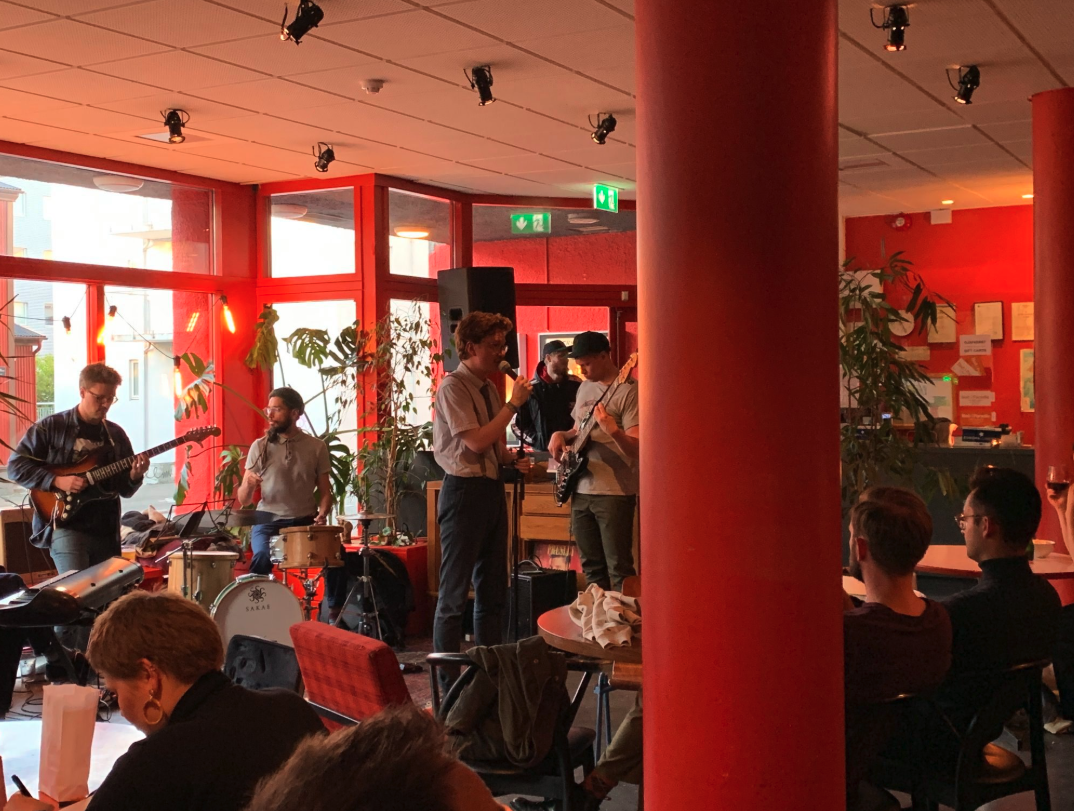
This is not just a place to watch films but the city’s social meeting point, and one where I greatly enjoy spending my evenings. It is the place for post-screening panels, conversations with directors and party screenings where cult films such as Dirty Dancing or Mamma Mia are watched with everyone singing along. You can take your drink from the bar into the auditorium. Repeatedly voted Best Cinema by Reykjavík Grapevine for its warm atmosphere, Bíó Paradís is one of the most intimate stops of a Reykjavík evening for touching the spirit of the city.
Take note
Address: Hverfisgata 54. (In the city centre, on the street parallel to Laugavegur.)
Programme and events: A selection of Icelandic films with English subtitles, non-profit screenings of independent world cinema and fun party screenings.
My tip: Get a local drink from the bar and head in to watch an Icelandic film with English subtitles, or time your visit for a party screening and sing along with the whole auditorium.
And as the pitch darkness of night falls, we head for the far western tip of the capital to add a sweet exception to the “daytime city” rule we set at the start.
10. Chasing the tide and the northern lights: Seltjarnarnes & Grótta Lighthouse
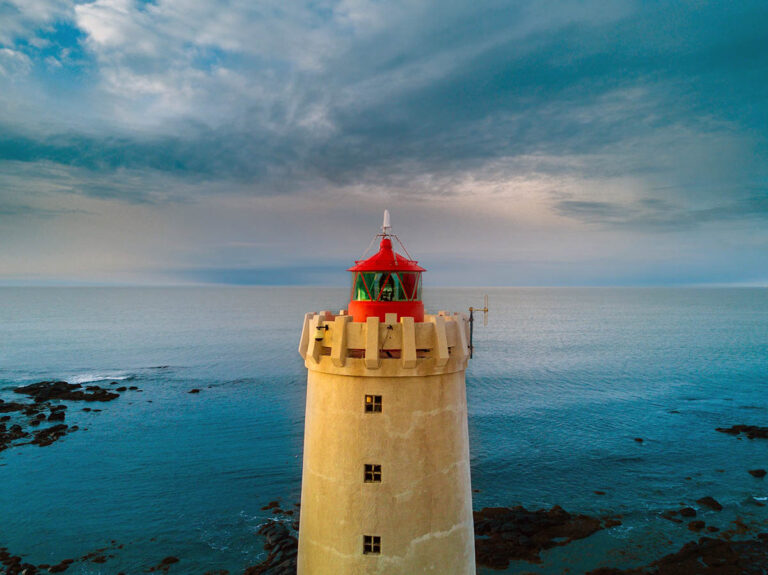
Standing at the very tip of the Seltjarnarnes peninsula, an independent municipality on the western edge of Reykjavík, Grótta Lighthouse is the most enchanting final stop on our one-day route, combining the capital’s calm daytime spirit with the ocean wind.
This is a special place that takes its rhythm from nature: a “tidal island”, joined to the mainland at low tide and turned into an island when the water rises, it plays a game with time for its visitors. Because the path to the island is completely submerged at high tide, you must check the tide times before you go. Protected since 1974, the 39.6-hectare area is also a bird sanctuary that is home to hundreds of Arctic terns (which is why the island is completely closed to visitors during the breeding season, 1 May to 15 July). Shining out over the ocean since 1897 with its white tower and red lantern room, the lighthouse is a historic landmark that still guides the way in the stormy North Atlantic.
As night falls, Grótta becomes the stage for another wonder. With its distance from the light pollution of the city centre, its open ocean view and the imposing silhouette of the lighthouse, it has repeatedly been voted “the best place to see the northern lights in Reykjavík” by Reykjavík Grapevine. On those captivating nights of northern lights (aurora borealis) between September and March, the excitement of the crowd gathered to watch the green dance in the sky becomes one of the city’s most unforgettable moments. Make a note of this spot, because it is one of the easiest places in the capital to watch them without needing a paid tour. For the northern lights we have two basic rules: the sky must be cloudless, and the place we watch from must be as dark as possible. In the right season, Seltjarnarnes is very generous on both counts.
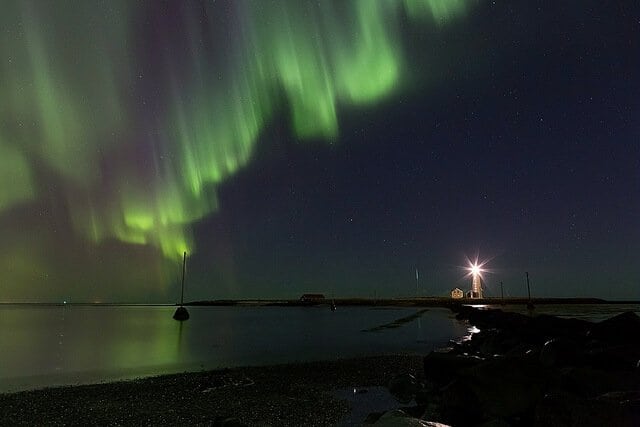
And remember that after a freezing northern lights hunt, a small surprise awaits: hidden among the rocks on the Norðurströnd walking path is the Kvika geothermal foot bath, a work by the artist Ólöf Nordal. Dipping your feet into the 39-degree geothermal water of this small granite pool, whose name means magma, while gazing at the ocean and the dark sky, is the simplest expression in nature of the neighbourhood pool culture we described at the second stop.
Take note
Getting there: From the city centre you can take bus number 11 or opt for the hour-long walk along the coast. By car it is just 10 to 15 minutes.
Tide and conservation warning: Always check the tidal window during which the path to the island is above water. Because of the bird breeding season, the island is closed to visitors from 1 May to 15 July.
Aurora tip: For northern lights forecasts and cloud cover, follow the official meteorological website, vedur.is.
My tip: Check the tide times and wait for the green dance in the sky in the shadow of the historic lighthouse; then warm your feet in the 39-degree geothermal water of Kvika.