The cast of ‘Animals’ on how privilege shapes our moral choices
Directed by and starring Ben Affleck, Animals uses a child’s kidnapping to test class privilege, racial prejudice and the value placed on a human life. We connected with Ben Affleck, Kerry Washington, Adriana Paz, Luis Gerardo Méndez and Gillian Anderson from the film’s star-studded cast and, taking the film as a starting point, talked about prejudice, privilege and the limits of empathy in moments of crisis.
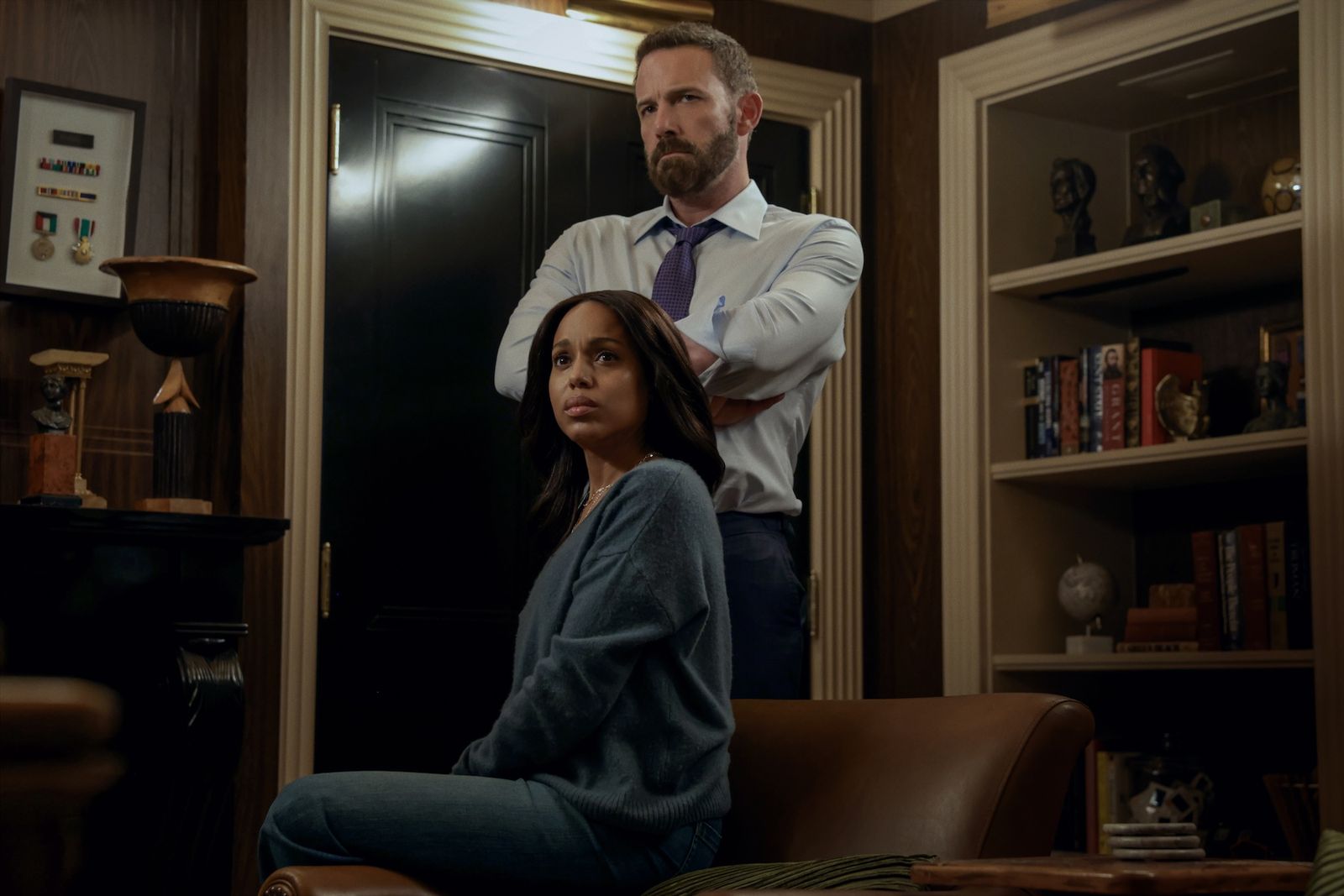
Added to the Netflix catalogue today, Animals is a thriller that Ben Affleck both directs and stars in. The themes we have met in Affleck’s films, particularly Gone Baby Gone and The Town (class divides, the influence of the environment a person grows up in on their choices, and the moral conflict between protecting the people we love and our responsibilities towards others), come together this time in a story set in Los Angeles.
A mayoral candidate and his wife, scrambling to raise the ransom after their son is kidnapped, find themselves confronting the limits of the power they hold, the values they stand for and the trust they place in each other.
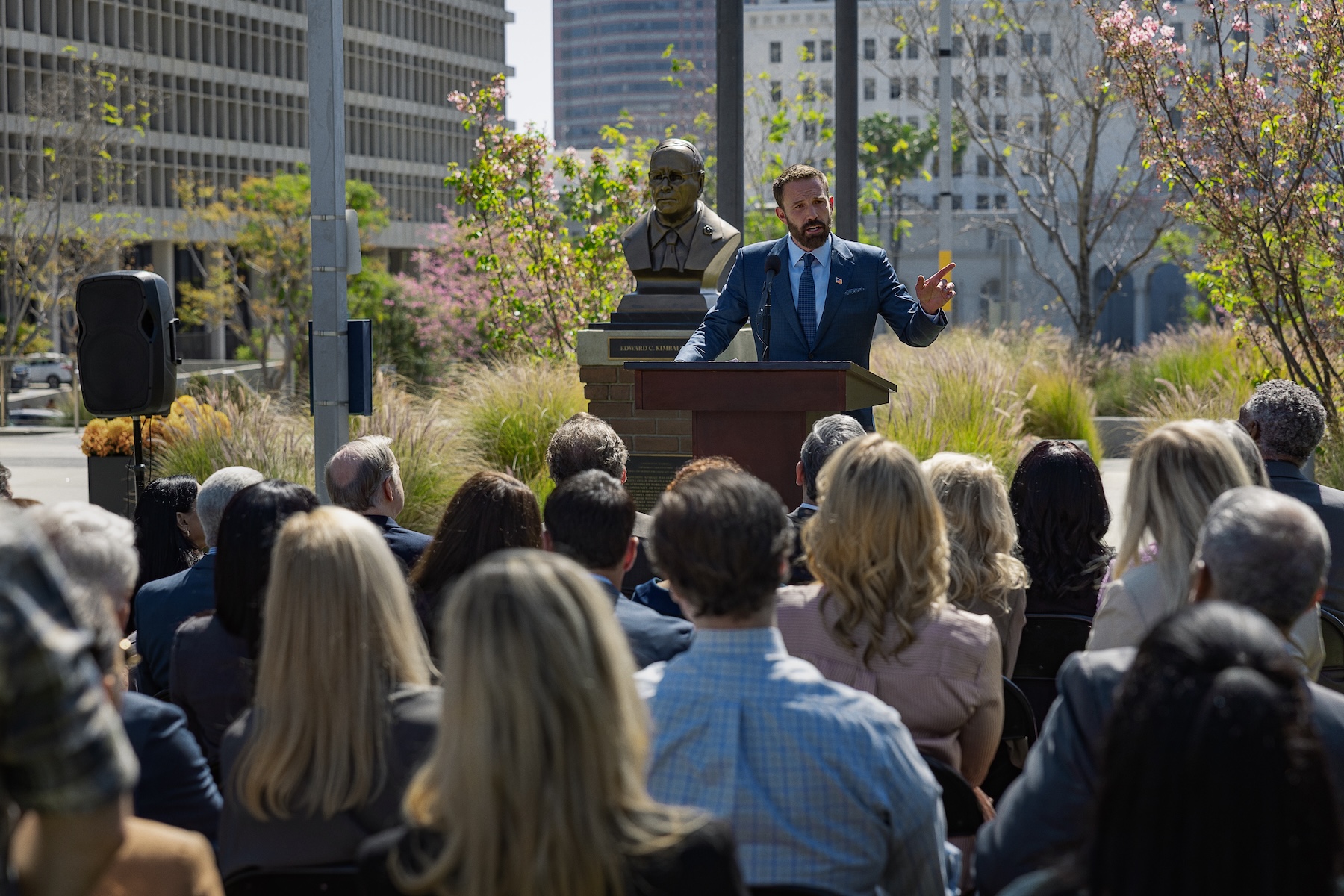
Animals | Source: Netflix
What interested me most about Animals was the way it brings to the fore power, class privilege and ethical responsibility in relationships shaped by race and ethnic identity. Kerry Washington’s character, a Black woman confronting class prejudice in her own home, is a reminder that being on the receiving end of discrimination does not make anyone immune to prejudice against others, while the questions it raises about empathy and the value of a human life reach beyond passports and borders.
Even so, the film’s optimism weakens the credibility of this discussion for me. Affleck’s character, especially given that he is a politician, is too good to be true: from the very start we sense that the film will not allow him a choice that would make him too unlikeable in the audience’s eyes, and that reassurance blunts the edge of the moral tension. Gillian Anderson’s cool-headed Dayle, meanwhile, seems to belong to another film altogether, both in her performance and in the tone of the character.
Last week I connected with Ben Affleck, Kerry Washington, Adriana Paz, Luis Gerardo Méndez and Gillian Anderson from the film’s star-studded cast and, taking the film as a starting point, talked with them about prejudice, privilege and the limits of empathy in moments of crisis.
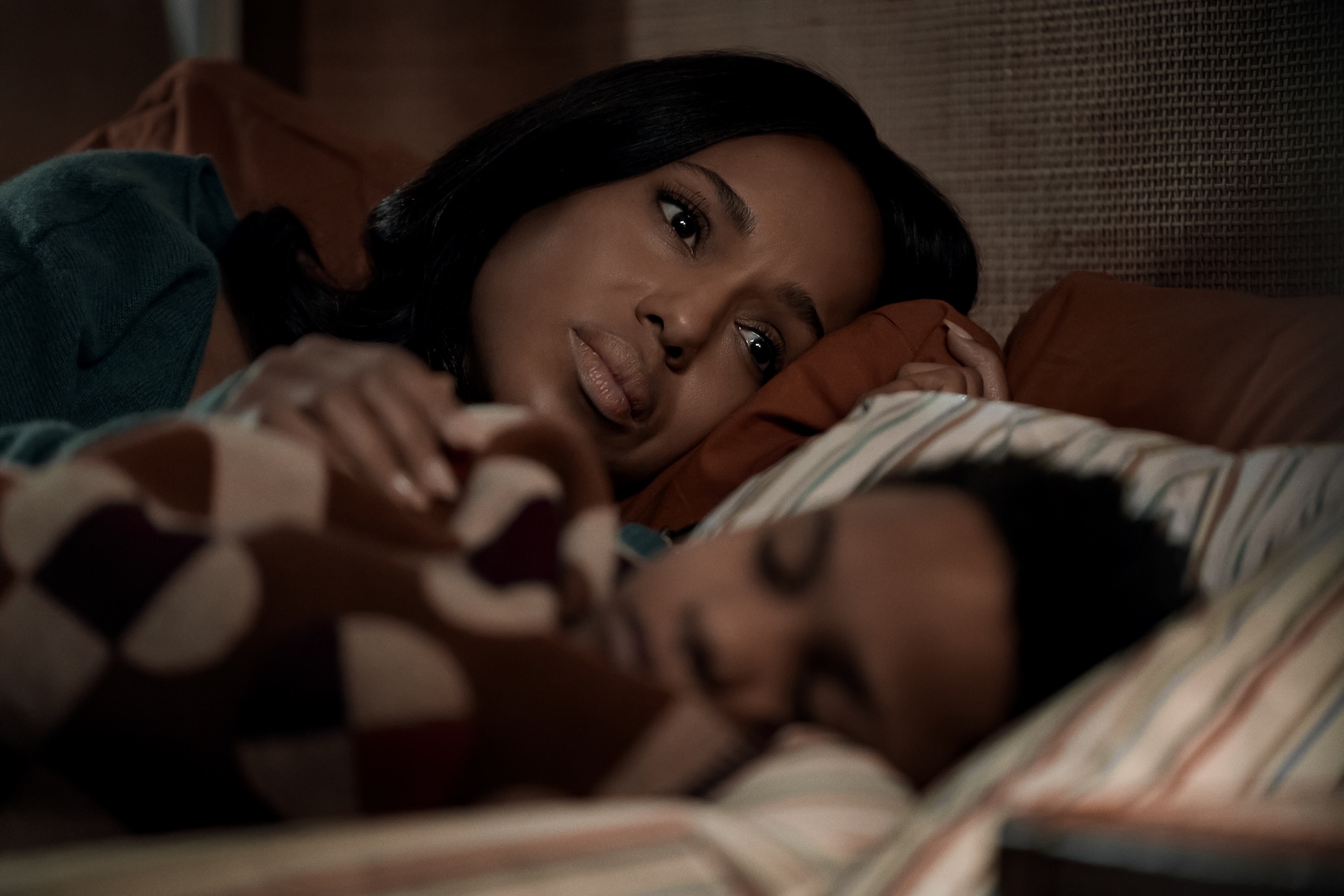
Kerry Washington, Animals | Source: Netflix
Kerry, in the film Abigail is acutely aware that she is part of a family made up of people of different races. How did you approach the tension between her awareness of racial prejudice and her own class privilege?
Kerry Washington: I really love that Ben wrote this character. I think it was a real pleasure to play a Black woman who isn’t focused on people being racist towards me; instead, she has to confront her own prejudices about class, in her own home and in her relationships with the people who work for her.
A few years ago I was in a film called American Son. It dealt with the heartache of being the parent of a Black child in the US and how dangerous that can be. I saw Animals as a kind of continuation of that film, or its next chapter. Because this film asks: can we care about every child’s life as much as we care about our own child’s? Can we value every child’s life as much as our own child’s? I think that is one of the film’s themes, or one of the questions it asks.
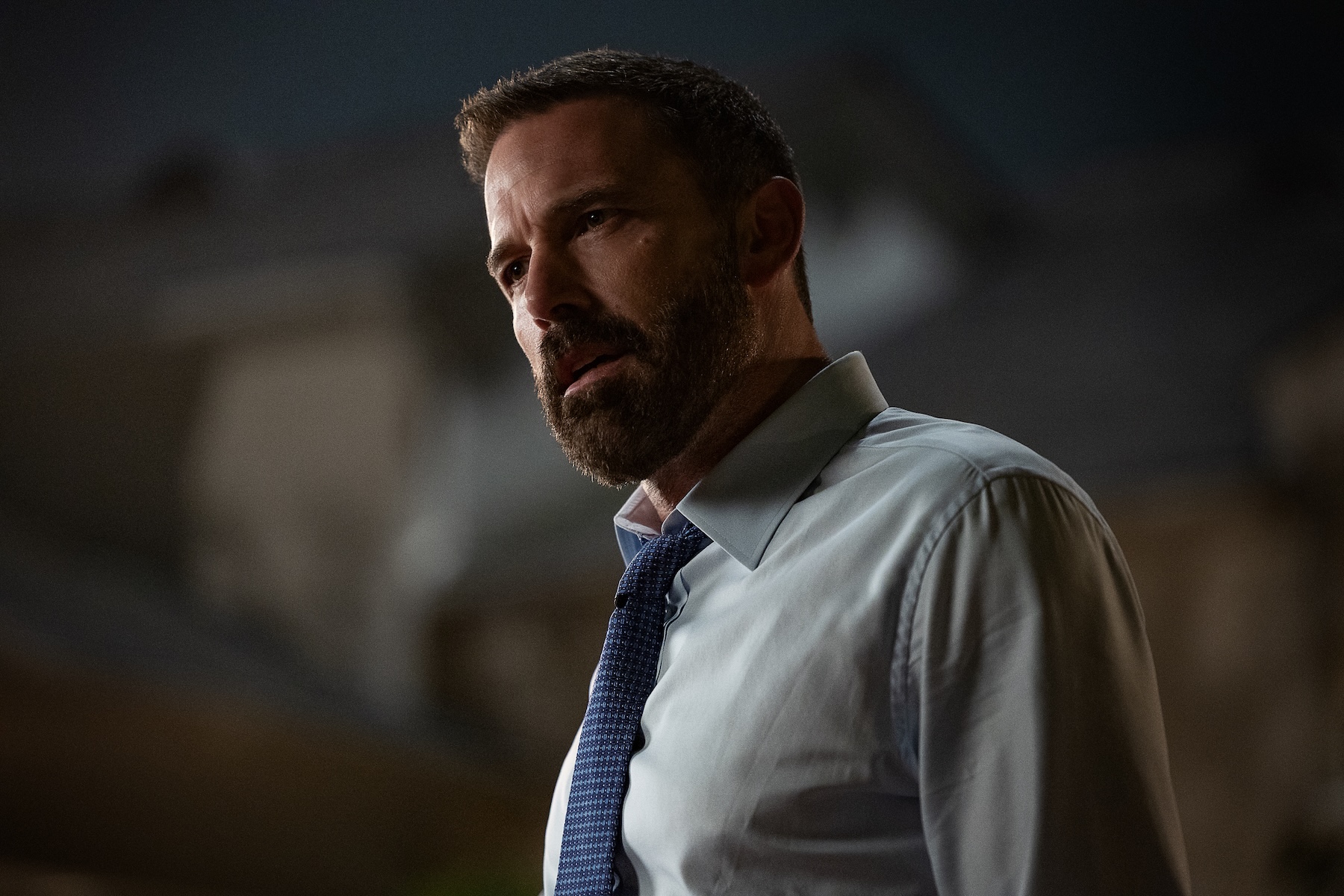
Ben Affleck, Animals | Source: Netflix
Ben, the films you direct often look at how race and class shape people’s choices. How did these dynamics affect the moral dilemmas in this film?
Ben Affleck: They enriched them, made them more interesting. I find it hard to make films about things that don’t feel real to me. Being aware of my own gender and ethnic identity, and of other people’s, is part of the experience I’ve gained in life. But as Kerry said, it’s complicated: people have their own personal stories, and then there are the stories imposed on them.
I wanted to do it in a way that felt authentic and could resonate not only with people who share my point of view but with everyone who watches the film. To do that, saying “Kerry, come and write this with me. Steven, come and write this with me” is more necessary than ever.
Kerry and Steven Yeun decided to write a scene together while they were talking about the historical tensions between Koreans and African Americans in Los Angeles and the riots of the 1990s. That is a subject outside my range of experience. I have a vague knowledge of it, but I would have been the worst person to write that story.
The scene doesn’t point directly to that historical event; it shows that there are other things affecting how we see each other, too. We all carry prejudices and expectations. The real challenge is to question them and correct ourselves. Feeling safer around people who look like us doesn’t mean we have to be exclusionary or create a hierarchy.
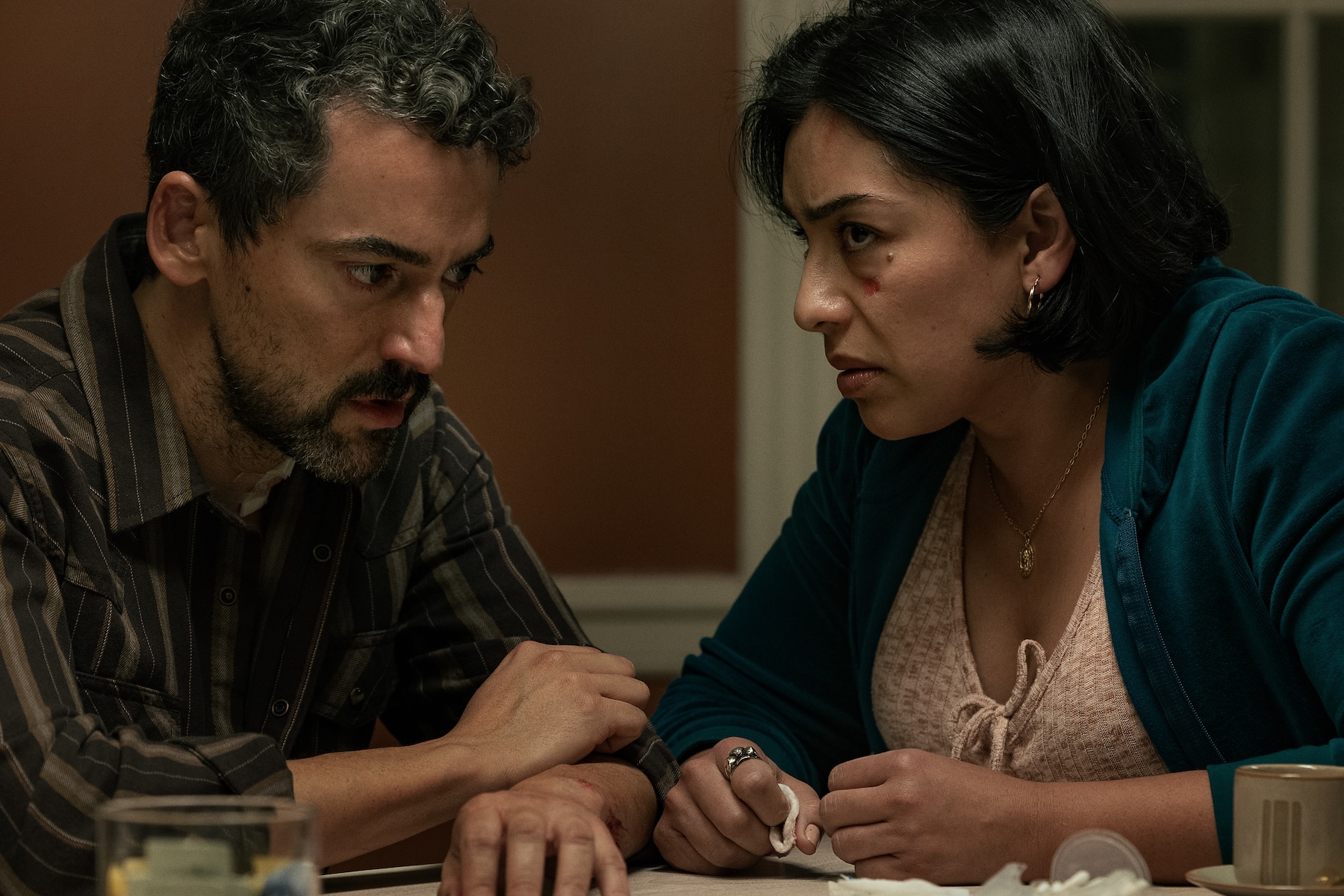
Luis Gerardo Méndez and Adriana Paz | Source: Netflix
Affleck’s emphasis on collaboration also raises the question of how the actors understood the people they were asked to portray, so I ask Adriana and Luis:
When you first read the script, what did you make of the representation of the Latino characters? Did you suggest any changes, or bring anything from your own experience?
Luis Gerardo Méndez: I loved it, because our characters didn’t feel like accessories serving the white character. If anything, I felt these characters were the film’s moral centre. They are the ones asking the real questions about empathy and the value of a human life. That has nothing to do with the colour of your passport or which country you come from. That’s why I wanted to be in this film. I had never played an immigrant before, a Mexican immigrant living in the US. I was always looking for other kinds of roles. But this role struck me as entirely apt and on point because of the questions it puts to the audience. I think that’s very important, especially in a film this big, with Ben Affleck and Gillian Anderson in it. I think raising these questions is very valuable.
Adriana Paz: It’s also really important to see characters like these right now: honest, hard-working, trustworthy, good people. That’s what the vast majority of people living here in the US are like. It’s the same all over the world, whether they’re Mexican, Colombian or from anywhere else. Reflecting that was very important to me. Because some people portray Mexican or Latino characters in a particular way: as criminals, villains, drug dealers and so on. Some may be like that, but not the majority. Most are very hard-working people. It was very important to me to play Ceci and Ramón as deeply trustworthy people. Abi entrusts Cecilia with the most important thing she has, her son. Given everything that is happening here, I think it’s very important that we can show audiences characters like these at this moment.
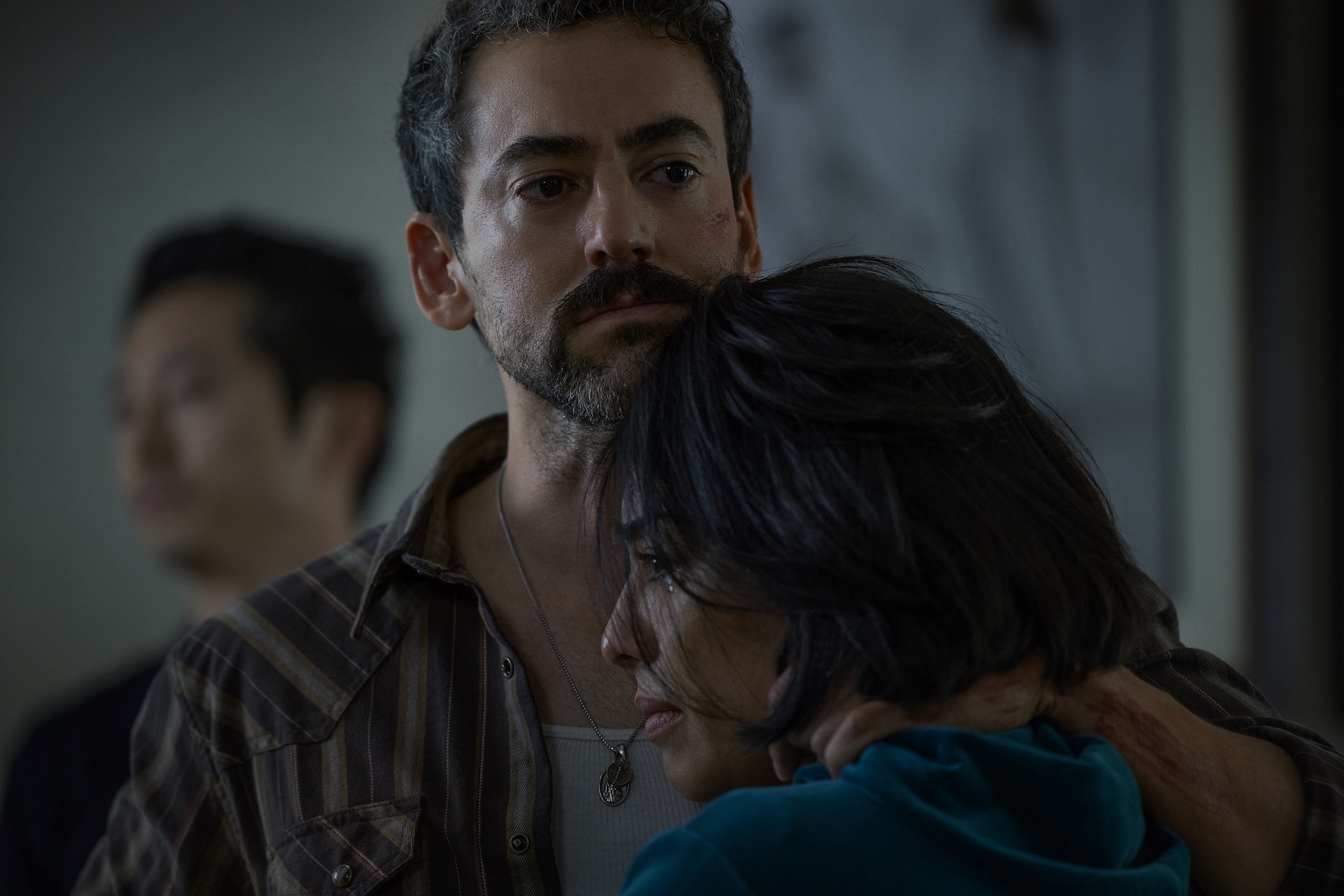
Luis Gerardo Méndez and Adriana Paz | Source: Netflix
Despite their class differences, both couples go through a similar horror. Do Cecilia and Ramón hope this shared experience will lead to greater empathy?
Adriana Paz: Yes. It’s hard for Cecilia, because she works for them and they treat her as if she were part of the family. But then she realises that maybe you aren’t. In such an extreme situation everyone shows their true face. That goes for Ramón and Cecilia too. Difficult situations always bring out the best and the worst in people. As a couple, they show the best of themselves. I think Abi and Mark secretly envy Cecilia and Ramón. Because Cecilia and Ramón may not have the material means they have, but they have each other. I think that’s the most beautiful thing they could have.
Luis Gerardo Méndez: In the film, our characters take the biggest risks. They are the ones with the least protection. Considering all the social inequalities and injustices we see around the world, that is the reality for millions of people here, in Los Angeles and in the US, and everywhere in the world today.
As Adriana said, it’s fascinating to see the dynamic of showing your true face to others. The truth is: if you’re Latino, or someone not born in the US who lives here, you have to behave differently. You have to be very careful about everything you do and say. If you’re caught up in a situation like this, one that pushes you to your limits, things get very complicated. I think that’s why the film is so good. It’s a very good thriller because it pushes these characters to a very particular limit.
As a viewer, you see that they can’t make the same decisions as the other characters, the ones with power, money and influence. They have nothing. All they have is their instincts and their strength. That’s it. That’s why the film is called Animals, right? I think it’s really interesting to see that on screen.
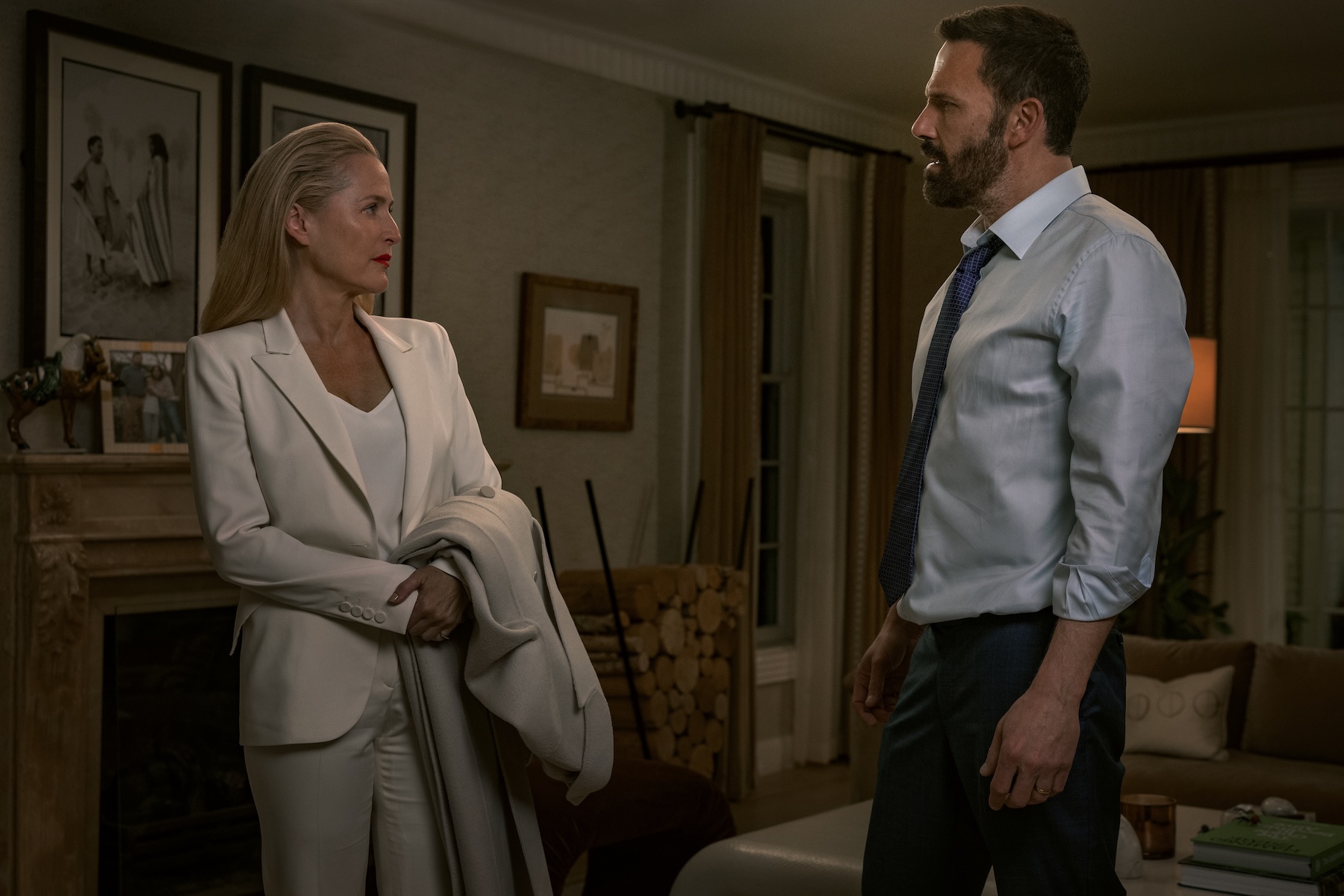
Animals | Source: Netflix
While the two couples live through the crisis from unequal positions, Dayle steps into the situation with professional distance. Gillian Anderson says this composure was one of the main things that made the role appealing:
What drew you to playing someone who enters people’s lives at their most vulnerable moment?
Gillian Anderson: It wasn’t so much about entering people’s lives at their most vulnerable moment, because I think I’ve played many characters surrounded by other characters going through their most vulnerable moments. Often I was the strongest person in those situations. That’s something familiar to me. But playing someone who responds to all the emotional events happening around her in such a neutral, unreadable way: that was the part that interested me. That was what really drew me in.
Does being an outsider allow Dayle to see things the other characters can’t?
Gillian Anderson: I definitely think so. But I think she has deliberately put herself in that position so that she can do her job and serve her clients.
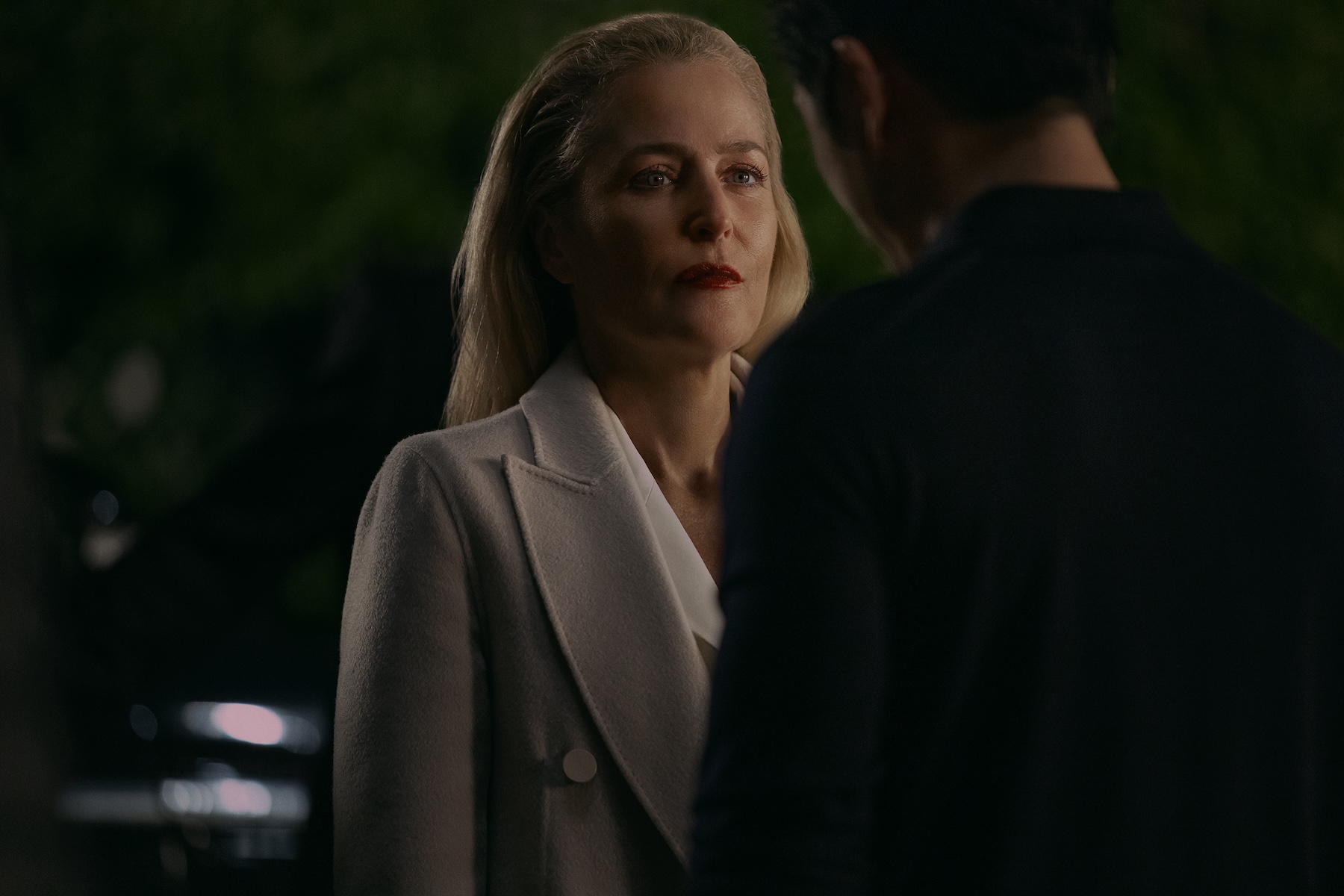
Gillian Anderson, Animals | Source: Netflix
I find Dayle a very unsettling character. How do race and power shape her judgement? Does she approach the two couples differently because of their social standing?
Gillian Anderson: As for how race and power affect her… In a way, I think she treats them all the same. Because part of her belief system is wanting to help them get to the truth of the situation. She wants them to understand the areas of their lives in which they are not living truthfully, or in which they don’t accept the reality of the world, how it actually works in terms of race and power. She wants them to understand that they are part of an illusion.
She wants them to shed that illusion and get to the truth, so that they can really face it and ask themselves the hard questions. I think her job, or what she sees as her job, is to step into the situation and help them get to the heart of that reality, regardless of who she’s talking to. That holds whether she’s talking to Ramón and Cecilia or to Mark and Abi. Essentially, she shows them the way to see the situation for what it really is.