The film that forgets its main character: Unabomber
Ted Kaczynski’s life holds enough questions for cinema to want to return to it again and again. Netflix’s “Unabomber” approaches the same story this time through the psychological experiments of his youth. In the film, however, what Kaczynski wrote and why is pushed aside by his style. While following the traces of the character it takes as its subject, Metz’s film does all it can to avoid actually meeting him.
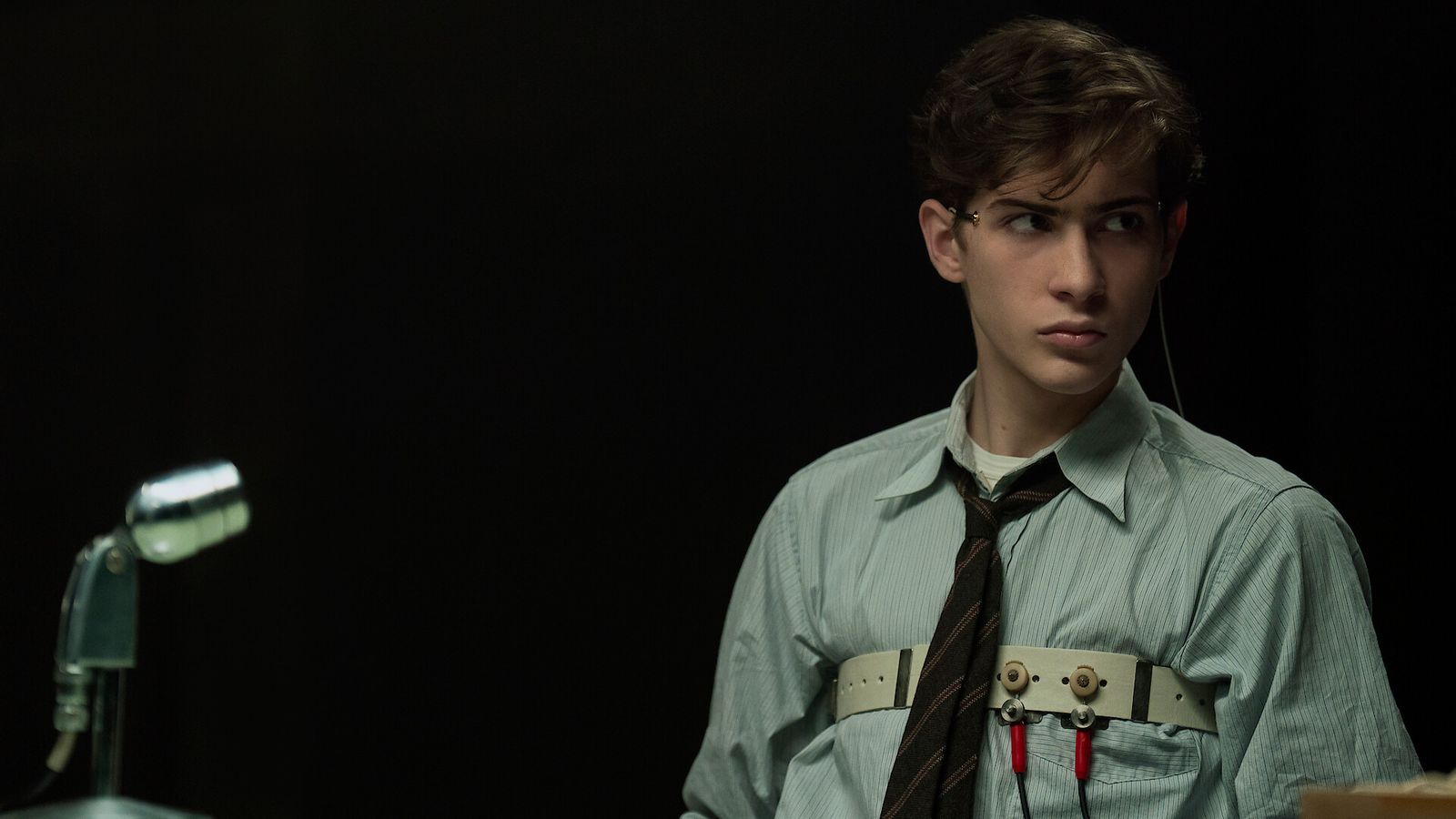
Ted Kaczynski’s life holds enough questions for cinema to want to return to it again and again. The story of a mathematician who entered Harvard as a child, then left academia, retreated to a cabin in Montana and turned his anger at technological society into bomb attacks, can bring a different side of itself to the fore in each retelling.
At first glance the choice is intriguing. To take a killer at the point before he has committed any crime and look at him requires us to set his past apart, for a while, from the ending we already know. We ought to be able to feel that other possibilities lay ahead of the young Ted. Unabomber, however, struggles to open up those possibilities. Wherever it approaches Kaczynski’s life, it searches for a sign that will explain his future crimes, and it does everything it can to present an already convicted criminal as a scapegoat.
The rest of this story is on Aposto Premium.
Premium members read every story. If you are not a member, sign up for Magazine and receive the covers and selected stories by email.