What we watched at Filmekimi
Death, grief, moral dilemmas and stories drawn from real lives stood out in this year’s Filmekimi selection, which has wrapped up in Istanbul and Ankara and continues in İzmir and Mersin this weekend.
Filmekimi, the autumn film season run by İKSV, the Istanbul Foundation for Culture and Arts, took place in Istanbul from 9 to 18 October and in Ankara from 15 to 18 October. It has now ended in those two cities, but it continues to meet audiences in İzmir and Mersin from 22 to 25 October. For me, this year’s selection was a programme where impressions I had carried over from earlier festivals met new discoveries.
I had already seen many of the films at the Sarajevo Film Festival, MUBI Fest, the Ayvalık Film Festival and the Adana Golden Boll Film Festival, and had shared my thoughts on some of them in my pieces here. The films I saw for the first time at Filmekimi, meanwhile, sometimes made me rethink those earlier films and draw connections between them that I had not expected. In this piece, which ranges from ways of coping with death and grief, through moral dilemmas that confront us with our own judgements, to real lives brought to the screen and the responsibility of bearing witness, I have brought together what stayed with me from earlier festivals and Filmekimi’s new encounters.
All of a Sudden | Source: İKSV
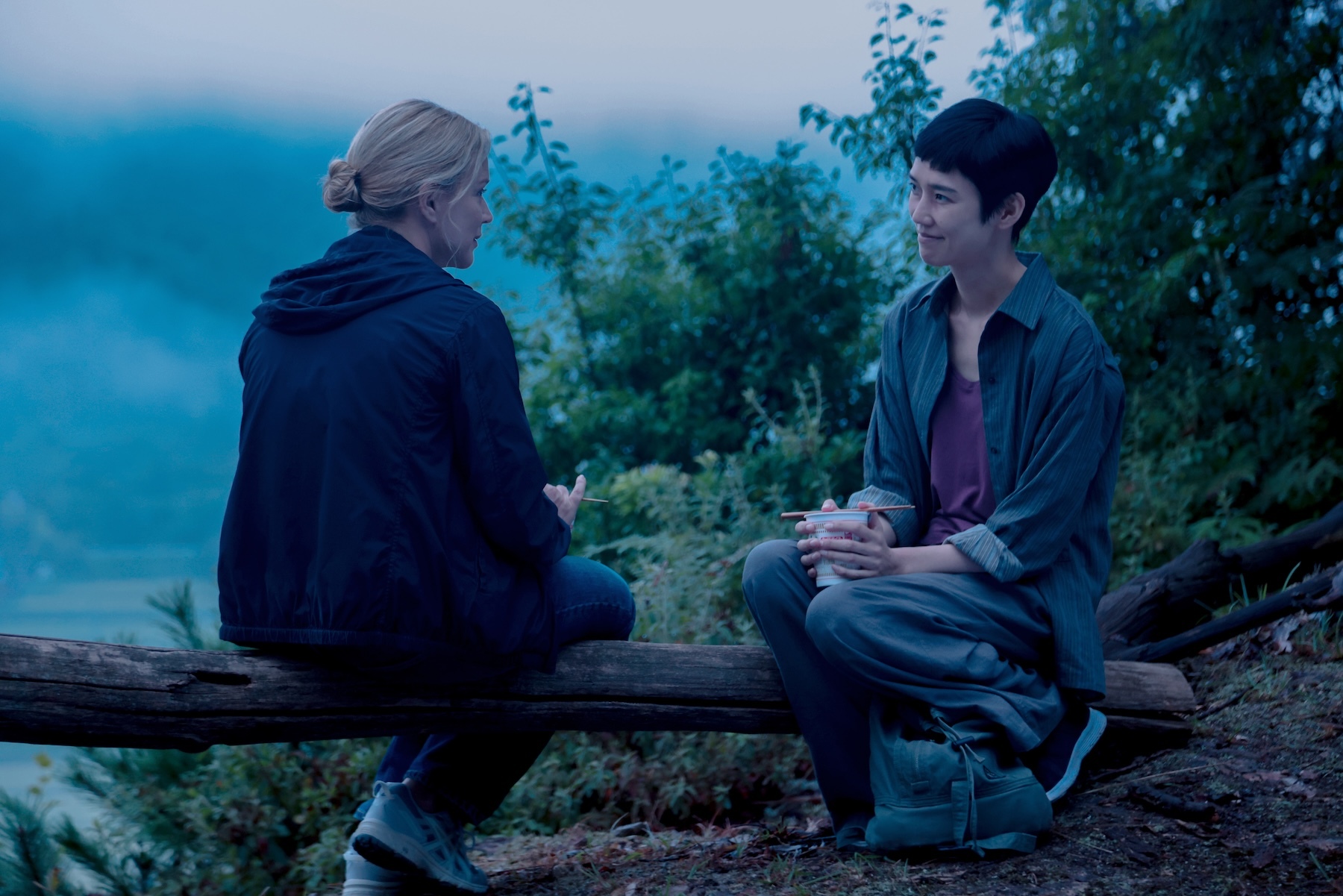
Among the films in the Filmekimi selection that circle around death, loss and grief, All of a Sudden and Everytime, which I had seen at earlier festivals, keep their place among my favourites. Ryūsuke Hamaguchi’s All of a Sudden, which tells of the friendship between the director of a care home and a Japanese theatre artist diagnosed with cancer, moved me deeply with the bridge it builds between Japanese and French cinema. With a narrative in which cinema and theatre are interwoven, the critique of capitalism it develops through the care of the elderly and the sick, and what it has to say about pursuing the impossible, it kept my attention alive throughout its long running time. I also remember Sandra Wollner’s Everytime, in which grief, guilt, memories and dreams blur together after a loss, as one of the most special films of the year for me.
A Long Winter | Source: İKSV
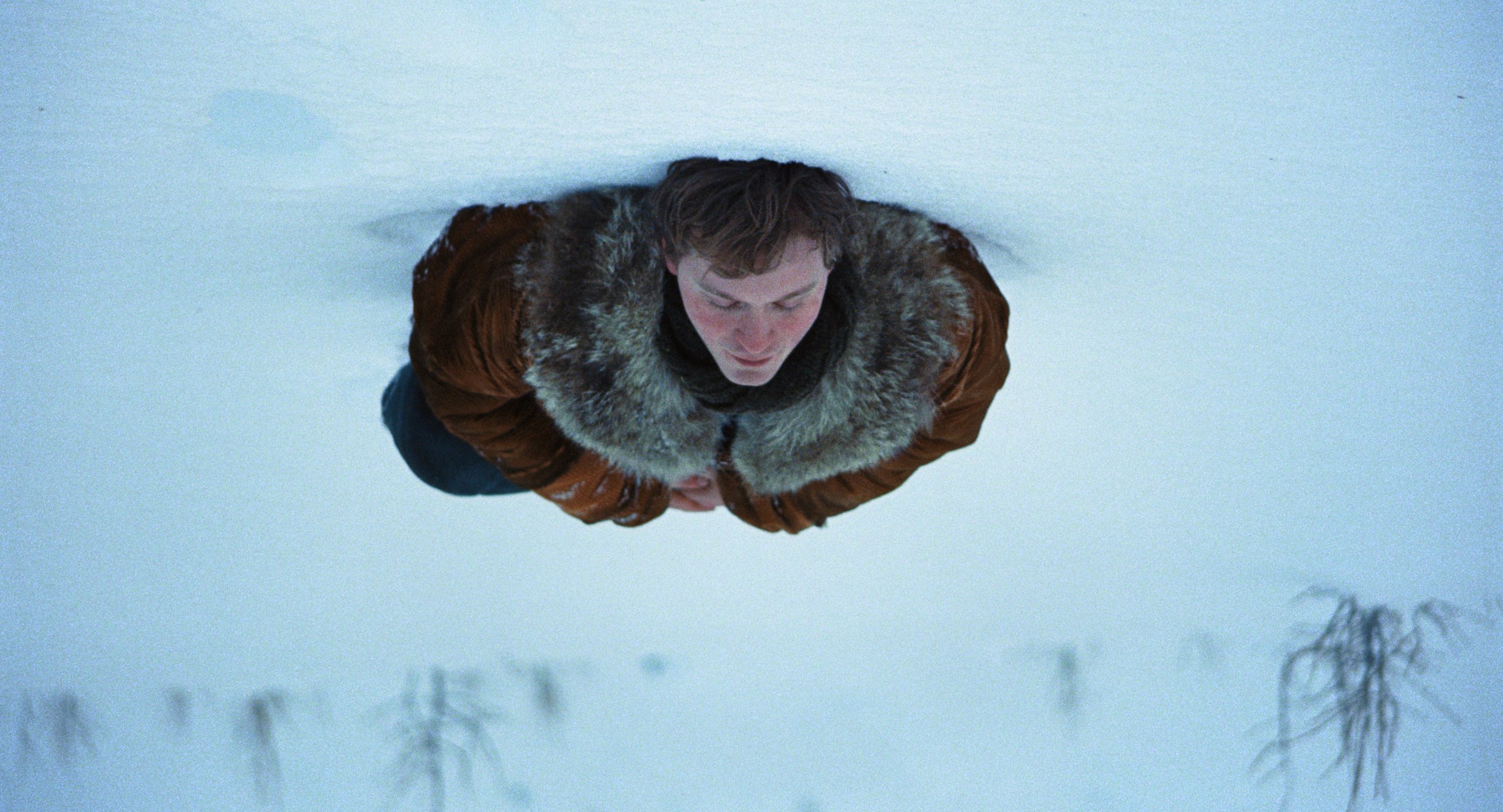
In A Long Winter and Wild Horse Nine, both of which I saw for the first time at Filmekimi, I did not find the same emotional closeness. My expectations were high for A Long Winter, which follows a young man left alone with his father after his mother goes missing in a snowstorm: Andrew Haigh, one of my favourite directors, seemed exactly the right person to bring to the screen this story by Colm Tóibín, which also carries a queer subplot; Tóibín’s Brooklyn had already become a very good adaptation. The bleakness of the period, the landscape and the story may be a taut metaphor for uncertainty, loneliness and loss, but it was sad to see it also turn into a downright dull film that never quite flows. Fred Hechinger in the lead and D’Pharaoh Woon-A-Tai in a supporting role are very good, but some of the casting choices, above all Ebon Moss-Bachrach as the father, made it hard for me to believe in the film’s world. I do not think it is a bad film, but I remained far from the emotional intensity I love in Haigh’s cinema.
Wild Horse Nine | Source: İKSV
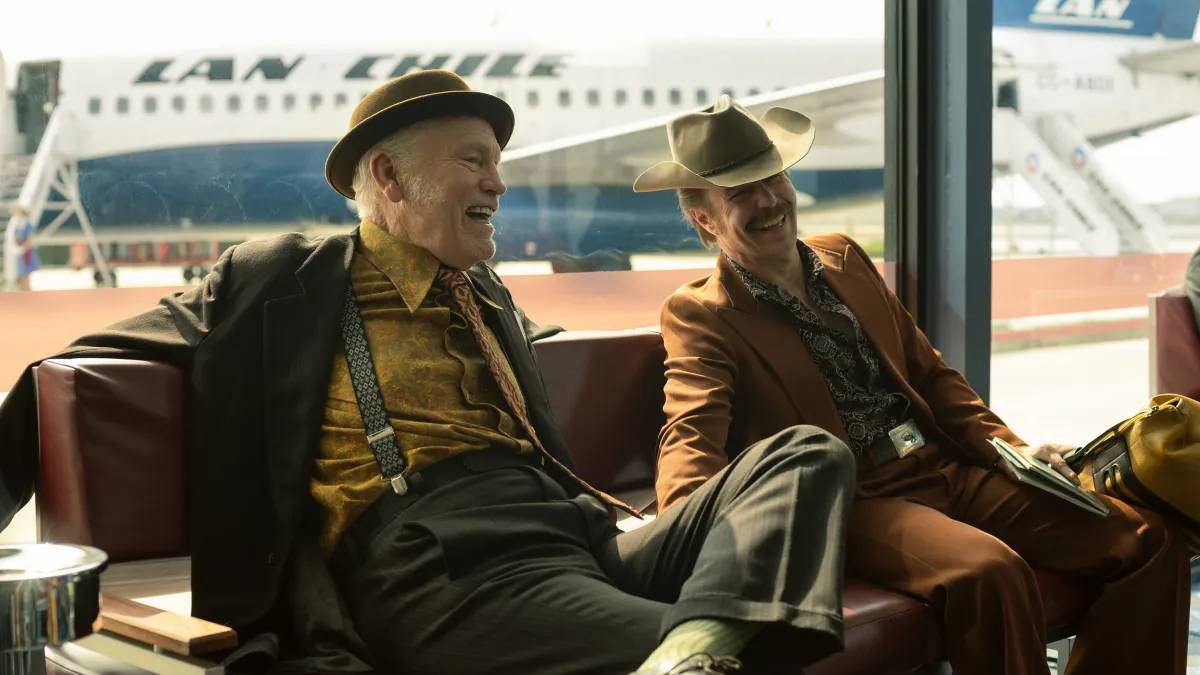
In Wild Horse Nine, Martin McDonagh’s film centred on two CIA agents sent from Santiago to Easter Island just before the 1973 coup in Chile, the problem was the way it looked at characters it expected me to feel close to. McDonagh had already told us, in In Bruges, a terrific story about two armed men of different ages stuck in one of the dullest places in the world, one of them nearing the end of his life. Here, though, I could not share in the sentimentality that presents the dying CIA agent’s misogyny and anti-woke attitude as amusing personality traits we should forgive in the shadow of death. This approach, which felt like a paean to the CIA’s activities in the Global South, made it even harder for me to accept the film’s emotional invitation. Still, credit is due to the cinematography in the exterior scenes, to John Malkovich’s performance (awarded at Venice and likely to earn an Oscar nomination), and to McDonagh’s direction of actors and gift for dialogue, which I always find extraordinary whether or not I agree with what he is saying.
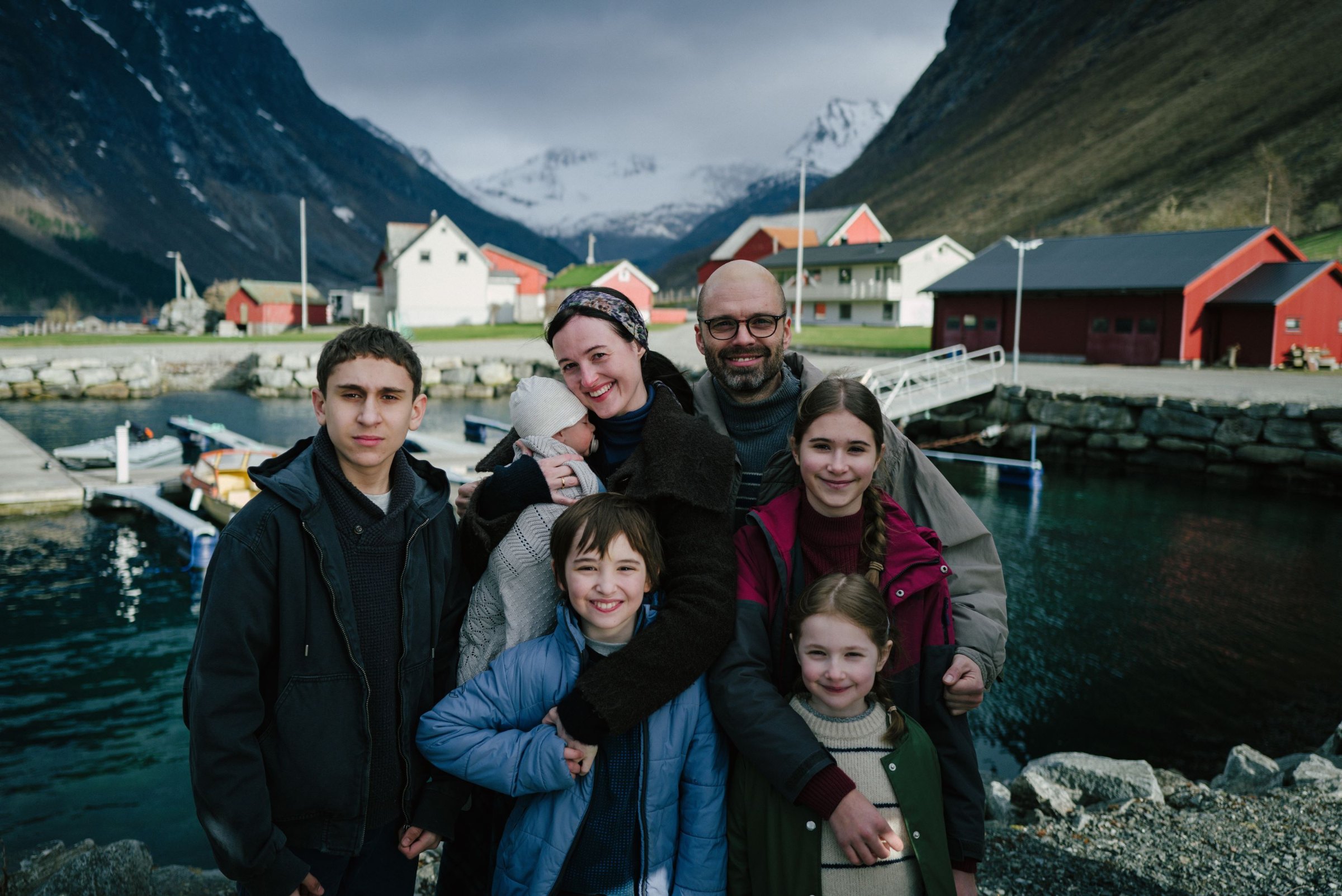
Fjord | Source: İKSV
One of the themes that kept coming up in European cinema this year is stories that leave the viewer alone with moral dilemmas through what happens inside a family… Cristian Mungiu’s Palme d’Or-winning Fjord told of a devout Romanian-Norwegian couple who settle in a village in Norway and come onto the radar of child protection services because of bruises noticed on their daughter’s body. My reaction against the family’s conservative values collided so hard with my discomfort at seeing them judged through their migrant identity and culture that even days later I did not know whose side I was on, or even whether I needed to take a side at all. Recalling Camus’s L’Étranger (The Outsider) at times, the film made us ask whether we judge characters for what they do or for who they are.
Gentle Monster, which I saw in Adana, also centres on a pianist whose family life is turned upside down when her husband is accused of a terrible crime; it shook me as much with the ethically challenging questions it puts to the viewer as with Léa Seydoux’s performance. A Good Little Soldier, which I saw for the first time at Filmekimi, carried this moral tension into the connection it draws between working life and family life.
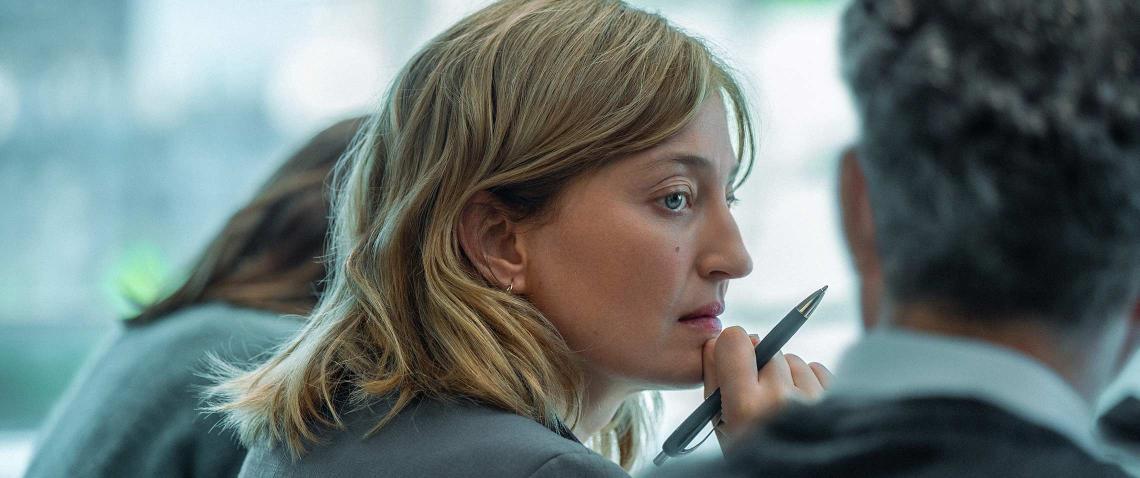
A Good Little Soldier | Source: İKSV
Stéphane Brizé’s A Good Little Soldier tells the story of Carla, who joins a large company as a human resources manager and, faced with a case of mismanagement, finds herself caught between the wellbeing of the employees and the interests of the company. I love seeing social realist films about white-collar workers, who can so often forget that they too are part of the working class. Brizé, who alongside Ken Loach and the Dardenne brothers skilfully tackles the injustices suffered by the working class in European cinema, pulls this off very well. The most striking thing about the film, which deals with the fact that HR departments think more about the company than about people, is that we follow Carla’s moral and ethical dilemma at work alongside her relationship with her son. That she repeats, in her private life, the behaviour of the very person she stands against in the difficult case at work makes us question our closeness to her, too. Alba Rohrwacher’s extraordinary performance, moving between French and Italian, and a screenplay that runs like clockwork and reaches its goal effortlessly are the film’s greatest strengths.
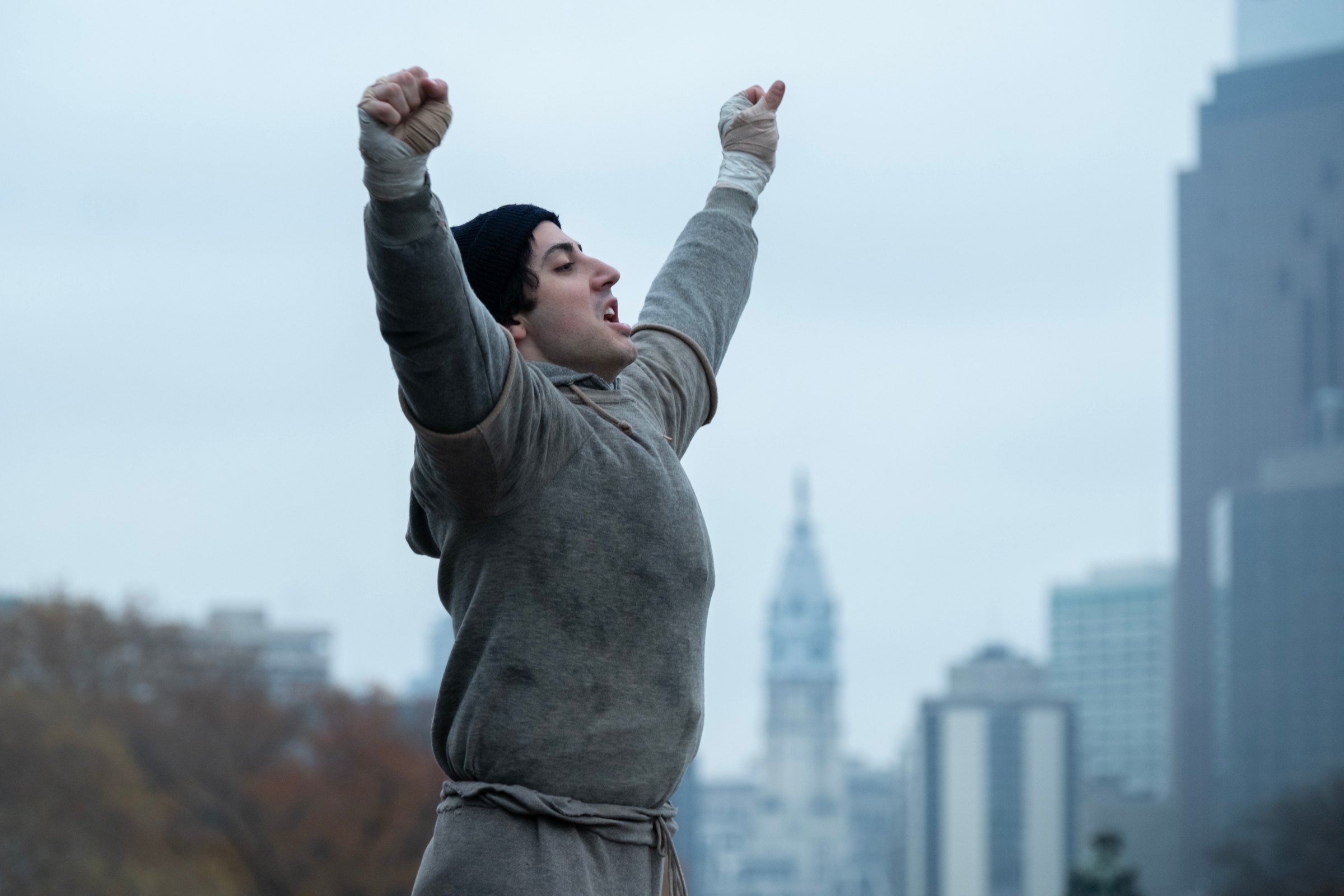
I Play Rocky | Source: İKSV
The selection’s two more mainstream biopics, I Play Rocky and Tony, focused on sides of familiar names that we do not yet know. Telling the story of the making of Rocky, the film that made Sylvester Stallone, I Play Rocky is as much a film about filmmaking as it is a biopic. It is astonishing how closely Anthony Ippolito manages to resemble Stallone; on the whole the casting, the period atmosphere and the skill with which it rebuilds the world of Rocky also work well. The shot-for-shot recreation of some scenes will easily win over fans of the film in particular. But in the end this is a Peter Farrelly film: you can feel throughout that it plays to the gallery, trying to win its audience over through their longing for and love of Rocky. While the lead role aims for a performance built on imitation, what the film has to say about the industry and about filmmaking stays limited to anecdotes from Stallone’s life or facts you could find on Rocky’s trivia pages. If you are not looking for more depth, though, what you get is an enjoyable film that, just as it intends, leaves you wistful with nostalgia.
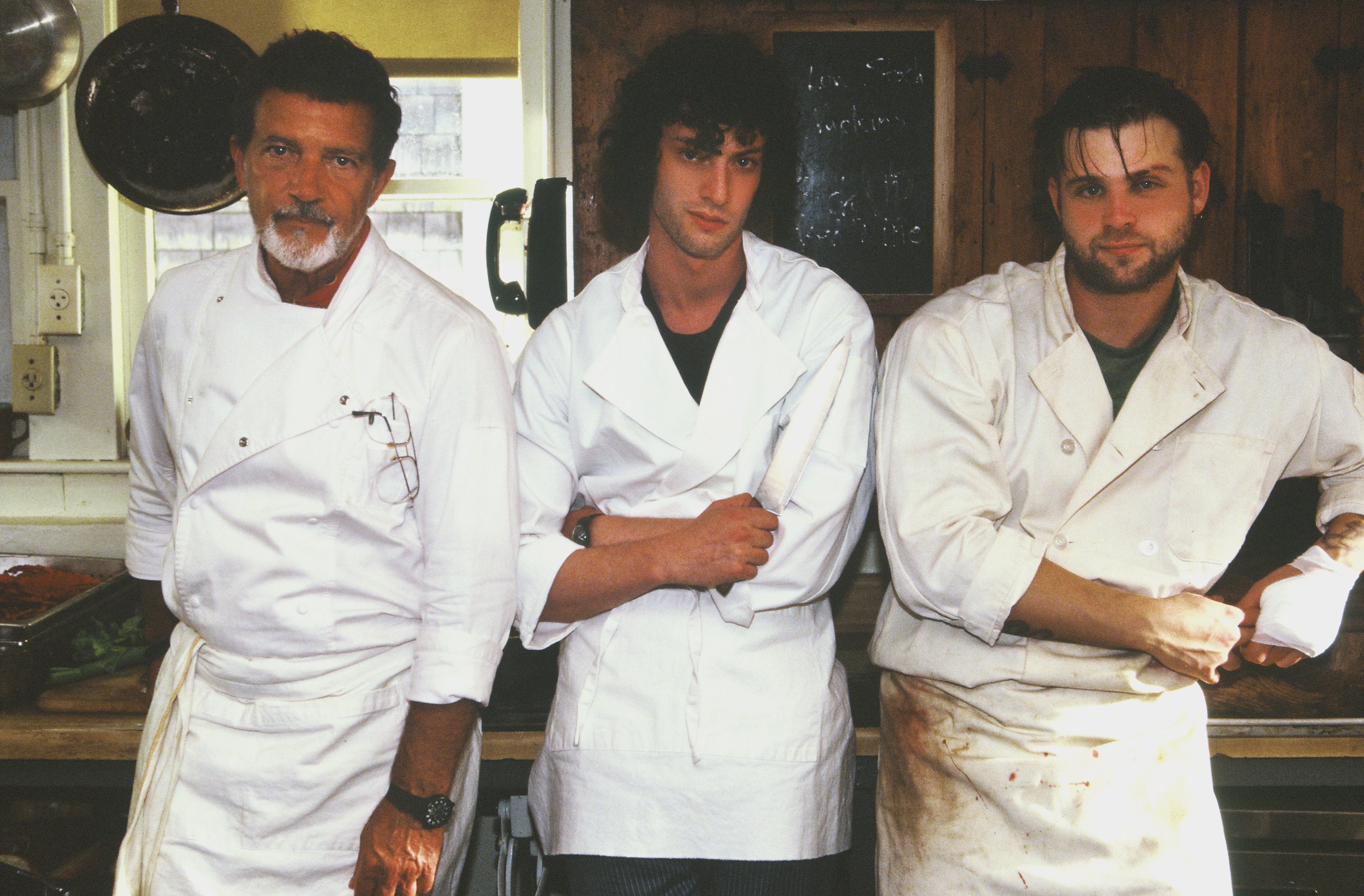
Tony | Source: İKSV
In Tony, on the other hand, Matt Johnson seems to have opened up a space that does not force his lead actor into imitation. I found the film, which focuses on Anthony Bourdain’s youth, closer to a superhero’s origin story than to a biopic; and given that Bourdain was one of the superheroes of the gastronomy world, I have no qualms about the comparison. That said, anyone expecting to find a great deal about culinary culture, gastronomy and cooking may be disappointed, like those who came to the latest seasons of The Bear with similar expectations. Because Tony is essentially a story of growing up and being shaped. We watch Bourdain, whom we first meet as a rakish university student, being quite literally pushed and shoved into shape at the hands of the character played by Antonio Banderas. The transformation he goes through over the course of the film carries him towards the person we would later come to know. Dominic Sessa, making excellent use of the freedom he is given, paints a convincing portrait of a Bourdain who has not yet become the man we know.
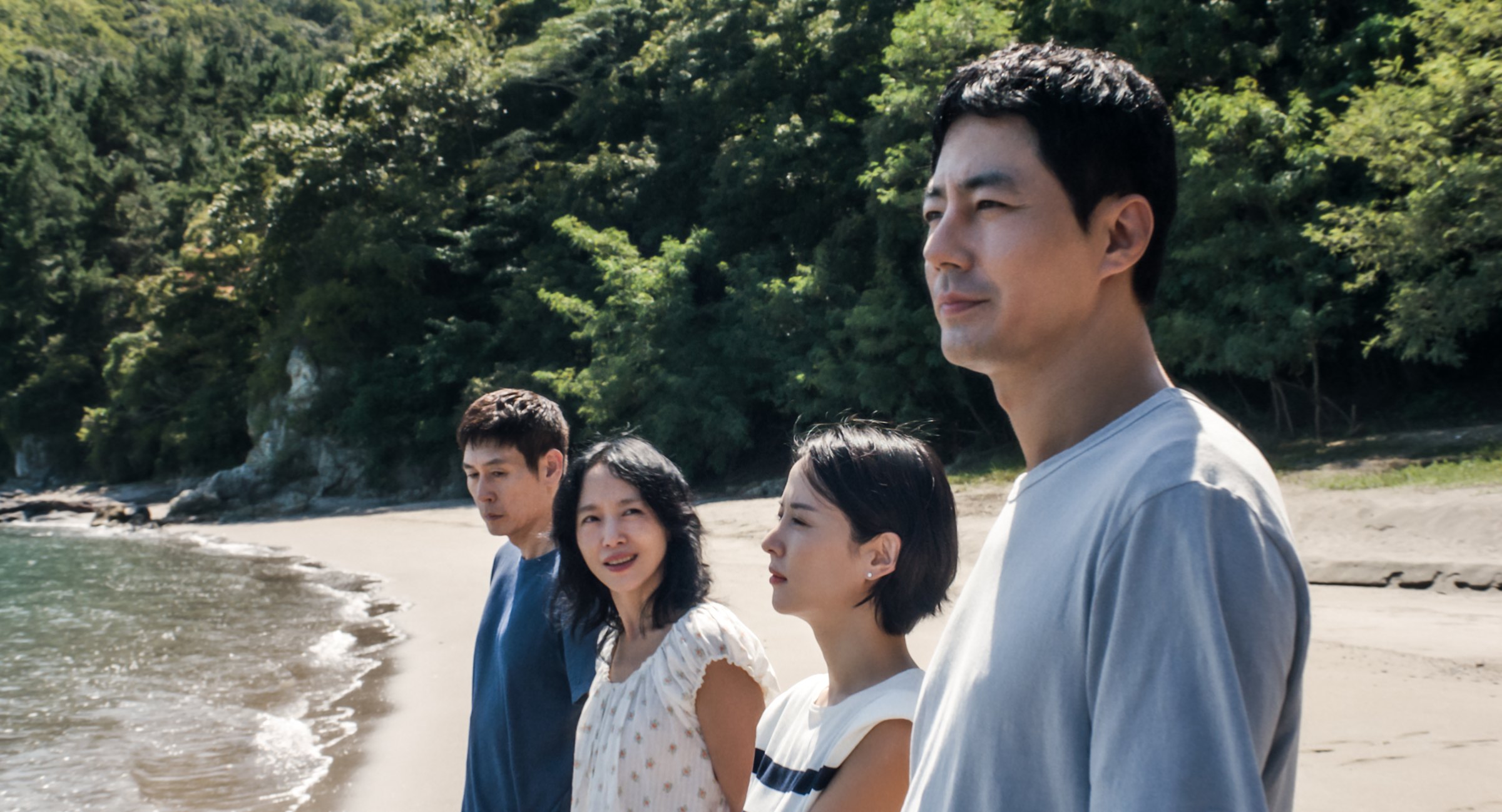
Possible Love | Source: Netflix
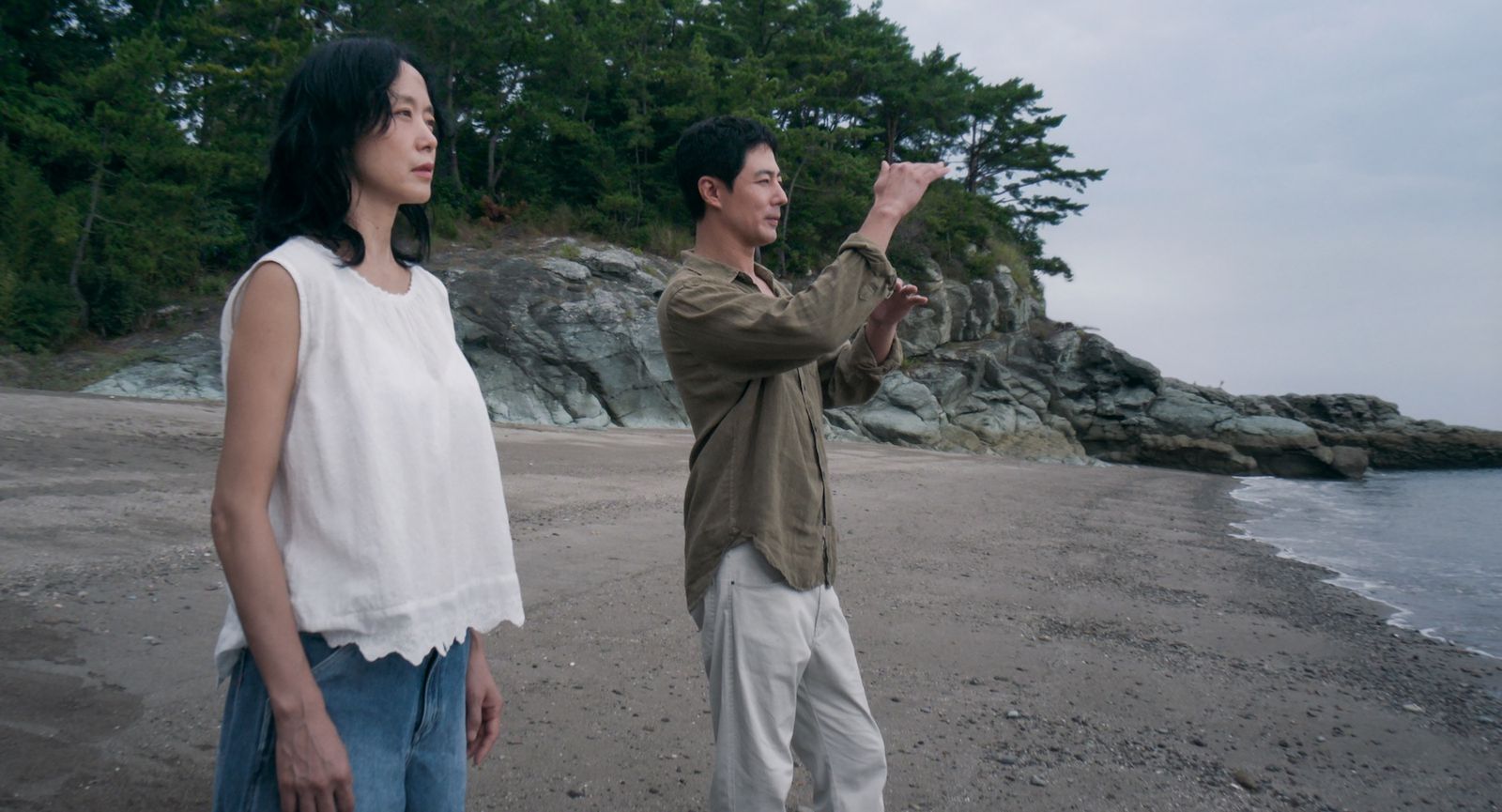
My favourite of the films I watched at Filmekimi was by Lee Chang-dong, whose Burning I also love: Possible Love. Telling of two couples from different classes whose lives intersect through a documentary project, the film is one of the strongest examples of recent South Korean cinema focusing on where class difference and unemployment meet. Frankly, I felt I was watching a less flashy, higher-EQ version of Park Chan-wook’s No Other Choice from last year: in showing how unemployment, beyond the loss of income, transforms a person’s relationship with themselves, their spouse and their child, it also makes room for its characters’ feelings.
What is more, it does not treat even the desire to empathise as separate from class inequality; it shows how a wealthy documentary-maker’s sincere interest can become entangled with the wish to make their own film and with the blindness their privilege creates. That it can draw all of this out of everyday conversations, small insensitivities, silences and attempts at closeness turns it into a fluid, emotional and realistic story whose long running time you never feel.
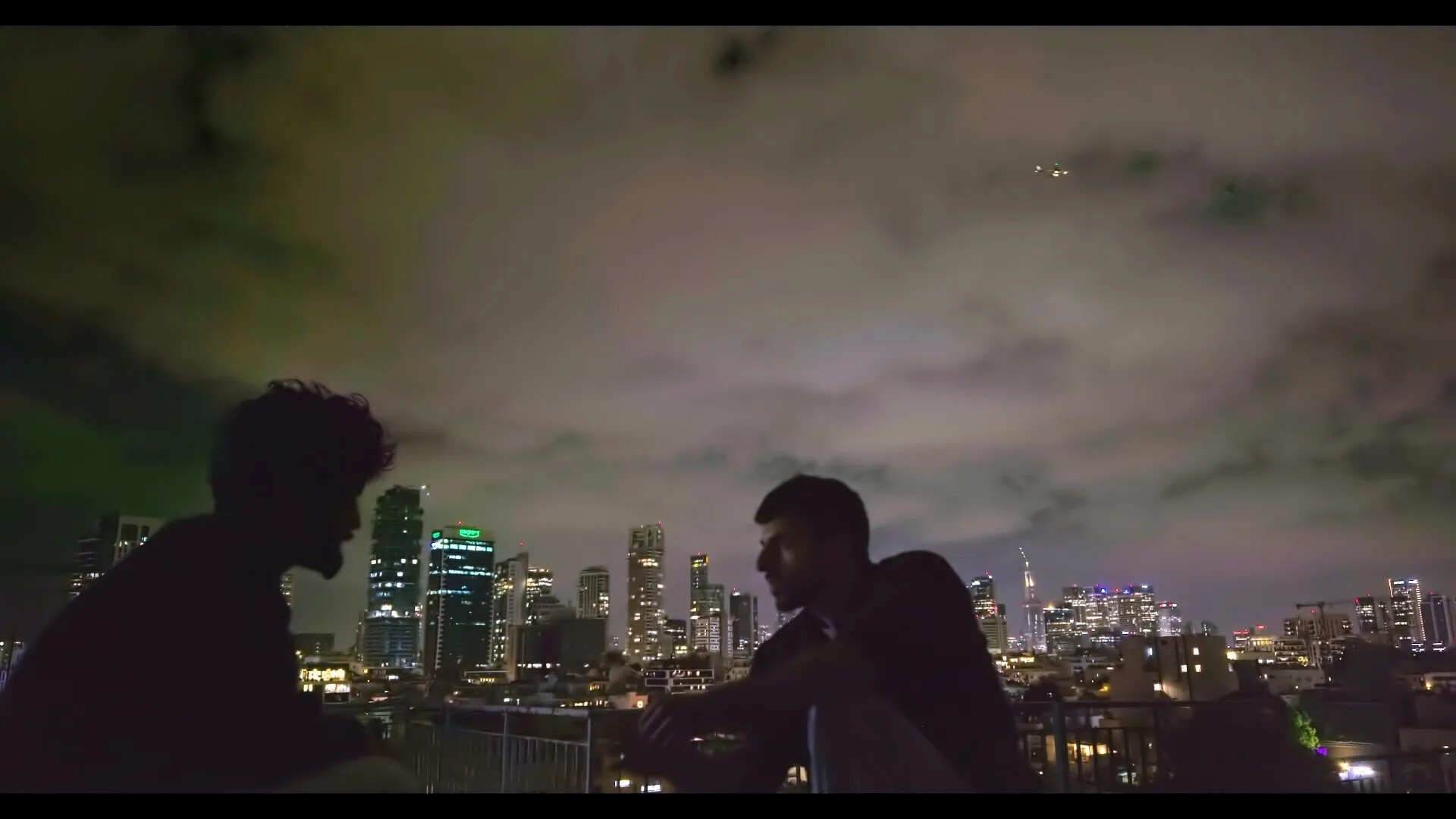
NAZA | Source: İKSV
As I expected, the most demanding film in the Filmekimi selection was NAZA. The subject of this documentary, which lays bare the military and technological mechanisms behind Israel’s bombing of Gaza and the mass killing of Palestinian civilians through the testimonies of those who took part in these operations, is enough on its own to explain how chilling, how “real” and how shattering it is.
I still cannot forget the day last year, also at Filmekimi, when I watched The Voice of Hind Rajab, which likewise dealt with the genocide and crimes against humanity taking place in Palestine. In a screening without a single empty seat, not a sound was made when the film ended, and everyone moved silently towards the exit. A deathly silence reigned. The same thing happened when NAZA ended. But there was a nuance in what I felt: this time I was angry not at the film, only at the facts. The Voice of Hind Rajab turned an all too real fragment of a human tragedy unfolding live before the eyes of the whole world into fiction, trying through emotional manipulation to milk from its audience what anyone with human feelings would feel anyway. I had found this approach ethically deeply wrong and problematic.
Directed by Yuval Abraham and Rachel Szor, two of the four directors of the Oscar-winning No Other Land, NAZA, by contrast, achieves the same shattering effect through the power of testimony and documents. The weight of the facts is more than enough to send you out of the cinema in that same deathly silence.
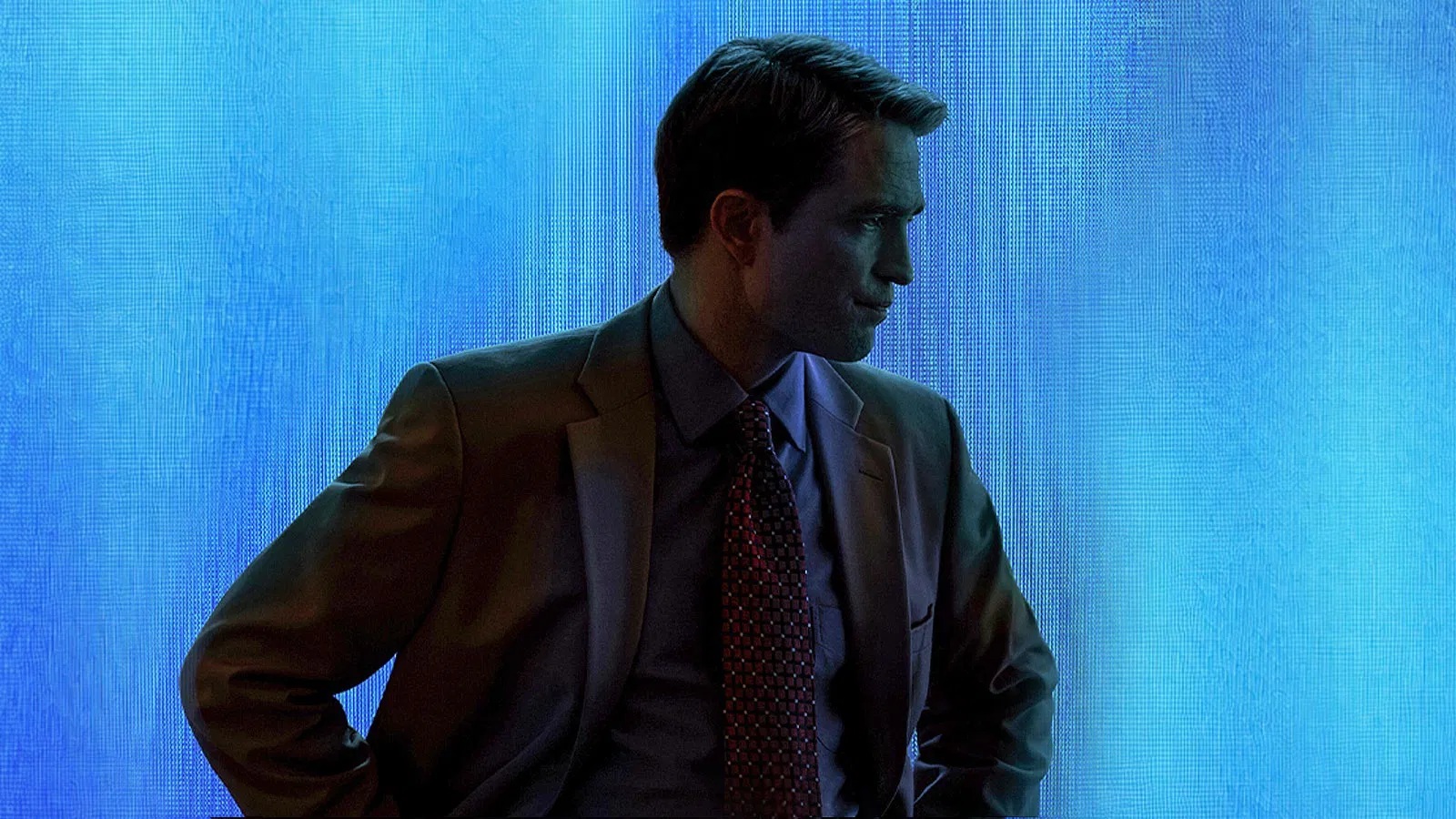
Primetime | Source: İKSV
When can you see the Filmekimi films?
Of the films mentioned in this piece, NAZA is now showing in cinemas in Türkiye, while Wild Horse Nine (6 November), I Play Rocky (20 November), Everytime (18 December), All of a Sudden (25 December), Fjord (8 January) and Gentle Monster (5 February) are coming to cinemas soon. Possible Love arrives on Netflix on 6 November, and A Long Winter will be added to the MUBI catalogue very soon.
Of the selection’s other films, Atonement is also showing now, while Primetime (23 October), A Man of His Time (23 October), The Beloved (30 October), Words of Love (6 November), Bitter Christmas (13 November), Victorian Psycho (13 November), Paper Tiger (27 November), Wicker (27 November), I Want Your Sex (11 December), Iron Boy (18 December), Violette (25 December) and Father Joe (12 February) will be in cinemas soon. Coward, Fatherland and Hope will be available to watch on MUBI very soon.