From the Riace Bronzes to Türkiye: a museum ecosystem. Where does a museum end?
Putting cultural heritage at the service of tourism is one thing; designing tourism so that it helps people experience cultural heritage more deeply and more sustainably is another. When we confuse the two, a work can easily turn into a logo, a souvenir or an image consumed on social media.
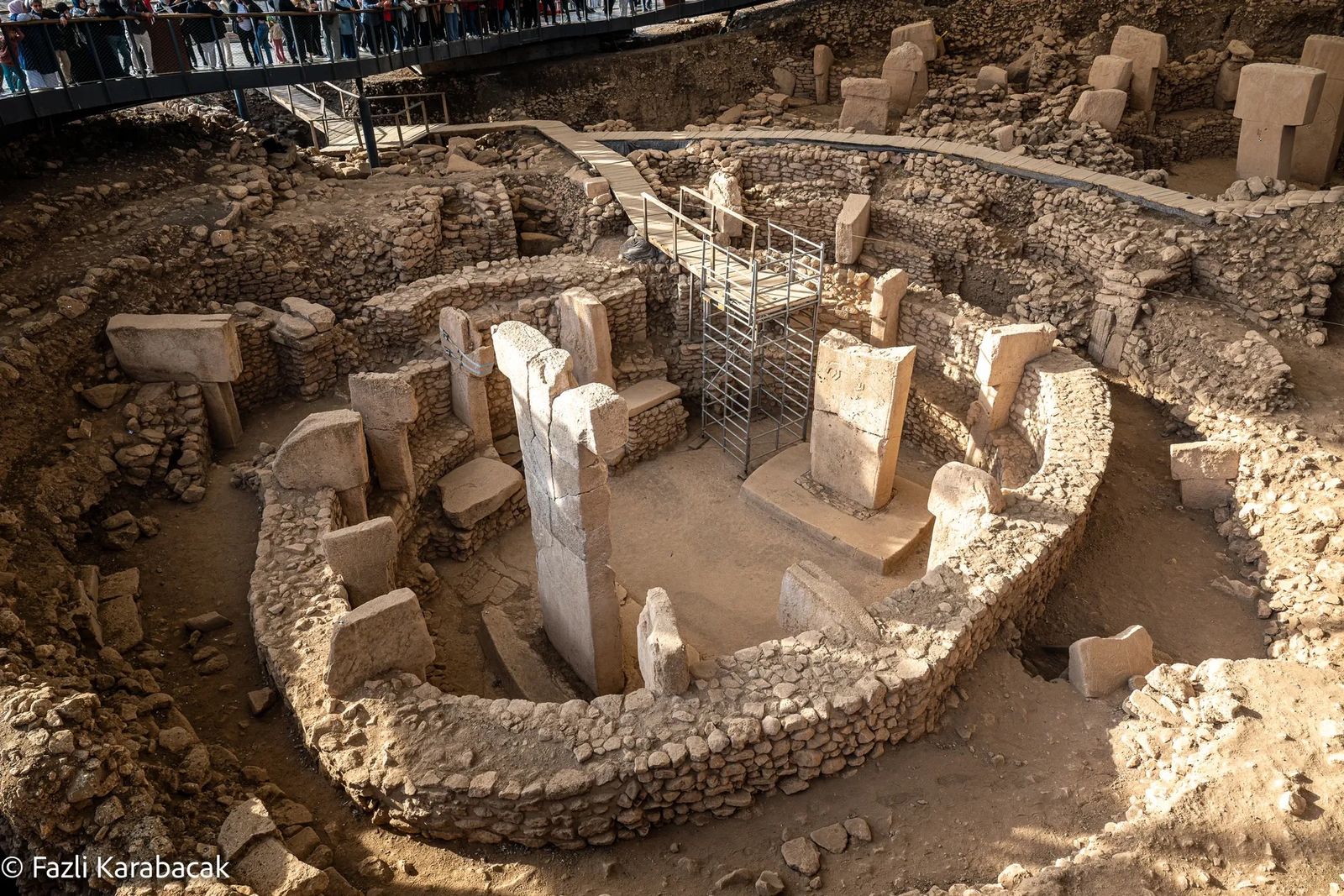
When we think of museums, the first things that come to mind are enclosed spaces and protected buildings. We wander through those cool, light-filled rooms, and when we step outside we assume the museum experience is over. But what if the museum does not end the moment we leave the building, and instead spreads out into the city, the landscape and everyday life?
One recent example that prompts this question is the Riace Bronzes in Italy’s Calabria region. Today these two statues are among the most important works in the National Archaeological Museum of Reggio Calabria. Yet in Calabria’s 2026 programme they are not treated simply as masterpieces to be seen in the museum. The story the statues carry spreads to different parts of the region through events, historical and tourist routes, digital content, exhibitions, performances and concerts.
The rest of this story is on Aposto Premium.
Premium members read every story. If you are not a member, sign up for Magazine and receive the covers and selected stories by email.