On taste: what the nose knows and the tongue does not
Why does an apple not taste like an apple when you have a cold, and can a white wine dyed red be perceived as a red? Flavour is not the tongue’s job alone. Shaped where smell, sight and the sensations in our mouth meet, this experience affects many things, from how we recognise a food to whether we come to love it.
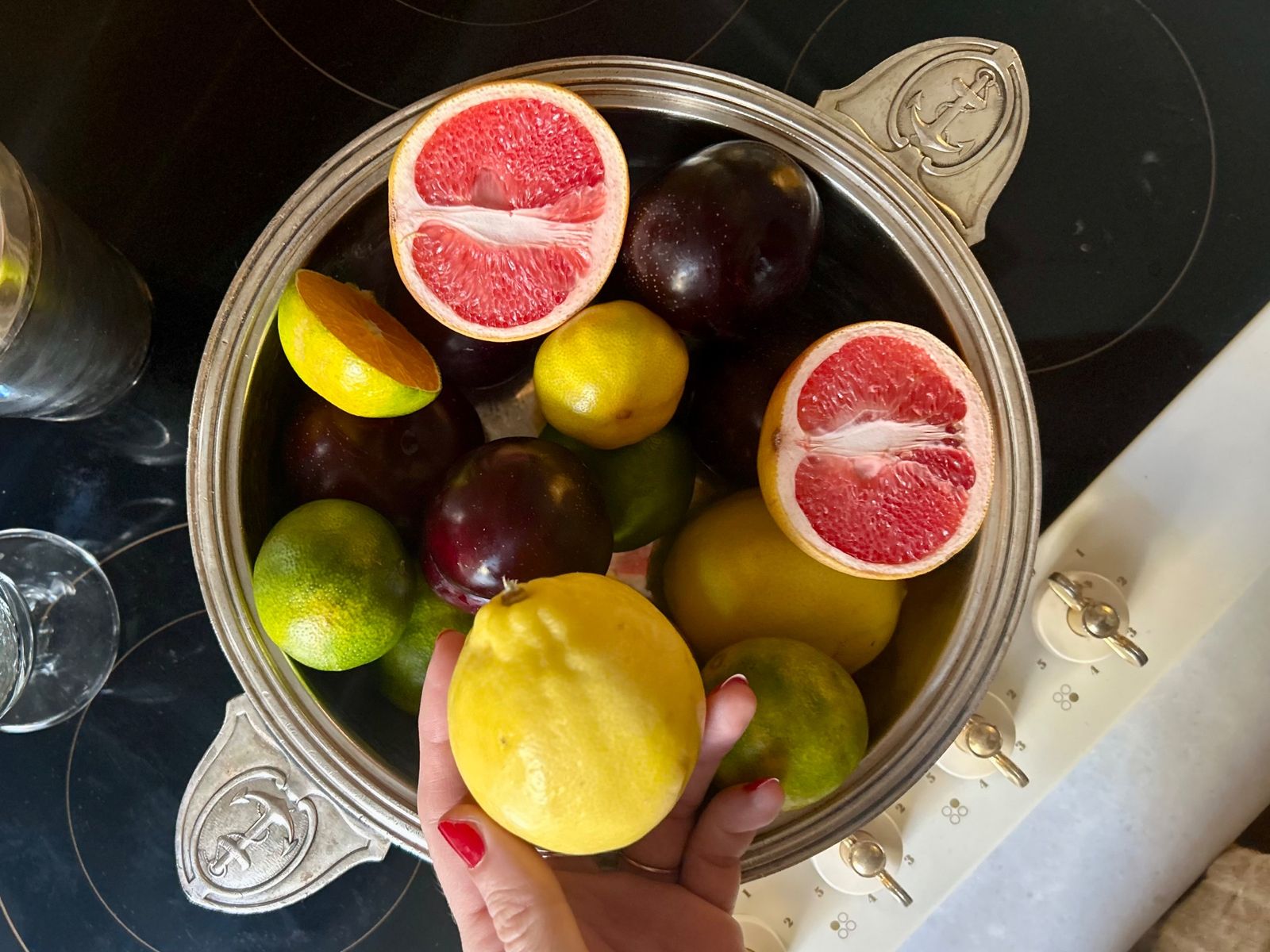
Photographs: Cansın Gelişli
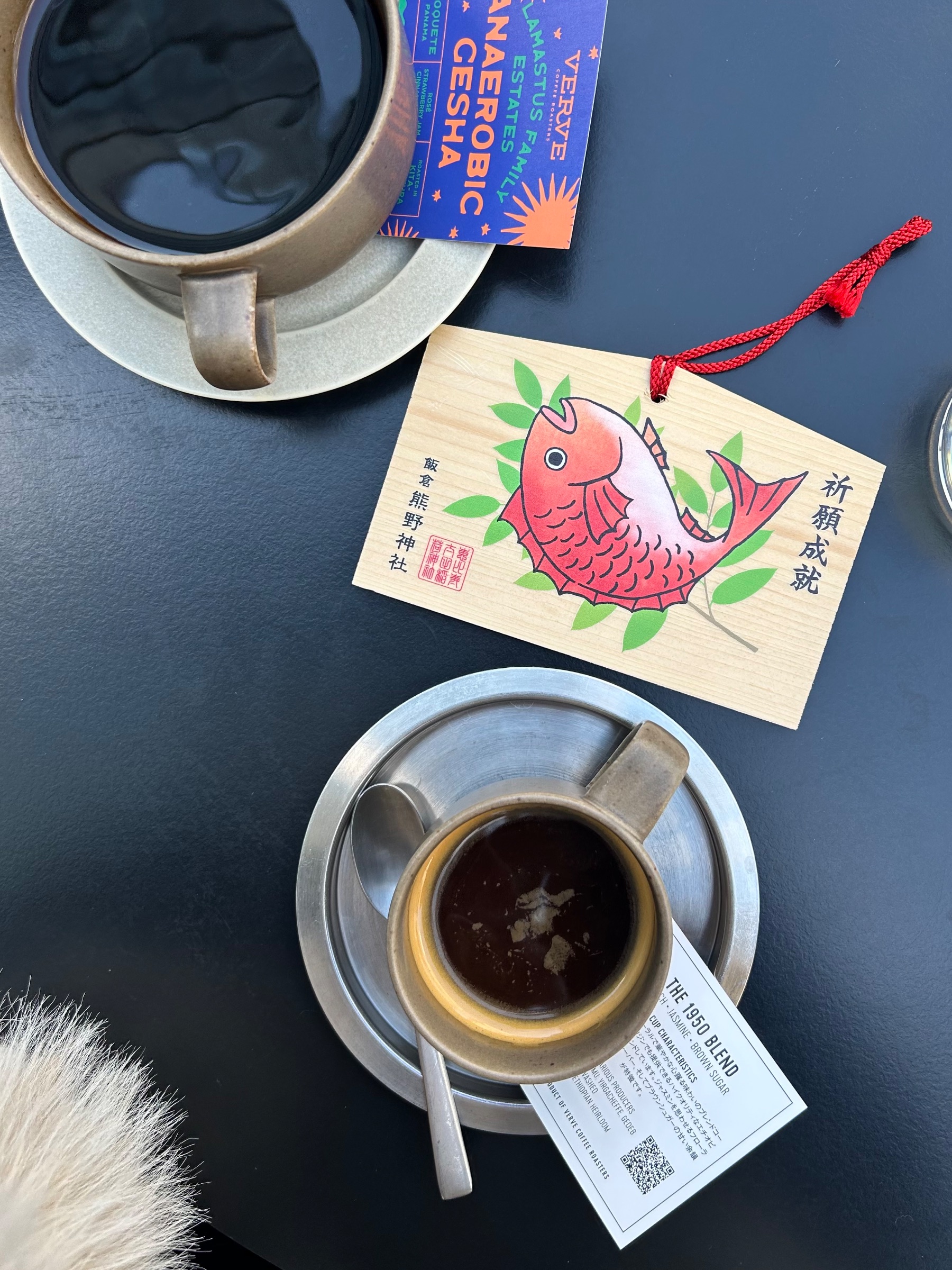
I have a confession: even as someone who has worked with scent for years, I notice the same thing all over again every morning as I drink my coffee. The moment I pick up the cup, before the first sip, I know it is coffee. My tongue has not tasted anything yet. So what is it that lets me recognise coffee as coffee?
There are five basic tastes that we perceive with our tongue: sweet, salty, sour, bitter and umami. Whether fat and starch also create taste sensations of their own is still being debated in scientific research. The world of the nose, however, is far wider.
In 2014, a study involving Leslie Vosshall of Rockefeller University and her colleagues suggested that humans can distinguish more than a trillion different odour stimuli. Although the method used to calculate this estimate was later criticised, the study became one of those that show how complex our sense of smell is. The rich, layered sensation that makes a strawberry a strawberry, an orange an orange and cinnamon cinnamon does not fit into any of the basic tastes. Our tongue simply cannot make that distinction on its own. So where does flavour come from?
Flavour perception covers far more than the sense of taste. Smell is one of the most decisive components of the experience; taste, colour, texture and temperature also shape what we perceive. We notice smell’s share in this whole most clearly when we have a cold. We bite into an apple: sweet, juicy, slightly tart, yet somehow it does not taste like an apple. When the aromas that make an apple an apple cannot reach our nose, what remains is an incomplete experience in which the basic tastes and the texture stand out more.
Wine is much the same. When we taste a wine, a large part of the qualities we describe as “fruity”, “floral” or “spicy” is a report from our nose, not our tongue. While the tongue picks up basic tastes such as sweetness, sourness, saltiness, bitterness and umami, the mouth also lets us feel the astringency of tannins, the warmth and the texture. What we call flavour is the combination of all these sensations.
Can the eye fool the nose?
Speaking of wine, there is another member of the flavour partnership: our eyes. An experiment carried out in 2001 by Frédéric Brochet and his colleagues at the University of Bordeaux added a strange twist to this story, revealing the effect sight has on our sense of smell.
Experienced wine tasters were given a white wine dyed red. Without noticing that the wine’s colour had been altered, the tasters described it in the terms used for red wines. Yet what they were drinking was still white. The experiment showed that visual information can affect how we interpret a wine’s smell.
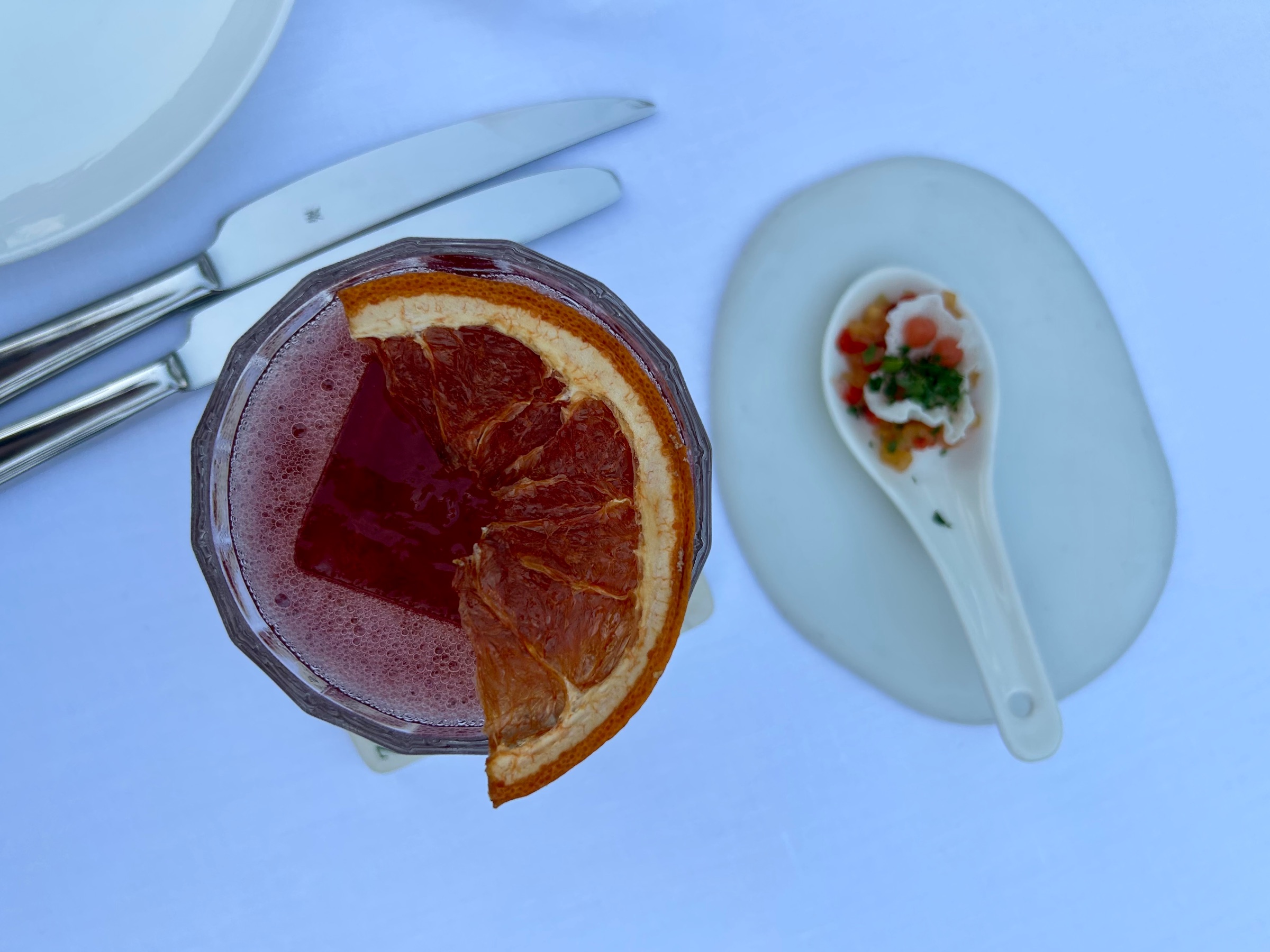
A wine whose colour alone has changed can radically alter the way the brain interprets smell. Our brain does not judge smell in isolation; it also takes into account the clues our eyes provide. In fact, flavour starts to take shape through smell and sight before the very first bite.
The mouth’s quiet touches
Besides taste and smell, there are other sensations that the mouth picks up through touch and pain: the burn of chilli, the coolness of a mint sweet, the faint prickle a fizzy drink leaves on the tongue… None of these is a taste in the classic sense, because the taste buds play little part in the process. What comes into play in creating feelings such as burning, cooling and prickling is the trigeminal system, in which the sensory nerves of the mouth and nasal cavity also have a role.
Capsaicin in chilli triggers signals that are perceived as if there were real heat in our mouth. Mint does the opposite, creating a sensation of coolness; yet in neither case does the actual temperature around us change. The slight prickling of a fizzy drink involves an interaction between the carbonic acid formed by carbon dioxide and the trigeminal sensory system. The sharpness of wasabi or mustard that hits us in the nose is likewise linked to the stimulation of sensory nerves in the mouth and nasal cavity. Volatile compounds rising from our mouth reach the nerve endings inside our nose.
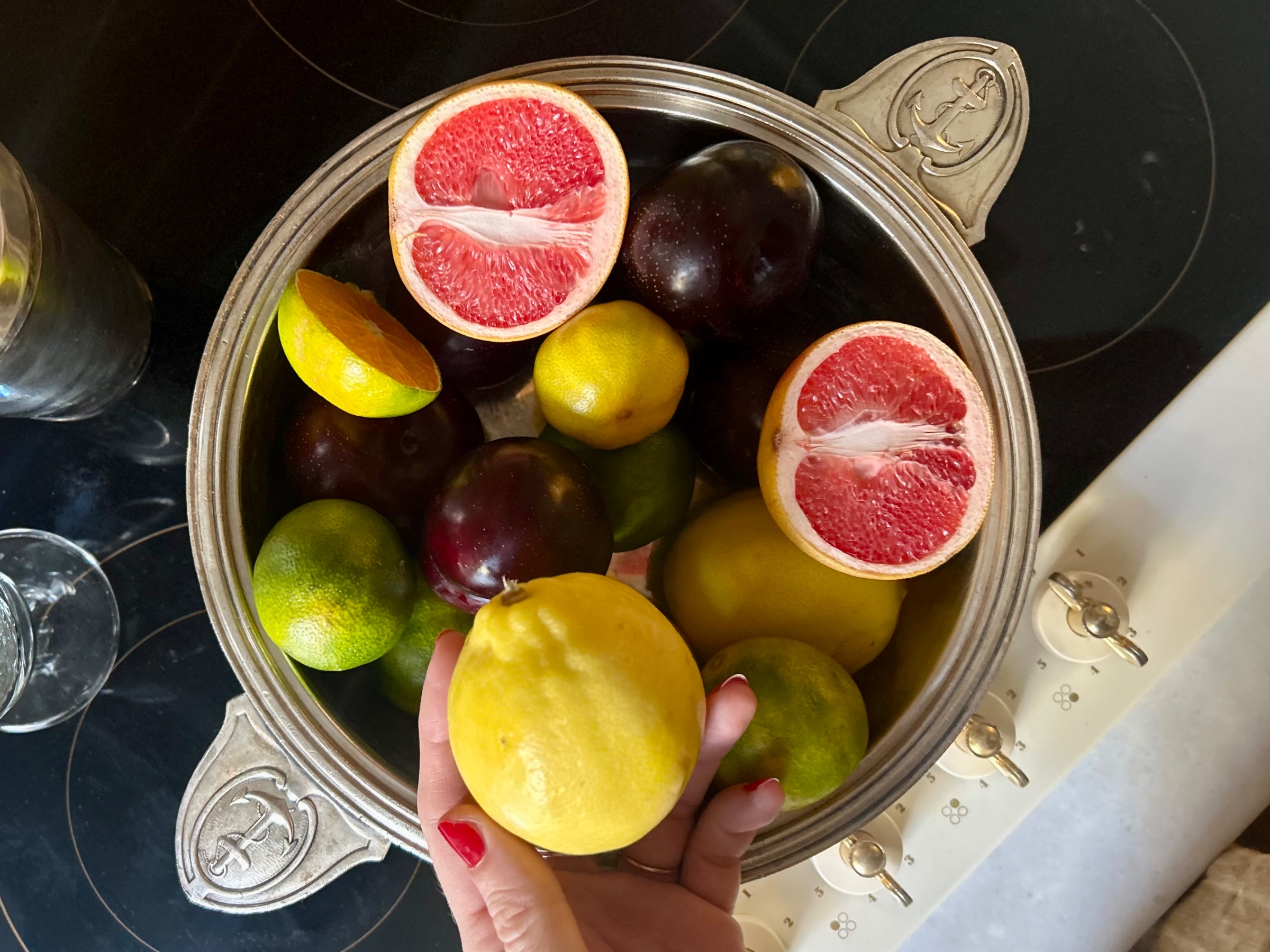
So another player enters the experience we call flavour: the burning, cooling and prickling sensations that accompany taste, texture and smell. What determines how we perceive a food is not only what we taste but also what we feel in our mouth.
What sets aromas airborne
The most volatile member of this partnership is smell. Quite literally. For us to smell something, the molecules responsible have to mix into the air and reach our nose. Temperature is one of the important factors in this process. As temperature rises, many aroma compounds pass into the air more easily. The smell of a hot soup fills the whole kitchen, while the same soup, once cooled, may give off less noticeable aromas. The molecules have not disappeared, but they are now less keen to take to the air.
Ice cream melting and warming in the mouth has a similar effect. When we eat ice cream that has softened a little rather than one that is frozen solid, we can perceive its aromas more distinctly. Besides temperature, the ice cream’s structure and the way it melts in the mouth also affect the release of aroma compounds. Taking some desserts out of the fridge for a short while before serving can change not only their texture but also how their aromas are perceived. Once they soften a little and approach mouth temperature, the aroma molecules are released freely and give the dessert its true flavour.

The smell of earth after rain is another side of the same story. The tiny bubbles formed when raindrops strike the ground help carry the soil’s odorous compounds into the air. One of these is geosmin, associated in particular with certain microorganisms that live in soil. Our nose is so sensitive to geosmin, thrown into the air as a fine mist, that we can detect it even at very low concentrations.
From air to nose, by two routes
These airborne molecules reach our nose by two separate routes. The first is the orthonasal route, which comes into play when we sniff a food before putting it in our mouth. We use it the moment we breathe in the smell of bread fresh from the oven.
Smell helps us assess food before it even reaches our mouth. Noticing signs of spoilage, such as soured milk or mouldy bread, is one of the protective functions of the sense of smell. Of course, smell alone cannot tell us for certain whether a food is safe; but it is part of an ancient system of protection that gives us important clues about our surroundings and what we eat.
The second route comes into play while we chew. The aroma compounds in the food travel from the mouth to the back of the throat and from there to the nasal cavity. This is called retronasal smell, and it is one of the fundamental experiences that make up a food’s flavour.
With most foods, the two routes complement each other. Some examples, however, show that the route by which a smell reaches our nose can change our experience. One of the classic examples discussed in 1982 by the psychologist Paul Rozin, a pioneer of flavour perception research, is Limburger cheese, whose sharp, ammonia-like smell can be off-putting when sniffed directly.
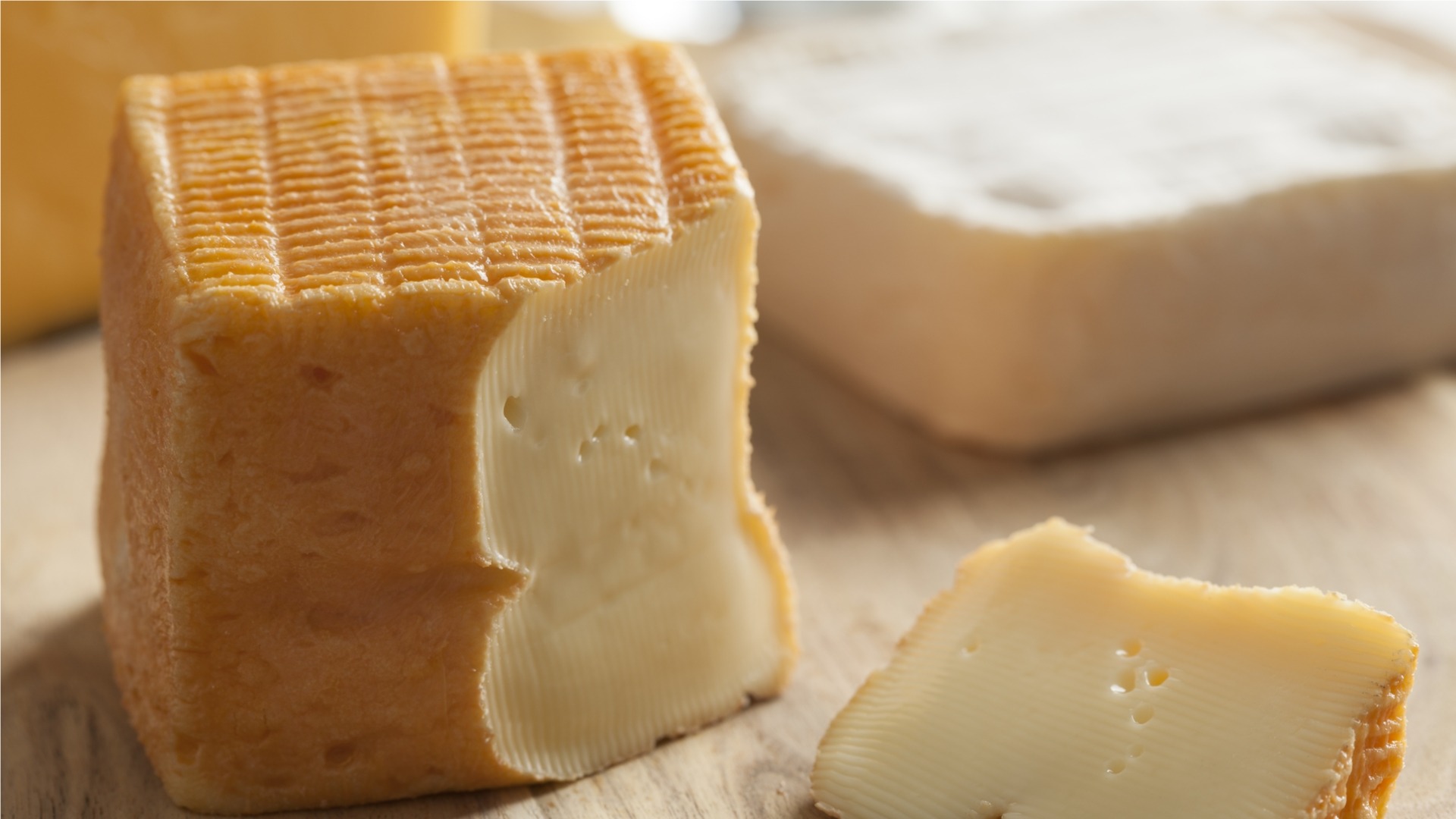
We can come across something similar with blue cheeses. Their sharp, sweaty smell drives some people away at the very first moment. But once the cheese is in the mouth and chewed, the same aroma compounds are perceived by the retronasal route; together with the saltiness, the creamy texture and its other flavour qualities, a different experience can emerge. While the nose pushes us away, the mouth can draw us in, because the way we perceive a food’s smell also affects how we judge it. From here on, the subject is no longer danger but experience.
An aside: the name of aroma
When we talk about the role that compounds reaching the nose by either route play in the experience of flavour, there is one word we use a great deal: aroma.
We hear the word everywhere, but we do not always use it in the same sense. Drink packaging says “flavoured”, ingredient lists mention “flavouring”, and at a tasting we are asked “Which aromas are you getting on the nose?” Let us first look at its meaning in the language of science and tasting, then come back to how it is used on packaging. Its origin is interesting too: it comes from a Greek word meaning spice or seasoning. So what exactly does aroma mean in the language of science?
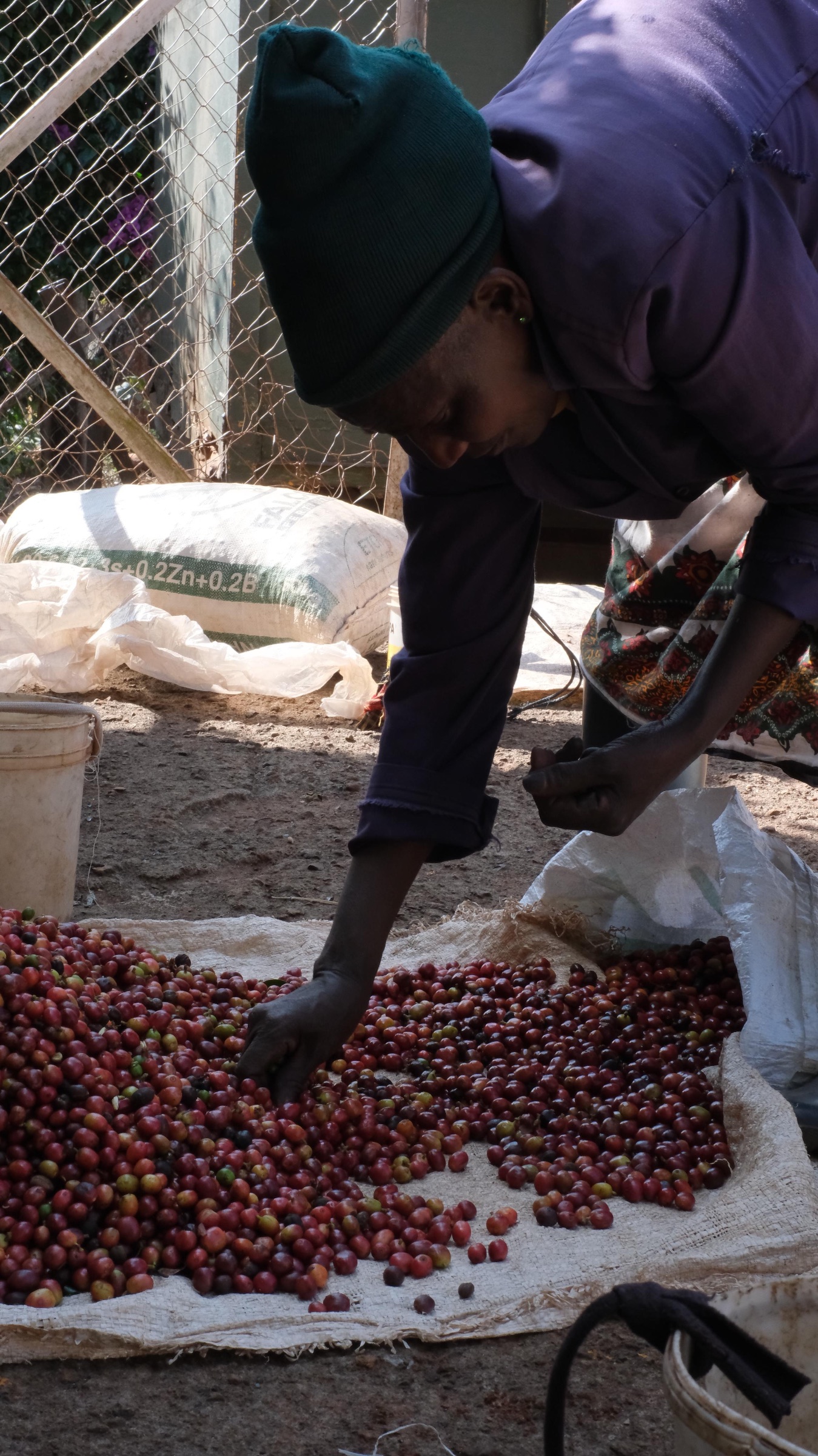
Scientifically, aroma refers to the volatile compounds that contribute to the smell of a food or drink, and is part of the sensory profile they create together. We call the tiny, measurable, airborne smell particles, most of them volatile organic compounds, “aroma molecules”. A strawberry smells of “strawberry” thanks to hundreds of different aroma molecules coming together, and the smell of freshly brewed tea is likewise the joint work of hundreds of volatile compounds.
The terms “aroma” or “flavouring” that we see on packaging mean something different. Here they refer to ingredients defined in regulations and used to give food aroma. They can be obtained from natural sources or prepared by various production methods. So it is necessary to distinguish between the aroma compounds present in a food’s own make-up and flavourings added later. The molecules we have been talking about, by contrast, are the natural smells every food carries within itself with nothing added.
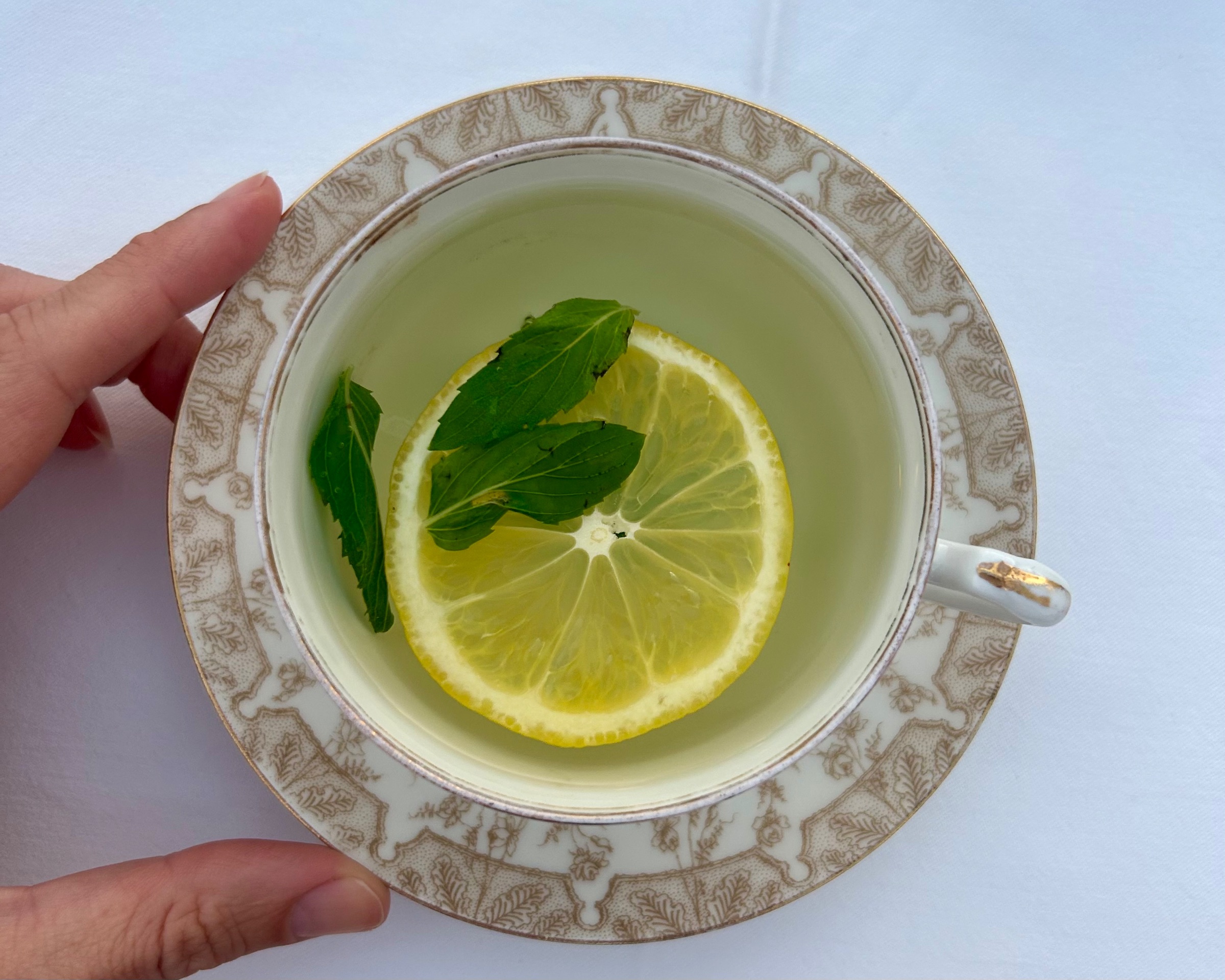
Under the regulations in Türkiye, the use of the word “natural” is also subject to certain conditions. According to the recently updated Turkish Food Codex regulation, for a flavouring to be called “natural” with reference to a particular food or source, all of its components, or at least 95% of them by weight, must be obtained from the stated source. Otherwise the label may only say “flavouring”.
Vanilla is a good example for understanding this distinction. The smell of a vanilla pod is created by the combined effect of many aroma compounds that can evoke sweet, creamy, slightly woody and floral associations. One of the best known of these is vanillin. Although it is a prominent component of vanilla’s smell, it does not represent the whole aroma profile on its own.
Vanillin can be obtained from the vanilla plant, but it can also be produced from other sources. That is why it would be wrong to equate vanilla’s distinctive aroma profile with vanillin alone. This is also where the difference between a label saying “natural vanilla flavouring” and one saying simply “vanillin” comes in. One is the plant’s own smell, coming directly from the plant; the other may be synthesised in a laboratory, a single-layered interpretation of that smell. What is more, the source of the vanillin and its production method also affect how the product can be described.
And the difference is not only chemical but numerical: close to 99% of the vanilla flavour consumed worldwide comes from manufactured vanillin, while the share from the vanilla plant is below 1%. The very small share that vanillin from the vanilla plant contributes to meeting global demand shows that this distinction is also a matter of production and supply.
Tables where smell is protected
Valuing smell is nothing new. In medieval Europe, fragrant spices such as saffron and cinnamon were among trade goods worth almost as much as gold. Today, at some tables, the importance given to smell starts at the door.
When booking a restaurant in Japan, I came across a note asking guests to arrive without wearing perfume. When I found similar notes on the booking pages of other restaurants, I realised this was not the preference of a single place. Such warnings appear especially at some sushi and traditional Japanese restaurants where sensitivity to smell matters, on the grounds that strong perfumes can overpower the smell of the food.

Picture a sushi meal: the distinctive smell of the fish, the light sourness of the vinegared rice and the delicate aromas of the ingredients. A strong perfume could stand out in this fine balance and affect how the food is perceived. The care given to the sense of smell actually reaches widely, from flavour perception to how the whole meal is experienced.
What is more, the relationship between smell and food begins long before we are born. Research shows that aroma compounds from some foods eaten during pregnancy can pass into the amniotic fluid in the womb, and that babies show a marked preference for these familiar smells after birth.
In a study by the researcher Julie Mennella, babies whose mothers had regularly drunk carrot juice in the last stage of pregnancy later responded more positively to carrot-flavoured cereal than babies whose mothers had not drunk carrot juice during pregnancy. The finding suggests that early experiences of smell and aroma may play a role in how our flavour preferences develop.
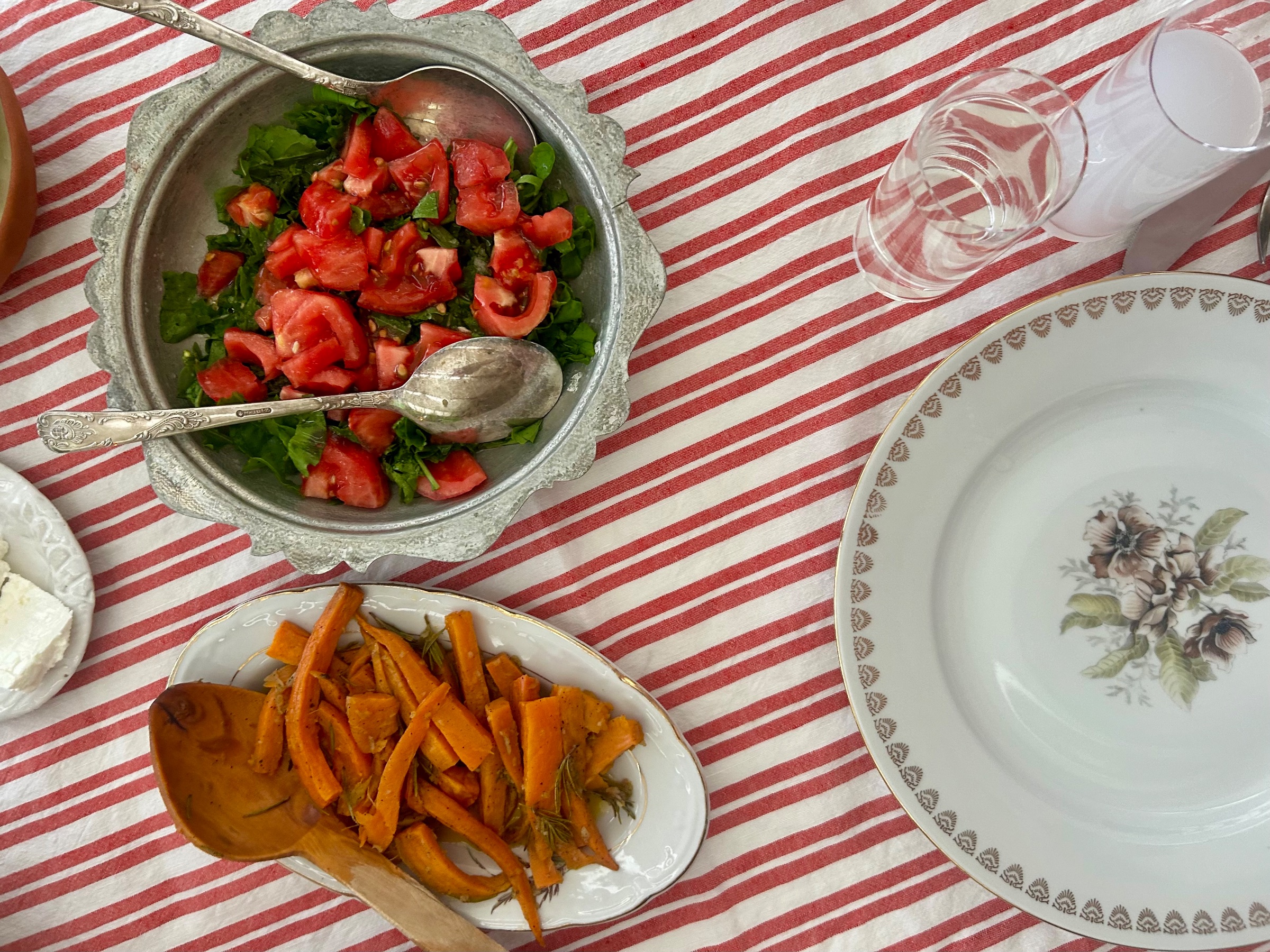
This learning continues after birth. Breast milk can carry certain aroma compounds depending on the mother’s diet. In this way, our sensory relationship with food becomes part of a learning process that begins long before our first bite and continues throughout life. The sense of familiarity we feel towards certain dishes, without being able to explain why, may be connected to these early experiences we cannot yet remember.
The bond between smell and flavour can also be traced in the history of the words we use. The English word flavour today describes the taste of a food. Yet the word’s roots lie in “smell”. Even when flavour took on the meaning of taste in the late 1600s, its definition was “the element in taste that depends on the sense of smell”. Over time the word came to mean the taste and smell components together. Even our language once knew this; we forgot it later. Today, too, when we talk about a food’s flavour, we are describing not only the tastes our tongue perceives but the experience our nose completes.
Let us imagine closing our eyes and putting a basil leaf or a little ground cinnamon in our mouth. Most likely we will sense only a slight sweetness or bitterness. Without the contribution of smell, some of the qualities that let us recognise the food are lost. But when we unblock our nose and breathe out slowly, that familiar aroma will come through and, as if a curtain were slowly drawn back, cinnamon will become fully cinnamon and basil fully basil.
Before your next bite or sip, I hope you remember to pause for a brief moment and smell.