The politics of silence: three films, three women who fall silent
What does a person’s silence tell us? That they have nothing left to say, that their right to speak has been taken from them, or that they refuse the language imposed on them? From film history, three women who carry silence beyond a character trait: Cleo in Alfonso Cuarón’s “Roma”, Ada in Jane Campion’s “The Piano” and Elisabeth Vogler in Ingmar Bergman’s “Persona”.
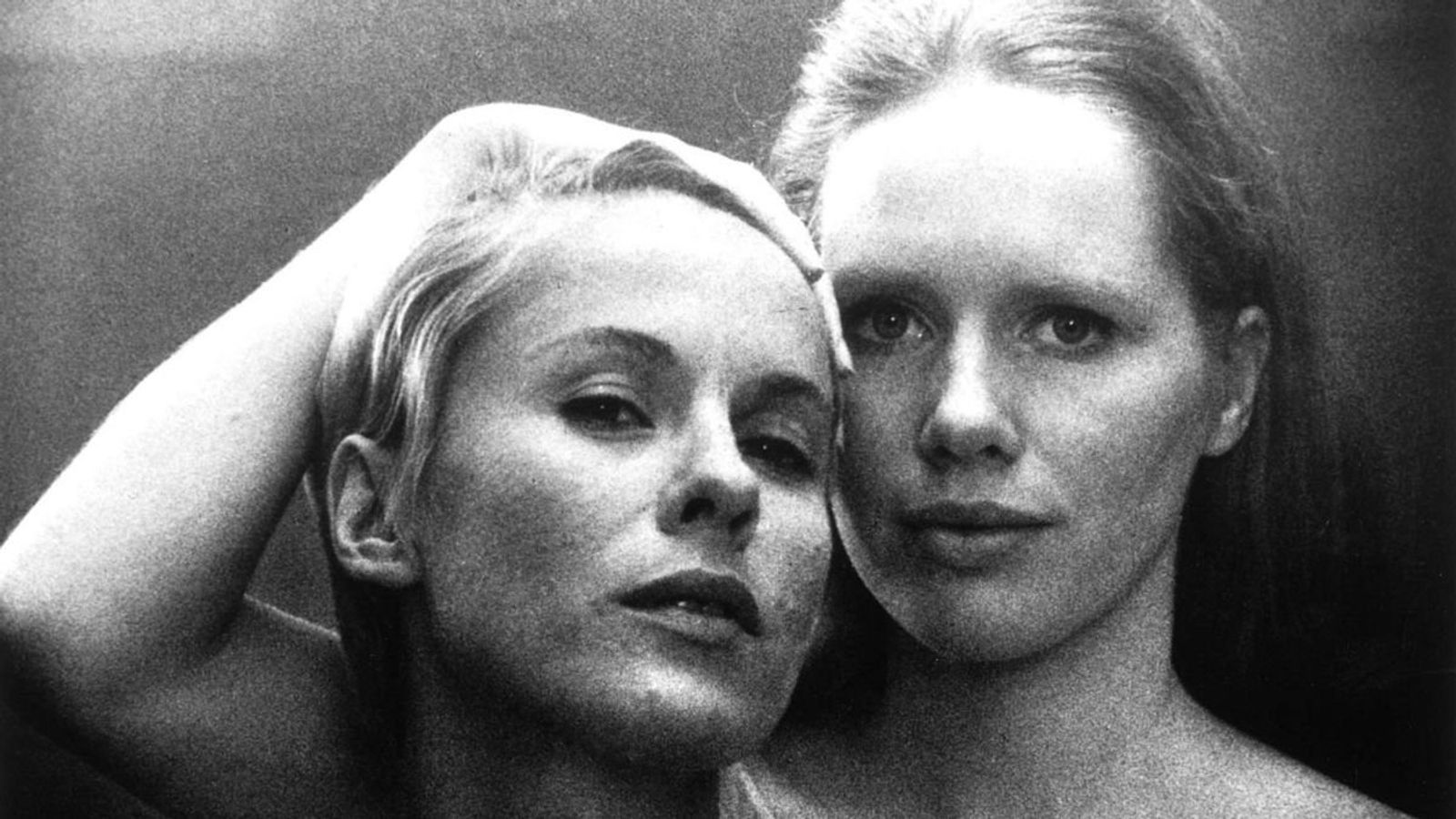
When a person falls silent, what does that silence tell us? That they have nothing left to say, that their right to speak has been taken from them, or that they refuse the language imposed on them? Film history introduces us to three women who carry silence beyond a mere character trait: Cleo in Alfonso Cuarón’s Roma. Ada in Jane Campion’s The Piano. Elisabeth Vogler in Ingmar Bergman’s Persona.
Yes, all three of these women fall silent, but the social conditions, psychological sources and political consequences of their silence are very different. Cleo’s silence bears the traces of colonial history, class domination and the patriarchal order. Ada refuses the identity that a male-dominated world has cut out for her and creates another space of expression. Elisabeth, though she has every means to speak, chooses silence, and she does so on the stage of one of Western culture’s most powerful patriarchal narratives. What really brings these three women together is less the act of speaking than the question of whose words are deemed worth hearing.
The rest of this story is on Aposto Premium.
Premium members read every story. If you are not a member, sign up for Magazine and receive the covers and selected stories by email.