





Spring Festivities Celebrated at METU Despite Bans


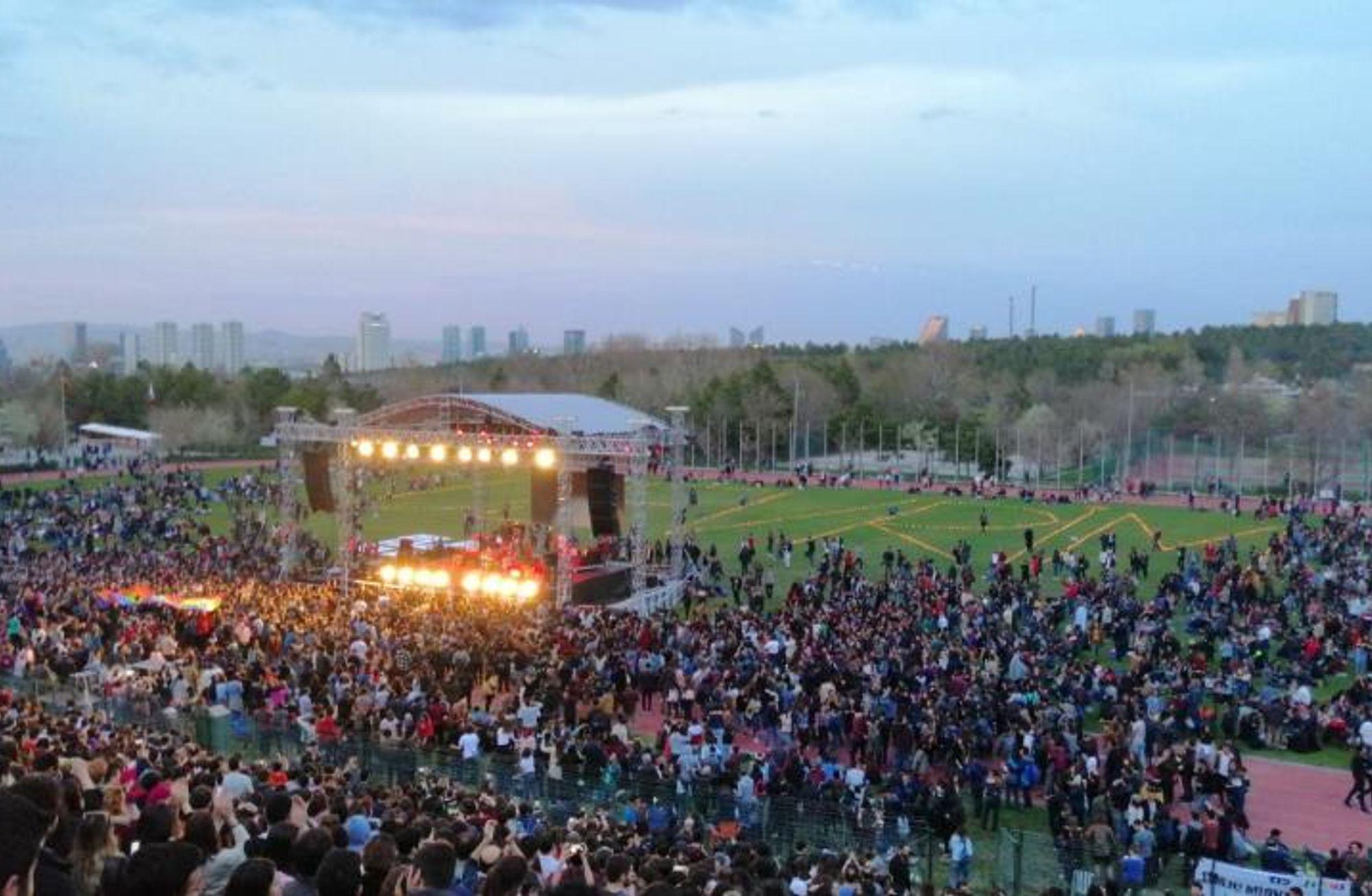
Middle East Technical University (METU) rector Verşan Kök banned the Spring Festival, which has been a tradition for 34 years. In response to this decision, which drew great reaction from student communities, students gathered in front of the rectorate building, chanted slogans, and demanded the decision be withdrawn. Disciplinary proceedings were initiated against the students who expressed that they would not comply with the ban, and the issue was brought to the agenda of the national public opinion. This action of METU students also received support from politicians. Political parties and MPs, especially the CHP, expressed their support for the students and said that the traditions and freedom of universities must be protected. Students sought alternative ways to organize the festivities. The rectorate banned sound and light systems from entering the campus. Fortunately, CHP MP Deniz Demir, with the assurance of his immunity, was able to get behind the wheel and bring these systems into the campus, making it possible for students to organize alternative celebrations.
First, it is essential to note that events such as spring festivals are an important part of university culture. Thanks to such events, students have fun, mingle, and take a breather before the tough finals week. Of course, slogans that the government does not want to hear can also be shouted during these festivities. This has also become part of the tradition over the years. For students, the campus space provides a space of relative autonomy to express their political opinions and protest against the government's decisions. In previous years, it would have been unimaginable for banners at METU graduation ceremonies to be unfurled outside the campus. However, the fact that students were able to do this in the relative freedom provided by the graduation ceremony, even if it was not related to their graduation, led to a tendency on the part of the government to destroy the right to demonstrate and march on campuses, which had already been killed throughout the country.
Of course, we don't know whether this decision was made solely on the rector's initiative or if it was in line with instructions from above. Both scenarios are possible, and both reveal a significant problem in the functioning of institutions that are supposed to be autonomous. If this decision was made by the rector alone, it means he has damaged the brand and tradition of his own university and tried to intimidate his own students by opening an investigation. If it was the rector's own decision, it also shows why he was appointed by the President of the Republic among the three candidates proposed for rector, as he is implementing the government's decisions that restrict rights and freedoms across the country on the campus. If Rector Kök made this decision based on instructions "from above," there is little to discuss. It is well known from the experiences of other universities that the AKP does not want any institution to remain autonomous from its control or to maintain traditions that are "contrary" to its will. METU has experienced this pressure, similar to Boğaziçi University and Ankara University.
Finally, universities are considered the cradle of free thought and academic freedom. Academic freedom ensures that scientific research and intellectual activities can be carried out free from pressure. In this context, the protest at METU is a reminder that universities should not deviate from these fundamental principles. The fact that students exercised their democratic rights to protest against the rectorate's decision shows that universities are not only institutions of education and research but also places where democratic values are upheld. Liberal democratic values include fundamental rights such as freedom of expression and the right to assemble. The incident at METU demonstrates that these values must be protected and defended.
The ability of students to peacefully protest against the banning of traditional festivities and express their opinions is a fundamental element of liberal democracy. Such protests are crucial for different segments of society to make their voices heard and to ensure the functioning of democratic processes. In conclusion, the protest at METU serves as an essential example of university freedom, academic autonomy, and liberal democratic values. Protecting the freedom of universities is vital not only for academic success but also for the survival of democratic values and the progress of society.


Kaydet

Okuma listesine ekle
Paylaş
İLGİLİ BAŞLIKLAR
NEREDE YAYIMLANDI?

Here is what we have compiled for you this week: 1. May 1st Indictment 2. Spring Festivities Celebrated at METU Despite Bans 3. Should the Public Budget be Cut or Expanded? Freedom Research Association
06 Haz 2024
YAZARLAR

Ömer Faruk Şen
2015 yılında Ankara Üniversitesi Siyasal Bilgiler Fakültesi’nden mezun oldu. Şen, Fulbright bursiyeri olarak Missouri Üniversitesi’nde siyaset bilimi doktorası yapmaktadır. Uluslararası para sistemi, yükselen güçler, dolar hegemonyası ve digital paralar gibi Uluslararası Politik Ekonomi (UPE) konularında çalışmalar yürütmektedir.

Özgürlük Gündemi
Özgürlük Araştırmaları Derneği'nin hazırladığı Özgürlük Gündemi, Türkiye’nin hukuk devleti, ekonomi, siyaset ve sivil toplum gündemine ilişkin vakıaların değerlendirildiği, iki haftada bir pazartesi günü yayımlanıyor.
İLGİLİ OKUMALAR