


In a city sculpted over 579 years, where a cathedral that might stand as Gothic architecture's magnum opus commands the center stage; where the paths lead circularly to the 15th century, to 2026, to past and future, that's where I stand. Amidst the northern modesty, where one of the inaugural shopping centers, though not in today's terms, once rose, and where lexicons of design from textiles to automobiles, from materials to style were authored, the splendor sits well, justified by its grandeur. If the key to understanding the contemporary era and envisaging the future lies in acknowledging and sharing the narrative of design, then I am precisely where I ought to be, in Milan.
Reflecting from a vantage point more akin to a design aficionado than a designer, I recall my inaugural Milan Design Week expedition. It was a year or so after my 2015 Expo visit. Despite the potential assertions of a diligent follower or design professional regarding its inflation or commercialization post-2015, its rising success among other European design weeks is undeniable. Yet, from an observer's standpoint, one can unearth alternative angles. Milan, a city adorned in the craft of design, weaving heritage and execution into its very fabric. Put differently, design, as a pivotal part of the city's cultural heritage, has naturally evolved into one of its most potent forms of expression, recognized historically as the embodiment of creativity and cultural diversity. This city, having discovered itself in layers through every external engagement during its developmental stride, and having attained its uniqueness, remains an indispensable junction for connection today, the formula in itself.
This month, Soli Journal shifts its lens slightly as we rendezvous with two designers in Milan. We delve into the city's exhibition culture, the spaces ingeniously crafted not just for display but for living, propelled by a sort of creative instinct, and the significance of the Milan Design Week, marking its presence in our April calendars. We chat with Utkan about the design week and the city's design districts; we dissect one of the city's layers through Porto Venezia with Derin. We've packed Derin's index and Utkan's agenda. The journey has already commenced.
Companion: Keep on Keepin' On
Elif
Utkan Günerkan
Meet Utkan, or "Utki" as friends call him; a dynamic interior designer and a communicator at heart. A tourist outside Europe, a local in Istanbul, yet he's never felt like an outsider anywhere.


Let's meet
I'm Utkan, though my inner circle prefers "Utki".
I'm working an interior designer. Had I not ventured into this field, psychology would have been my calling.
According to my friends, my greatest talent lies in design, but in my opinion, it's communication. To me, without the art of communication no talent can truly shine.
When meeting someone new, the first thing I usually want to share is how fortunate I feel.
I live in Milan but my heart belongs to Istanbul.
The term neighborhood to me conveys a sense of tranquility outside my home, a place I can visualize in its entirety with my eyes shut.
I feel connected to a neighborhood when familiar faces greet me day in and day out.
Outside Europe, I feel like a tourist, but in Istanbul, I feel like a local. I've never felt as outsider anywhere because adapting to your surroundings and feeling like you belong is a universal journey.
I'm a local in Istanbul, a tourist outside Europe, but never an outsider anywhere. It's about finding that familiar rhythm in the unknown.
What's up?
Lately, I've been engrossed in architectural materials. Staying abreast of the latest innovations and uncovering the potentials of various materials truly invigorates me.
With spring in the air, I find myself tuning into poolsuite.fm more often than not.
Looking ahead, Milan Design Week and the 60th Venice Biennale are marked on my calendar.

A snapshot into Milan's urban landscape and its design culture
We delve into Milan's human-scaled neighborhoods with Utkan, discussing the city's design culture and more during the design week.
Soli: How does Milan's design language interact with the city's historical and contemporary urban landscapes?
Utkan: If we consider cities as organisms, it wouldn't be wrong to say that each city reflects its inner world through its design language. Unlike its Italian counterparts, Milan doesn't flaunt its urban beauty; it invites the curious to discover it layer by layer, in a more esoteric manner.
The city's industrial structure and its role in financially uplifting the country pave the way for Milan to transform into a veritable exhibition space. Looking at structures like the Duomo di Milano, Torre Velasca, Pirelli Tower, and Bosco Verticale from a chronological perspective, we can see urban landscapes as a reflection of hope for the future. The intermingling of all these historical layers creates a city identity that requires repeated reading.
S: In this context, how do you read the city's stories and uncover its layers?
U: The layered structure and human scale of Milan allow for exploration on foot from one point to another. This makes it possible to physically or mentally feel the unique spirit, or genius loci, of each neighborhood as you move from one to another. The most enjoyable route I've observed this change on starts from Cinque Vie, extending all the way to the end of Corso Garibaldi and Corso Como.
S: What could the support and increase of design-centric areas like Brera mean for the transformation of these neighborhoods and for designers in the city?
U: In Milan, there are a few neighborhoods and streets that serve as symbols of social status for designers, with Brera being one of them, historically synonymous with design. However, the demographic that can afford to live there today is socio-economically privileged, which also coincides with the potential target clientele for designers. Their higher purchasing power increases the likelihood of designers being able to make sales in these neighborhoods.
On the other hand, the proliferation of relatively more affordable yet still designer-favored areas like Nolo Milano and Isola helps designers stay within the city limits. However, as these neighborhoods become popular and rents rise, it could lead to a domino effect making the entire city unaffordable. While I'm happy about the increase and support of these areas, I believe a more organic development process would be more beneficial for the city.
S: Milan Design Week is approaching. This year's Fuorisalone theme is "Materia Natura," focusing on sustainability in design and creative processes. How do you interpret the scope of the design week in this light?
U: Even though Fuorisalone's theme is sustainability, I believe that the design week is largely dominated by large-scale commercial firms, and unfortunately, the theme often remains just a headline. Therefore, I try to follow independent designers as an alternative.
S: Which independent designers and programs are you planning to follow during Milan Design Week?
U: For now, the "Design Variations" new edition is at the top of my list of programs to see. This year, "Design Variations" will be held in a garage with brutalist architecture from the 1940s, facing the southwest side of Darsena. The building, designed by Marco Zanuso, will open its doors to visitors for the first time for this occasion. Moscapartners will curate the exhibited designs.
Another event is Alcova, which has been bringing together creative minds and designers shaping the design world for seven years, taking place in two significant structures within the Milan metropolitan area: Villa Borsani, designed by Osvaldo Borsani, and Villa Bagatti Valsecchi, one of the 19th century's most important examples of Lombard architecture.
Another project is AQUA by studiopepe, organized in collaboration with Archiproducts. Generally, selections by platforms like Elle Décor and Say Hi to Atlas are also on my list every year.
S: How do Milan Design Week and other international events contribute to designers in Milan, the city's residents, and the exhibition culture?
U: I think Milan Design Week is highly beneficial for design communities, especially as an international platform. It fosters interest and attention on pure design beyond commercial concerns, offering designers the opportunity for recognition and networking with other designers. Many people, deeply involved in design and connected to the industry, can get their yearly dose of inspiration by attending just this fair for six days. It shows hopeful visions of the future to those who can see.
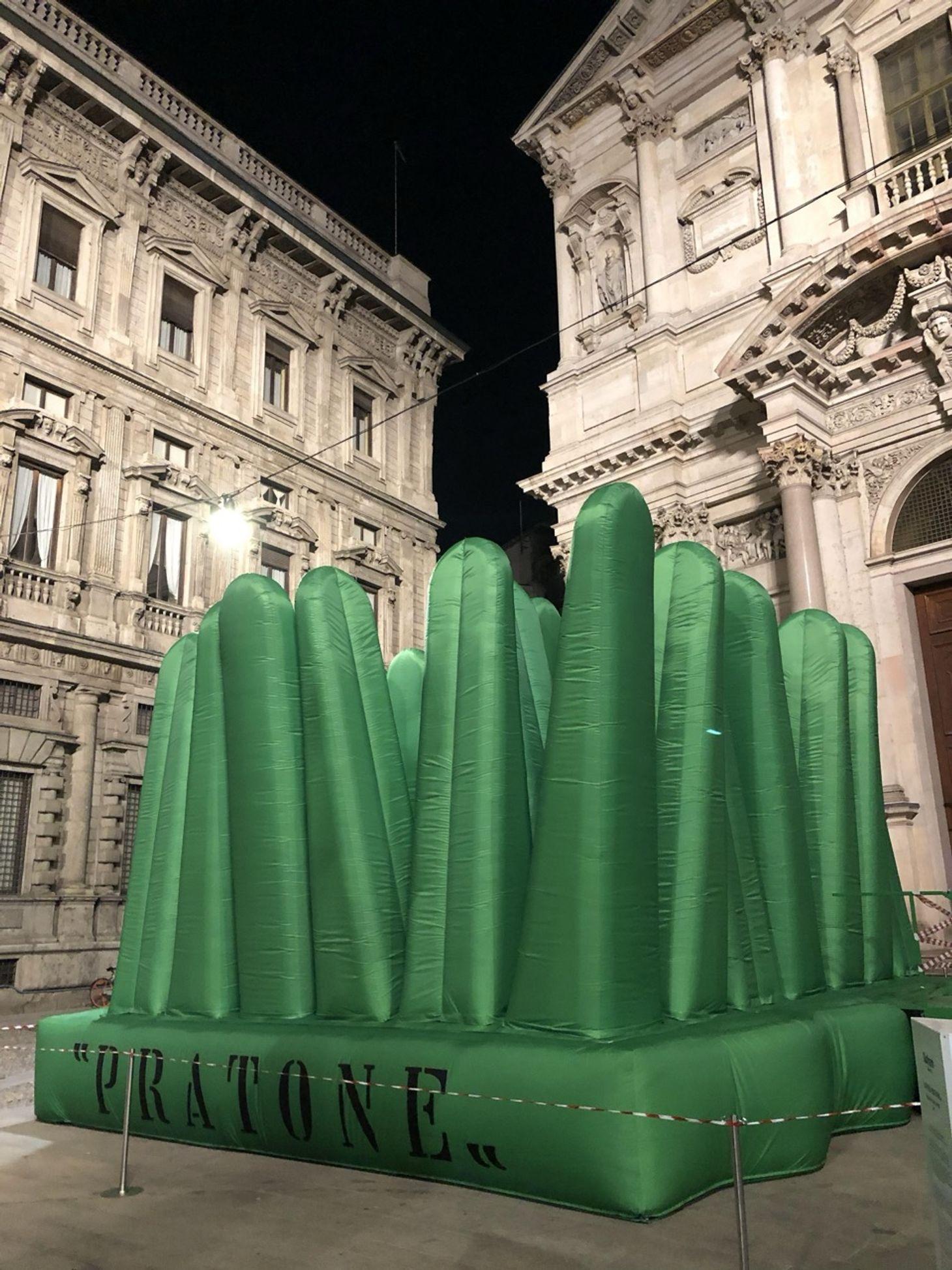
For Milan residents, the biggest change is the city turning into a treasure trove to explore, especially during the Fuorisalone period. Beyond the exhibitions, every building or palazzo courtyard is open for visits, offering a glimpse into Milan's most private living spaces and the dynamics within these structures. There's always an ongoing art and production vibe in the city. With design weeks and similar events, especially after Expo 2015, we see the opening of art galleries throughout the city and the proliferation of pop-up exhibitions. People might just find themselves wandering into an art exhibit on their commute back from the office. Imagine your local pizza spot doubling as a pop-up gallery and eatery for an evening; that's the kind of vibrant exhibition scene there is in the city.
Utkan's Milan agenda for Spring 2024
In spring, Milan buzzes with life, mirroring nature itself, but come summer, the city quiets down. With the onset of warmer days, locals make a beeline for the coast, leaving the city squares to pigeons, tourists, and the ever-curious flâneurs. Here's a slice from Utkan's Spring 2024 Milan planner for those looking to soak up the city's pre-summer vibrance.
Must-sees
Short & Sweet. Exhibition. This showcase, curated by the renowned Martin Parr and in partnership with Magnum Photos, delves into a spectrum of themes from Parr's early monochrome pieces to vibrant seaside scenes. It presents over 60 personally selected photographs by Parr, alongside more than 200 from his famed "Common Sense" series. This selection, originally from his 1999 exhibit of the same name, zooms in on the mass consumption culture prevalent in the West and Europe.
Where? MUDEC Photo, Via Tortona 56, Milan
Until? July 30th
Piano City Milano. Festival. This annual music fest, orchestrated by Associazione Piano City Milano with support from Milan's Municipality, the Ministry of Culture, and the Ministry of Tourism, lights up the city with over 250 concerts by more than 300 artists across 20 venues. It's a city-wide celebration of music, aiming to animate Milan with an extensive and engaging lineup, curated by hdemia and Ponderosa Music & Art.
Where? Spread out across Milan
When? May 17-19, 2024
Visit while you there
Beefbar Milan. Dining. Milan secures the first Italian outpost of the chic Monte Carlo-born Beefbar. Set in a repurposed religious school building, the restaurant's layout is a Humbert & Poyet masterpiece. The menu boasts delicacies like homemade Wagyu, tender beef Bolognese with fresh pappardelle, zesty lemon-yuzu osso buco risotto, and Kobe beef bresaola, among others.
Where? Nestled between Corso Venezia and Via Sant’Andrea
Utkan's insight: Milan's dining scene matches its aesthetic appeal with culinary excellence. Here, style and substance go hand in hand.
Trattoria del Ciumbia. Restaurant. This newest gem from Milan's dining and hospitality group, Triple Sea Food, is a nod to the bygone eras of the '30s and '60s, thanks to the creative minds at Dimorestudio. Chef Paolo Rollini's menu is a homage to Lombardy with unexpected twists along the way. The wine list? A vinous voyage from Lombardy's vineyards down to Puglia's shores.
Where? Via Fiori Chiari 32, Milan
Editor's Note: 'Ciumbia' captures the Milanese spirit of encouragement, akin to the English "come on" or the Italian expressions "ma dai" or "accipicchia," marking moments of joy or surprise.
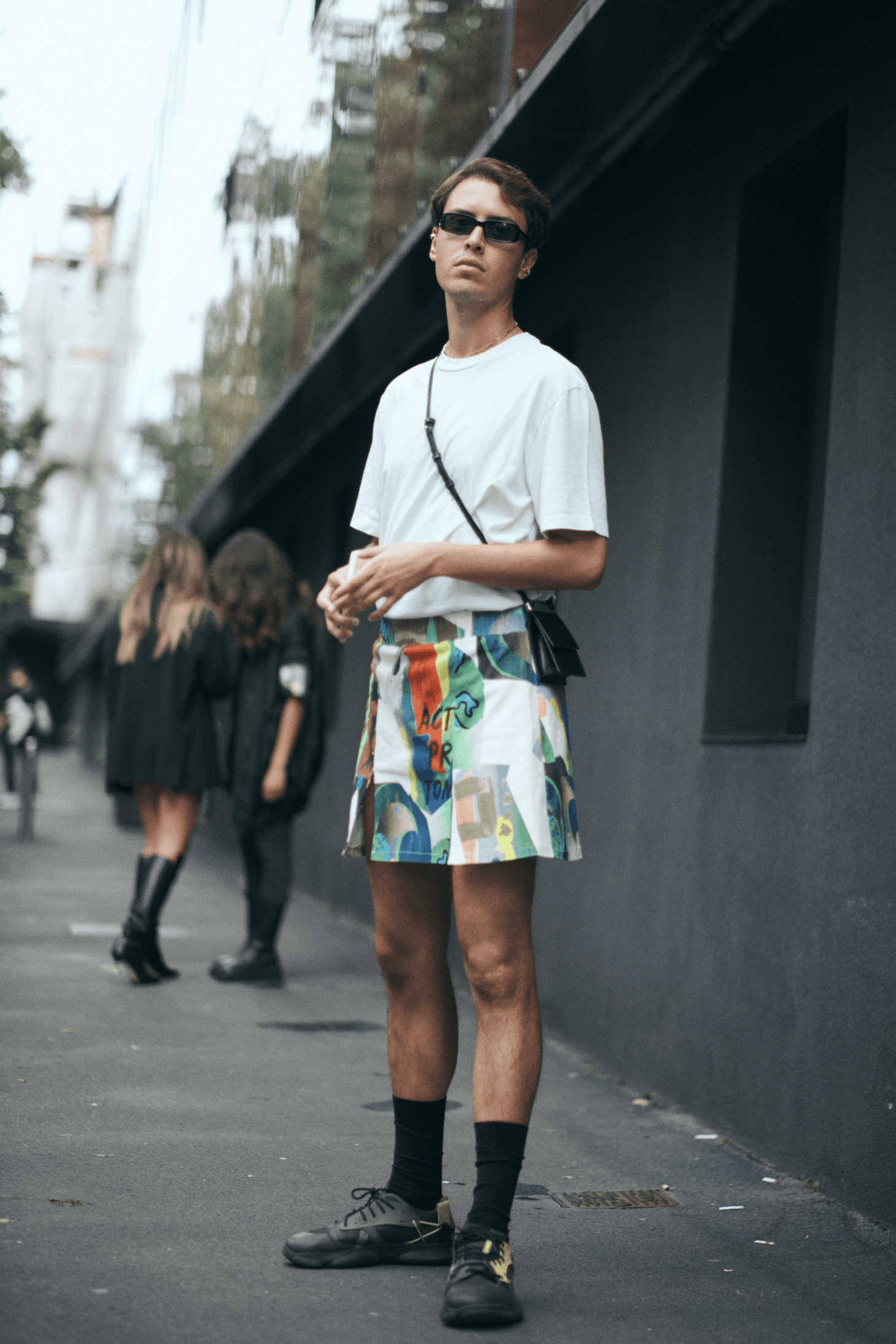
Derin Cantürk
A.k.a. "Dero," the architectural consultant from Porta Venezia, with a heart split between Lisbon and Istanbul.
Let's meet
My friends call me "Dero."
I'm currently serving as an architectural consultant in the Milan showroom of an Italy-based furniture brand. Had I not taken this path, I would have loved to dive into eyewear design.
People who are closest to me think I have a knack for elevating spaces with subtle touches. But I think my real talent lies in being keenly observant, endlessly curious, and having a knack for analysis.
When I strike up a conversation with someone new, I often find myself eager to share stories from my travels or day-to-day adventures. I'm a firm believer that swapping tales about our experiences can nourish the soul.
I've made my home in Porta Venezia, Milan, but my heart belongs to a city that could only be described as a blend of Lisbon and Istanbul. Imagine that!
For me, the essence of a neighborhood is being able to soak in quality time just a short stroll from your doorstep, say about 10-15 minutes, without feeling out of your element or sacrificing that cozy sense of belonging.
I feel a sense of belonging in a neighborhood when it's filled with historic vibes, warm places, and friendly faces.
While traveling, I see myself as a curious and mindful tourist. In Milan and Istanbul, I'm very much a local, but outside Europe and Turkey, I find myself feeling like an outsider.
Green, open, diverse: Notes from Porta Venezia
We're tuning into the beat of the Milan we know and the Milan we rediscover with every visit, all from the perspective of a local.
Local: Derin Cantürk
I made my move to Porta Venezia back in 2013 when I came over from Istanbul for my architecture degree. After a brief hiatus in 2016, I found myself drawn back to this neighborhood from another corner of the city in 2017. Porta Venezia, translating to "Venice Gate" in Italian, takes its name from a historic gate at the heart of the neighborhood. For me, the real pulse of Porta Venezia beats around the crossroads of Via Melzo and Via Malpighi, where many of my favorite spots cluster.
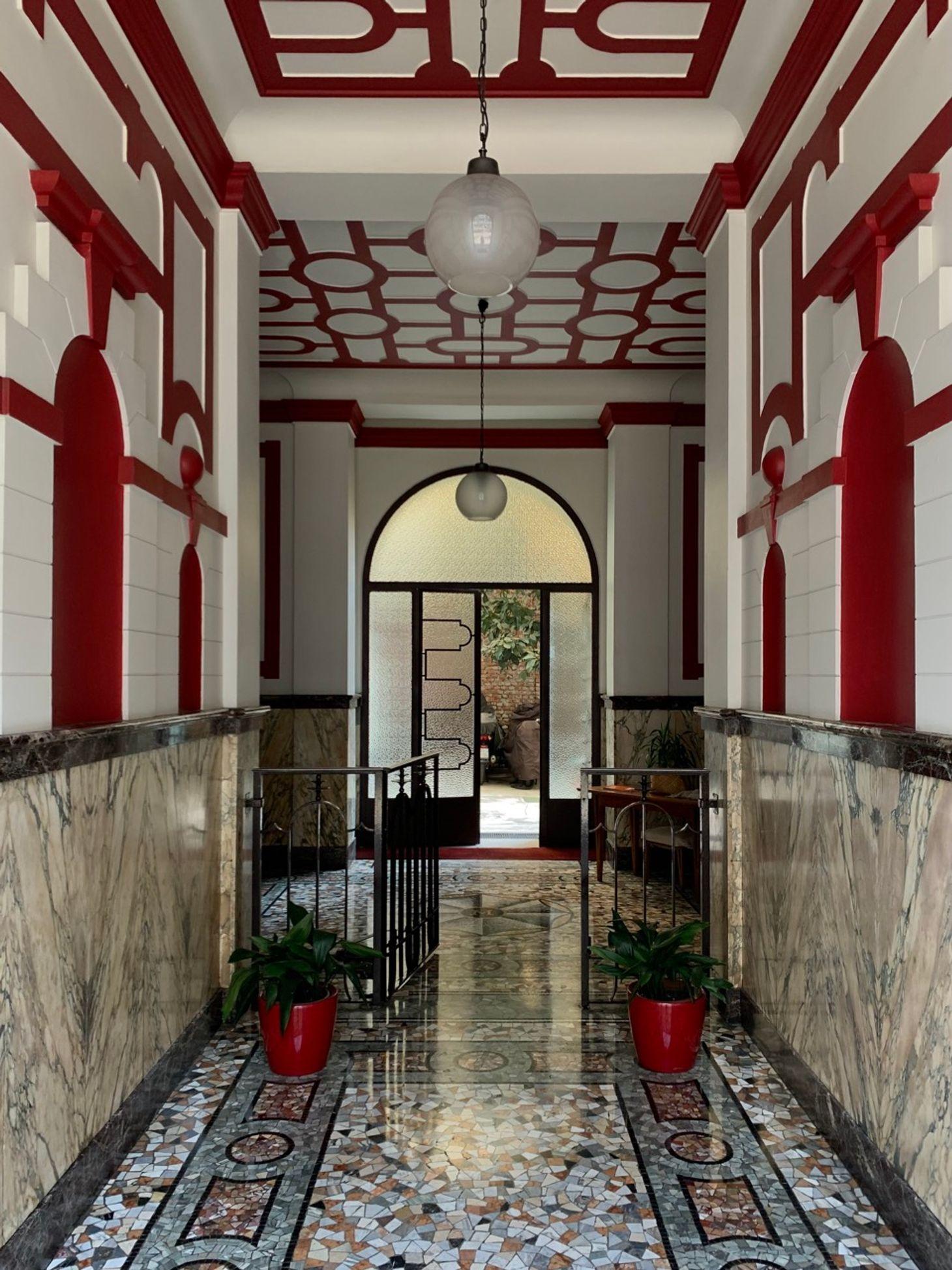
Buildings from the early 1900s like Casa Galimberti, Casa Guazzoni, Casa Cambiaghi, and Casa Balzarini, all flaunting the Liberty or Italian Art Nouveau style, never fail to captivate me. The grand entrance halls of Milan's apartment blocks, hidden behind majestic doors, remain among the architectural elements that catch my eye in daily life, continuously offering surprises.
As for the neighborhood vibe... It's a vibrant mix, hosting diverse communities. The busier, commercial northern part is home to African communities, predominantly Eritreans, and LGBTQIA+ communities, while the quieter, residential south is where you'll find Italians and expats like myself. Although these groups lead fairly separate lives, they come together in the evenings, especially around Via Lecco, connecting through shared spaces and bars for some fun. Their most common ground seems to be the commercial and social interactions fostered by local businesses and shops.
The impact of local venues and markets on the neighborhood's economy, culture, social fabric, and sense of community is significant. Several days a week, local markets spring up on different streets, transforming them into public platforms where especially the elderly can socialize and buy fresh produce, with the streets closed to traffic on market days. Like anywhere in Italy, catching up with the barista over a coffee at the bar counter in the mornings and after lunch is a staple routine. The pre-dinner aperitivo hour is also an integral part of life in the city and the neighborhood.
Green spaces and parks play a crucial role in the daily lives of residents with pets and children. The Giardini Pubblici Indro Montanelli, also known as the Porta Venezia Gardens, is Milan's first and second-largest city park, serving as a vital green escape for me and others living here.
It's not just a local observation, but I'd say Milan's venues traditionally had a weak connection to the street. However, in recent years, especially with the pandemic's impact and subsequent new city regulations, we've seen many venues extending outwards. This shift has undoubtedly strengthened their connection with the external.
For the curious: Take a stroll through Milan's entryways with Karl Kolbitz's "Entryways of Milan", published by Taschen.
Eleven Steps in Porta Venezia
With Derin leading the way, we're on the trail of his footsteps, cataloging spots in his neighborhood that appeal to the eyes, ears, and taste buds.
Orsonero
Touted as Milan's finest in the new wave coffee scene and a rendezvous point for many expats.
Via Giuseppe Broggi 15, Milan
God Save The Food
Top pick for alfresco dining delights. The nut butter croissant is one of Derin's go-tos.
Piazzale Lavater 1, Milan
Égalité
The first and most charming branch of the city's best French boulangerie.
Via Melzo 22, Milan
Pasta Fresca Brambilla
A humble pasta shop and restaurant esteemed by locals for its delicious fresh pasta.
Via Melzo 2, Milan
Crosta
A next-gen pizzeria and bakery famed for its unique and tasty pizzas.
Via Felice Bellotti 13, Milan
Out of The Box
The neighborhood's gelateria, known for its ricotta and caramelized fig ice cream.
Via Malpighi 7, Milan
Osteria alla Concorrenza
A cozy osteria where top-notch Italian wines and charcuterie take center stage.
Via Melzo 12, Milan
Coke Tales
An alternative hangout known for its offbeat cocktails and interior details.
Via Malpighi 1, Milan
La Belle Aurore
Sipping a Negroni feels right amidst the ambiance reminiscent of Milan in the '70s.
Via Abamonti 1, Milan
Bene Bene
Where the background music always steals the scene, and sipping a Tequila-based Paloma cocktail is a must.
Via Giovanni Battista Morgagni 31, Milan
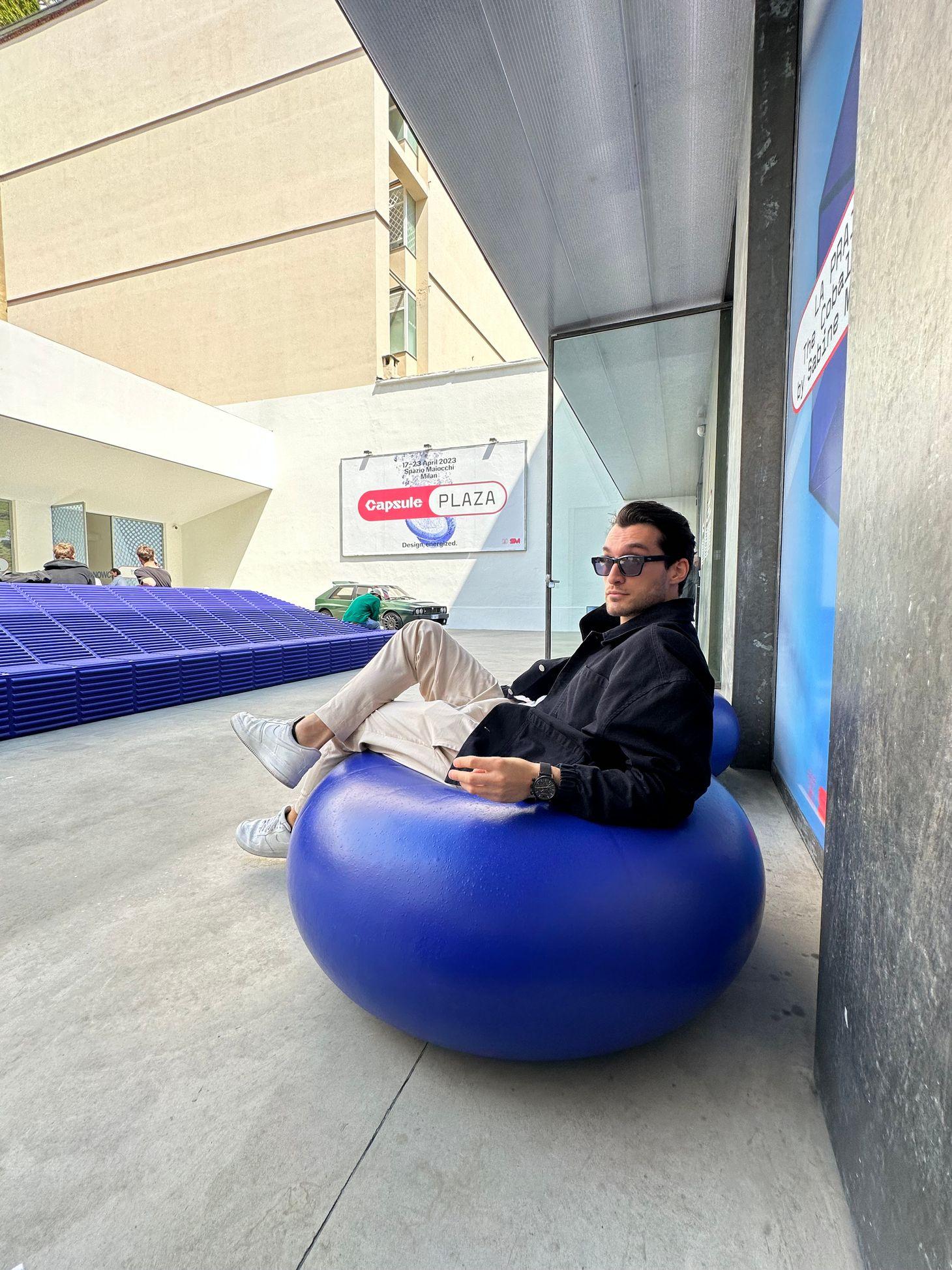
Spazio Maiocchi
Tucked behind a house on Via Maiocchi, this expansive industrial structure, transformed through extensive renovation, now serves as an innovative event space. It's a hybrid venue that has earned the nod of Milan's creative minds by forging strong connections between disciplines and cultures through international exhibitions and bold curation. With its modern and industrial architectural flair, Spazio Maiocchi is a must-visit, especially during Milan's fashion and design weeks.
Via Maiocchi 5-7, Milan