Through books, from guest to voice in Germany: where is home for us, and where is exile?
From 1961 onwards, the workers who went to Germany waited to vote, but they did not wait for the ballot box to do politics. Following the books of Nermin Abadan-Unat, Gündüz Vassaf, Ayhan Kaya, Fatma Aydemir and Ece Temelkuran, we read sixty-five years that stretch from the Ford strike to Cem Özdemir becoming a state premier, from citizenship reforms to the rise of the AfD. The same questions are still on the table: Who is “German”? Where is “homeland”?
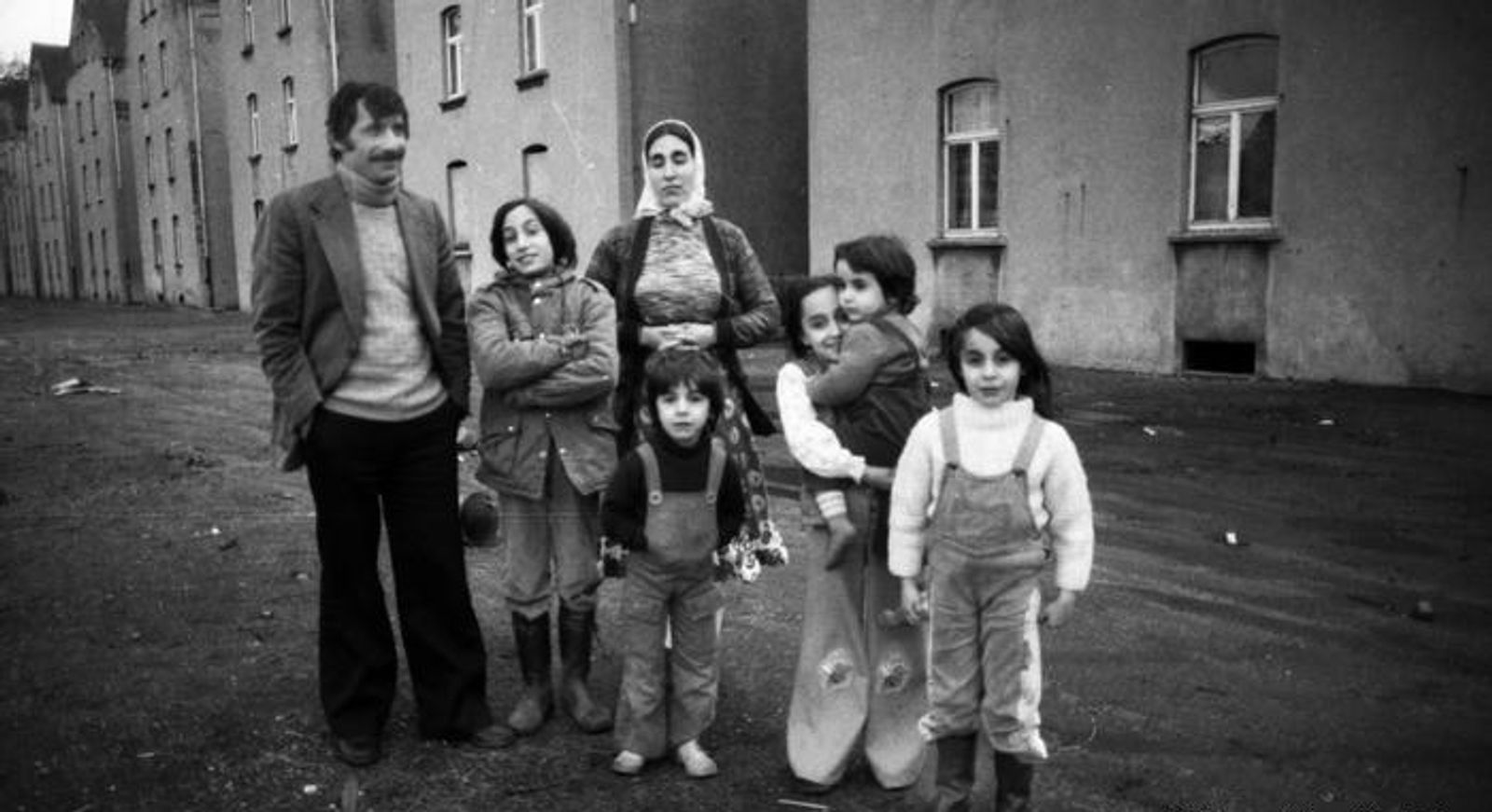
In our article “The language in the suitcase: how did migrant literature from Turkish to German change across generations?” we looked at how migrant literature, from Bekir Yıldız to Fatma Aydemir, changed the German language. We said that in the next piece we would turn to the political participation that runs from the workers to the generations after them, to the debates over citizenship and dual citizenship, and to how migration policy took shape in response to these demands.
Let us remember. The labour agreement signed on 30 October 1961 was a temporary arrangement for both sides. Germany’s factories needed workers. Türkiye was looking for a door that would ease unemployment and bring in foreign currency. It was assumed that those who came would work for a few years and go back. Even their German name said so: Gastarbeiter, guest worker.
The stay grew longer. When recruitment stopped in 1973, the fear spread that anyone who left the country would never be allowed back in, and many workers brought their families over instead of going home. When child benefit (Kindergeld) paid for children left behind in the home country was cut in 1975, suitcases were packed even faster. The population of Turkish citizens, around 653,000 in 1971, had passed 1.5 million ten years later.
These people worked in Germany, paid taxes and sent their children to German schools, but because they were not German citizens they could not vote in the country’s federal, state or local elections. The political history of people of Turkish origin in Germany was written, in part, within this absence.
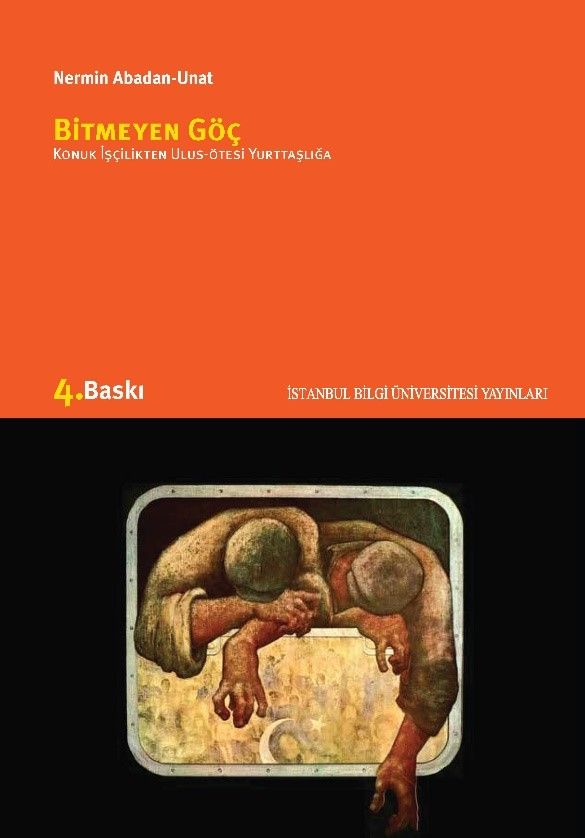
In her book Bitmeyen Göç: Konuk İşçilikten Ulus-Ötesi Yurttaşlığa, first published in 2002, Nermin Abadan-Unat maps this journey: from temporary work to permanent settlement, and from there to new forms of citizenship and belonging. The first generation saw life abroad as “a temporary way of life, much like military service”, while the final return remained “a dream that continues to this day”.
Abadan-Unat groups the main options open to the second and third generations under five headings: gaining experience in the country of migration and then settling in a homeland they know only from summer holidays; opening a small business without putting down roots; earning a living in a corner of the local economy without learning the language; rising to a higher social stratum through education; or taking citizenship and being able “to use all the rights granted to the members of this society”.
This article is the story of the fifth path, as it played out in Germany. With Abadan-Unat’s warning in mind:
“Each of these options brings with it the adoption of a different identity.”
The first members of parliament of Turkish origin entered the Bundestag, the German federal parliament, in 1994. But the story has to begin not there but twenty years earlier, at the head of an assembly line.
From the assembly line to the Bundestag
The first generation’s first serious contact with German institutions came through the trade unions. Issues such as wages, job security and who would be given the heaviest work could only be resolved through organised struggle.
The new Works Constitution Act (Betriebsverfassungsgesetz), which came into force in 1972, gave foreign workers the right to be elected to works councils (Betriebsrat). A worker without German citizenship could now be a representative in decisions affecting working life. This right on paper did not bring direct equality at the decision-making table. The unions were ambivalent towards migrants; while they wanted to improve migrants’ conditions, they also had to consider local workers’ worries about jobs and competition. This structural tension ended in a major explosion in the summer of 1973.
The Ford strike: a wildcat strike
On 24 August 1973 the production lines stopped at the Ford factory in Cologne. The spark was the immediate dismissal of around 300 workers who had returned late from leave in Türkiye. The gruelling car journey to Türkiye ate up about ten days of the four weeks’ leave. In previous years, workers had been allowed to make up for delays with extra shifts; this time the management did not back down. Within a few days the action went beyond the dismissals. Unequal pay, insufficient leave and the question of why the heaviest work always fell to migrants began to be voiced out loud.
The metalworkers’ union IG Metall did not support the action, which had begun without its call or approval and was therefore known as a “wildcat strike” (wilder Streik), and urged the workers to return to work. The works council also stood against the strike. The support of German workers who had joined at the start weakened over time. Amid racist and accusatory press coverage, the division among the workers deepened and tension in the factory escalated.
About a week later the strike was crushed by the intervention of the police and factory security. Baha Targün, the strike committee’s spokesman, was later deported to Türkiye. DOMiD, the documentation centre for the history of migration in Germany, regards the action as a turning point that brought migrant workers’ demands onto the national agenda. The strike was lost, but it showed something very important: those who could not vote in federal, state or local elections could still do politics, and could do it by spilling over the boundaries drawn by German institutions. That is why it would be an incomplete reading to count the first generation as outside politics simply because it could not go to the ballot box.
One of the insider witnesses of this organising is Ertekin Özcan. Born in Erzincan in 1946, Özcan went to Berlin in 1973 for his doctorate and the following year began working at an association in Kreuzberg. Over the next twenty years he led a civil society struggle that took him from founding chairman of the Federation of Turkish People’s Revolutionaries in Europe (HDF) to head of Türkiye Evi (TEV), and from there to the founding of the Turkish Community in Germany (TGD). In his book Almanya’daki Türkiye: Göçün 60. Yılında Türkiye Kökenli Toplumun ve Örgütlerinin Gelişimi, he tells the story of migrant organisations of different political leanings from within this experience.
Entering the town hall by the side door
Outside the factory, the first door opened a crack in the municipalities. In the early 1970s some cities set up advisory councils (Ausländerbeirat) for foreigners who could not vote. The first councils made up solely of elected foreign representatives met in Wiesloch-Walldorf and Troisdorf in 1971 and 1972. Wiesbaden’s council, founded in 1972, is among the oldest still operating today.
These councils could take complaints about housing, education and discrimination to the municipality, but they could not make decisions. Even so, electing representatives, attending meetings and getting an item onto the city administration’s agenda gave people who had watched politics from outside an experience from the inside.
The 1980s: Türkiye’s quarrels in Germany
By the 1980s the community of Turkish origin in Germany was no longer made up only of workers and their families. Dissidents fleeing the coup of 12 September 1980 joined left-wing organisations. As the Kurdish question hardened, Kurdish political movements and refugee organisations grew stronger. Conservative, religious and Alevi groups also built their own institutions. Common demands about rights in Germany could be voiced, but Türkiye’s divisions had been carried over here as well.
Interest in Turkish politics did not mean indifference to German politics. Sometimes that interest drew people into German politics: a development in Türkiye could turn into a demonstration in Germany, a campaign, a meeting with a member of parliament. The quarrels of the homeland could be one of the ways of getting to know the institutions of the new country.
Not “could not”, but “did not”
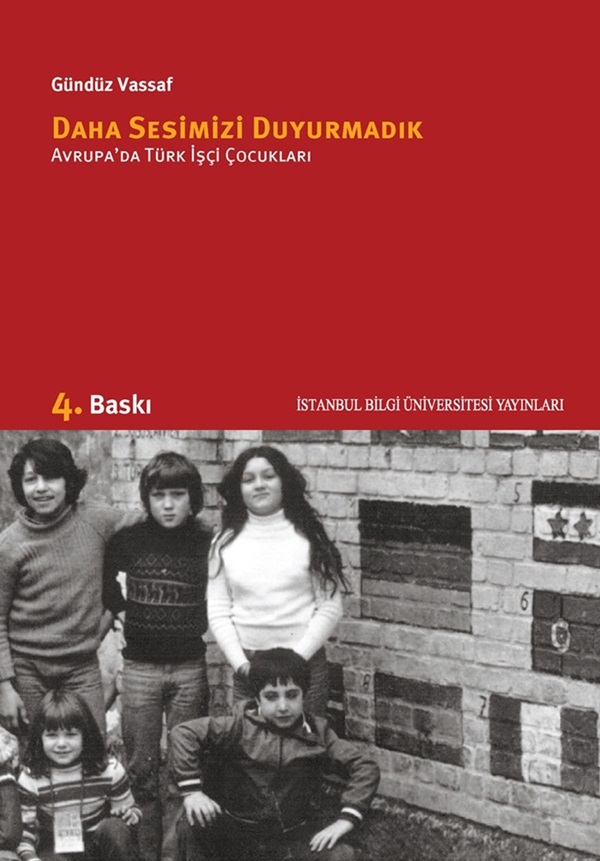
In the same years the second generation, born in Germany or brought there as children, reached adulthood. Their parents’ politics had begun in the factory and the association. Theirs began at school. Gündüz Vassaf’s book Daha Sesimizi Duyurmadık: Avrupa’da Türk İşçi Çocukları, first published in 1983, follows this generation while they were still children. Based on interviews with families and children and on observations in schools, the book takes its title from the field.
Vassaf recounts how a worker’s child, angry that they were spoken of as a “lost generation”, said that they were “not lost at all”, but that they “had not yet made their voices heard”: not “we could not make ourselves heard”, but “we have not”. The phrase seems to herald not a defeat but a moment yet to come. Although the book does not focus on party politics, it shows the conditions in which the generation whose names would appear on ballot papers ten years later grew up.
Ayhan Kaya’s book Sicher in Kreuzberg: Berlin’deki Küçük İstanbul - Diyasporada Kimliğin Oluşumu takes us to the Kreuzberg of the 1990s. The young people in the book feel neither like immigrants nor like gurbetçi, Turks living abroad. According to Kaya, the sense of being in a secondary position, of being left outside, produces in these young people a reaction: toughness, gangs and rap groups. On the street and in youth centres they form an “alternative family”.
36 Boys, named after the district’s old postal area SO 36, was one such formation. The rappers, whom Kaya describes as contemporary bards and the storytellers of their communities, came from the same streets. Cartel, formed in 1995 by rappers from three German cities, became a well-known group whose albums also sold strongly in Türkiye. Its total sales eventually passed half a million. To the surprise of even its own members, the group was embraced by Turkish ultranationalist circles.
Kaya examines Cartel under the heading “cultural nationalist rap”. Songs in which young people excluded in Germany shouted that they were “Turks” took on a completely different meaning in Türkiye:
“(Turk from Germany)
You are a Turk!”
First steps into parliament
Sevim Çelebi-Gottschlich came to West Berlin in 1970, aged 17. By her own account she worked at the Siemens factory in Spandau without speaking German, for 2.35 marks an hour. In 1987 she entered the Berlin House of Representatives for the Alternative Liste (AL), the Berlin counterpart of the Greens, becoming the first migrant to sit in that parliament. This path from the assembly line to the parliamentary rostrum had been opened by new movements on the margins of the big parties. They were also the first to stand up for migrants’ rights.
In Hamburg, Hakkı Keskin was elected to the state parliament in 1993 for the SPD (Sozialdemokratische Partei Deutschlands, the Social Democratic Party of Germany). In the same years Keskin was also one of the leading figures in the fight for migrants’ rights and against racism. The racist attacks in Rostock, Mölln and Solingen in the early 1990s showed how much scattered associations needed a common voice. The TGD, which brought together organisations from different states, held its first ordinary general assembly in December 1995. Demands for equal rights, previously voiced in factories, neighbourhoods and associations, began to be defended under a common nationwide umbrella.
Who are “the people”?
Although some had entered parliament, millions still could not vote. In 1989 two states tried to change this at local level. Schleswig-Holstein granted citizens of six European countries the right to vote in local elections on a reciprocal basis. Hamburg went further: it gave all foreigners who had lived legally in the country for a long time the right to vote in district assembly elections. On 31 October 1990 the Federal Constitutional Court struck down both. The reasoning was clear: “the people” in the constitution meant the German people. For foreigners to vote, either the constitution would have to change or naturalisation would have to become easier.
The first path opened two years later, but for others. The Maastricht Treaty, signed in 1992, gave EU citizens the right to vote in local elections in the country where they lived, and in December of the same year Germany amended its constitution accordingly. Now a Turkish citizen who had lived in Germany for twenty years could not vote, while a Portuguese citizen who had arrived a few months earlier could. This inequality put citizenship at the centre of politics. The SPD’s and the Greens’ promise of citizenship reform drew voters and activists of Turkish origin closer to these parties.
This closeness did not always match political preferences in Türkiye. Issues such as citizenship, equal rights and discrimination could draw someone who voted for the right in Türkiye towards the SPD in Germany. This duality would become much more visible years later, when the two countries’ election results were placed side by side.
In the elections of 16 October 1994, Cem Özdemir for the Greens and Leyla Onur for the SPD became the first people of Turkish origin to enter the Bundestag. Onur was born in Braunschweig in 1945, long before labour migration began, and was an experienced politician who had previously served in the European Parliament. Özdemir was born in 1965 in Bad Urach, the child of a family that had come to Germany as workers. In 1998 they were joined by Ekin Deligöz. Born in Tokat in 1971, Deligöz came to Germany with her family in 1979 and became a German citizen in February 1997; a year later she was in the Bundestag.
But a few names in parliament did not solve the problem of the millions who could not go to the ballot box.
The limits of the passport
The other path the Constitutional Court had pointed to opened in 1999, but not easily. As the SPD-Green government prepared a reform that included dual citizenship, the strongest resistance came from the centre-right Christian Democratic Union (CDU). In Hessen the party launched a petition campaign under the slogan “Yes to integration, no to dual citizenship” and won the state election in February 1999. The government lost its majority in the Bundesrat, the upper house representing the states, and the reform was scaled back.
The law that came into force on 1 January 2000 was nonetheless a break. The principle of birthplace was added to a German citizenship law based on descent. Children born in Germany could acquire German citizenship if one parent had lived legally in Germany for at least eight years and met the conditions for permanent residence status set out in the law. The general residence requirement for adult naturalisation also fell from fifteen years to eight. However, most children who gained German citizenship under the new birthplace rule while also holding another citizenship from their parents had to choose one of the two on reaching adulthood.
The reform removed the biggest obstacle to becoming voters for the newly born generations. Those born earlier, apart from a short transition period for young children, still had to apply for naturalisation; only the road had become shorter. Nor did citizenship on its own bring representation. Parties’ candidate lists and inequalities at school and in the job market remained as they were. The Immigration Act, which came into force in 2005 (Zuwanderungsgesetz), put into a legal framework, for the first time, a fact Germany had refused to accept for years: this was a country of immigration. Language and integration courses were also organised at federal level for the first time.
Being born in Germany had become, under certain conditions, one of the ways of acquiring German citizenship. Whether legal belonging turned into social acceptance was another question. For those applying for citizenship later in life, a new condition was introduced from 1 September 2008: a 33-question citizenship test on democracy, history and the structure of society. Requiring at least 17 correct answers in sixty minutes, the exam aimed to measure the knowledge needed for citizenship. But the debate went beyond which facts people should know and continued to revolve around the question of who counts as German.
In February of the same year, a week after a fire in Ludwigshafen in which nine people of Turkish origin died, Prime Minister Erdoğan addressed around 16,000 people in Cologne and said: “Yes to integration, but no to assimilation. Assimilation is a crime against humanity.” His words pointed to the gap between this institutional logic of testing and the approach along the Berlin-Ankara axis.
In 2010 this tension played out on several tracks at once. In the summer Germany went to the World Cup with a young squad in which players from migrant backgrounds stood out, and Mesut Özil became one of its stars. At the end of August, Bundesbank board member Thilo Sarrazin’s book Deutschland schafft sich ab (Germany Is Abolishing Itself) was published, claiming that Muslim immigrants were failing to integrate and were destroying the country’s identity. The book was heavily criticised for its generalisations about Muslim immigrants and the way it used statistics; even so, it sold more than one and a half million copies. Sarrazin left his post at the Bundesbank after the outcry. His expulsion from the SPD came only in 2020, after attempts spanning years.
In the shadow of the debates the book stirred up, President Christian Wulff, speaking on the 20th anniversary of German reunification, declared that alongside Christianity and Judaism, Islam now also belonged to Germany. A few days later, at the Germany-Türkiye match in Berlin, Turkish fans booed Özil. Mesut Özil scored but did not celebrate. Eight years later, as he quit the national team, he would this time address the “other” side:
“I am German when we win, but I am an immigrant when we lose.”
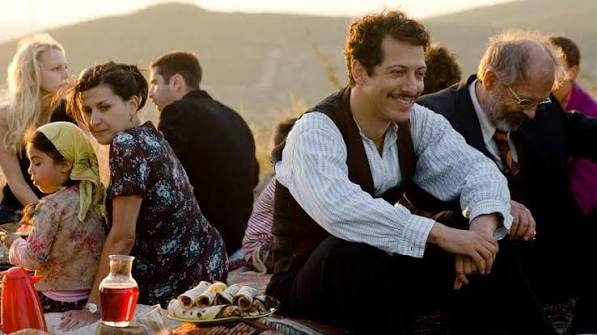
In February 2011 this mismatch between legal belonging and social acceptance reached the cinema. Almanya: Willkommen in Deutschland, written by the sisters Yasemin and Nesrin Şamdereli and directed by Yasemin Şamdereli, was screened at the Berlinale and won the award for best screenplay at the German Film Awards that year. Telling the three-generation story of the family of Hüseyin, a first-generation immigrant, the film made naturalisation part of its humour. A new passport could not, on its own, answer the question of who belonged where.
In November of the same year, the perpetrators of an 11-year series of murders came to light. On 4 November 2011 the bodies of two neo-Nazi militants were found in a camper van in Eisenach; the same day in Zwickau, the group’s third member, Beate Zschäpe, set fire to their safe house. Propaganda videos recovered from the ruins showed that a terrorist group called the National Socialist Underground (NSU) was behind a series of unsolved murders committed between 2000 and 2007. Of the ten people killed, eight were of Turkish origin, one was a Greek citizen and one was a German police officer. The fact that for years the police had entirely ignored a racist motive and directed suspicion at the victims’ families and at claims of organised crime was later described as a scandal of institutional, structural blindness. The phrase “döner murders”, used by the media for this chain of killings, was chosen in Germany as the “non-word of the year” (Unwort des Jahres).
Two important changes came in 2014. For young people who grew up in Germany, the obligation to choose between two citizenships was largely abolished. That summer, citizens of the Republic of Türkiye living abroad voted for the first time in Türkiye’s presidential election at ballot boxes set up in the countries where they lived. This removed the need to travel to Türkiye to take part in its politics. For those holding both citizenships, taking part in both countries’ elections also became easier.
The following year migration entered the centre of German politics by another door. In 2015 around 890,000 asylum seekers came to Germany, the largest group being those fleeing the war in Syria. Merkel’s words “We can do this” became a slogan of solidarity on one side and of anger on the other. Two years later the Alternative for Germany (AfD) entered the Bundestag with 12.6 per cent of the vote.
The debate of 2015 turned bloody in the years that followed. In June 2019 Walter Lübcke, a CDU politician from Kassel who had argued for opening the door to refugees, was murdered by a neo-Nazi outside his home. Eight months later, on 19 February 2020, a racist killed nine people of migrant origin in Hanau. The victims’ relatives made a call for their loved ones:
“Say their names.”
As Cem Özdemir became a federal minister in 2021, the share of Bundestag members from migrant backgrounds rose to 11.3 per cent. The road that had begun at the head of an assembly line had reached the federal cabinet table. In the same years a new migration from Türkiye to Germany was beginning. This time nobody had invited those who came.
First-time asylum applications by Turkish citizens in Germany rose from around 24,000 in 2022 to more than 61,000 in 2023. Turkish citizens made up 18.6 per cent of all first-time applications in Germany, second only to Syrian citizens. There was another migration that did not appear in asylum statistics: engineers, doctors, software developers and students coming to work or study.
Gitmek ve Dönmek Arasında: Türkiye’de Yeni Nesil Beyin Göçü, edited by Didem Danış, examines different dimensions of this wave of skilled migration. Alongside the reasons for leaving Türkiye, it focuses on the processes of finding work in the destination countries, continuing one’s profession, building a sense of belonging and thinking about the possibility of return. It is also hard to fit the newcomers and the established communities of Turkish origin in Germany into a single migration story. Though they share the same geography, their circumstances of arrival, their education and working experience, and their expectations of Germany differ.
In January 2024 the investigative journalism organisation Correctiv reported on a meeting near Potsdam in November 2023, attended by people including AfD politicians. The report that the far-right activist Martin Sellner had presented his views on “remigration” at the meeting triggered mass protests across the country. Some parts of the report, particularly those concerning claims about deporting German citizens and stripping them of citizenship, were later taken to court. In June 2024 citizenship law moved in a different direction: multiple citizenship was generally permitted and the standard residence requirement for naturalisation was cut from eight years to five. A quarter of a century after dual citizenship became the centrepiece of the 1999 Hessen election campaign, an important threshold had been crossed.
As the reform came into force, politics itself was heading the other way. The centre parties’ principle of refusing coalitions and cooperation with the AfD (Brandmauer, the “firewall”) was breached for the first time on 29 January 2025. A migration motion from the main opposition CDU/CSU, calling for illegal entries into the country to be stopped, passed with the votes of the AfD and the FDP. The resolution was not binding, but for the first time in parliamentary history a move had won a majority with AfD votes. A month later, in the snap general election of 23 February 2025, the AfD took 20.8 per cent of the vote and became the country’s second-largest political force. The coalition government formed after the election abolished the three-year fast-track route to citizenship introduced by the previous reform; the change came into force on 30 October 2025. The five-year standard period and the possibility of multiple citizenship were kept.
In the new 630-seat Bundestag, at least 73 members had a migration background; 18 of them were of Turkish origin. The share of members with a migration background had risen from 11.3 per cent in 2021 to 11.6 per cent. The growth of earlier terms had clearly slowed.
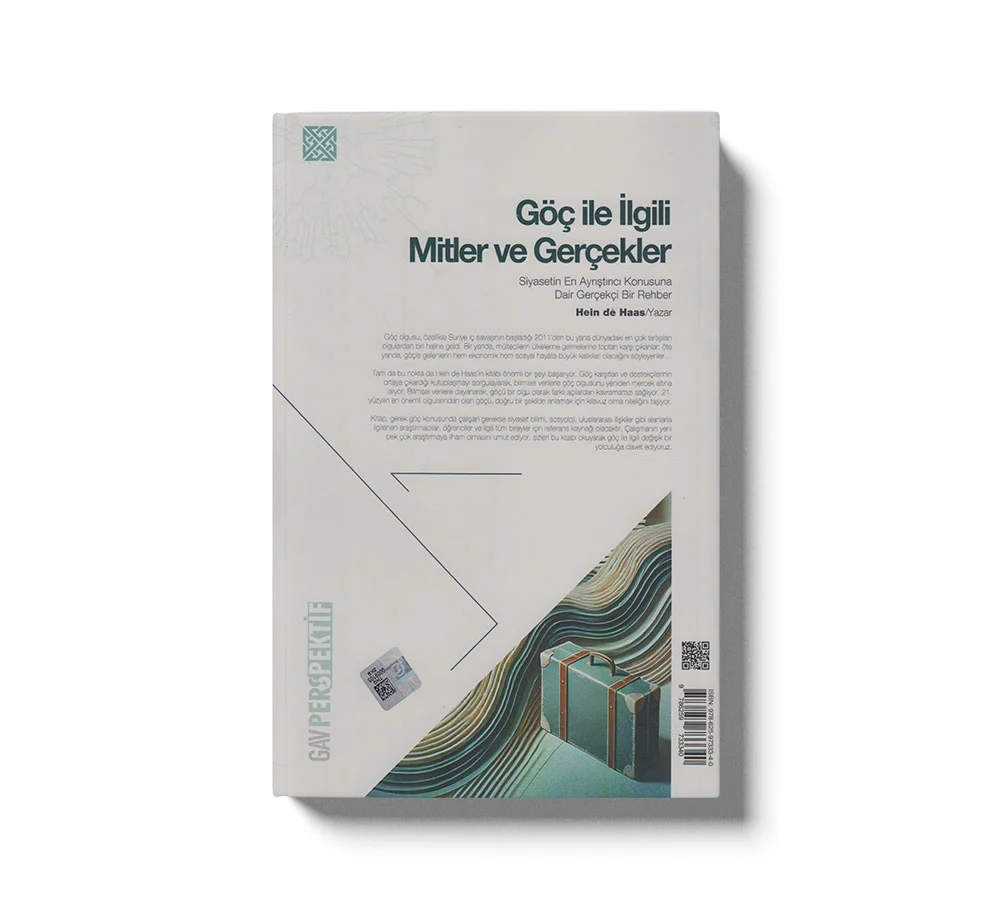
In How Migration Really Works, published in Turkish in 2025 as Göç ile İlgili Mitler ve Gerçekler, the Dutch sociologist Hein de Haas approaches Europe’s migration debate through the myths of both the right and the left. According to de Haas, global migration is not at a historic peak, and closing borders often does not reduce migration but only changes its form. Even so, rather than legal and demographic realities, the public’s security fears and politicians’ skill at mobilising that perception continue to shape election results.
The winners of two state elections in 2026 emerged from within the story this article tells. In March the Greens came first in Baden-Württemberg, and in May Cem Özdemir was elected minister-president of the state. The worker’s son born in Bad Urach had become head of the state where he was born. In the same election the AfD almost doubled its vote, from 9.7 to 18.8 per cent.
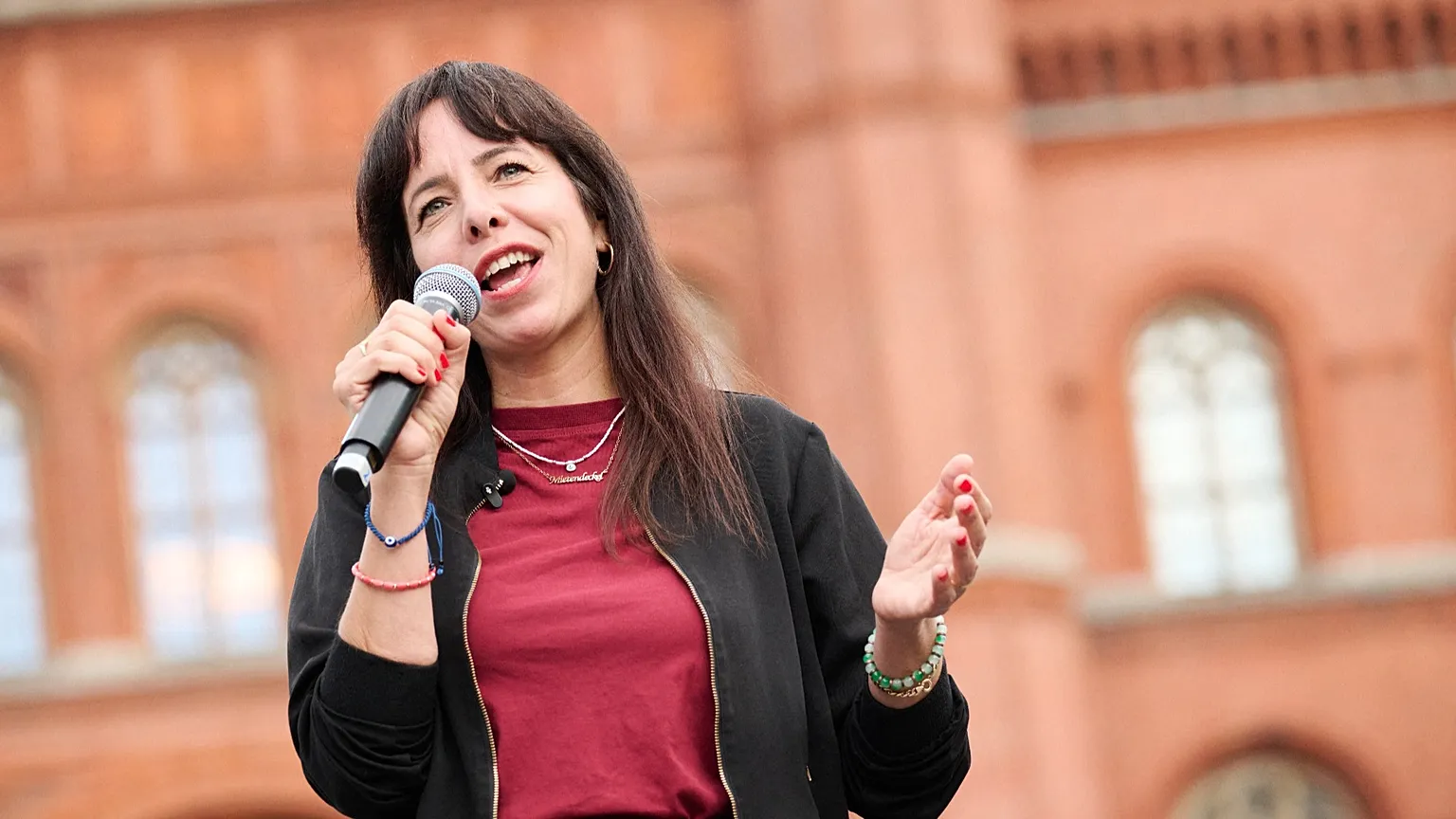
In September the Left Party won the election in Berlin with 25.7 per cent. Its candidate for Governing Mayor was Elif Eralp, whose family had sought refuge in Germany after the 12 September coup. Eralp was directly elected in the Friedrichshain-Kreuzberg 1 constituency, winning more than half of the votes cast for candidates. Kreuzberg, where Ayhan Kaya followed young people in the 1990s, was, thirty years later, the stage for the electoral success of a politician bidding to run the city. If coalition talks between the Left Party, the Greens and the SPD succeed and Eralp is elected by the state parliament, she will be Berlin’s first Governing Mayor of Turkish origin. In the same election the AfD raised its vote by 7.2 points compared with the previous election, to 16.3 per cent.
The rise of the AfD also raises the question of who votes for the party and why. In a YouGov poll in October 2025, 70 per cent of those who said they would vote AfD cited dissatisfaction or disappointment with other parties’ policies among their reasons. However, respondents could choose more than one reason. While this shows the importance of the protest vote, it is not enough to explain AfD support solely as anger at the other parties.
A study carried out by the Konrad Adenauer Foundation (KAS), a think tank close to the CDU, from October 2024 to January 2025 shows that the political preferences of people with a migration background also diverge. Of 194 respondents of Turkish origin, 106 stated a party preference, and 8 per cent of these chose the AfD. This group includes people without the right to vote in Germany, who were asked about hypothetical preferences. This figure therefore cannot be generalised to all voters of Turkish origin. In the same study the AfD is the leading party among people of Polish origin and among ethnic German immigrants from Eastern Europe and the former Soviet Union. The findings show that a migration background does not by itself create a shared political preference; explaining why requires knowing more.
2025 was the year two curves climbed at the same time. On one side the AfD was neck and neck with the CDU/CSU in the polls; on the other 332,500 people received German passports. This is the highest figure since records began in 2000. The number of citizens of the Republic of Türkiye who became German citizens rose by 51 per cent to 34,100. Although getting a passport has become easier, feeling represented is not rising at the same pace. In the KAS study, almost half of respondents of Turkish origin think no party defends migrants’ interests.
The suitcase in other hands this time
Those coming from Türkiye to Germany no longer have a single face. On one side are first-time asylum applications, which passed 61,000 in 2023. On the other are those who come to work, research and study. The Blue Card for skilled workers is one of the routes of this migration. Tied to conditions such as professional qualifications, a job offer and a minimum salary, this permit is part of a migration policy quite different from the labour recruitment of the sixties.
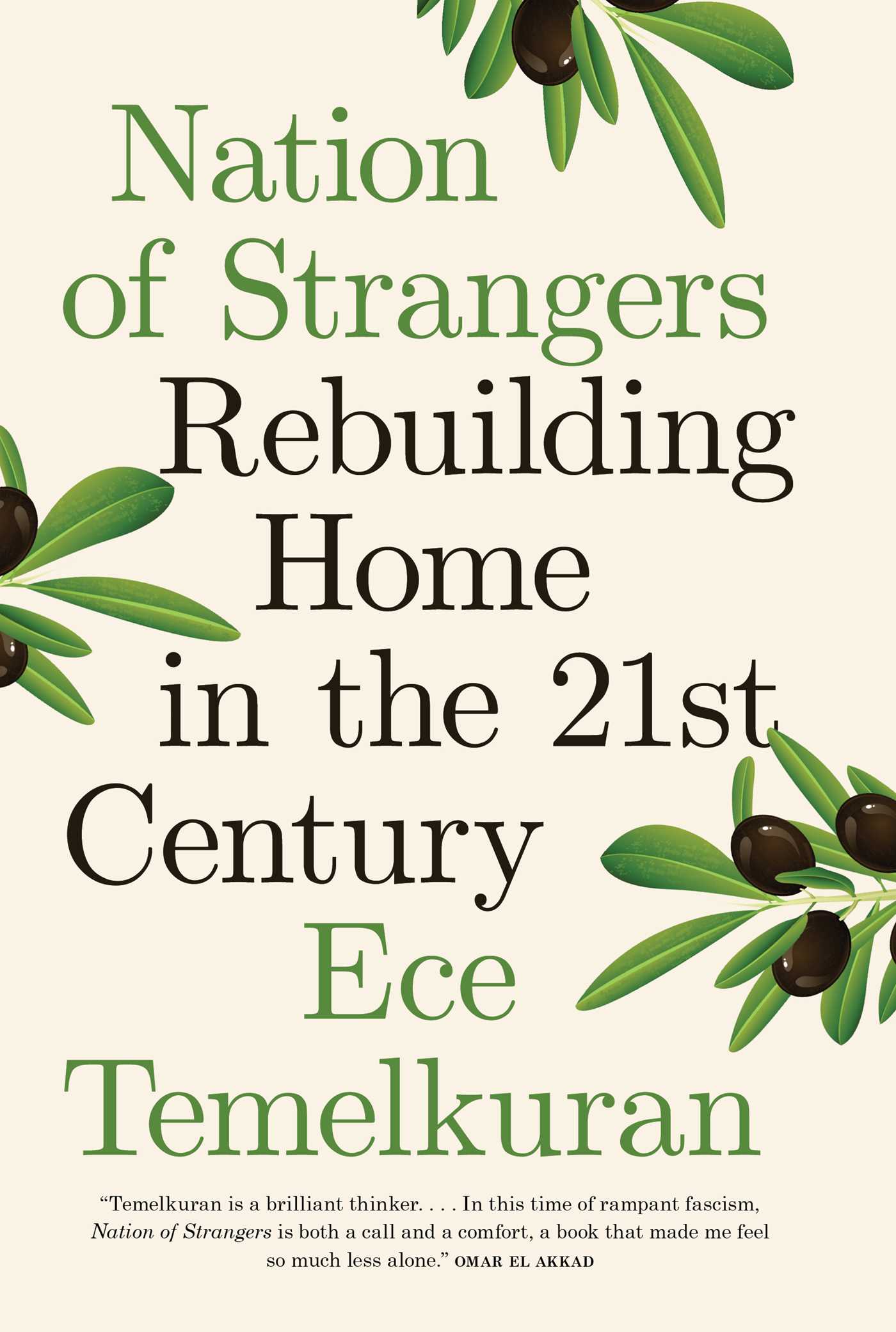
Ece Temelkuran, who left Türkiye citing the rising political pressure and security concerns after the attempted coup of 15 July 2016, now lives in Berlin too. She rejects the label “writer in exile” given to her by the Western press, saying the concept is romanticised and that she does not want to be cast as an intellectual victim of persecution; but she does not hide that she has become a stranger in her own country. Her book of letters Nation of Strangers, published in February 2026 and not yet translated into Turkish, greets the reader with this feeling:
Dear stranger. Are you home?
According to Temelkuran, being a stranger is no longer unique to refugees; it is an experience shared by those who do not feel at home even in their own country. In Nation of Strangers, letters written from one stranger to another explore where a new sense of belonging might be built after the loss of a homeland. In this search the book turns to the bonds people form with one another, to solidarity and to the possibility of rebuilding a shared life:
My home is people, my friends, the promises we make to one another… Home is no longer a place.
The writer, who has been writing in English for about ten years, sees this transformation as both a loss and a process of gaining a new voice. Her refuge in another language recalls Emine Sevgi Özdamar, whom we mentioned in our first article on migrant literature from Turkish to German. Özdamar, who says one can lose one’s mother tongue even in one’s own country, had, in her own words, migrated into German when her Turkish words fell ill.
So who is German?
Throughout this article, the answer to that question has mostly been given by others: stands that cheer when you win, parties still talking about “remigration” three generations later. But there were also those who changed the rules from within.
Elif Eralp’s parents were socialists and trade unionists. After the 12 September coup they fled Türkiye and sought asylum in Germany; her mother was pregnant with Elif at the time. Eralp was born in Munich in 1981, while her family’s asylum application was still pending. On 20 September 2026 she made the Left Party the largest party in Berlin for the first time, with 25.7 per cent. When the first results were announced, she addressed her supporters in Turkish:
“We made history, friends!”
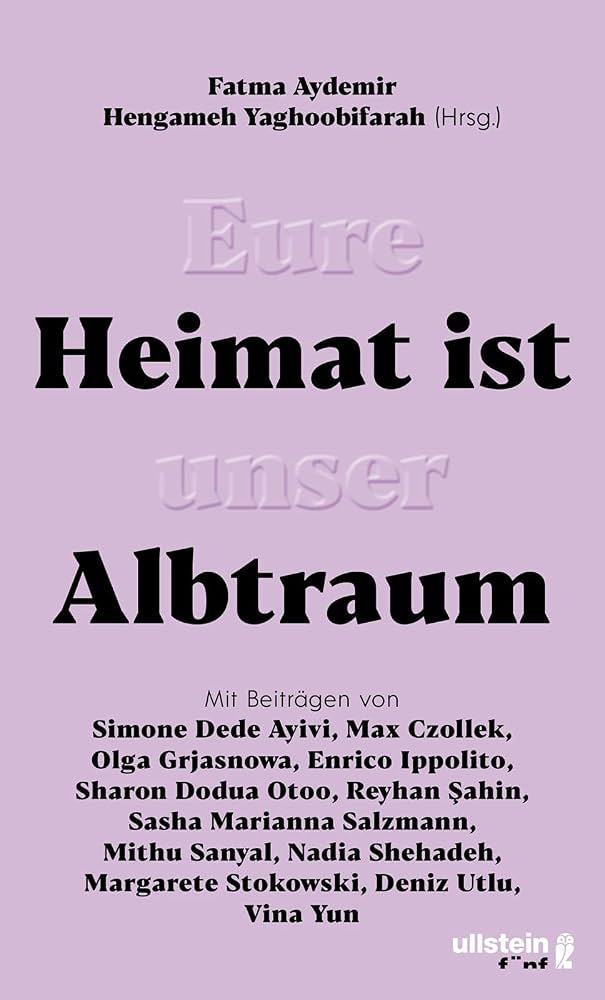
Still, a single election does not erase decades of unease. One of the sharpest expressions of that unease had come seven years earlier. When the word “Heimat” (homeland) was added to the name of the Interior Ministry in 2018, Fatma Aydemir and Hengameh Yaghoobifarah responded with a book: Eure Heimat ist unser Albtraum (Your Homeland Is Our Nightmare). In the book, published in February 2019, fourteen writers described the everyday forms of being counted as “other” in Germany. In her own essay, Aydemir wrote about her grandfather, who worked in a steel factory seven days a week.
Aydemir’s grandfather had come to Germany to work, Eralp’s family to save their lives. We ended the first article with “The guest is now inside the door”. But being inside was not enough to have a say. From factory to union, from association to parliament, sixty-five years were spent struggling for it.
Germany first called them guests, then foreigners, then immigrants. On election night Eralp used another word:
“Arkadaşlar.” Friends.