




Hello!
This week, we say “Bring that glass over here!” and sit down for a tasting. We do a wine tasting step by step. White, rosé, and red on our table and the Grapest Hits in our ears. This week, I choose the proudly presented grape of Ankara, Kalecik Karası. It brings out the lively, light air of a festival with its cotton candy smell and fresh notes of strawberry. The Grapest Hits Kalecik Karası playlist does the grape justice, and the songs come alive. And I make fermented recommendations and share my first book recommendation for those who are curious about wine!
Attention! This post is about wine, a fermented grape juice from alcoholic beverages. For readers under 18, non-fermented grape juice may be more suitable.
What's in our glass?
🍷 Class in a glass: I taste, you taste, they taste.
👓 Fermented recommendations: Wine Isn't Rocket Science
🎵 Grapest Hits: Kalecik Karası
Cheers,
I taste, you taste, they taste.


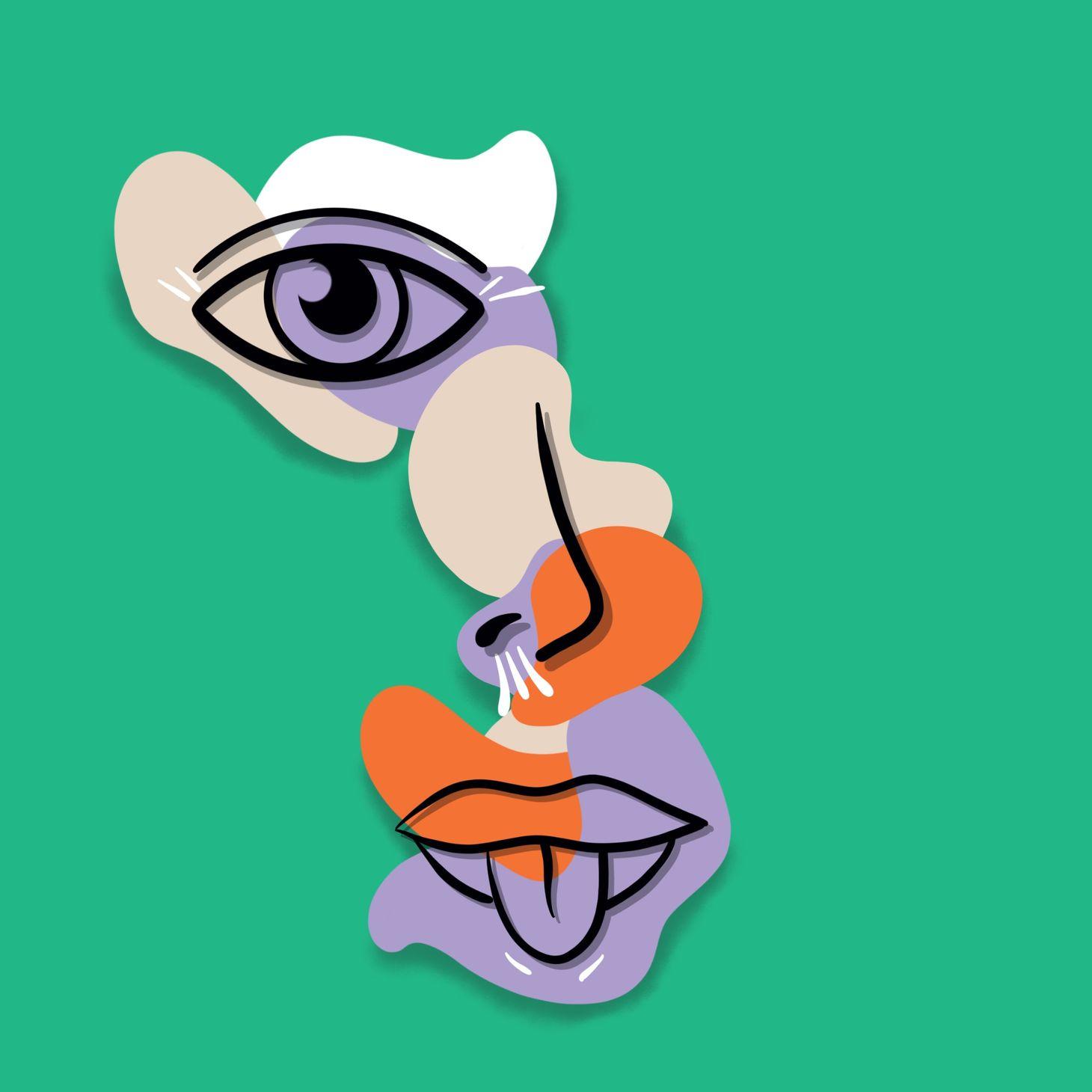
We sit at the tasting table and discuss the process step by step. How do you taste wine? Tasting in 4 steps: Look, swirl, sniff, sip. Then think about it for a little bit, and enjoy it from beginning to end.
1-Look: Is ruby more valuable or garnet?
The first step in a tasting is looking. First look, first impression. Hue, density, and clarity tell a lot about the wine. You can guess the type of the grape, even the age of the wine.
We put the wine in our glass and hold it by the stem at a 45° angle on a white background. It is very important that the background is white. The easiest method is to look at it on white paper. Let's say you take your glass and raise it in the air, looking towards the light. If the walls are green and you are raising your glass against the green wall, you will see the color of your white wine greenish. Or a burgundy tablecloth would make the wine appear darker, and cover the transitions. That’s why we look at it over a white background, to avoid any possible effect from an outside color.
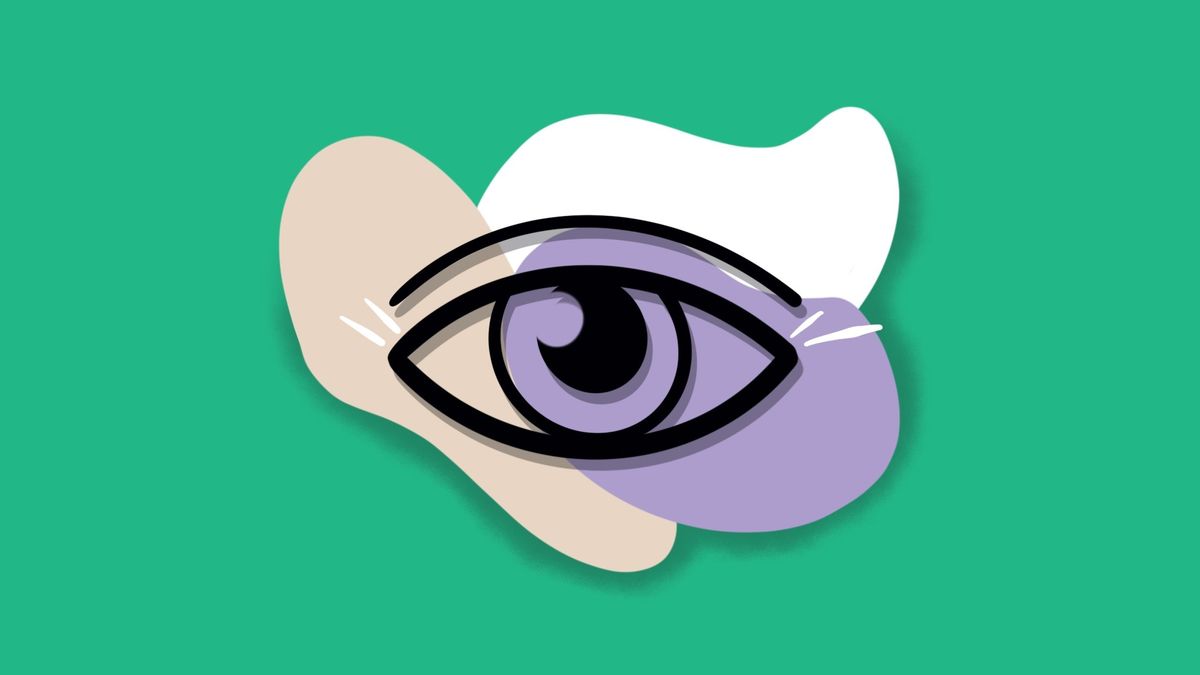
Illustration: Kıvanç Müçek
First, we look at the clarity of the wine. Is it clear or blurry? Then comes color and color intensity. Is it ruby or garnet, lemon yellow or golden yellow, or is it a salmon color? For intensity, we look at how the color changes from the bottom of the glass to the rim. You can think of it as going from deep to shallow. Is it a dark ruby or a light purple?
Another method for red wines is to put the glass on the table and look at it from the top. Can you read a text below the glass? If you can read, it is light, if you can’t, it is dark. If you are comfortable reading, you can say "The color density is not deep."
Color gives us a lot of ideas about the wine. We can guess the type of grape and the age of the wine. So, more than just a first impression.
- While an intense, deep ruby-purple color might indicate the possibility of a red wine being Syrah, a lighter ruby color brings Kalecik Karası to mind.
- Hue also gives us information about the age of the wine. While a vivacious, ruby color indicates a young wine, the colors on the side of garnet mean that the wine has aged. An aged wine shifts towards garnet colors.
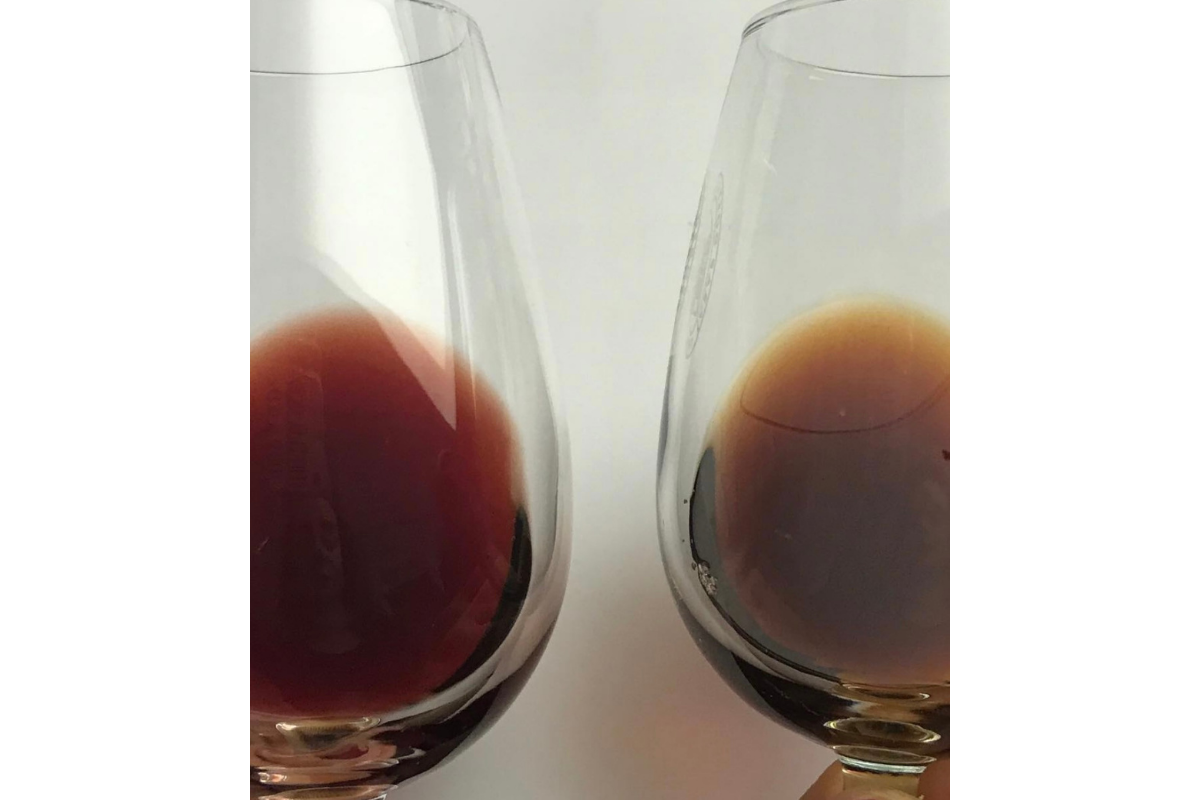
Below are two Brunello di Montalcino’s I tasted 4 years ago. The one on the left is 7 years old, and the one on the right, 40. Col d'Orcia Poggio Al Vento Brunello di Montalcino Riserva 1977 and 2010. This is the exact color effect I am talking about!
So I ask, Is ruby more valuable or garnet?
2-Swirl: Is my glass actually a carafe?
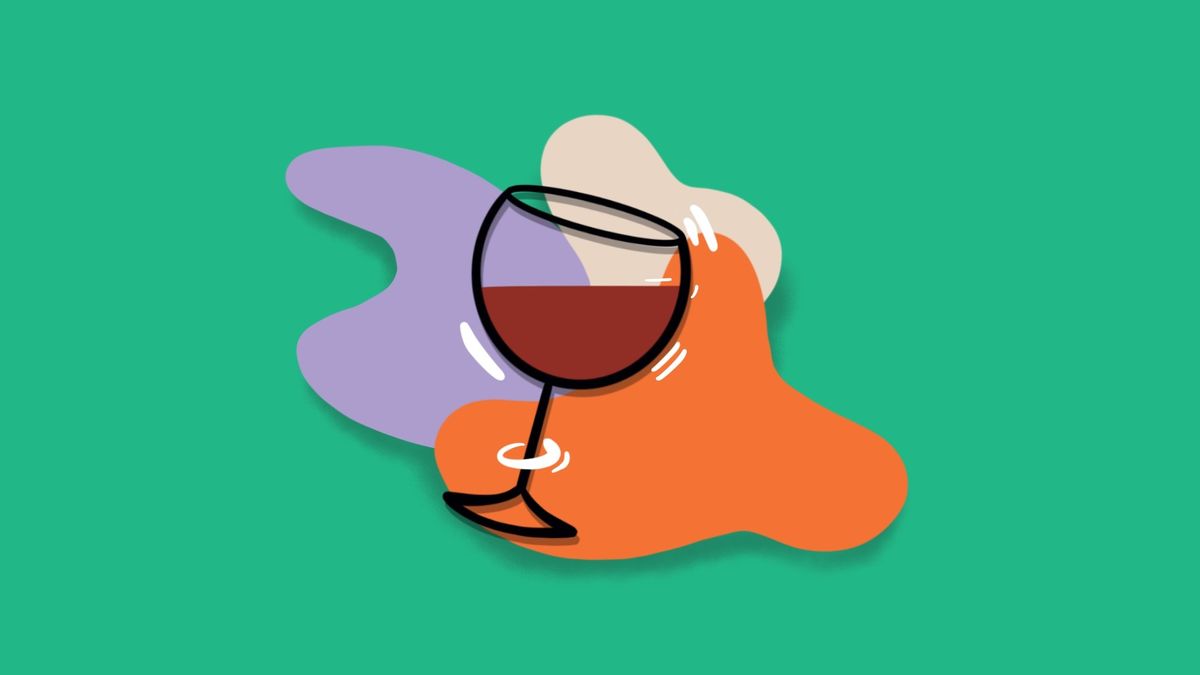
Before sniffing it, we give it a nice swirl. Like they do in tastings in movies. Either at the table or in your hand in the air. There is a physical explanation for this process beyond trying to look cool. Our aim is to air the wine, and the aim of airing the wine is to wake up its aromas. Since the next step is sniffing, obviously the aromas need to wake up.
3-Sniff: Is that thyme?
The reason we bring wine to our noses and take our time doing it, is to identify the aromas by scent. The wine hasn't touched the palate yet, only the nose has the mic, so do be careful. We think about the intensity of the smell and the aroma characteristics, we interpret fruits and spices.
There are primary, secondary and tertiary flavors. Primary flavors are flavors formed by fermentation. We can think of them as the aromas coming from the characteristics of the grape and the fermentation process. Fruits, vegetables, herbs, and spices come to mind. “Is that thyme?”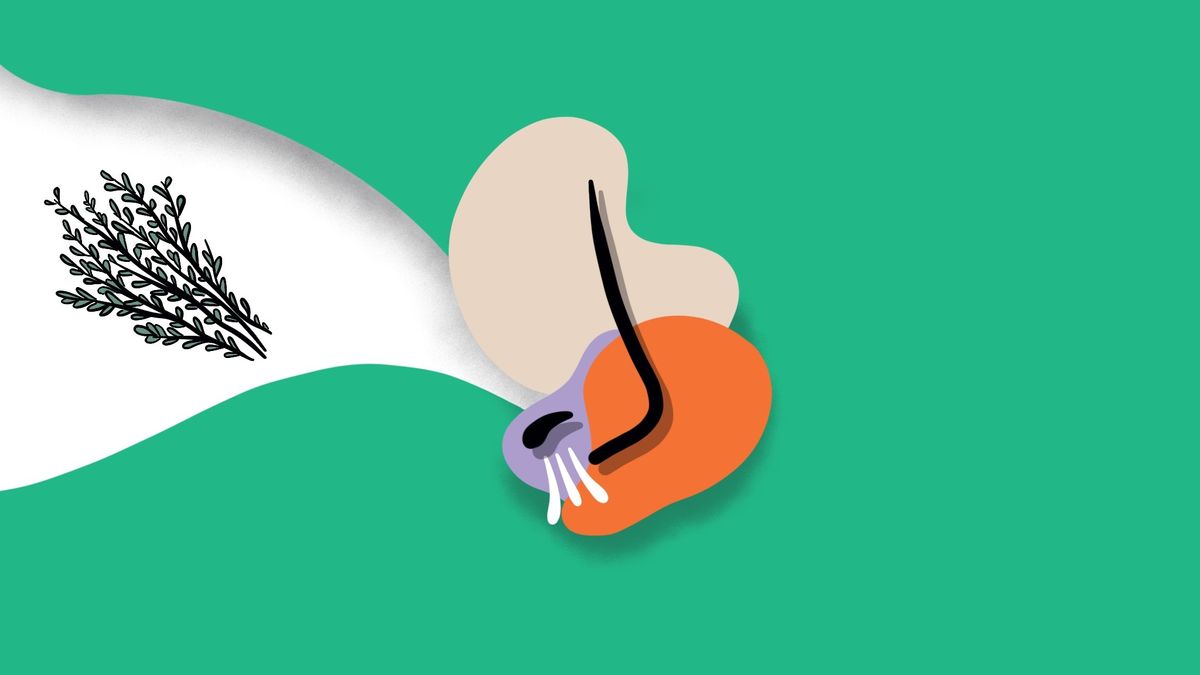
Secondary flavors are flavors formed after fermentation. “I am getting an intense oak barrel notes on the nose.” Comments like these relate exactly to the secondary flavors. Notes around butter and cream that come from malolactic fermentation, or yeast and cookie notes that come from the sedimentation of wine are also secondary flavors. All of these processes take place after fermentation, so it may seem like we are experimenting with secondary flavors.
Tertiary flavors also come with an aging effect. This aging can take place in the barrel or in the bottle. The caramel notes that come with the oxidation effect can be an example of aging in the barrel. Mushroom notes from an aged Pinot Noir or Riesling's overblown petroleum scent can also be examples of tertiary flavors brought by aging in the bottle.
4-Sip: Do I have to wait much longer before I drink?
Yes, finally we are sipping the wine. We are talking about sweetness, acidity, tannin, alcohol, body, aromas, intensity, and finish on the palate. Now let's see how we interpret the palate here.
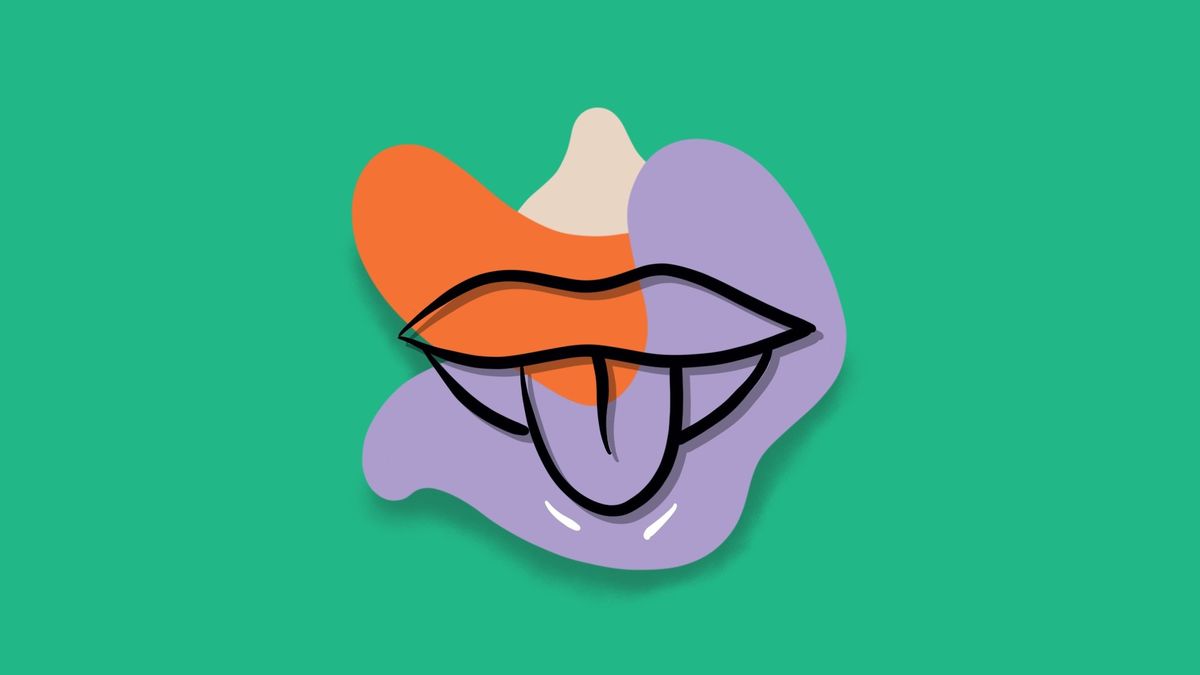
We sipped the wine, but we don't swallow it right away. A walk on the palate or even airing it will change the color of the experience on the palate. That's why we aerate the wine in our mouth before swallowing it. "How?" you ask, "By breathing it” I say. In order for the wine to cover your entire tongue and palate, and the aromas to awaken simultaneously, you breathe in from the edge of your lips or right in the middle. (Easy to do but hard to write about!) Just as the wine takes off in the carafe or when you swirl it in the glass, the aromas awaken. You get the same effect on your palate. At the same time, there is no place on the tongue that does not touch the wine on the palate. Then we interpret the palate. We talk about sweetness, acidity, tannin, alcohol, body, flavors, intensity, and finish. Let the primary, secondary, tertiary aromas come; tannin, which dries the tongue and palate; mouth-watering acidity.
Illustration: Kıvanç Müçek
We had a tasting in 4 steps. The most beautiful thing is to enjoy, and the most important is to think. What does the color you see remind you of, where does that smell take you, how does that wine flow on your palate? What will awaken in our brains (and hearts)?


A book that tells the story of wine from the vineyard to the winery, from the label to the glass in a very entertaining way: Wine Isn’t Rocket Science. With its illustrations and sincere language, you find yourself tasting wine on one page and harvesting on the next. One minute you are asking “How am I supposed to read the label of this wine?!” The next thing you know, you have already chosen your wine and are serving your guests at home! Written by Ophélie Neiman, translated into Turkish by Göknur Gündoğan.
“Of course, there are prejudices of people's common perception of wine culture that brings fear. It is hard to stay enthusiastic to learn about wine in front of a group that repeats sentences like ‘Wine is an intellectual’s work,’ ‘Not everyone can drink wine like that,’ ‘Our people just can't make good wine, my dear,’ ‘There’s no good table without a bottle of Chateaux Margaux.’ It is highly likely that someone will be frightened, discouraged, and remain silent” says Göknur Gündoğan. The book makes the world of wine accessible to everyone.
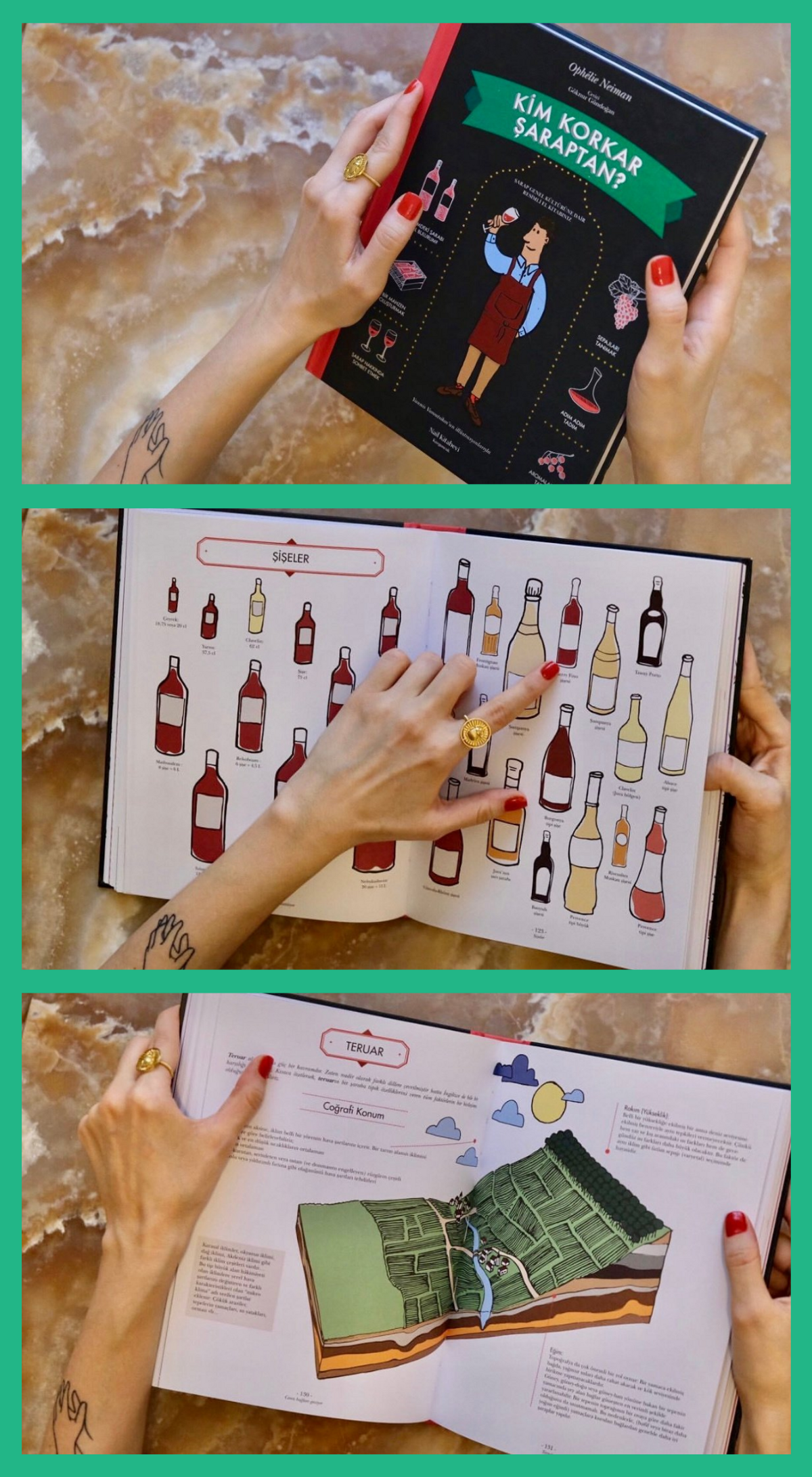
This book is like the journeys we take each week with this publication. Verasion believes that wine is not only drunk on white-clothed tables, it has a place on every table. So does this book. I met this book when it first came out, it’s still one of my books I thumb through from time to time. I recommend it to anyone who is interested in wine! A lot of fun.
Thank you for reading!
Cheers,
Selin🍷


