





The European Parliament's Assessments on Sanctions


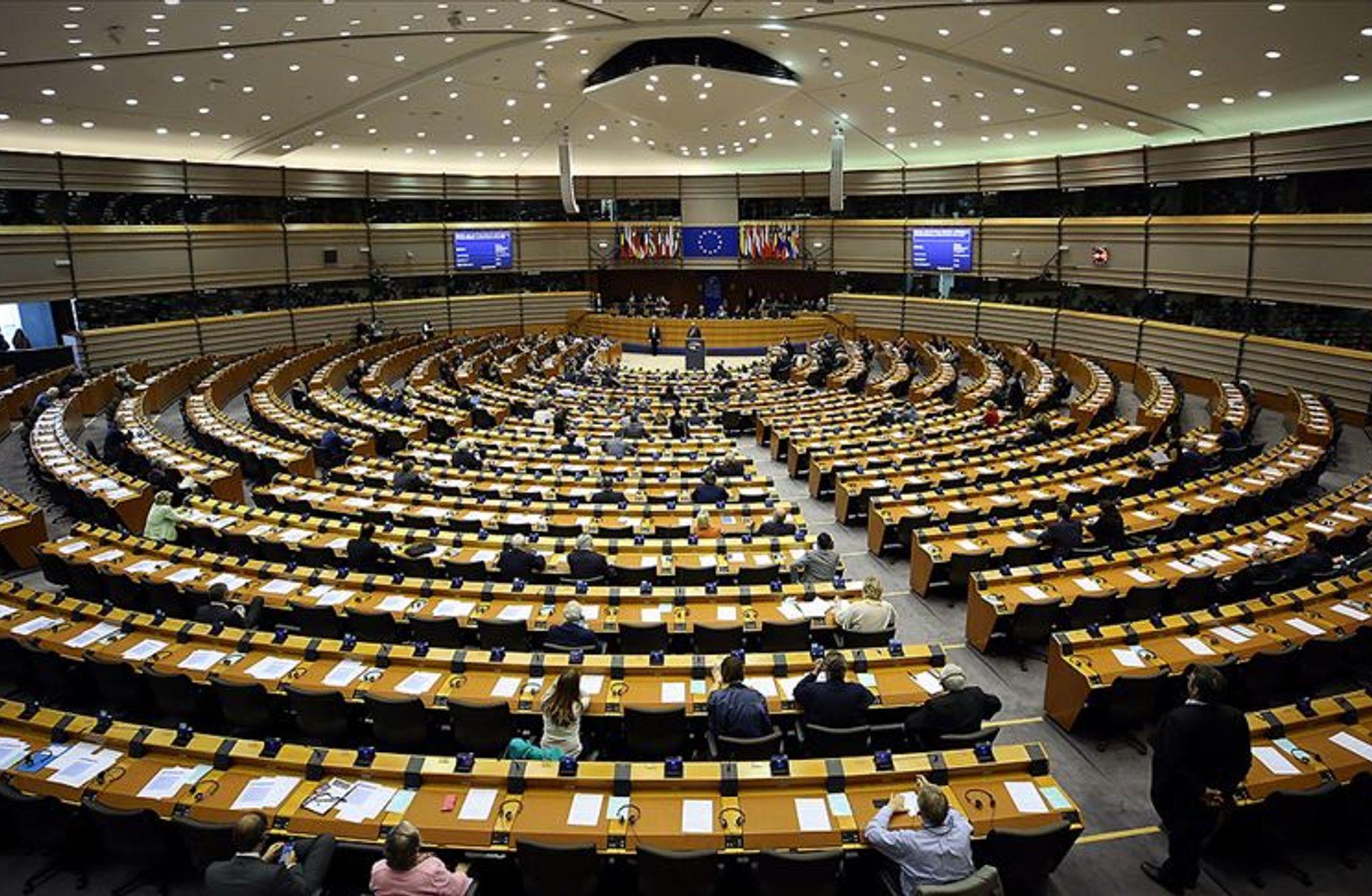
The recent resolution adopted by the European Parliament underscores mounting concerns regarding loopholes within the sanctions regime and their inadequate enforcement. (6) Of significant worry is the diminishing effectiveness of these sanctions. The resolution highlights the surge in imports from nations processing Russian oil, notably India, which serves as a potential 'back door' for the European Union (EU), allowing Russian oil revenue to flow back to Russia through intermediary countries such as China, the UAE, Kazakhstan, Kyrgyzstan, Serbia, and Turkey.
To address these challenges, the EP emphasizes the necessity to bolster EU sanctions oversight through a centralized system. It advocates for enhanced coordination among existing sanctions to counter Russian oil exports effectively. Furthermore, the resolution calls for the imposition of a reduced price ceiling on Russian oil, a complete prohibition on Russian LNG-LPG imports, and a comprehensive embargo on Russian diamonds.
It's essential to note that this resolution mirrors the advisory stance of the European Parliament and doesn't hold binding authority.
The ruling's basis reveals that Russia capitalized on a unique exemption within Bulgaria's EU ban, amassing €1 billion in revenue. This exception permits Russian oil export solely to Bulgaria within the EU boundaries. Yet, it allows Bulgaria to solely export oil to non-EU nations if storage within Bulgaria poses environmental or safety risks. Allegedly, Bulgaria's principal refinery, Neftochim Burgas, has markedly augmented its procurement of discounted Russian oil post-invasion. It reportedly purchases Russian crude at reduced rates and subsequently distributes it globally, including within EU territories.
The European Parliament is advocating for more stringent oversight and constraints to hinder Moscow's exploitation of loopholes within EU sanctions.
The European Parliament underscores that the absence of robust sanctions undermines efforts to curb Russia's economic capacity and its ability to sustain warfare. The resolution highlights a surge in EU imports of goods derived from Russian oil, notably from countries like India, creating a channel for Kremlin-linked oil to enter the EU market.
Concerns persist regarding ongoing trade between EU nations and Russia for critical goods despite imposed sanctions. Reports indicate Russian gas reaching the EU through intermediaries like Azerbaijan.
The text emphasizes the EU's status as a significant consumer of Russian fossil fuels, remaining reliant on these resources due to exemptions on crude oil and petroleum product imports. Members of the European Parliament (MEPs) are urging sanctions against major Russian oil entities, Gazprombank, and their leadership. Collaborating with the G7, the Parliament advocates for a reduction in the price ceiling for Russian oil and petroleum products, a complete embargo on Russian LNG and LPG imports, and the prohibition of products manufactured outside the EU using Russian oil.
Furthermore, the European Parliament stresses the imperative for the European Commission and EU member states to broaden sanctions, advocating for a comprehensive prohibition on the trade and processing of diamonds originating from Russia or re-exported by Russia to the EU. The resolution underscores the importance of exploring legal avenues that empower the EU to seize frozen Russian assets and allocate them towards the reconstruction efforts in Ukraine.
1 Bkz. Venedik Komisyonu ve Avrupa Konseyi̇, İnsan Hakları ve Hukukun Üstünlüğü Genel Müdürlüğü (DGI) Acil Ortak Görüşü, “Ceza Kanunu Değişiklik Tasarısı ‘Yanlış Veya Yanıltıcı Bilgi’ İle İlgili Hüküm Hakkında”, 7.10.2022, (CDL-PI(2022)032), para. 31.
2 Birleşmiş Milletler (BM) Düşünce ve İfade Özgürlüğü Özel Raportörü, Avrupa Güvenlik ve İşbirliği Teşkilatı (AGİT) Medya Özgürlüğü Temsilcisi, Amerikan Devletleri Örgütü (OAS) İfade Özgürlüğü Özel Raportörü ve Afrika İnsan ve Halkların Hakları Komisyonu (ACHPR) İfade Özgürlüğü ve Bilgiye Erişim Özel Raportörü tarafından yayınlanan “İfade Özgürlüğüne ve “Yalan Haber”, Dezenformasyon ve Propagandaya İlişkin Ortak Deklarasyon”, 3 Mart 2017, https://www.osce.org/files/f/documents/6/8/302796.pdf
3 https://teyit.org/teyitpedia/dezenformasyon-yasasinin-yildonumunde-gazetecilere-sorusturma-silsilesi
4 https://www.dunya.com/gundem/sans-oyunlari-ikramiye-dagitim-oranlarina-duzenleme-haberi-711509
5 https://yetkinreport.com/2023/11/29/erdogan-ve-bahceli-gorustu-cumhur-ittifaki-yerel-secimde-birlikte/
6 https://www.europarl.europa.eu/news/sv/press-room/20231106IPR09024/parliament-wants-tougher-enforcement-of-eu-sanctions-against-russia


Kaydet

Okuma listesine ekle
Paylaş
YAZARLAR

Enes Özkan
Ekonomist. Daktilo1984 kurucusu ve genel yayın yönetmeni. İstanbul Üniversitesi Blockchain Teknolojileri Merkezi kurucusu ve iş geliştirme koordinatörüdür. Aynı üniversitede davranışsal iktisat ve yatırımcı psikolojisi alanında doktora çalışmasına devam etmektedir.

The Freedom Observer
We monitor the ongoings of Turkiye in the fields of the rule of law, economics, civil society, and politics.
İLGİLİ OKUMALAR