





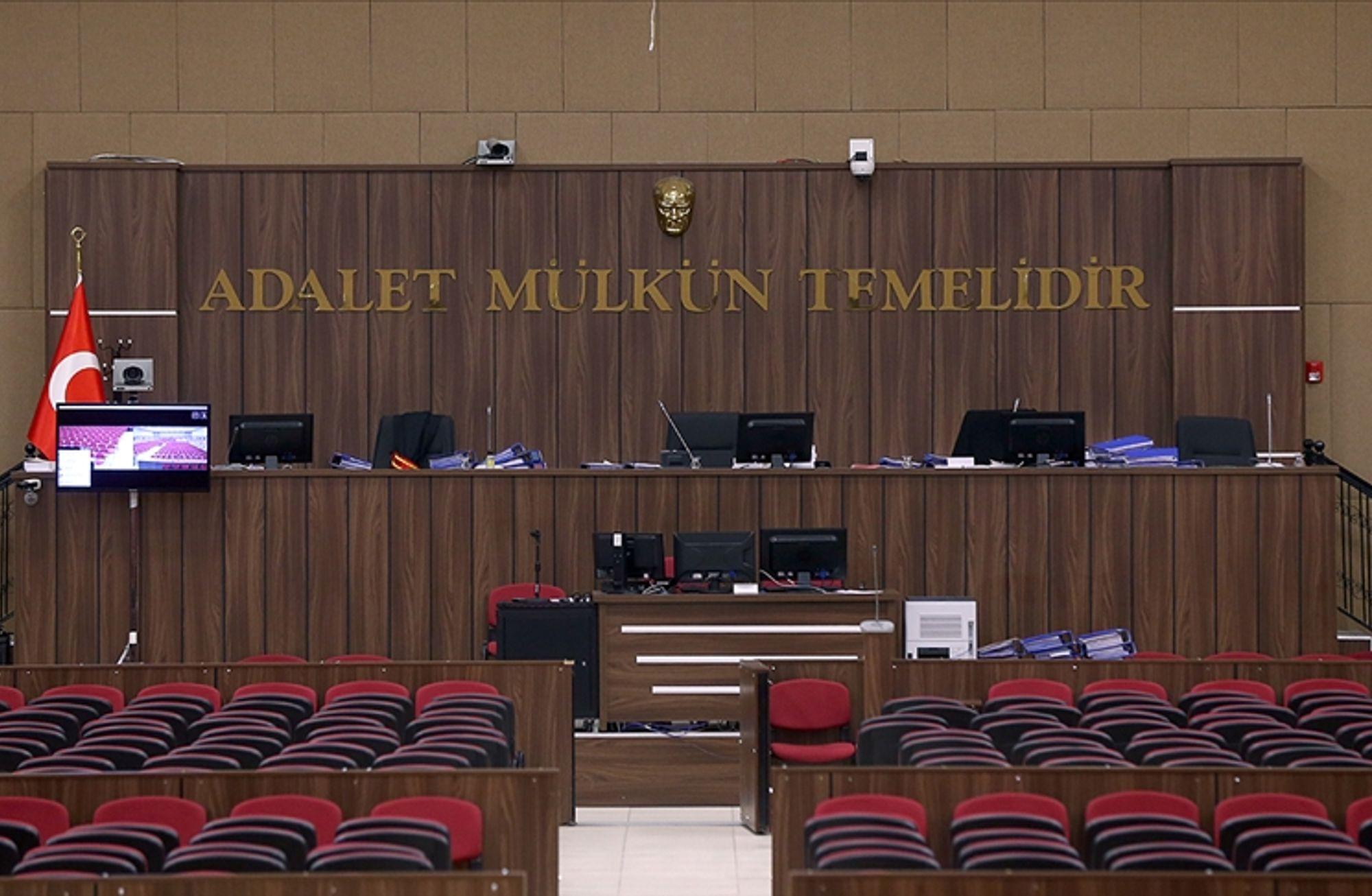
Post-July 15 Trials


The European Court of Human Rights continues to hand down rulings on violations concerning the proceedings that followed the events of July 15. Most notably, on April 23, 2024, the Court ruled in the case of Aydın Sefa Akay[1] His arrest, along with the searches of his home and person, violated the European Convention on Human Rights. At the time of these events, Akay, a retired ambassador and former permanent representative of Turkey to the Council of Europe, was serving as a judge on the UN International Residual Mechanism for Criminal Tribunals, which handles appeals from the International Criminal Tribunals for Rwanda and Yugoslavia. The applicant served as a judge on the Rwandan Court from 2002 to 2011 and was appointed by the UN General Assembly to the Residual Mechanism in 2011. The UN Secretary-General extended his mandate for two years on June 1, 2016. On July 8, 2016, he was appointed as an Appeals Judge in the case of Prosecutor v. Augustin Ngirabatware by the Chief Judge of the Mechanism. While working remotely from Turkey, the applicant was arrested in the aftermath of the attempted coup d'état on allegations of membership in FETÖ. This arrest was part of a broader investigation into Foreign Affairs personnel. It was based on accusations of using the ByLock messaging app and discovering two books while searching his home.
The applicant's lawyer argued for his release on the grounds that he possesses diplomatic immunity as an international judge, claiming that his arrest and search violated this immunity. On October 25, 2016, the UN Office of Legal Affairs sent a formal note to Turkey's Permanent Mission to the UN, asserting the applicant's diplomatic immunity under Article 29 of the Statute of the Mechanism and requesting the immediate cessation of his detention and all legal proceedings. However, the Turkish Ministry of Foreign Affairs contended that the applicant's immunity was mission-specific and did not extend to actions against his state. Despite these international appeals, Turkish courts upheld the detention based on the Ministry's stance, and the applicant was only released by the first instance court after a conviction. Subsequent appeals, including those to the Constitutional Court, were dismissed without substantive legal debate, relying solely on the Ministry's assertion.
On January 17, 2017, the Mechanism held a hearing to address the applicant's case; however, despite being invited, State representatives did not attend the hearing or make any legal submissions. Subsequently, on January 31, 2017, the Chief Judge of the Mechanism formally requested the Turkish Government to suspend all proceedings against the applicant and to secure his release by February 14, 2017. The Mechanism's ruling highlighted that under Article 29 of its Statute, the judges' immunity is considered absolute, as delineated in Chapter V of the 1946 Convention on the Immunities and Privileges of the United Nations, and can only be waived by the UN Secretary-General. However, the Turkish Government and Courts did not consider these requests, and the applicant was tried and convicted. this conviction was upheld by the Court of Cassation and became final. The applicant was arrested again after the finalization of the judgment and is still serving his sentence.
For the first time in its history, the European Court of Human Rights (ECtHR) ruled that the detention of an international judge was unlawful. The Court underscored that, as a UN judge, the applicant's diplomatic immunity was personal, extending beyond official duties, and applicable to all states, including his own. Furthermore, the Court highlighted that such immunity could only be waived by the UN Secretary-General if justice so required. As a result, the Court determined that the applicant's arrest and the searches of his home and person breached his inviolability, thereby finding that these actions unlawfully interfered with his right to liberty and security and his right to respect for private life as guaranteed by the Convention. Consequently, these actions were deemed violations of Articles 5 and 8 of the Convention.
The Court based its judgment solely on the issue of immunity, choosing not to address the allegations related to the ByLock messaging app. Ultimately, the applicant was awarded EUR 28,000 in compensation.
With this decision of the ECtHR, a new one has been added to the judgments on the unlawfulness of the post-July 15 trials. On April 29, the Court notified the government of 1,000 new applications related to the post-July 15 trials and stated that it did not want any defense other than factual issues. As long as the government's indifference to comply with the ECtHR's judgments continues, the violation judgments will continue. Each new violation decision means that the perception of lawlessness in the country becomes entrenched and entrenched. More importantly, it confirms that the judicial mechanism does not function pretty.


Kaydet

Okuma listesine ekle
Paylaş
İLGİLİ BAŞLIKLAR
NEREDE YAYIMLANDI?

Post-July 15 Trials, High Inflation is Fueling the Debate on Exorbitant Prices, The Political Face of Football in Turkey.
09 May 2024

YAZARLAR

Ali Rıza Çoban
Anayasa hukuku doçentidir. Doktorasını temel haklar alanında İngiltere'de Leeds üniversitesinde yapmıştır. İnsan hakları hukuku, hukuk devleti, yargı bağımsızlığı, anayasa yapımı, karşılaştırmalı anayasa yargısı alanlarında çalışmaktadır. Kendi uzmanlık alanlarında sivil toplum kuruluşlarıyla ortak çalışmalar yürütmektedir.

The Freedom Observer
We monitor the ongoings of Turkiye in the fields of the rule of law, economics, civil society, and politics.
İLGİLİ OKUMALAR