





The Germany Years of Neşet Ertaş

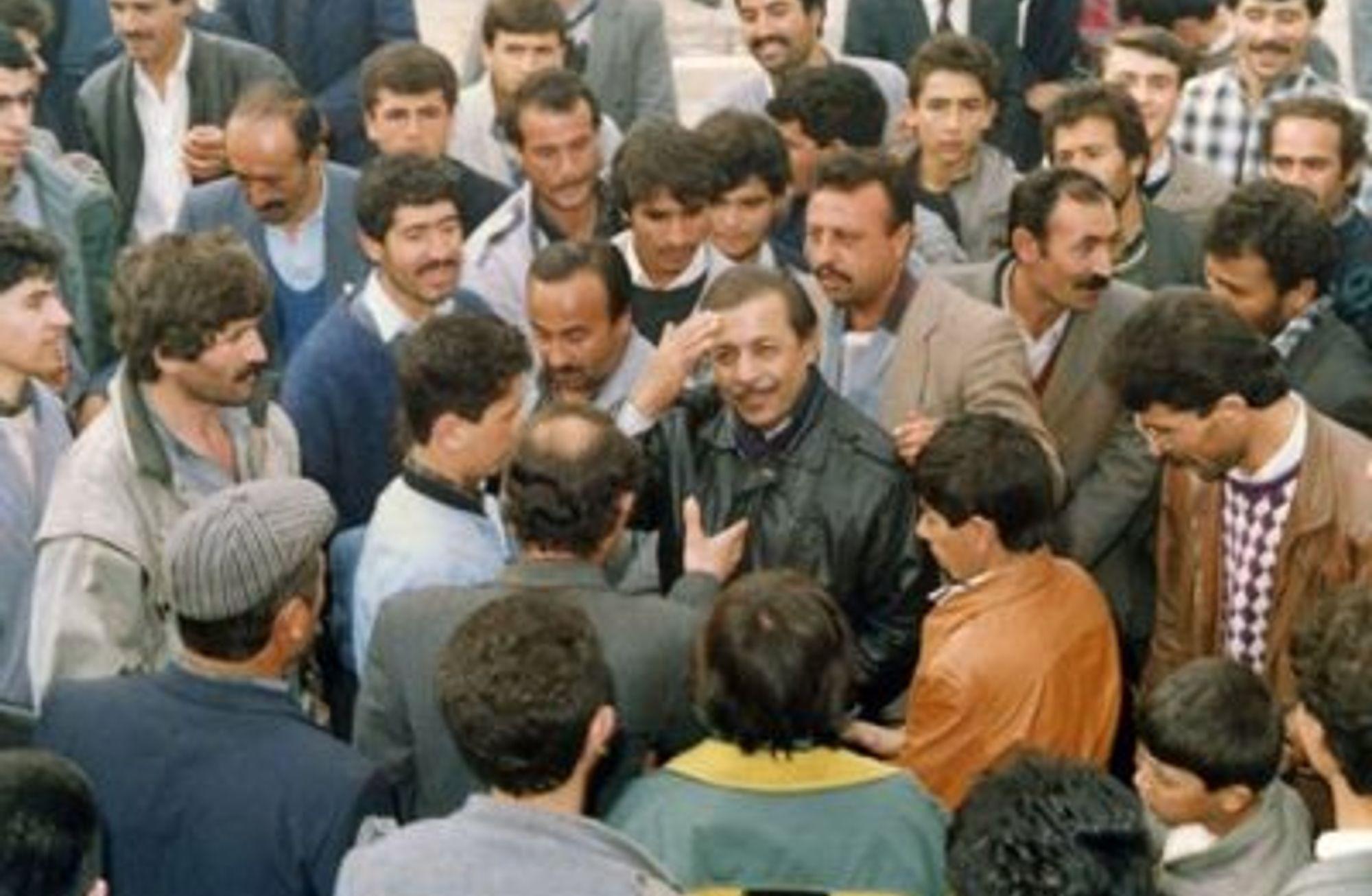
“Gurbet, longing, is like a rock in the hearts of all.”
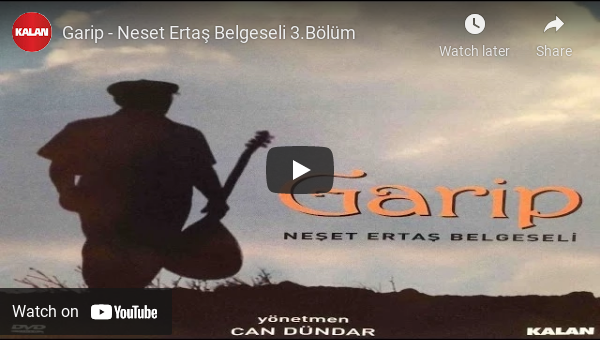
Garip, the Neşet Ertaş documentary
Neşet Ertaş, the Turkish folk bard and last great representative of the tradition of the Abdal, has a family history and likewise a life story full of immigration accounts suffused with a sense of gurbet.
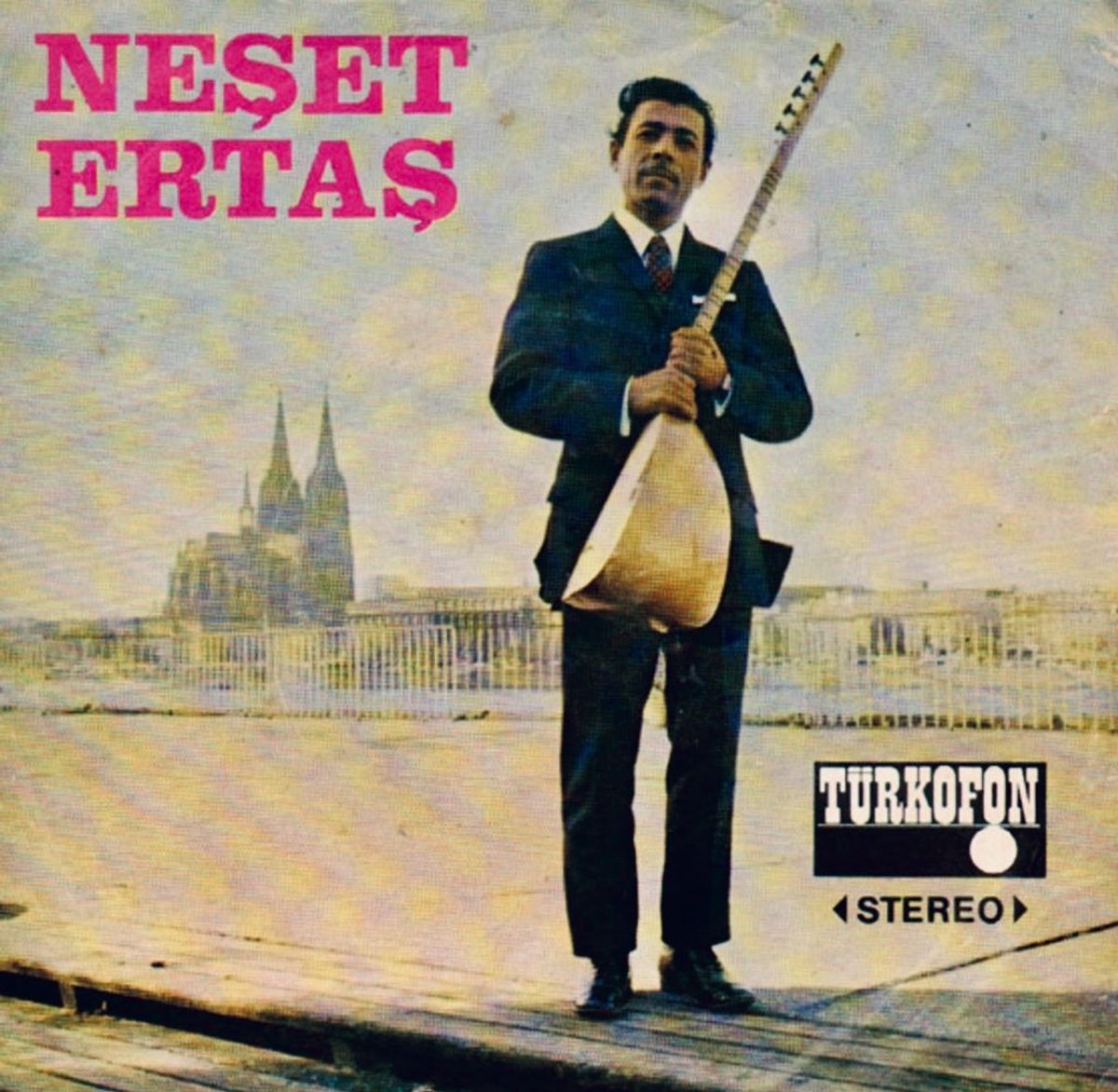
His mentor and father Muharrem Ertaş was an Abdal who after generations of itinerancy settled in Anatolia to carry on the spoken word and folk music traditions. For years, father and son performed at weddings and ceremonies in and around Kırşehir. Drawing his own path later, Neşet Ertaş drew on his childhood experiences and the legacy he perpetuated in both the sentimental and musical sense.
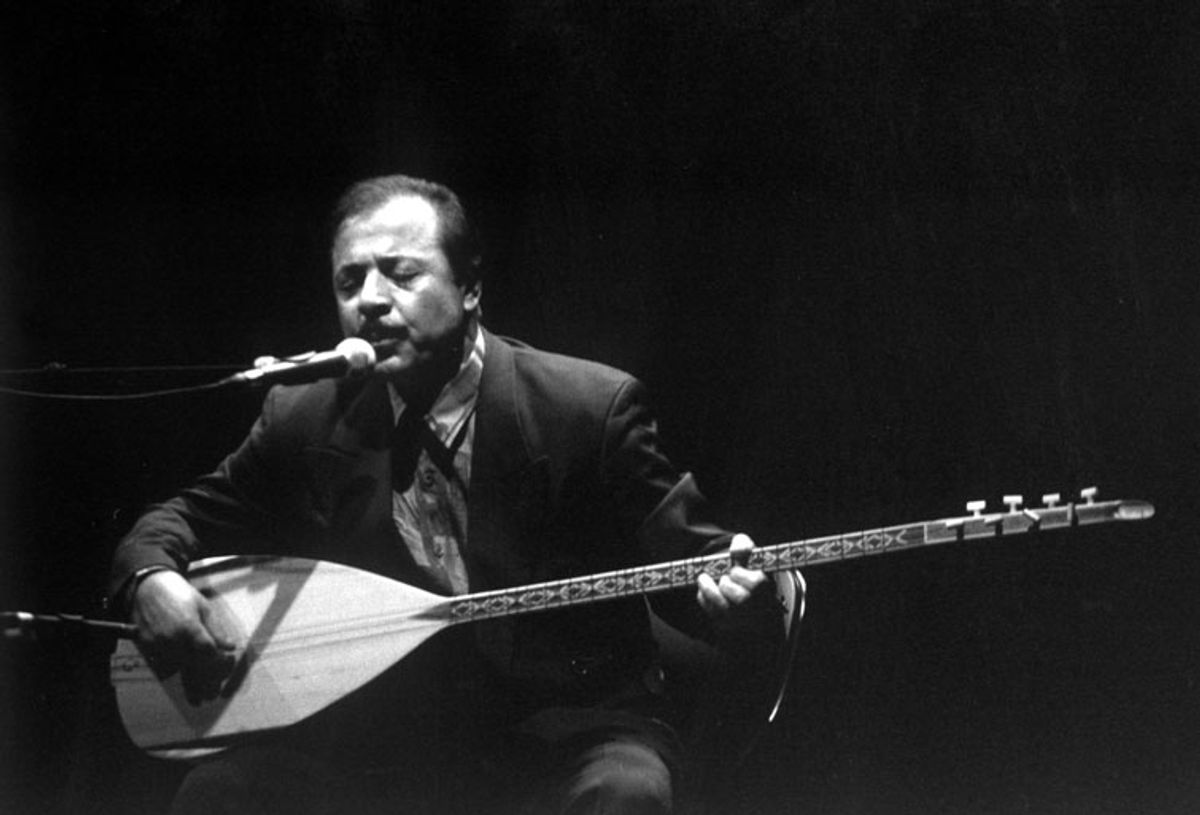 Neşet Ertaş sanatatak
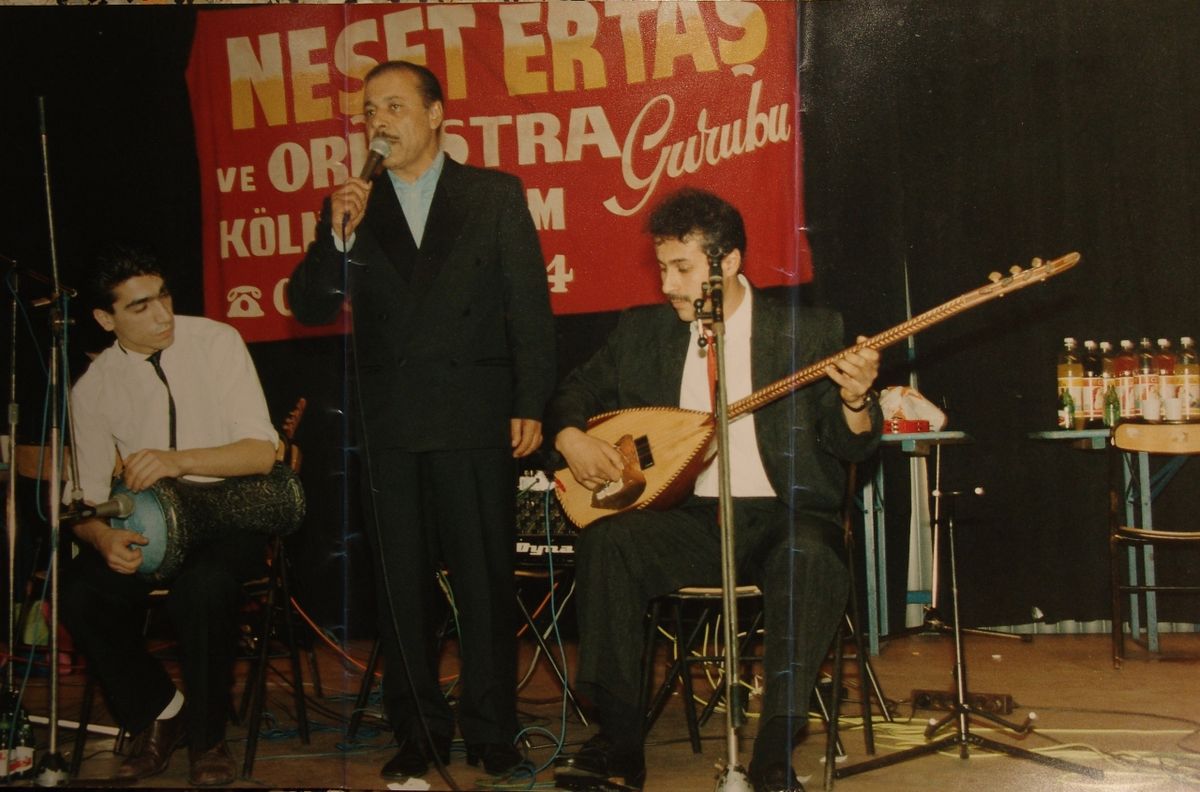 The Neşet Ertaş Orchestra, Cologne, sanatatak
Equipped with his saz, he played first in Istanbul and then Ankara casinos, while also releasing albums and touring. By the mid-70’s, he had become well-known throughout Turkey. In 1979, a single event changed his life: his hand was beset by paralysis on stage, leaving him unable to play. He went to Berlin for treatment, as his brother was a worker there, and did not return even after treatment was complete.
With his band “The Neşet Ertaş Orchestra” he started taking the stage throughout Europe at the weddings and events of mostly Turkish immigrants. After a wedding held in a schoolyard, he accepted an offer by the school principal and taught saz there for two years.
 Türkischer Basar, DiasporaTürk
In the 1980’s, he opened a saz shop at the “Türkischer Basar” which was situated in an old train station and had become defunct as an arcade with the fall of the Berlin Wall. The shop served as a meeting hub for Turkish musicians in Berlin as well as a space for immigrant workers to alleviate their homesickness through music. He later relocated to Cologne.
Ertaş lived and worked in Germany until 2000 and led a humble life. Later, when he was presented with offers of documentaries and invitations to shows, he returned to the stage in Turkey and gave countless folk concerts until his death.
Neşet Ertaş’s gurbet story was different from those who had gone to Germany as “guest workers”. Yet his saz was ever alive with the feelings of loneliness, estrangement and longing brought about by gurbet, touching a raw nerve in audiences. It’s lovely to commemorate him now as a cultural bastion who united people through his character, standing and attitude.


Kaydet

Okuma listesine ekle
Paylaş
İLGİLİ BAŞLIKLAR
NEREDE YAYIMLANDI?
BÜLTEN SAYISI
The Germany Years of Neşet Ertaş, Kreuzberg Hip Hop Culture, Chefket Interview
27 Ara 2021

YAZARLAR
İLGİLİ OKUMALAR