Travel trends for 2027: flexible holidays, paranormal trips and destinations chosen by mood
Holidays shaped by personal preference, lesser-known routes and journeys made for special events look set to be among the defining travel habits of 2027. Recent research shows that travellers’ expectations of a holiday are becoming more varied, and that budget, mood, interests and the search for experiences play a bigger role in travel decisions than they used to.
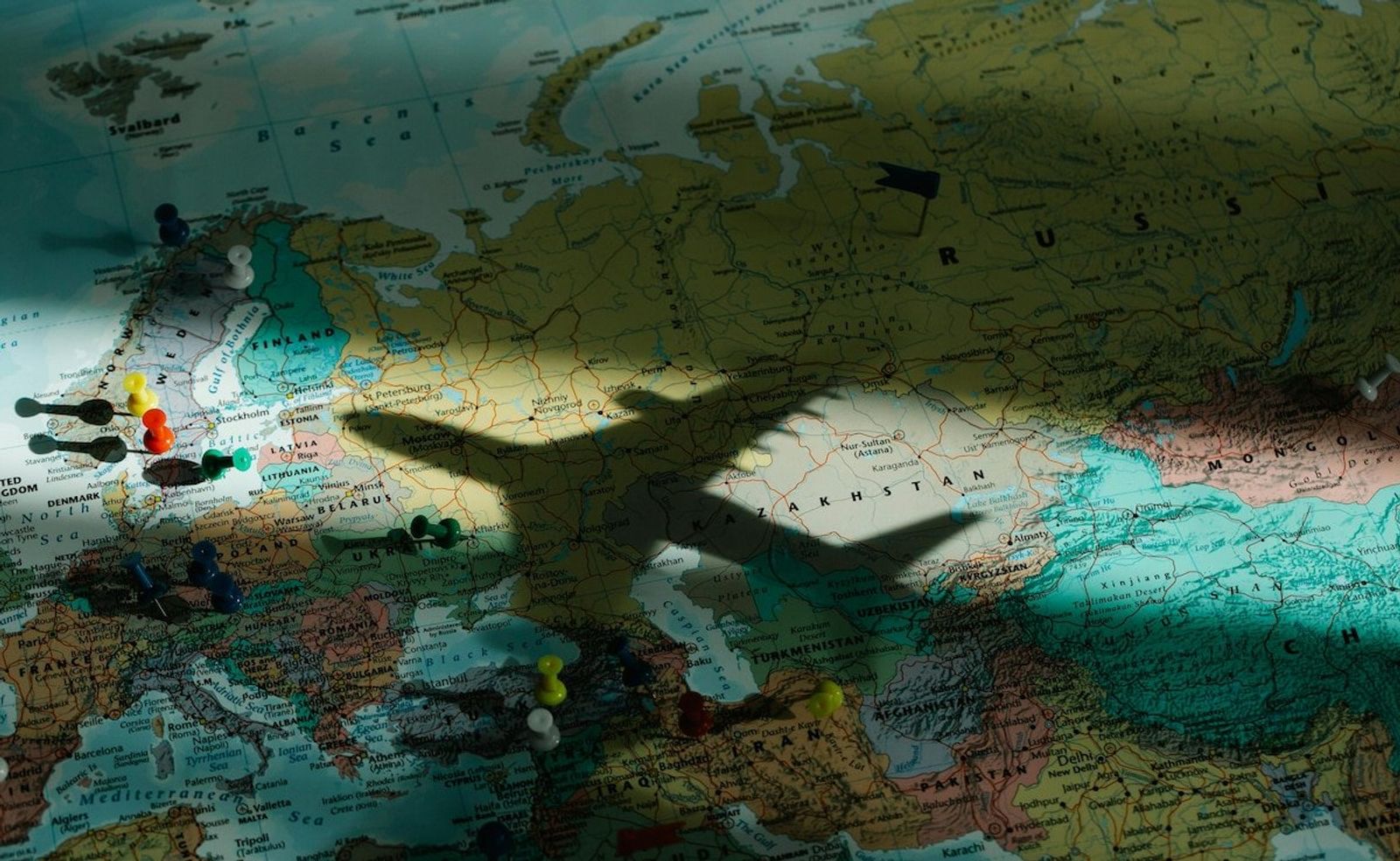
The latest data from the big hotel chains and travel platforms suggests that in travel plans for 2027, what people expect from a holiday will matter as much as where they go. Those worn down by the pressure to plan the “perfect” holiday are turning to programmes of their own making, while some travellers pack their bags to discover new interests and others to attend a particular event.
Other interesting themes among the travel trends for 2027 include choosing travel companions by budget, picking destinations according to mood and setting off in search of paranormal experiences.
More personal, more flexible holidays
Hilton’s “The Great Rebalance” study points out that the flawless holiday images shared on social media are also putting pressure on travel plans. According to the report, 54 per cent of respondents feel pressure to plan a perfect holiday, and 29 per cent say they are more inclined to choose options that will look good on social media rather than the experiences they actually want.
The new trend called The rise of “ish” (moving away from the idea of the perfect holiday) predicts a rise in behaviour such as making spontaneous decisions instead of planning every detail in advance, and keeping up healthy habits on holiday while leaving room for small indulgences. Of those surveyed, 27 per cent say they strike a balance on holiday between maintaining their healthy habits and letting them go.
Editor’s pick: Planning everything: is the age of spontaneous travel over? | Deniz Aytekin, Soli
Another tendency expected to stand out in 2027 is travelling solo(ish). Hilton examines this way of travelling under the heading solo-ish travel: 41 per cent of respondents plan to travel alone next year, but 92 per cent of them have already done so before. Not everyone who travels solo spends the whole holiday alone. In this way of travelling, which offers both the freedom to set your own programme and the chance to meet others, travellers decide for themselves when to be alone and when to socialise.
Of those who have travelled this way before, 31 per cent say they met up with people they already knew at their destination, 20 per cent joined a day trip with a group, and 16 per cent went on a tour of several days with people they did not know.
When deciding who to go on holiday with, spending habits can be as decisive as shared interests. Data on social currency (choosing travel companions by budget) from Booking.com’s survey of more than 28,000 people in 32 countries and territories indicates that the travel budget shapes not only where people go and what they do, but also who they travel with. Half of respondents think carefully about who to invite on a trip because of differences in budget; 51 per cent say they have had disagreements while travelling over different spending expectations, and 38 per cent say that for this reason they will never travel with certain people again. And 61 per cent of respondents with children are keen to go on holiday without them so they have the freedom to decide what to spend their money on.
Editor’s pick: From house-sitting to free city tours: tips for travelling on a small budget | Deniz Aytekin, Soli
Short trips spread across the year, rather than long holidays, are also on the rise. According to the tendency Hilton calls the micro-travel mindset (the short-break approach), 21 per cent of respondents plan to take more short holidays in 2027. Of travellers, 51 per cent say they enjoy trips built around a single experience, while 31 per cent say they are taking more short trips in order to discover more places. Short getaways to go to a concert, try a new restaurant or explore a nearby city rank high among the reasons for taking a micro-holiday.
Editor’s pick: From Tokyo to Florence: viral dishes worth travelling for and The barge cruise movement: micro-journeys on the calm canals of European cities
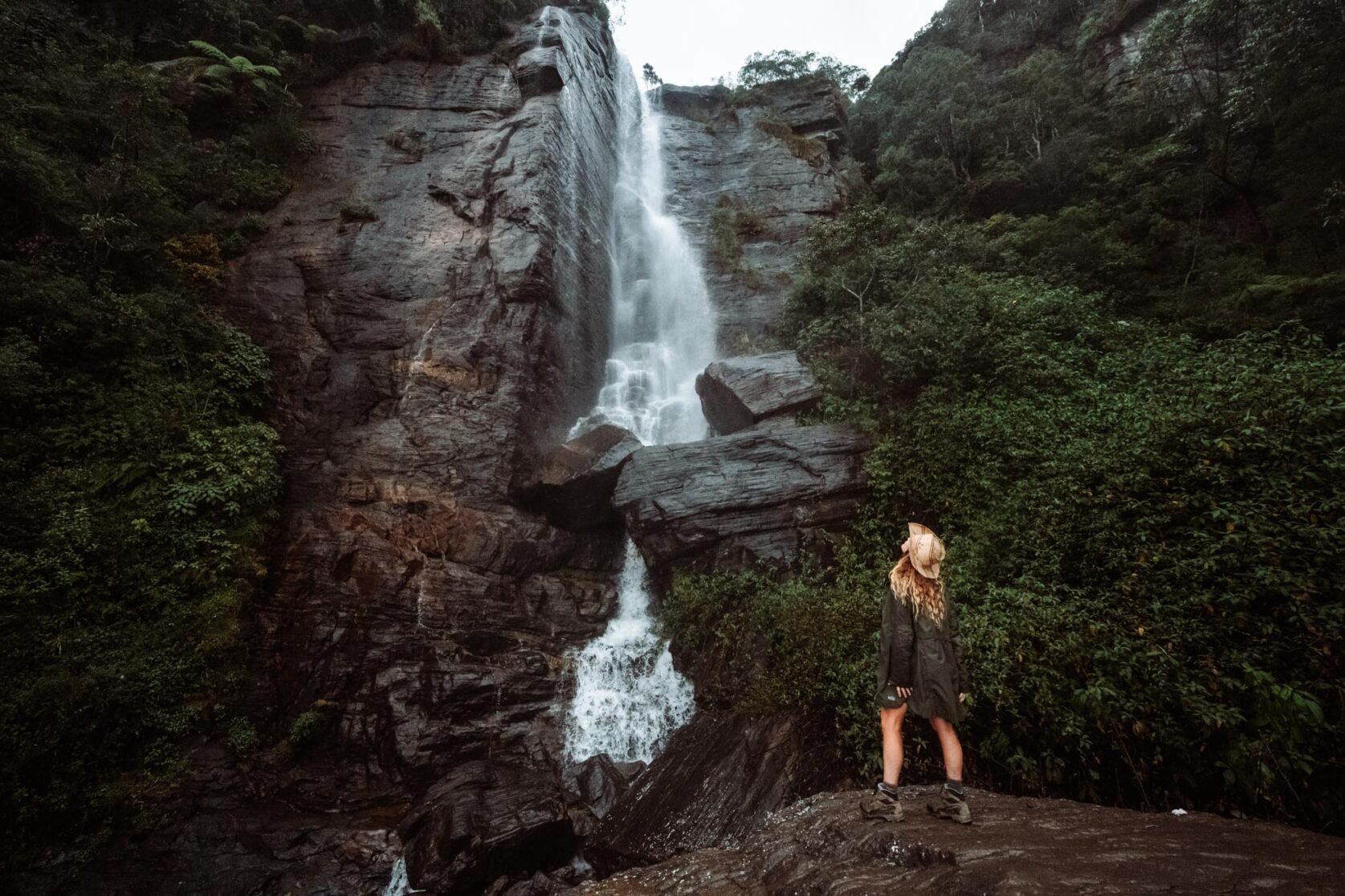
According to the trend Booking.com describes as vibe check (in) (choosing a destination by mood), 81 per cent of travellers choose their destination according to how they want to feel. And 76 per cent would be happy to use an app that suggests destinations based on mood. Hopes and wishes such as resting, recharging or spending time in a lively city that never sleeps look set to play a bigger part in choosing destinations this year.
For the past few years, travel has also been seen as a way to discover new interests and hobbies. According to this tendency, which Hilton examines under the heading growth getaways (breaks focused on personal growth), 42 per cent of respondents say travelling helps them discover new interests or hobbies. Spending time in nature is an important part of this experience: 79 per cent of respondents consider fresh air and open green spaces essential for relaxing while travelling. Trying a new walking route, learning a different activity or turning to a pastime there is no time for in everyday life are among the most frequently cited motivations for travel.
Editor’s pick: Travel’s new value proposition: never mind what you ate and drank, tell me what you learned and The three-day effect: how does time in nature reset our brains?
Lesser-known routes, alternative places to stay
The stifling crowds at popular tourist hotspots are once again steering travellers towards lesser-known places this year. According to a Skift study, 42 per cent of travellers prefer undertourism (quiet tourism), that is, deliberately avoiding overcrowded places. The Japanese city of Toyama is one of the examples highlighted for those seeking an alternative to the country’s busier stops. Dubrovnik’s “Respect the City” initiative, meanwhile, is cited as one of the measures aimed at easing the pressure of tourism on the city. This search is also bringing routes beyond Bali into focus in Indonesia. Lombok, Komodo National Park and Raja Ampat offer attractive alternatives for those wanting to explore different parts of the country.
Editor’s pick: Selfies by appointment, barriers with a view: how are cities tackling overtourism? and The Philippines’ way of eating without forks, knives or plates: Kamayan
Examples of alternative accommodations (places to stay beyond the standard hotel), which put local architecture and ways of life first instead of familiar, standard hotels, include the riads of Morocco and the ryokans of Japan, places to stay that allow a closer connection with the culture of where they are. Programmes offering accommodation and meals in return for volunteering are also appealing options for those who want to experience local life.
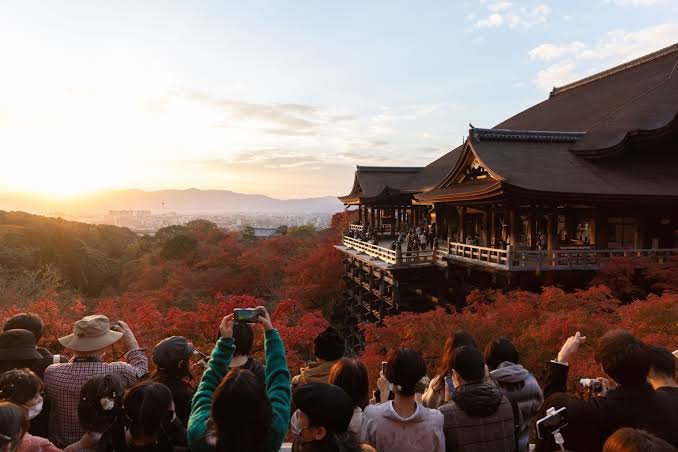
Another striking prediction for 2027 is a growing interest in China. The spread of social media content about China’s big cities, night views, high-speed trains, street food and everyday life, along with easier travel conditions, are cited as the main reasons behind this tendency, known as Chinamaxxing. Citizens of around 80 countries, though Türkiye is not among them, can travel to China visa-free for up to 30 days. The global popularity of Chinese cultural products such as TV series, films and video games is also among the factors feeding this trend.
Special events and unusual experiences
According to the trend Skyscanner examines under the headings sound bound (music events) and grand Odysseys (historic routes), 39 per cent of those planning holidays prioritise visiting historic sites and tourist destinations, and 34 per cent museums and art galleries. The share considering travel for music festivals and carnivals is comparatively lower, at 13 per cent. Christopher Nolan’s film The Odyssey has also played a part in this interest in historic routes. According to Skyscanner’s research, the film prompted about a third of respondents to plan a trip inspired by the epic. The date and place of an event can decide the destination, with the itinerary shaped around the concert, festival or exhibition. Routes that take in historic sites and cultural stops can also form the backbone of a trip.
The total solar eclipse on 2 August 2027 will be visible in southern Spain and parts of North Africa. In Spain, Cádiz, Marbella and Málaga are among the places where the eclipse will be seen in totality. In Egypt, in areas close to the eclipse’s central line, totality will be observable for more than six minutes.
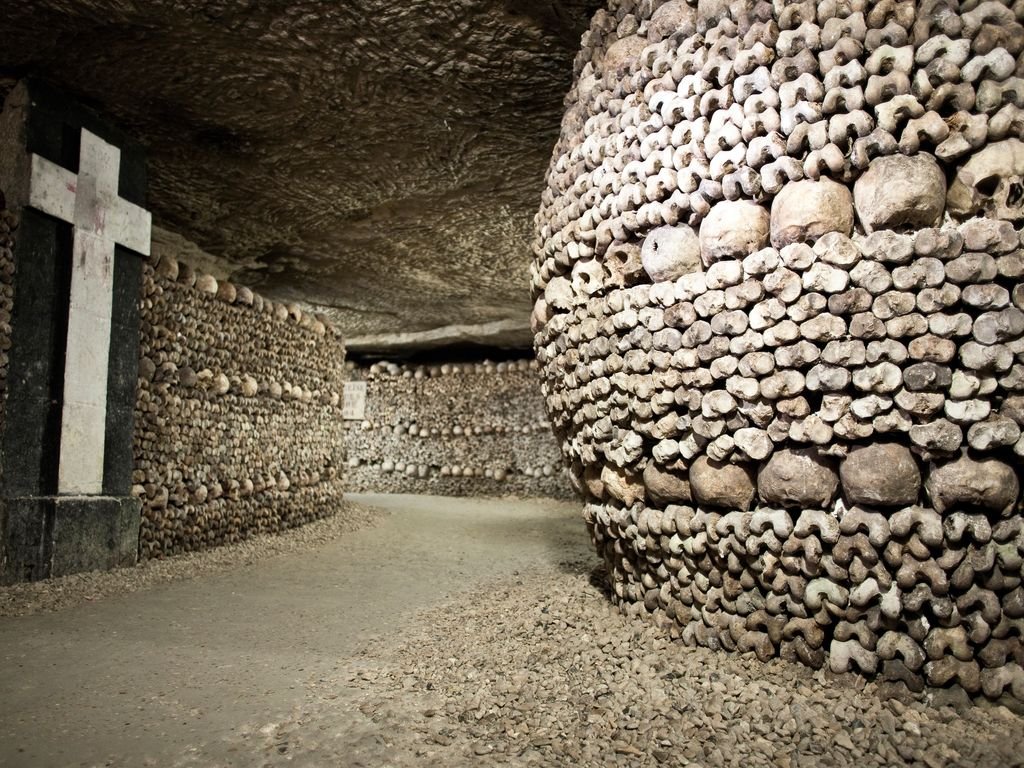
Some travellers, meanwhile, are chasing more unusual experiences rather than resting and seeing new places on holiday. Of respondents, 65 per cent are interested in the paranormal experiences Booking.com examines under the heading trip to the beyond (journeys to the other side). Some 48 per cent say they are open to taking part in an experience that aims to make contact with someone from the “other” side, while 50 per cent say they are interested in experiences that encourage reflection on death, the afterlife or spiritual matters. Visiting places said to be haunted, exploring sites known for their dark past or joining tours focused on paranormal phenomena are cited as different examples of this interest.
Editor’s pick: A journey to the heart of death and grief: dark tourism destinations and From Paris to Minnesota: cemeteries to see before you die
Sport, ‘wellness’ holidays and unexpected moves
The tendency Skyscanner calls gym-cation (fitness holidays) points to the rise of trips in which the chance to exercise decides the destination. Running routes, sporting events or destinations suited to physical activity can shape the travel plan. Physical activities also offer an opportunity to meet new people.
Under the heading sweat synergy (bonding through exercise) in Booking.com’s research, 66 per cent of people who have travelled alone before have seen a shared physical activity or sporting contest turn into a lasting friendship or a conversation. Of respondents, 55 per cent are open to joining a community of like-minded athletes while travelling. And 52 per cent of solo travellers would be happy to travel to take part in a fitness or sporting event. On wellness holidays, interest in water- and heat-based treatments is growing.
According to this tendency, which Hilton examines under the heading wellness, rewired (new wellness experiences), 54 per cent of respondents are interested in experiences focused on heat, water or hydrotherapy in 2027.
According to the tendency Booking.com examines under the heading the all-exclusive (a pick-and-choose all-inclusive), 67 per cent of respondents say that changes in their health, body or lifestyle have altered their choice of destinations or activities over time. Some 66 per cent are interested in a holiday option that lets them remove services they do not plan to use from the package. And 58 per cent say their dietary preferences can influence their choice of accommodation or destination. For travellers with particular dietary preferences and needs, or who do not want to pay for services they will not use on holiday, customisable packages stand out as a better fit.
Comfort and the chance to rest, especially on long-haul flights, can also influence travel choices. According to the study titled Hotel in the Sky, 87 per cent of respondents say they would be happy to take a long-haul flight if they were convinced they would feel rested and refreshed at the end of the journey. Some 33 per cent of respondents value in-flight food and drink options that support their sleep pattern. The share interested in lighting designed to reduce jet lag is 20 per cent, and those who insist on skincare products 19 per cent. And 24 per cent of travellers say they would consider the option of a quiet, child-free zone on the plane.
According to the tendency Booking.com calls plot twist trip (surprise travel), 77 per cent of respondents are interested in stepping out of character on holiday and doing something no one would expect of them. Some 36 per cent want to surprise their friends and family with their travel choices. And 29 per cent of respondents say they have decided against sharing a holiday photo, or deleted it after posting, because they found it too ordinary or tacky. Choosing a destination few would think of, taking part in an unusual event or breaking out of the usual holiday routine are among the examples of this tendency.