




In this newsletter, we have an interview with Onur Ziya Demir and Oğuz Yenihayat, known as "Ayaküstü Lezzetler", about their adventure on YouTube that started as a social responsibility project and a list of alternative ways of making money in the food and beverage industry.
As always, we look forward to your comments and feedback.
Enjoy your reading,
Nurefşan
Ayaküstü Lezzetler: Tasting, meeting, promoting
The journey of YouTube channel called "Ayaküstü Lezzetler", which means "flavors on the go", launched by Onur Ziya Demir and Oğuz Yenihayat as a social responsibility project.

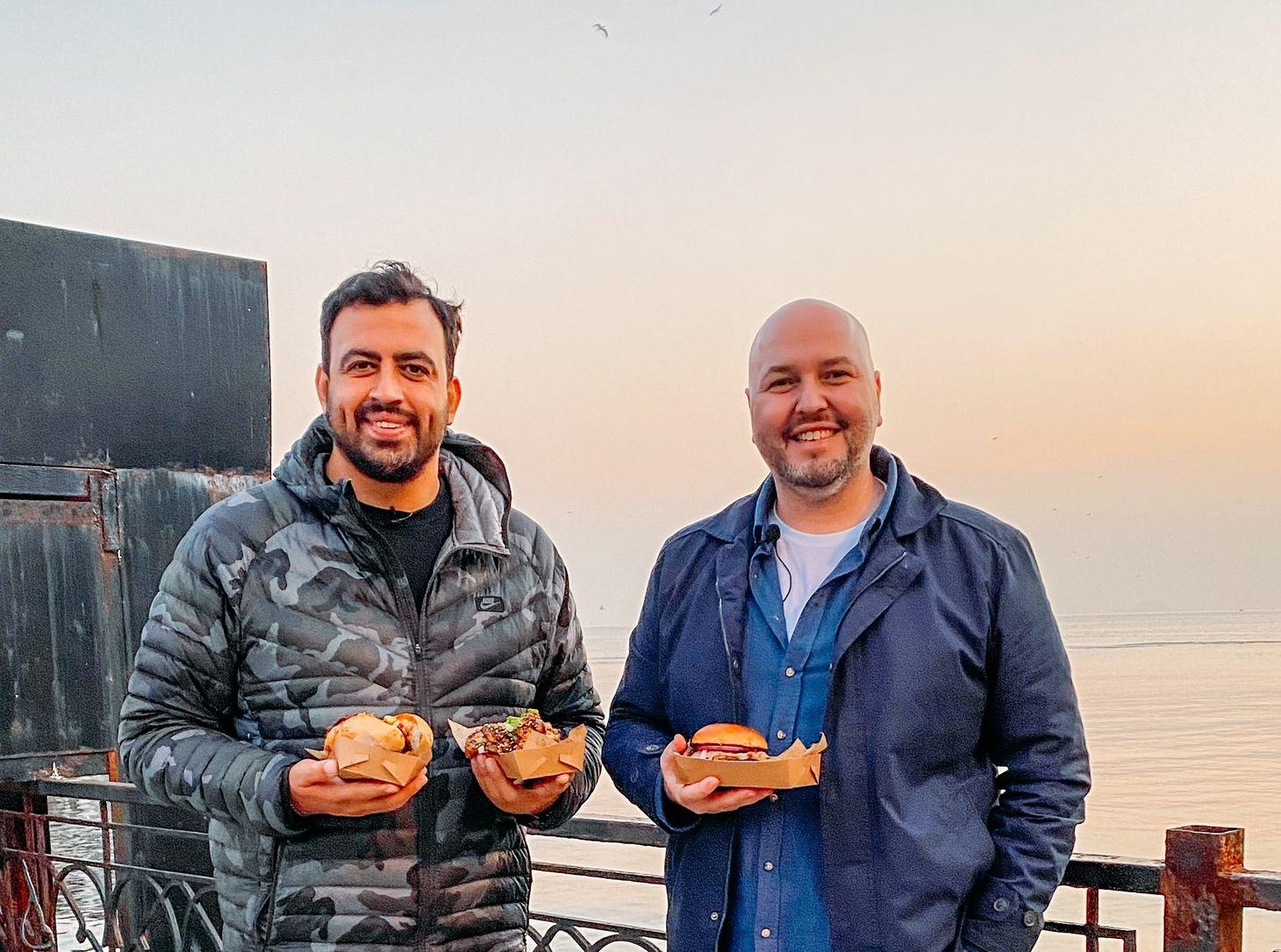
The food and beverage industry has a wide range of fields. If you say, "I don't cook, but I am great at eating and trust my palate," then you can make money this way, taking advantage of the development of technology and social media. Especially in recent times, not only cooking but also tasting, promoting, and evaluating food has become popular on television, YouTube, and social media.
We talked to Onur Ziya Demir and Oğuz Yenihayat, known as "Ayaküstü Lezzetler" on YouTube, for those who have a passion for food and beverages and think, "It would be nice if I could make money too." Demir and Yenihayat, who developed interest in food and beverages in their former business life, met at a press conference and have been tasting and finding out together ever since, so to speak. The duo's entry into social media and later on YouTube started as a social responsibility project. Let's hear their story, interest in food and beverages, and suggestions for those who want to get in the field.
- How did you decide to launch "Ayaküstü Lezzetler" channel? Is there a story behind?
Onur Ziya Demir: Ayaküstü Lezzetler actually emerged as a social responsibility project. We launched the project for the survival of restaurants, but it turned into guiding our followers to what was right and delicious. The table is a comfortable and delicious space for us. We come together at the table as two friends who enjoy eating. We went to countless restaurants to eat together after our paths crossed. However, during the pandemic, we were all staying at home, and restaurants were closed for a long time. An industry that was directly related to us was disappearing, and historic restaurants were closing down. "We have to do something," we said, and thought of embarking on our YouTube journey. But the motive was to support real artisans whose taste we trust and who use fine ingredients. We decided to go ahead with this.
Oğuz Yenihayat: We shared the first videos we shot on IGTV, Instagram, which we have been addressing for many years. Our content was good, our conversation was enjoyable, and we were getting positive feedback, but it is so difficult to watch a video for almost 1 hour on Instagram. During this period, İlkay Kaya, the head of our production team, who we were able to pay after six months, also contributed a lot. Even though we appear on the screen; shooting, editing, and getting the videos ready for broadcasting is very time-consuming. He was unfamiliar with YouTube as well, but we began our journey thinking, "It will be alright on the night" and in the following weeks, we saw and learned what it was like to shoot and edit videos. Our production team got stronger when Demirhan Argun joined. We now have two separate teams and a system that works faster.
"Our biggest reward was when shop owners and artisans who could hardly do any business called us after the videos and said, "We couldn't keep up with the work in the shop." It is a great pleasure to touch people who do their jobs well. Its joy cannot be repaid with money or anything else."
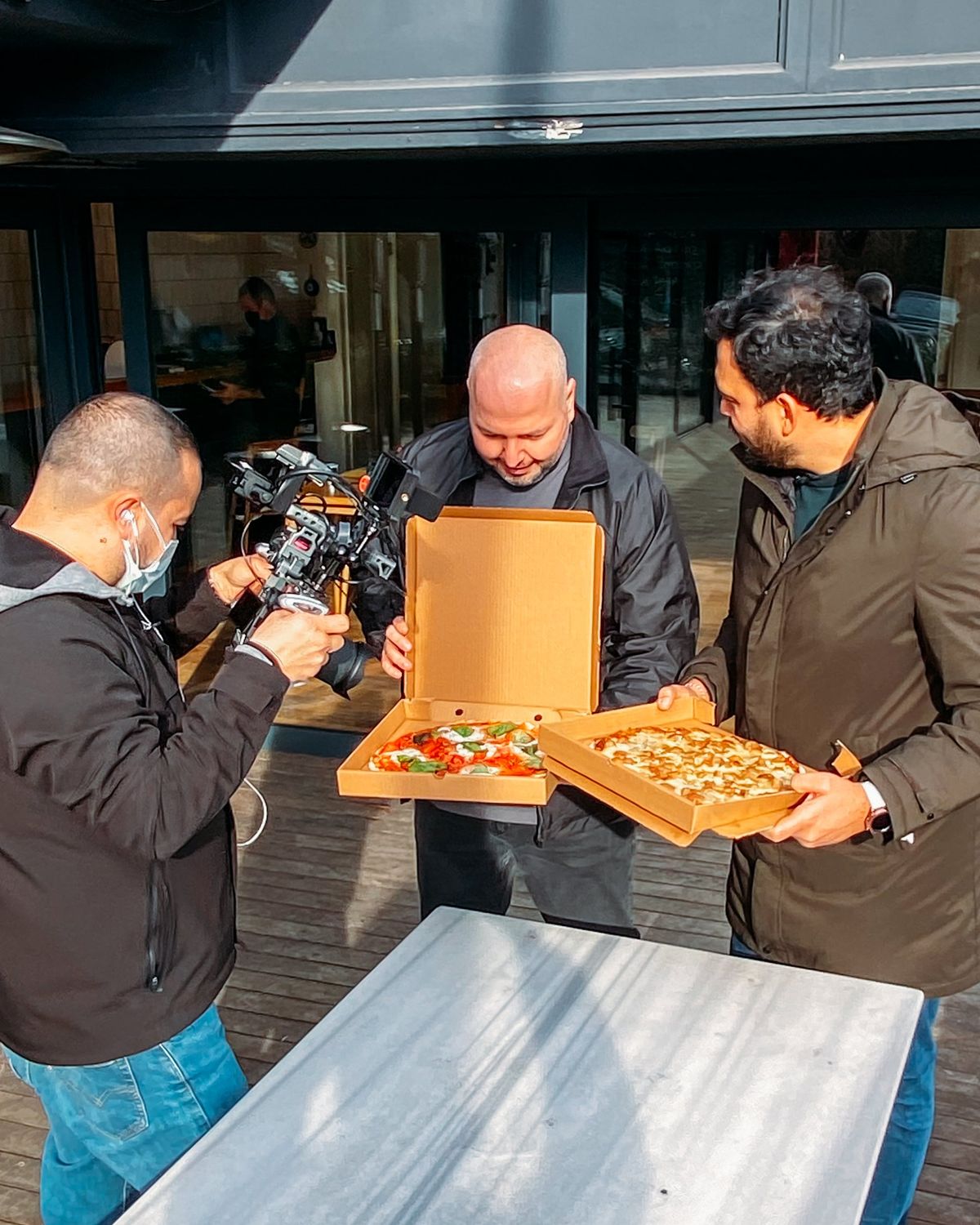
Ayaküstü Lezzetler
- Why is "Ayaküstü Lezzetler" so popular? Is there anything special you think you succeeded in?
Onur Ziya Demir: It would not be a lie to say that we did not make an extra effort to be successful, but we were very careful about the places we chose. Our key word is "sincerity." We are candid in the videos as we are in real life. Ayaküstü Lezzetler is more than a food guide, it reflects the good time two good friends spend together. When people watch it, they remember the tables where they get together with their close friends. We think this is the fundamental reason why we have grown so fast and are watched so much. We pay attention to how we speak, dress and we show respect for the masters in our videos.
Oğuz Yenihayat: Onur summarized it very well. We have no commercial ties with any businesses and never want to establish one. We own our content. We have a responsibility to those who follow us. First and foremost, there is a great trust we have built so far.
- Do you currently make money on YouTube? Can this be seen as an income that a person can consider as a single job?
Onur Ziya Demir: We set out on this journey without the expectation of making money; however, to make a sustainable guide, everyone needs to be happy and focus on their work. For this reason, it was very significant to have sponsors who believed in us. This field can be considered one person's only job. I can say that continuity increases the rate of income you will get. When the viewer go to your YouTube channel on the same day at the same time next week, they should see new content. They should understand that you take this issue seriously. It is the only way you can make money.
- You visit, recognize and promote many places. How would you describe the pleasure you get while traveling and tasting?
For us, discovering a new place, going to a particular restaurant there, and seeing its architecture, traffic, and welfare level up close opens our horizons. At the same time, we try to reach more locals by communicating with the shop owners or the neighborhood. We usually connect better through communication and tell those who follow us. The more you travel, the better you can make comparisons and understand the world you live in. Whether it's a high-budget trip or an inexpensive one, on foot. Even in your closest neighborhood, there is a place you haven't seen or a flavor you haven't tasted.
"The world is our home, and there are many rooms in this house that we have not yet visited. We don't intend to stay in the same room forever."
- Finally, what is your advice for those who want to follow a pleasant career path by traveling-eating-promoting?
Dreams are always bigger than reality. People who do not dream cannot be successful. We have closed our ears to those who say: "No, you will not succeed." Create your style if you want to build a career by traveling, eating, and promoting. If you are aiming for a career in this way, make sure you are different from others. Be able to tell not only what you like but also what you don't like with great sincerity. And most importantly, don't force yourself to do this for money, but live the way you are even without social media.
"If something is in your dough, that story will eventually become good bread."


😋 The pandemic has once again shown that the food and beverage industry will never die. In fact, there are innumerous different ways to make money in the sector and we have compiled alternative ways of making money for the curious.
1. Sharing recipes
Getty Images
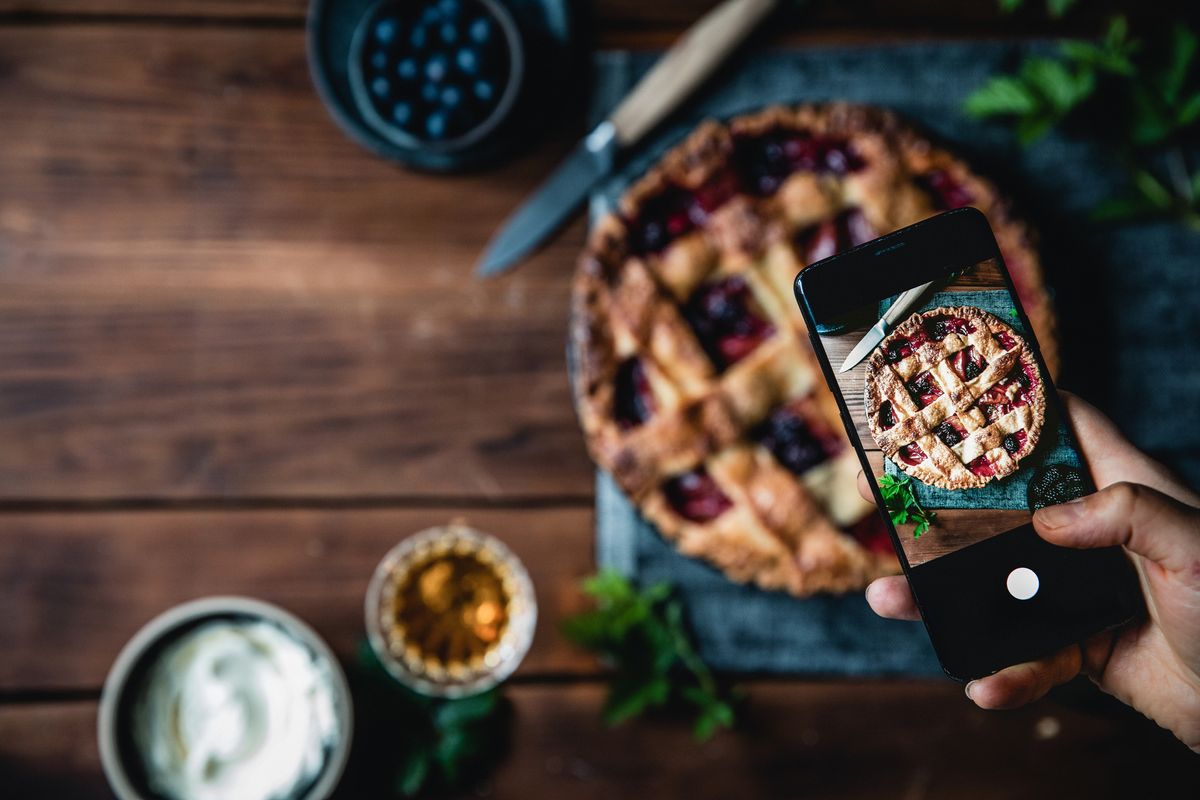
Our mothers used to have recipe books: The corners spilled with grease, lightly floured, some pages missing, some recipes incomplete. There were very few of them that were preserved well enough to be passed down from generation to generation. Maybe that's why some recipes were buried in the past along with their creators. We don't know if our elders thought so, but today it is possible to earn money using those recipes. From blog posts to YouTube videos, from Instagram stories to TikTok short videos, some people make a living by sharing recipes on many channels. Moreover, it is also possible that your recipes will reach millions of people and this journey will turn into a book or a place. We share a few profiles that can serve as examples for you.
- Şükran Kaymak: Stating on her profile that she launched the first recipe page on Instagram, Kaymak currently has 5.6 million followers. In more than 3,000 posts, many recipes ranged from cakes and cookies to Antep-style eggplant meal called "söğürme."
- Bengi Kurtcebe: Kurtcebe, who claims "Less effort, more taste," shares recipes on Instagram and YouTube. She has 690 thousand followers on Instagram and 241 thousand followers on YouTube.
- Yağız İzgül: İzgül, who has 472 thousand followers on Instagram, also has a YouTube account with 59 thousand followers.
2. Doing Mukbang
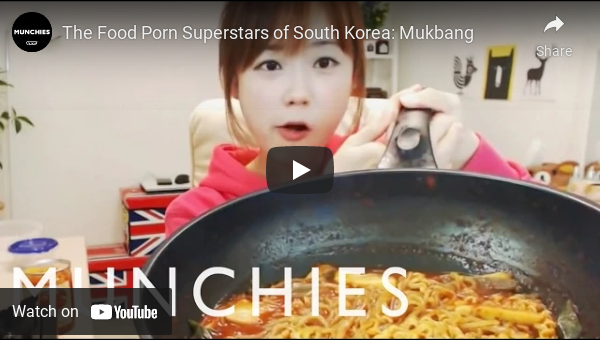
Who wouldn't want to make money by eating food? Thanks to the "mukbang" movement (food streaming), anyone can now watch people eating whenever and wherever they want. And these "online eaters" are not chefs, gourmets, or celebrities, but ordinary people. The mukbang movement, which originated in South Korea in 2010, has already become a business for many people globally.
A mukbang is a broadcast where anyone can eat large quantities of food while chatting with viewers. The videos, which are usually broadcast live or pre-taped on channels such as YouTube, Twitch, Afreecatv and etc., have millions of viewers. In South Korea, broadcasters are earning over 10 thousand dollars a month. Mukbang is also a common trend in Turkey. You can check Beste Kartal's YouTube channel or watch the video below to get an idea.
3. Becoming a food stylist or photographer
Did you know that there are special people who present even the easiest dish in restaurants in a glamorous way, who make every dish on the menu look mouth-watering? Food styling, which is generally preferred by people with culinary training, is a profession that is highly respected in professional circles but not very well known among the general public. In short, a food stylist's job is to make food look attractive, delicious, and fresh. Usually working with chefs, editors, and photographers, food stylists are the magical hands behind the food you see in cookbooks, magazines, advertisements, and menus. In Turkey, names like Mesut Erdoğan stand out in food styling and Sabah Yıldırım and Gastroshot in food photography.
4. Setting up or using a ghost kitchen
Ghost Kitchen in New York/ The New York Times
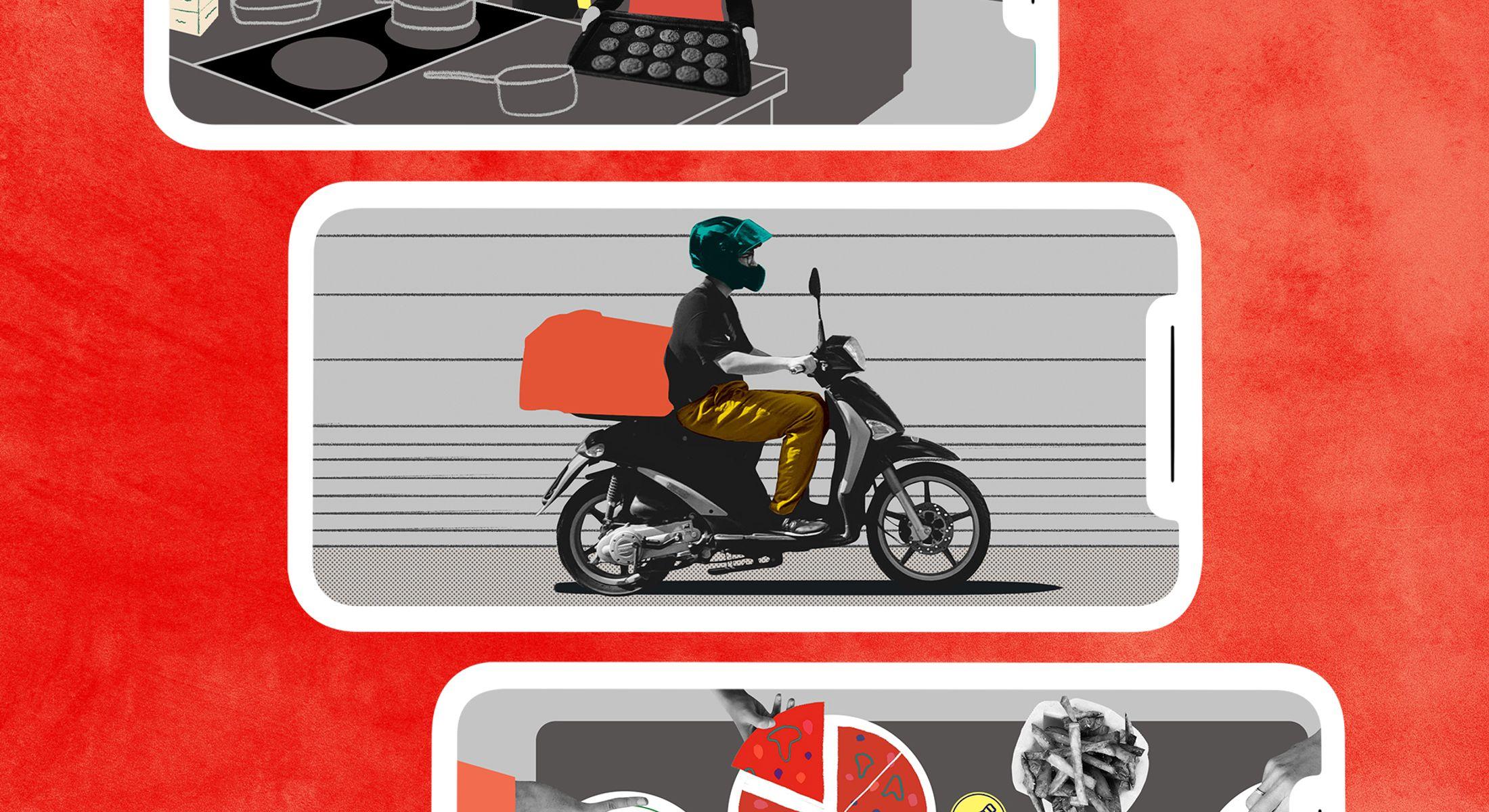
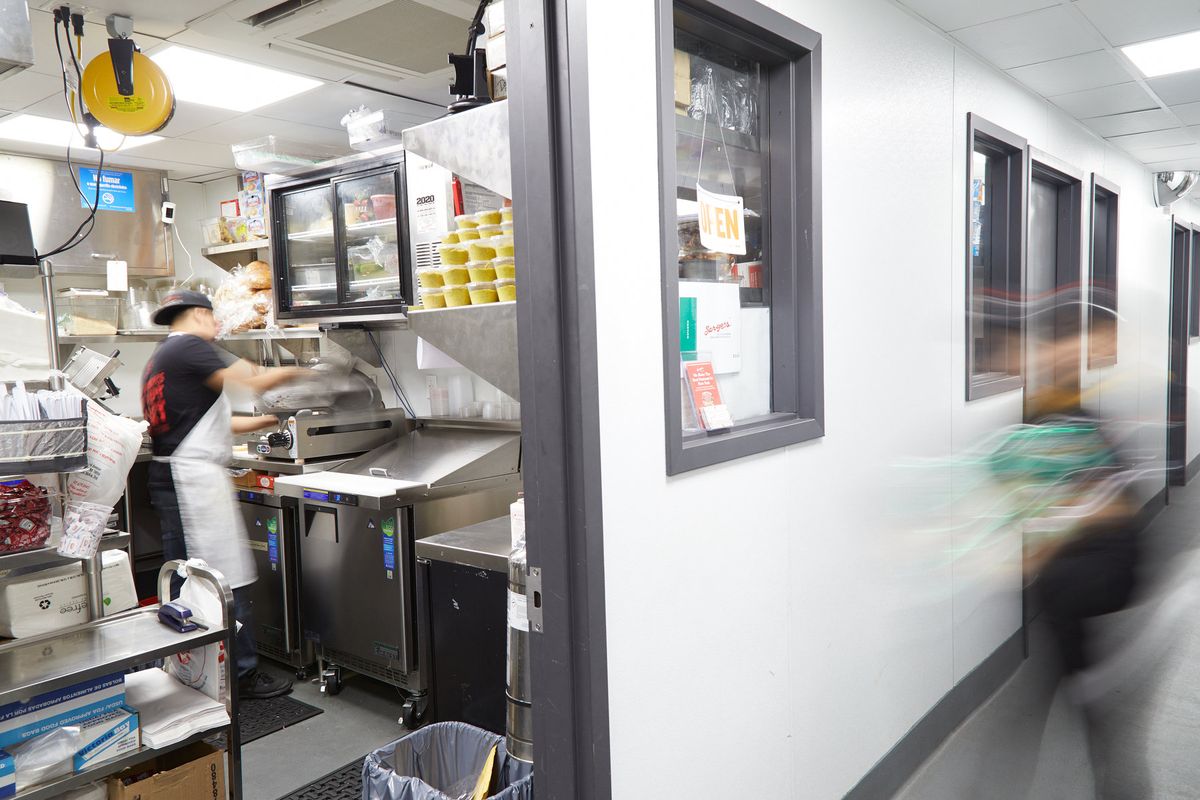
Ghost kitchens are co-working spaces created for different restaurants, where a professional kitchen is shared by various businesses or chefs, focusing only on online delivery. Unlike an ordinary restaurant, there are no tables, chairs, presentation tools, or waiters in ghost kitchens set up away from the main streets. The only goal of the kitchen staff is to prepare and package the food as soon as possible and deliver it to the motorized couriers. If you want to open a place but can't find enough capital, renting a space in a ghost kitchen might be a logical choice. Or you can think big and build a ghost kitchen yourself. For more information about ghost kitchens, we can take you here. We talked to Paket Mutfak's founder Tali Şalhon and Bundle Kitchen's founder Alican Karaca.
5. Writing about the food and beverage industry
Do you love writing about food and beverages but don't know how to monetize your hobby? Blogging is a thing of the past, it's time for e-mail newsletters. E-mail newsletters open up a wide space for editorially qualified and creative work, creating new and sustainable revenue models in the publishing industry. If you are confident in your content quality, you can send e-mail newsletters through various platforms such as Aposto, Substack and Revue. As the audience your newsletters reach expands, you can earn money through sponsorship or paid subscription. If you still can't visualize "What is a food and beverages newsletter?", we recommend you follow Aposto's food and drink newsletter apéro.
6. Producing and selling organic products
Awareness about healthy living has increased considerably, especially with the impact of the pandemic. As a result, the number of businesses that make a living by growing or selling organic products such as "İpek Hanım Çiftliği", "Kaptan'ın Ceviz Çiftliği", "Taze Mutfak", "Heal You" has started to increase day by day. Some of these businesses, which generally sell products from their farms far from the city or from different regions of Turkey through online channels, also offer services to customers in their physical stores at various points in the city.
Pecan tree/Getty Images
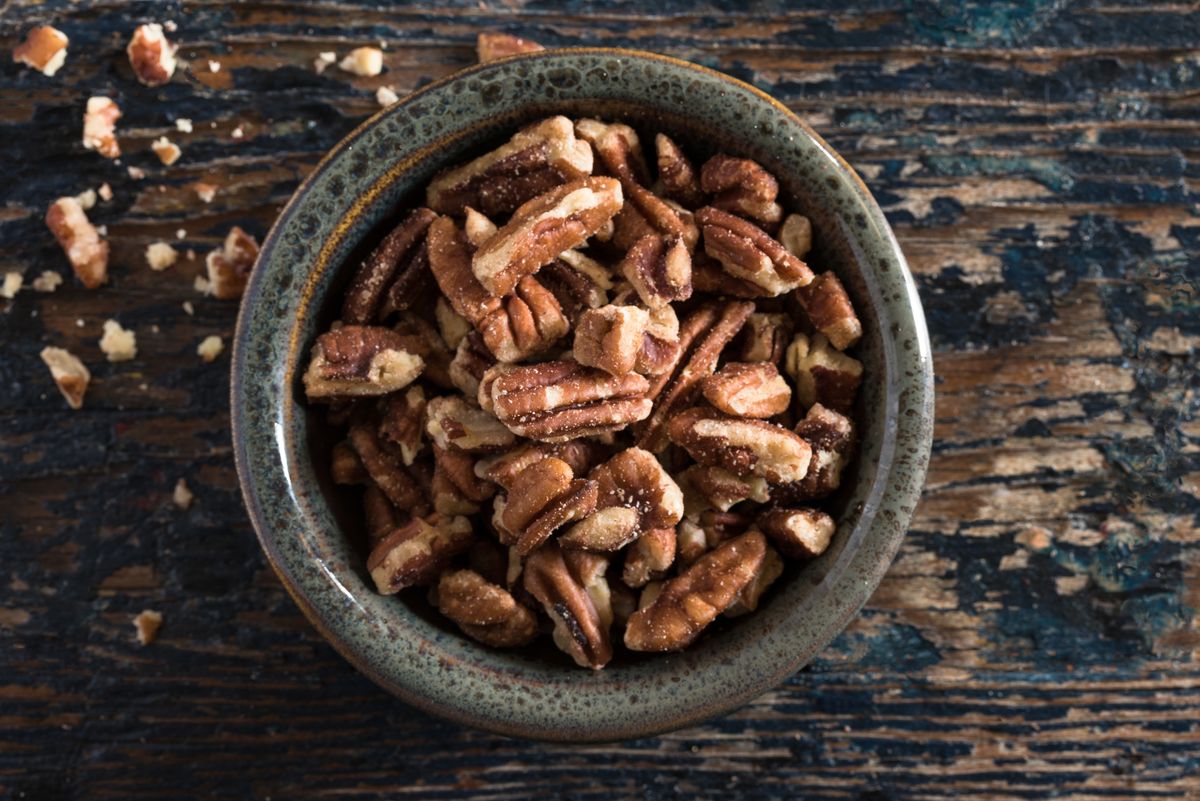
On the other hand, some businesses focus on a specific product as well as those that offer a wide range of products. For example, pecan tree has recently become very popular. Moreover, the Ministry of Agriculture and Forestry contributes to the establishment of walnut orchards by covering approximately 75% of the cost of saplings within the scope of support for the use of certified seedlings, and by granting 25% of the investment cost within the scope of special afforestation projects. For those who want to focus on a single product, there are many other alternatives like the Brazil nuts, olive oil, pomegranate syrup, and bone marrow broth.
- Food incubators: Food incubators are defined as centers that enable the development and growth of food-related initiatives at the start-up stage, providing financial support and creating social opportunities. A food incubator in Turkey: Maide Mutfak.
- An example from abroad: Chobani, founded by Hamdi Ulukaya and currently the second largest yogurt producer in the US, established the Chobani Incubator in 2016 to support small food startups. To date, the company has provided 47 startups with kitchens where they can test their technologies, have mentorship support, and the opportunity to benefit from the company's network.
- Innovation networks: Innovation networks focusing on food production and development bring together various startups and support their projects. An innovation network from Turkey: Kök Projekt.
- Courier: The latest trends in the world of food and drink.
- Oggusto: This year's gastronomy trends
- Food&Beverage Insider: What food products are inspiring consumers?
- 247Wallst: The technologies, products, and more that stood out this year, from restaurants to food production.
- Foodbizsuccess: All things food, with new topics every week.


