





In Kurtuluş, 2 + (1)


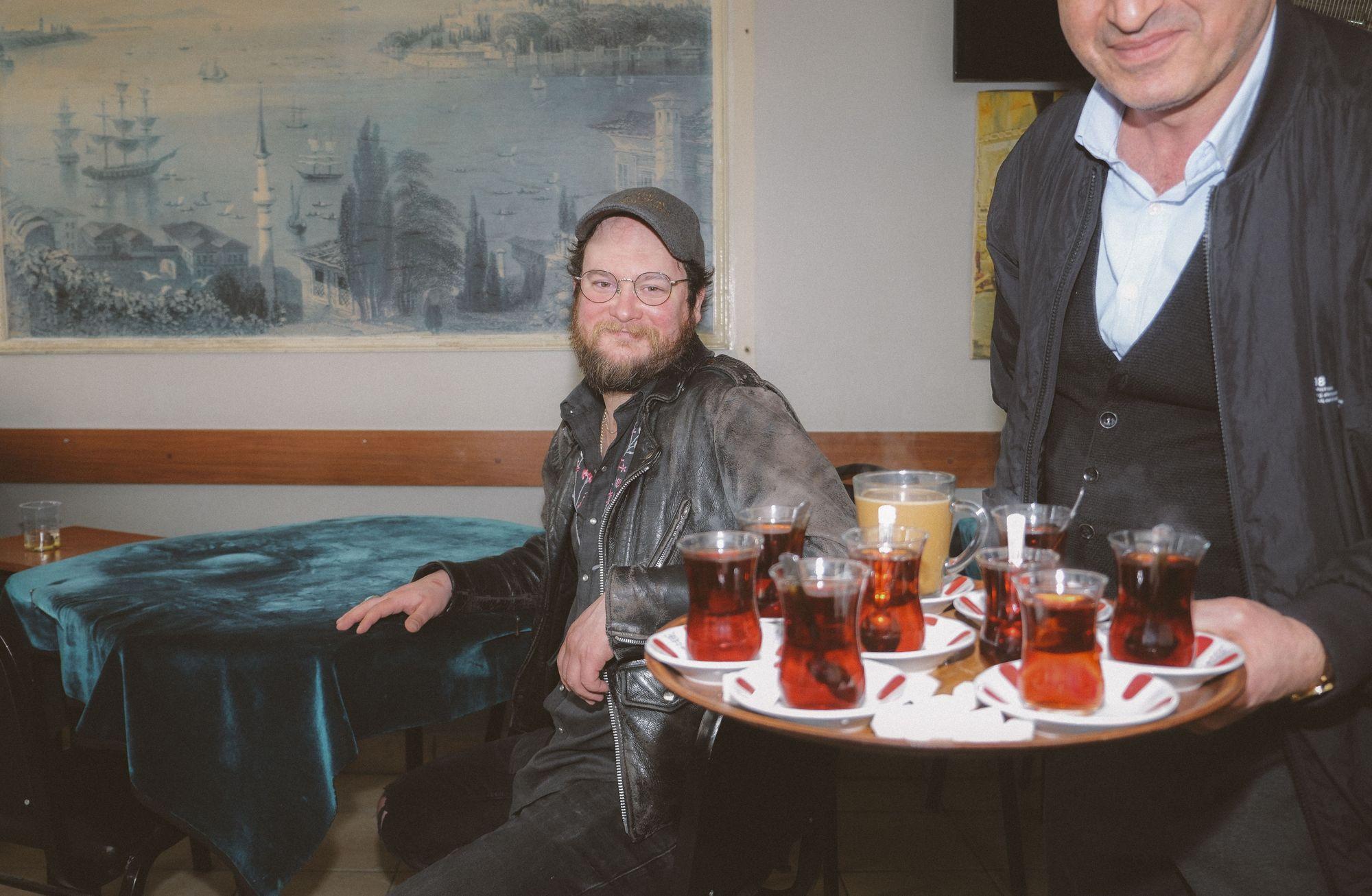
It's the beginning of February 2024, the weather in Istanbul has finally turned to winter after a period of alarming warmth, and the sidewalks that lie adjacent to the bustling Ergenekon Avenue between the quarters of Pangaltı and Kurtuluş have just been torn up and replaced with new pavement. These pedestrian walkways have long failed to be sufficient to sustain the foot traffic between Kurtuluş Avenue and the Osmanbey metro station, and in the rush hours of morning and evening, many people opt to weave their way through traffic rather than move forward at a snail's pace amid a claustrophobic stream of life where those in a hurry sidestep others who are in less of a rush.
Every now and then I think about where I would live in Istanbul if money was no object, and the answer always comes back to Kurtuluş, which I've called home for a decade. Would I trade my small two-bedroom apartment with a tiny balcony that looks out directly at another row of buildings for a more spacious flat in Cihangir or Moda with views of the sea? No, because that would mean abandoning what I believe is the most special neighborhood in the city, and the unique culture that thrives within it.
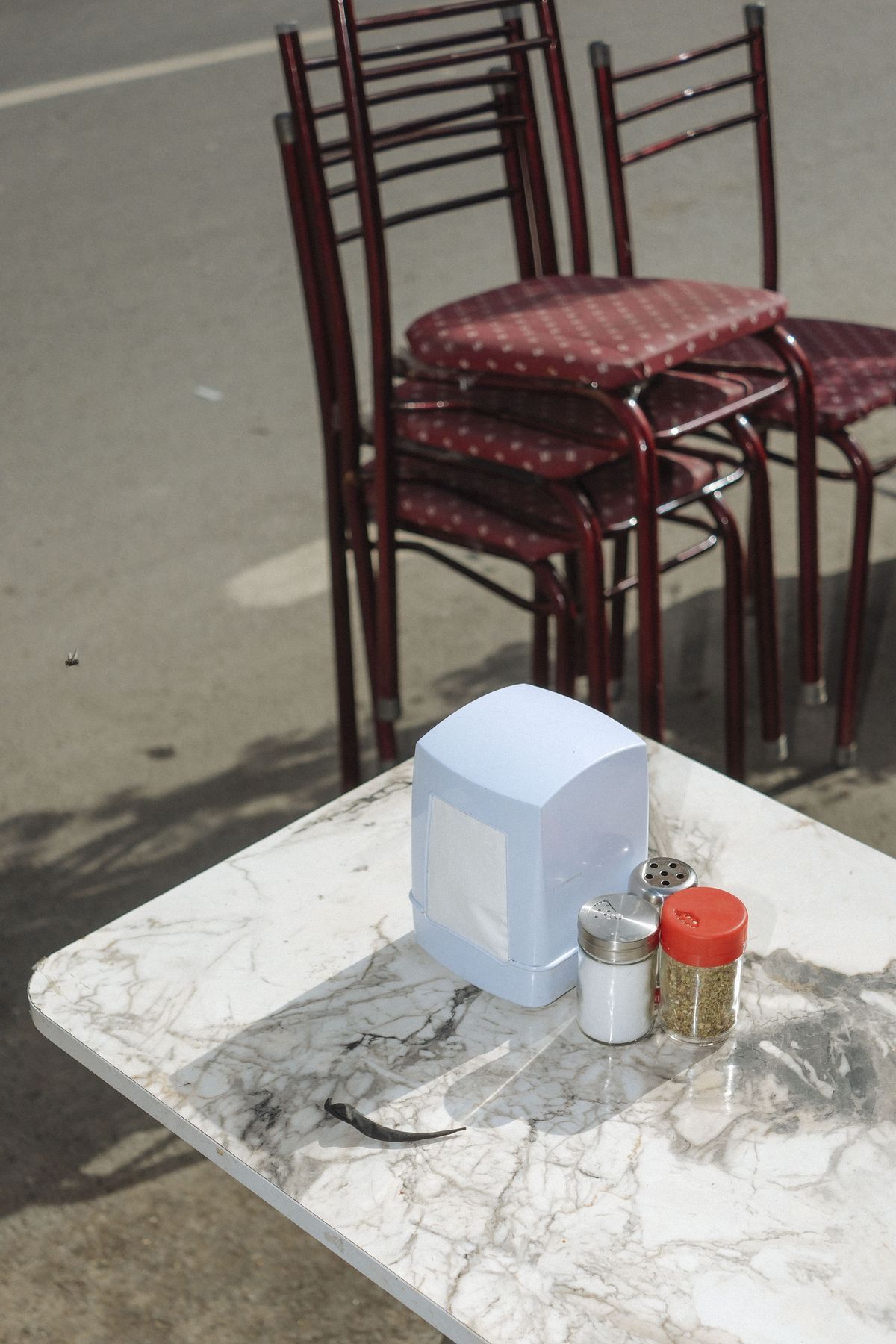
Kurtuluş is crowded, dense, and noisy. Public green space is nonexistent save for a few tiny parks here and there. It offers no panoramic views of the Bosphorus and much of its history was torched in a massive fire in 1929, though the main avenue and its parallel backstreets are dotted with gorgeous European-style buildings from the turn of the century. Even newer homes often feature exquisite wrought-iron doors with gleaming, golden hand-painted signs with the name of the apartment emblazoned above the entrance. For those willing to take a closer glance, Kurtuluş is full of charm and elegance that isn't as obvious as that of some of its neighbors.
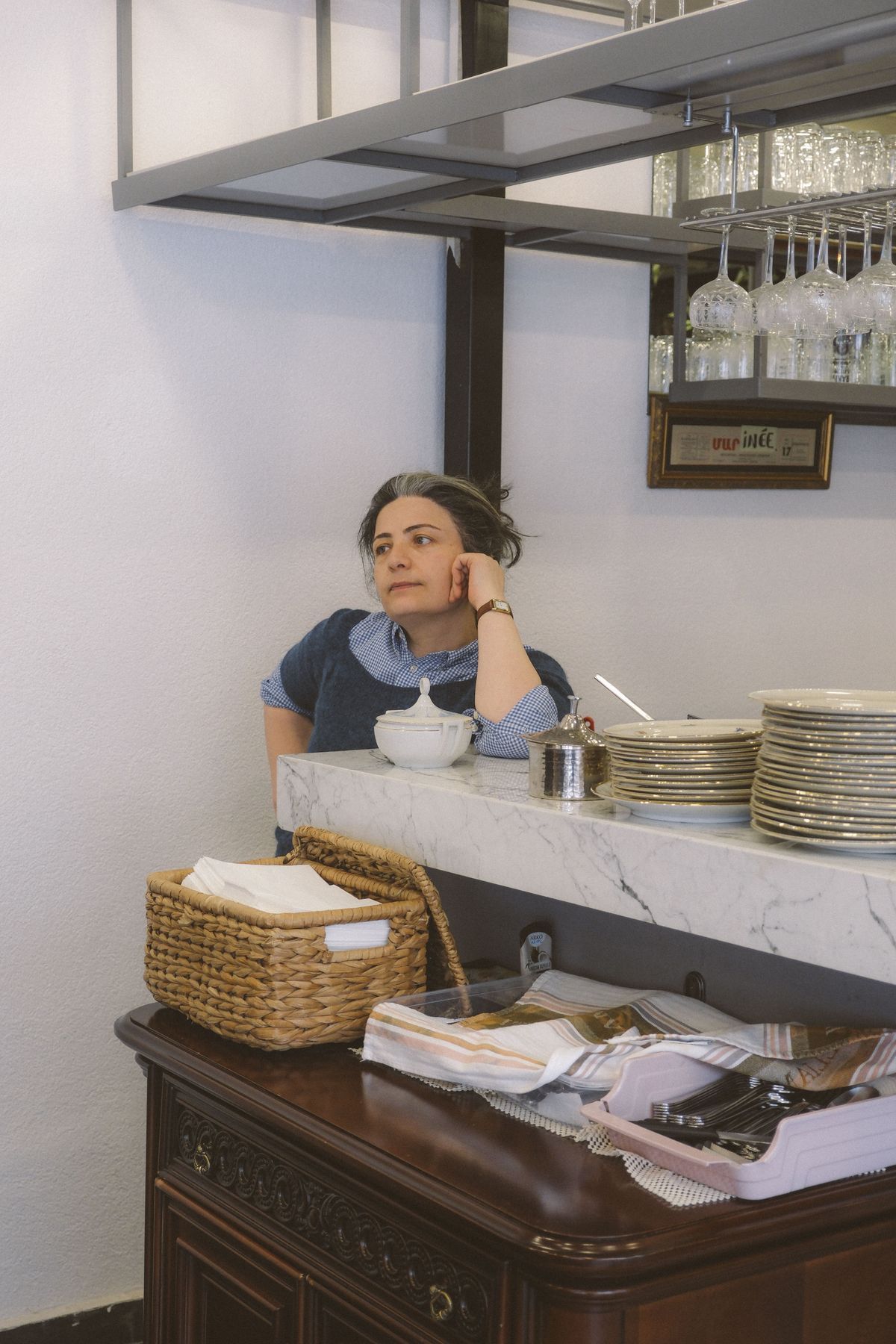
When I moved here in 2014, things were calmer. Ergenekon Avenue was still busy at times, but the parallel backstreets that extend into Feriköy were predominantly residential areas that had a sleepy, comfortable vibe. You had your neighborhood tailors, barbershops, antique stores, markets, and greengrocers, but that was about it. There were a few old-school meyhane spots, but no third-wave coffee shops or cocktail bars. Back then, one of the only bars at all was Pikap, which stands hidden in plain view in a corner at the beginning of Dolapdere Avenue across from the Osmanbey metro station and the Ramada Hotel. At first glance, Pikap looks like a smoky den of mostly men watching football matches, and sometimes that is the case, but the wonderful team that runs the place ensures that everyone is welcome and no one is disturbed, and as a result, the bar has become popular among a ragtag crowd of journalists, students, foreign nationals, and people from the LGBTQ community. It's the kind of place where you can nod off on your friend's shoulder after six drinks and not remember leaving, only to come back the next day when waiters will greet you warmly and shake your hand, mentioning nothing of the night before.
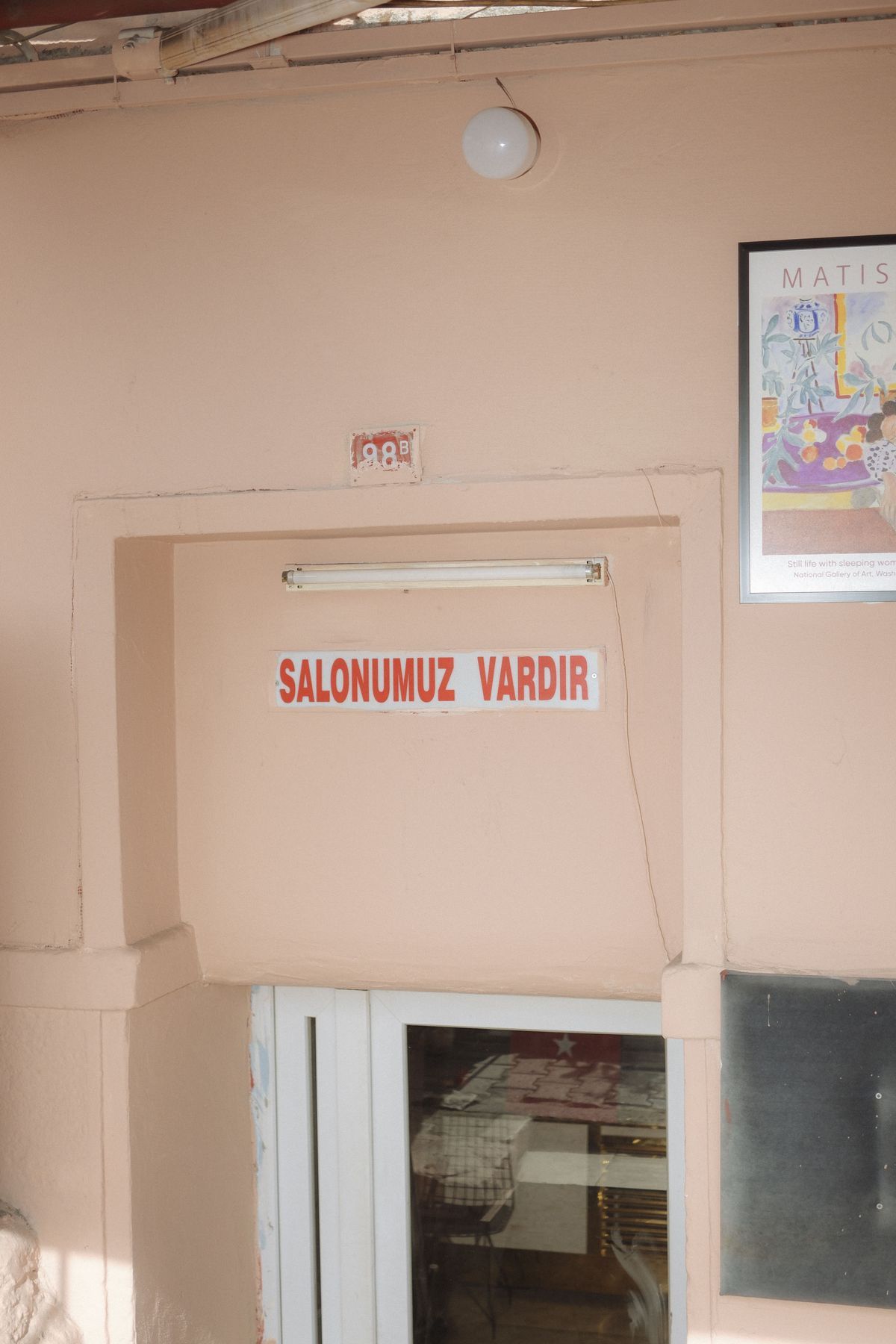
Today in the backstreets of Kurtuluş, there are dozens of coffee shops, restaurants, and bars that have all opened up within the past few years as the neighborhood has gained popularity. As a result, the traditional small business owners have declined in number and these streets have increased in foot traffic and noise. This isn't entirely a bad thing. The iconic Armenian chef Mari Esgici, who was known for her beloved Beyoğlu meyhane Mekan that closed down against its will in 2015, opened her restaurant Marinee here on Baruthane Avenue at the end of 2021, specializing in succulent brisket, ribs, and liver. She has since moved to a bigger location in a historic brick building on Kurtuluş Avenue, with a spacious outdoor patio and an expanded menu that features street food and cocktails.
“For me, Kurtuluş is completely the 'old Turkey' of my childhood and my life, here I find everything I search for,” Mari told me. She is something of a powerful force, and she knows everyone. Kurtuluş has warmly welcomed the bold ambition of her new venue. “The neighborhood is very happy because it is a nice and high-quality place. Around here there are more places serving lahmacun, döner or esnaf cooking, but this place is something else entirely. Different people even started coming from elsewhere,” she said.
In the place of the smaller Marinee, an excellent Georgian restaurant called Tiflisi has popped up, serving delicious staples of the country including khachapuri and khinkali. The owner is a Georgian woman who has lived in Istanbul for 30 years.
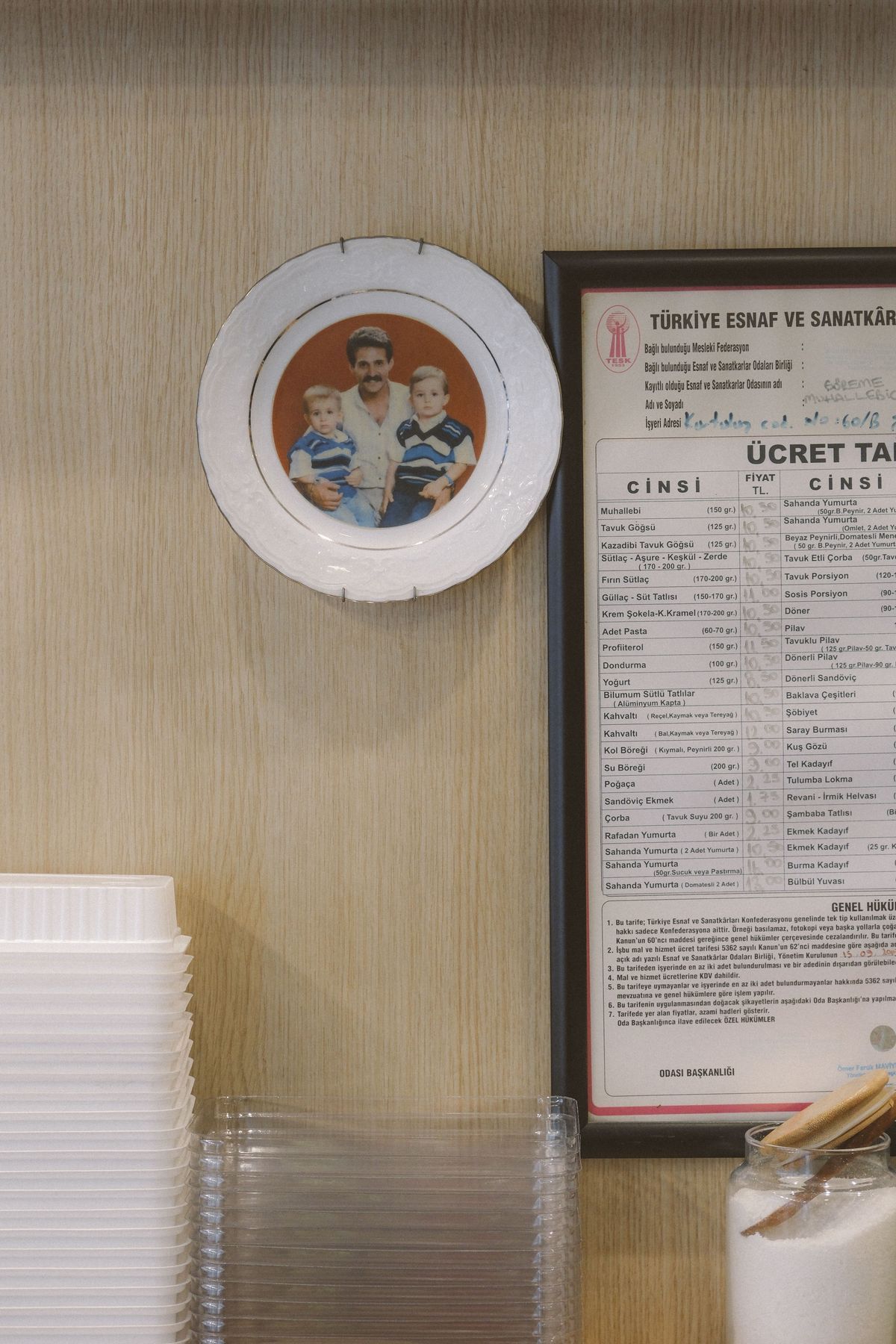
On Kurtuluş Avenue lies Göreme Muhallebicisi, a pudding shop that specializes in fantastic milk-based desserts and also serves excellent breakfast dishes such as menemen (lightly scrambled eggs with green pepper and tomatoes) and lunch staples such as tavuklu pilav (chicken over rice). Owner İlhan Yalçın's grandfather, who migrated from Central Anatolia to Kurtuluş, sold fresh milk door-to-door before his father opened Göreme in 1965. The half-century restaurant is a fixture of Kurtuluş, and everyone who is a regular knows İlhan as a friend. He waves to me from the counter every time I pass by on the street. Before İlhan got married, he lived in a small apartment in the same building right behind Göreme, and to this day he retains the space and uses it as an office.
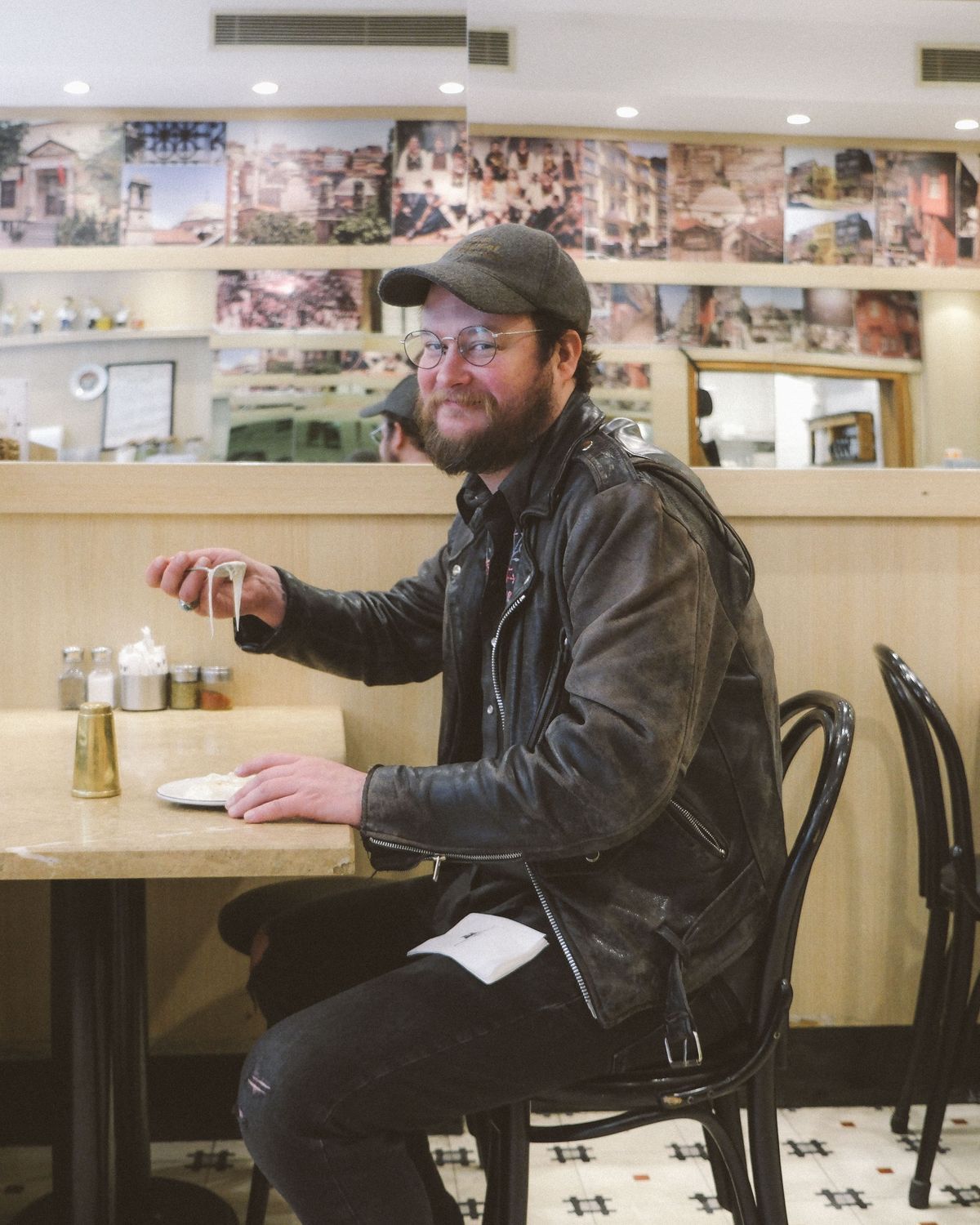
“Kurtuluş is my home. I grew up and attended elementary, middle, and high school here, eventually, this became my workplace. What's special for me is that the shop retains the same smells that I remember from my childhood,” Ilhan said, adding that many customers from the neighborhood share the same fond memories of coming to Göreme with their parents or grandparents when they were younger. He said his former teachers still come to the shop and that most of his classmates still live in the area. For İlhan, the neighborhood is like a treasure chest that has witnessed every phase of his life, with the shop being its most precious gem. So, it's not quite right to talk about İlhan merely as an esnaf or a shop owner; it's just like saying the dishes he serves in Kurtuluş carry traces of his life solely because of him.
Baruthane Avenue, in particular, has become host to several new establishments, but the legend of the street remains Nuray Güzel, an elderly Armenian woman from Diyarbakır who for years ran a precious restaurant called Ben u Sen that featured delicious, hearty and affordable home-cooked dishes with a southeastern Anatolia flavor, in particular her boiled içli köfte, pouches of seasoned ground beef upon which spicy chili oil is drizzled. She retired several years ago, but the space is now filled by a welcomed newcomer, the young and talented MasterChef Türkiye contestant Çağatay Akgül, who serves nothing but three elevated variations of çibörek, a deep-fried savory pastry filled with either spiced beef, blissfully soft potatoes or mouthwatering salty cheese.
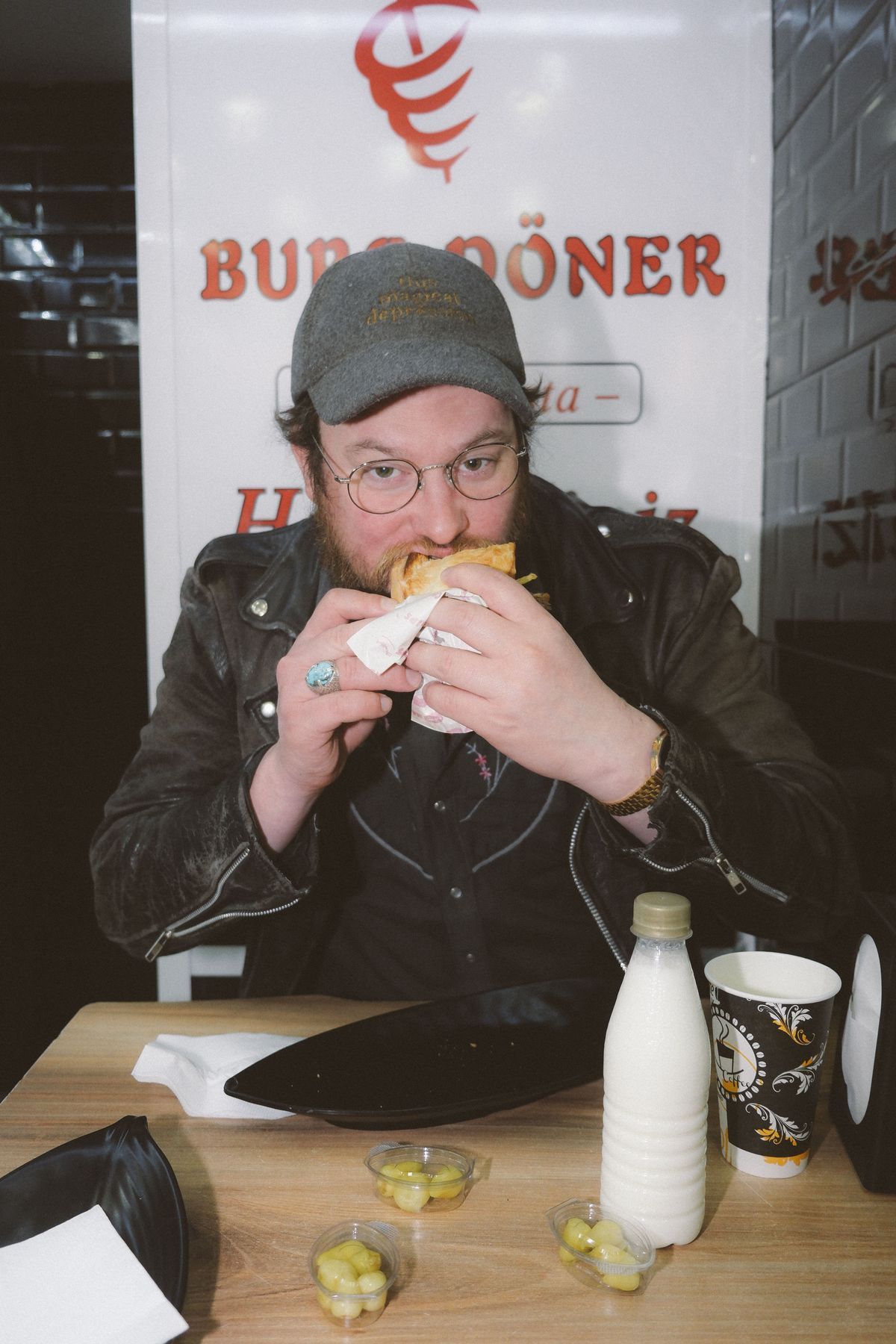
On the other side of Baruthane Avenue is Burç Döner, which churns out the best spit-roasted meat in the area. When I approach the street from my apartment wafts of the smoke from the small shop tantalize my nostrils from nearly half a block away. The owners are a family from Bitlis, some of whom previously worked at a shop of the same name in Osmanbey and eventually opened up their own tiny restaurant, where there are just a few tables and the döner always sells out by the early evening. To say that Burç Döner feeds a good chunk of the neighborhood daily wouldn't be an exaggeration.
Kurtuluş might also have the highest concentration of mezze shops of any neighborhood in Istanbul, and some of these have been around for years, such as Tadal, Tuşba, and Tuana. Before New Year's Eve, there are lines out the door with people who will take the mezze home and enjoy it with their family as part of their new year. We could even say this for many holidays and special occasions. Considering the neighborhood comes from various cultures, there's never a shortage of special days around here. In Kurtuluş, taking home some appetizers and sitting down at the table with the family is more than just a tradition; it's a mark of being part of the neighborhood. My favorite meyhane Müşterek in Beyoğlu opened a mezze shop in Kurtuluş during the pandemic after they realized that most of their customers live here. It has also become quite popular around the holidays. At home, a little meyhane of one’s own with Müşterek.
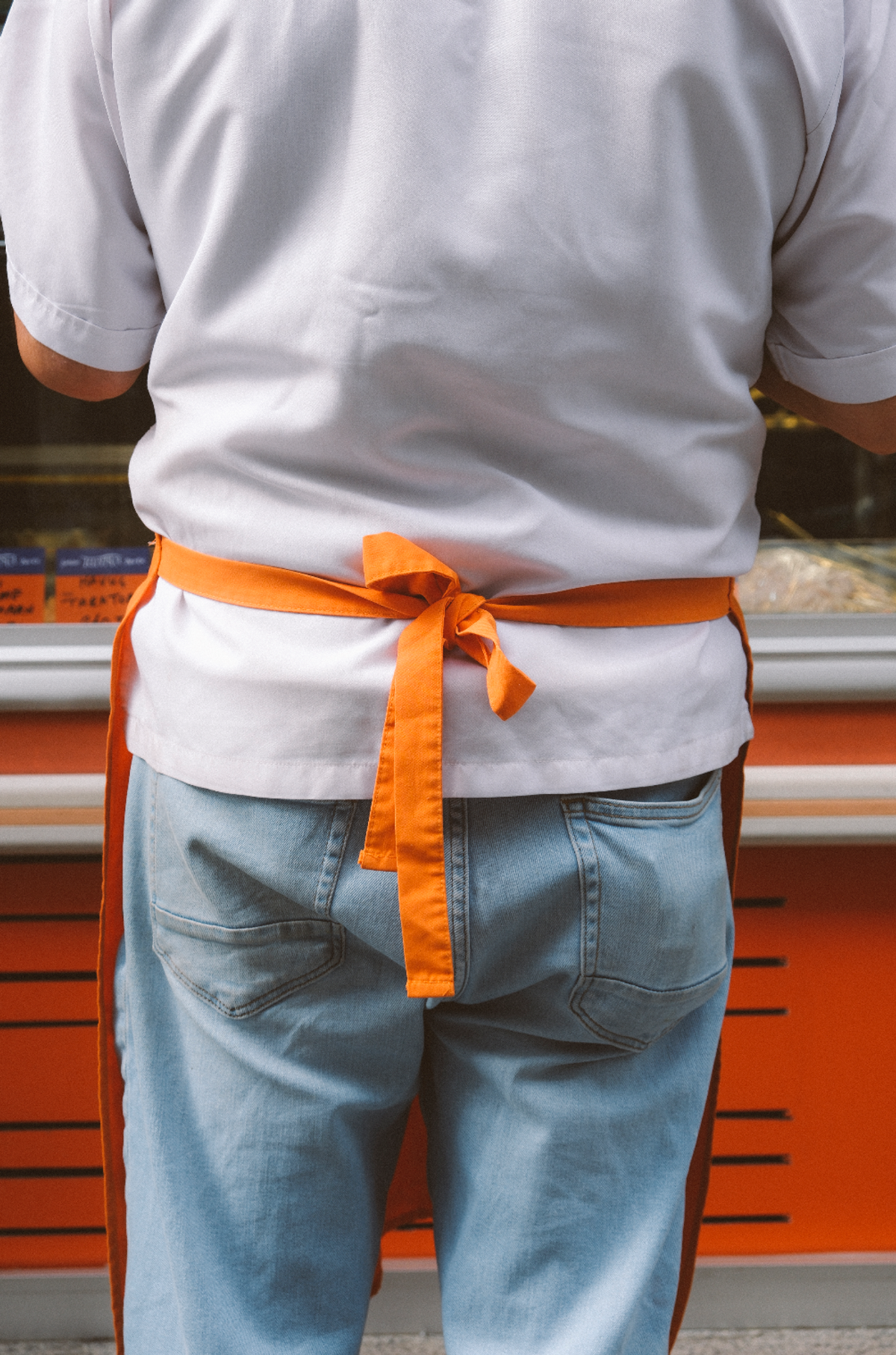
In the late '90s, as a young kid, Muhammed snuck onto a bus from Van to Istanbul. Lacking money for the ticket, he ended up working as a muavin (bus attendant) on the journey. Today, he's known as one of the standout merchants in Kurtuluş. Starting off, he worked at a cosmetics store on Kurtuluş Street, and then he and his brother ventured into opening a small tekel (liquor store) called Gözde. Now, his brother Süleyman manages the tekel, while Muhammed has been running Gözde Wine House on the same street since 2020. It's become one of the go-to wine shops in Istanbul, offering a unique selection of both local and international wines at fair prices, making it a local favorite.
It makes you wonder how many people in Istanbul truly know the stories behind the storefronts they pass daily in their neighborhoods and the cultural tapestry woven by these local entrepreneurs. It's this resilience against the constant change, more than just reminiscing or feeling blue, it's about the shared experience of the neighborhood spirit here in Kurtuluş, where people from all walks of life share more than just a space, but a sense of community, just like the good old days.
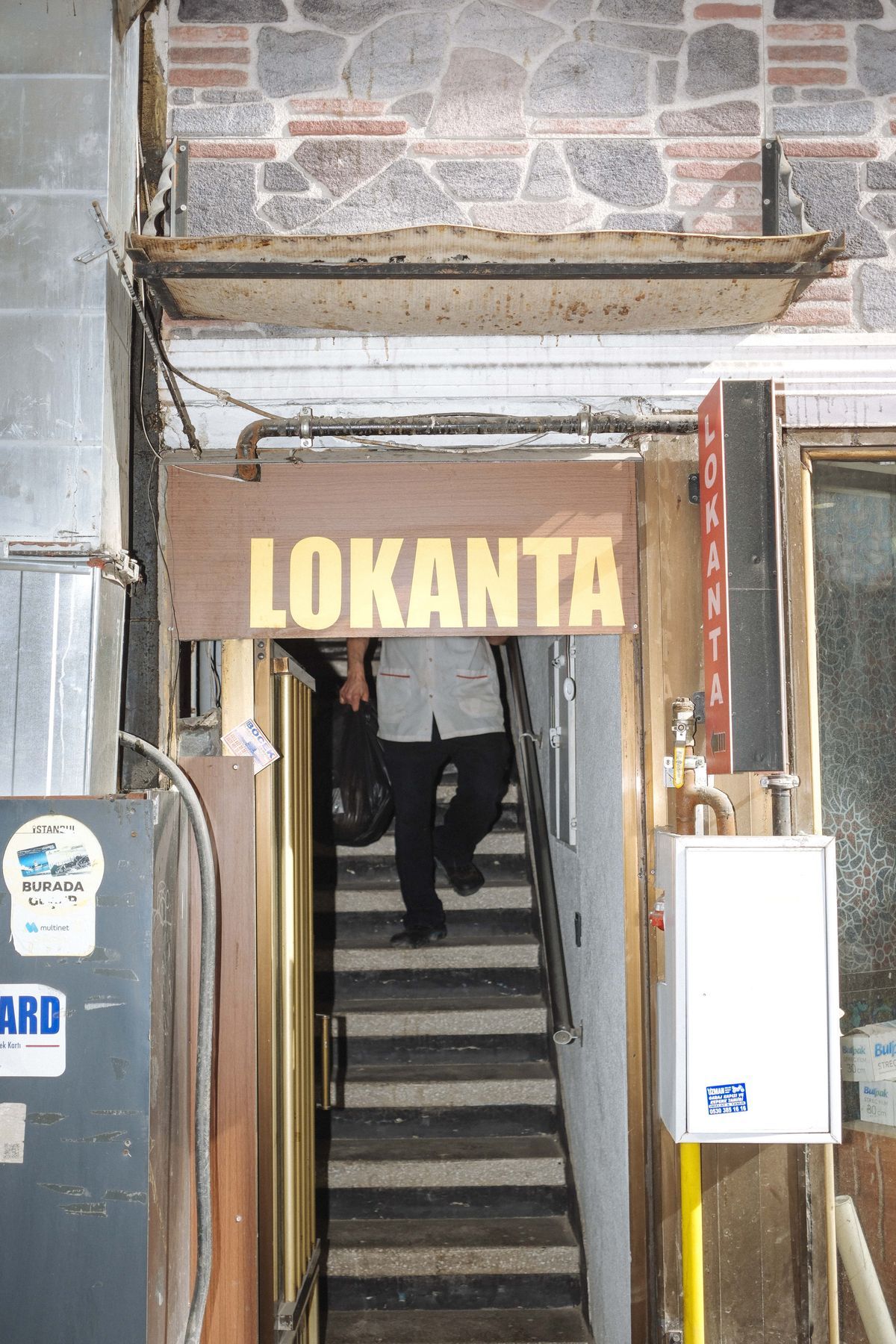
İlhan, Mari, Muhammed… In Kurtuluş, many esnaf have become my friends, even confidants. I'm more than a customer; they are more than someone providing a service. I can leave a spare set of keys with them, or if I'm in a pinch there are people I could call who would drop what they are doing and do whatever they can to help me, and they know that I would do the same. This neighborhood thrives on trust, quality, attention to detail, and respect for people from all walks of life. Maybe that's why, in Istanbul, I wouldn't trade my two-bedroom apartment in Kurtuluş for anything. It's not just a place with two bedrooms and a living room that opens up to the neighborhood; it's a home. I hope that even if everything else changes, the sense of community stays the same. Not just window to window, but heart to heart, from “kolay gelsin” to “afiyet olsun.”
Editor’s note:
Kolay gelsin: Literally translating to "may it come easy," this phrase is a kind expression wishing someone ease in their endeavors, like “take it easy”.
Afiyet olsun: A traditional saying before or after a meal, equivalent to "enjoy your meal," conveying good wishes for the dining experience.
Paul's story of building his home in Kurtuluş through neighborhood connections is featured in Soli's inaugural print edition. Stay tuned.


Kaydet

Okuma listesine ekle
Paylaş
NEREDE YAYIMLANDI?

We're exploring the community of shopkeepers and locals in Kurtuluş, famous for its dense concentration of mezze shops. Then, we jump to the neighboring Feriköy, with our shopping list at hand, because it's time to hit the market.
25 Mar 2024
YAZARLAR
Paul Benjamin Osterlund
Serbest gazeteci ve yazar. 14 yıldır İstanbul’da yaşayan Osterlund, kendini “şehir gezgini ve tutkulu bir gurbetçi İstanbullu” olarak tanımlıyor.

Soli
Istanbul based urban culture magazine documenting cities through their neighborhoods and communities.
İLGİLİ OKUMALAR