





Davos sans AI


 Pareto
İş dünyasından içgörü, sektör analizleri ve gelecek öngörüleri her pazartesi ve perşembe e-posta kutunuzda.
Climate crisis: At the World Economic Forum, leaders discussed creating positive impact with a proactive approach rather than merely reacting to the effects of climate change on the business world. It's fair to say that industries and companies are largely held responsible for climate change. Leaders also admitted experiencing negative effects on company profits due to extreme weather events. It was evident that the business world needs to reshape its practices in response to the risks of climate change.
The "regeneration" approach requires reshaping business models and supply chains rather than merely reducing risks. Companies like Patagonia are at the forefront of this approach by adopting regenerative organic practices in their production processes. However, this is a challenging process. While there is an appetite for change, only 16% of global leaders believe their organizations are ready for it. Leaders acknowledge that building a business model reliant on finite natural resources is a bad idea and emphasize the need for significant transformation.
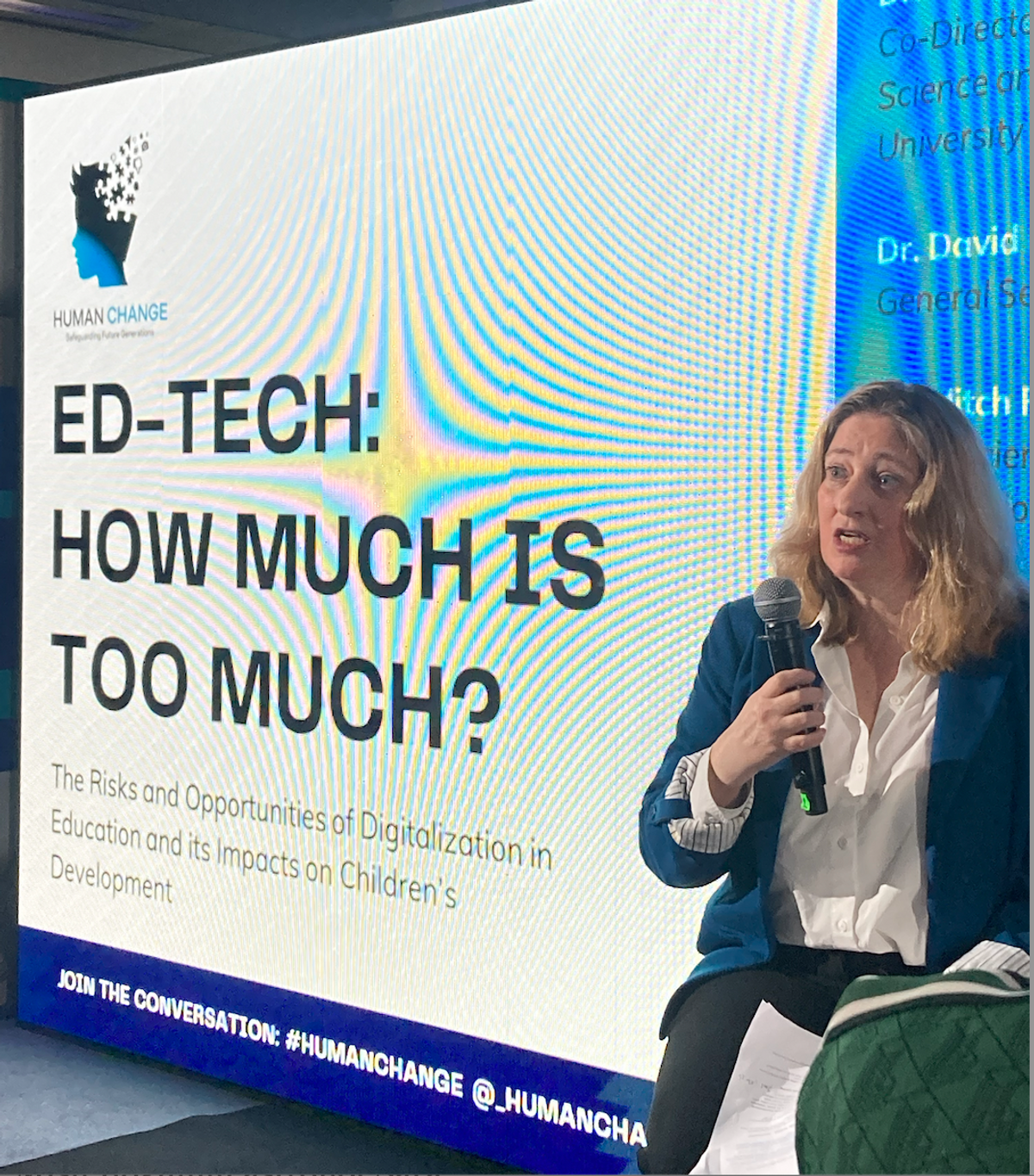
The future of education and digitalization: One of the most debated topics in the education industry was the relationship young people have with screens and its implications for teachers, students, and parents. It was discussed that screen time measurement is actually a narrow metric, and students' social intelligence is rapidly declining due to screens, with teachers unsure how to address this issue. Alongside artificial intelligence, there was a consensus that education needs to transform, and teachers need to be equipped with different programs to adapt to this transformation.
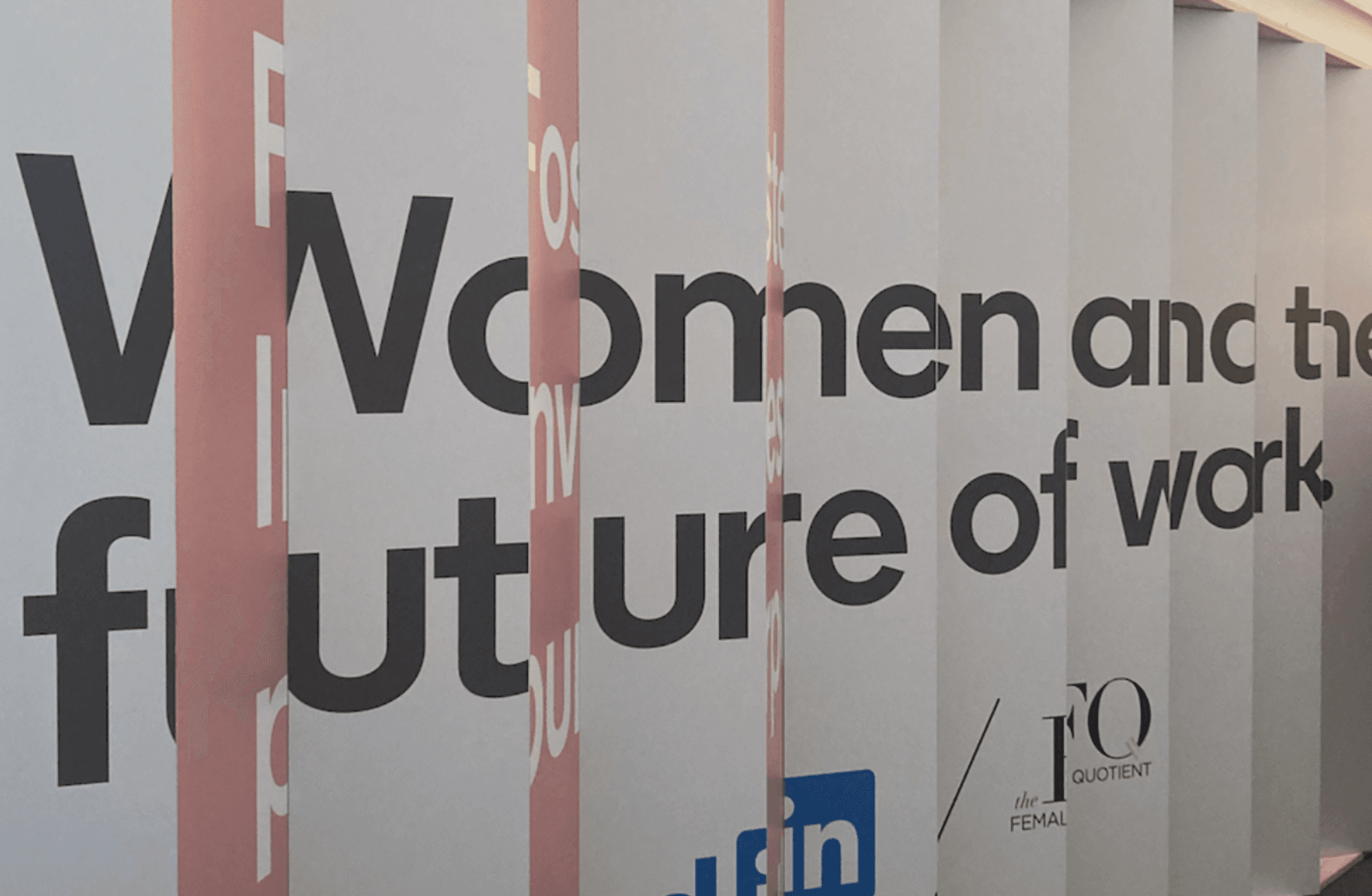
Gender equality: At the Davos Women Agenda and Equality Lounge, discussions revolved around how Davos' goal of gender equality by 2035 could be set back. In these two settings, various figures from different industries such as media, consulting, and technology discussed how companies can create policies for gender equality.
The future of work: In the Gen AI era, the future of work is rapidly shifting from business-centric models to skill-centric models. Companies, along with advancements in Gen AI, are realizing the need for skill development and reskilling to adapt to the changing landscape. However, there is a significant gap in education adequacy between managers and employees. According to a discussion based on the Mercer Global Talent Trends 2024 research, only 45% of employees trust that their organizations will provide them with the necessary skills. As Gen AI is embraced, redesigning work for the future and providing continuous learning opportunities for employees will become increasingly important.
Mental health: Another significant topic highlighted at this year's events was mental health. Speakers brought attention to mental health practices, particularly focusing on developing alternative investments outside the Western paradigm. Panelists expressed expectations for increased investment in mental health in the future. It was also emphasized that more resources need to be allocated to research and development in mental health in the coming years. Davos 2024 provided an important platform to raise awareness of mental health and offer solutions.


Kaydet

Okuma listesine ekle
Paylaş
Paretoİş dünyasından içgörü, sektör analizleri ve gelecek öngörüleri her pazartesi ve perşembe e-posta kutunuzda.
NEREDE YAYIMLANDI?

Highlights from the 54th Annual Meeting of the World Economic Forum at Davos. Scaling the summit by AI, a lunch with Sam Altman, and everything else.
22 Mar 2024

YAZARLAR

Sinem Uğurdağ
Aposto COO'su.

Pareto
İş dünyasından içgörü, sektör analizleri ve gelecek öngörüleri her pazartesi ve perşembe e-posta kutunuzda.
İLGİLİ OKUMALAR
"Ödünç dikkat çağı" bugünlerde yeni bir şey gibi paketleniyor ama neredeyse reklamcılık kadar eski bir tartışma bu. Öte yandan viral akımlar, memler, trend sesler, influencerlar çağında araştırmalar, ödünç dikkatin kapıyı açsa da alışkanlık yaratmadığını da gösteriyor. Peki bu tartışmaların ortasında reklamcılıktan elde kalan ne? Bunun cevabı şeffaf süreçler, doğrulanabilir sonuçlar, kanıtlar ve gerçek insan emeğinde yatıyor.

Eskiden yalnızca satın alınan ürünleri taşımak için kullanılan bez çantalar, bugün tüketiciler için bir statü sembolüne, markalar için ise maliyetsiz bir reklam aracına dönüşüyor. Giderek daha fazla işletme, esas faaliyet alanının dışına çıkarak bez çantalardan tişörtlere, şapkalardan kupalara kadar uzanan “merch” koleksiyonları oluştururken bir dönemler ücretsiz dağıtılan bu promosyon ürünleri, tüketicilerin para ödemeye gönüllü olduğu yeni bir pazar yaratıyor.

Ortadoğu'daki savaşın tetiklediği akaryakıt krizi, elektrikli otomobillere yönelik talebi yeniden artırırken sektördeki dengeleri de değiştiriyor. Son bir yılda elektrifikasyon yatırımlarını küçülten otomobil devleri, yükselen talep ve Çin’deki üreticilerin güçlenen rekabeti karşısında gelecek stratejilerini yeniden değerlendirmek zorunda kalıyor.

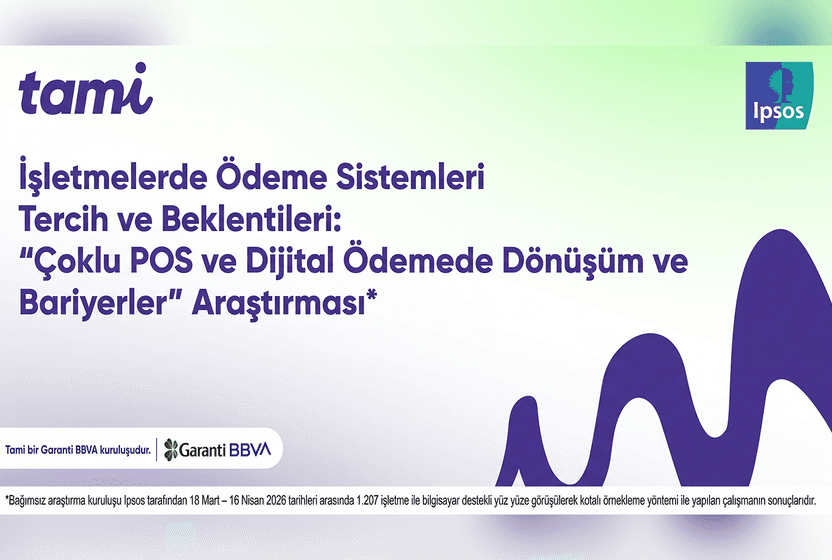
Dijital ödeme çözümleri, her geçen gün daha da yaygınlaşırken işletmelerin bu çözümlere yaklaşımında güven, kullanım kolaylığı ve sağlanan somut fayda belirleyici hâle geliyor. Yakın tarihte Garanti BBVA’nın kuruluşu Tami’nin ve Ipsos Türkiye’nin işbirliğinde gerçekleşen çalışma da işletmelerin dijital ödeme çözümlerine açık olduğunu, fakat dönüşümün esas anahtarının güven olduğunu ortaya koyuyor.
12 Eki 2026
Tüketicilerin kredi kullanım tercihleri son yıllarda nasıl değişti, Türk bankacılık sektörü para politikası kararlarına nasıl uyum sağlıyor ve finansal teknolojiler alanında faaliyet gösteren girişimlerin büyümesinin önündeki başlıca sorunlar neler? TeklifimGelsin Kurucu Ortağı ve CEO’su İhsan Cem Zararsız, kredi piyasasındaki gelişmeleri, bankaların dijitalleşme sürecini ve Türkiye’de girişimlerin finansmana erişimde yaşadığı sorunları Aposto okurları için anlattı.