



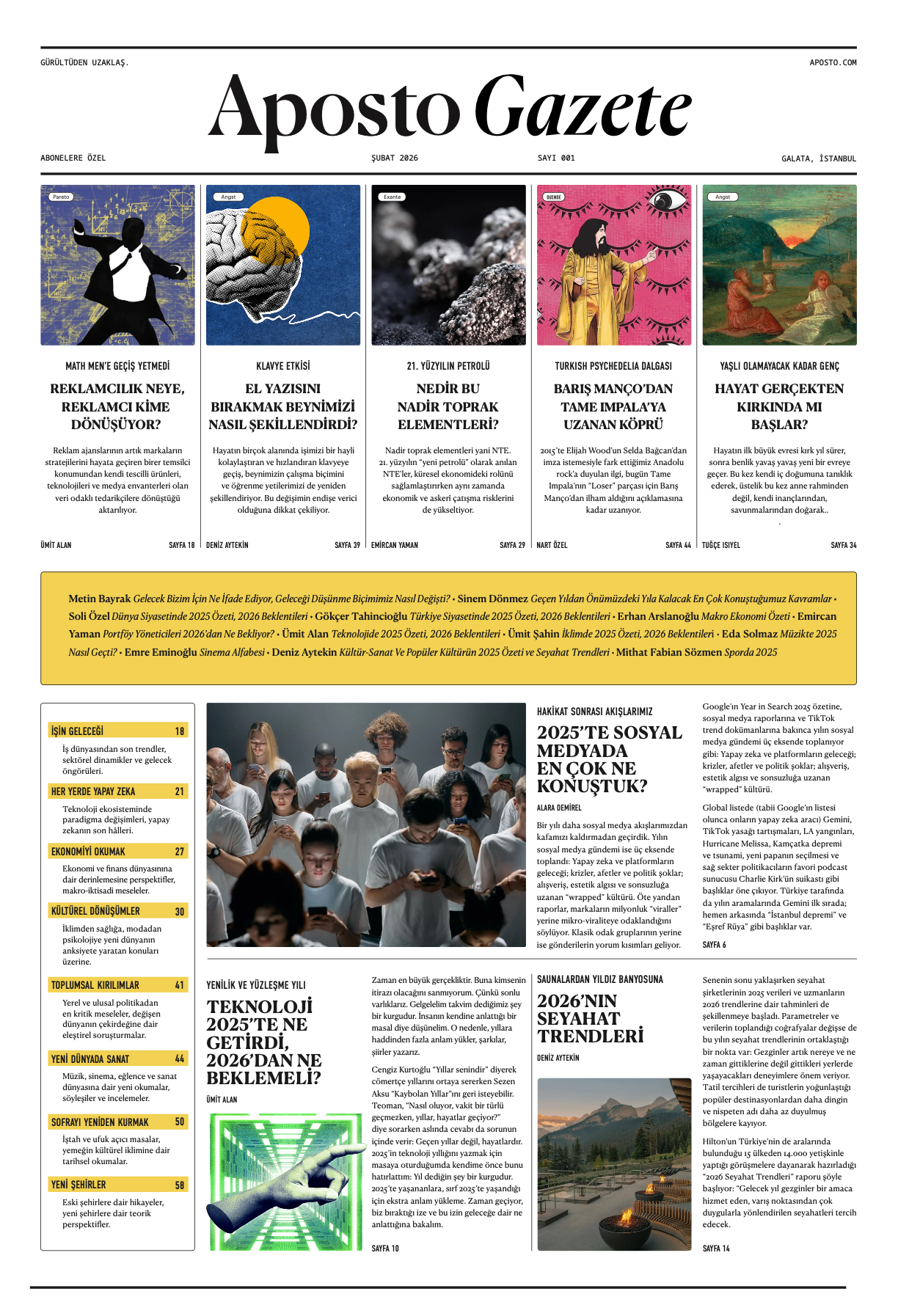


How did AI conquer Davos?


 Pareto
İş dünyasından içgörü, sektör analizleri ve gelecek öngörüleri her pazartesi ve perşembe e-posta kutunuzda.
World Economic Forum Annual Meeting 2024 was held in the city of Davos, Switzerland on January 15-19, with over 3,000 public figures, politicians, and leaders gathered to focus on "rebuilding trust" in an environment of uncertainty and rapid change. The topics that shaped the discussions around the meeting were:
- Security and cooperation in a fractured world,
- Growth and jobs for a new era,
- Artificial intelligence as a driving force,
- Long-term strategy for climate, nature and energy
However, at its core, Davos 2024 served as a global leaders' summit that underscored the significance of AI. The International Monetary Fund's (IMF) report titled "Gen-AI: Artificial Intelligence and the Future of Work" raised serious concerns about the future of the business world by revealing that AI could lead to job displacements in advanced economies. Leaders like Sam Altman, CEO of OpenAI, and Klaus Schwab, founder of the World Economic Forum, emphasized the importance of unveiling the mystery surrounding AI and equipping people with the skills to benefit from its advantages.
The "2024 Global Risks Report" published by the World Economic Forum just before the summit, served as a guide for Davos. It outlined the tone and themes of the discussions preceding the gathering of global leaders in what was predicted to be a year of elections worldwide. Before delving into Davos, it's beneficial to analyze this report and the global risks it identified.
Despite numerous global issues on the agenda during the summit, discussions predominantly revolved around artificial intelligence. However, the report didn't just highlight risks associated with AI but also drew attention to critical risks such as climate change, warfare, and economic fragility. Additionally, it called for global leaders to collaborate and take preemptive measures against compound risks that strain adaptation capacities worldwide.
Saadia Zahidi, the Managing Director of the World Economic Forum, emphasizes, "World leaders must come together not only to find solutions to short-term crises but also to lay the foundations for a more resilient, sustainable, and inclusive future."
According to the report, artificial intelligence ranks among the top 10 risks that could emerge within the next two years due to its potential to exacerbate social polarization through the dissemination of misinformation. Carolina Klint, Chief Commercial Officer for Europe at Marsh McLennan, suggests that advancements in artificial intelligence will radically alter the risk landscape for organizations and enable the construction of models that could influence voter behavior.
However, discussions at Davos didn't solely revolve around risks associated with AI; opportunities were also a focal point. In a panel featuring CEOs from major corporations like Deloitte and Sanofi, the impact of AI on workplace productivity and the evolution of business scenarios were examined. French President Emmanuel Macron particularly highlighted the need to create jobs in green sectors and adapt education systems to meet the demands of a job market increasingly influenced by AI in the future. Discussions during "The Race to Reskill" session revolved around how technology could expedite the development of new skills.
Other sessions at Davos 2024 addressed AI's impact on creativity, the need for ethical considerations, and balancing innovation with risks. While the Forum underscored the prevalence of AI in modern society and its potential to reshape economies and societies, it also emphasized the importance of balanced governance and ethical approaches in skill development.
After listening to numerous speeches, I can assert that one of the most prominent recommendations for companies was to optimize their workflows and utilize artificial intelligence for efficiency. It was discussed that AI could initially be employed for communication flows in customer relations and sales departments and gradually be integrated into all departments. While it's currently a trend for almost everyone to incorporate AI into their products, the real value lies in integrating AI into a company's workflows.


Kaydet

Okuma listesine ekle
Paylaş
Paretoİş dünyasından içgörü, sektör analizleri ve gelecek öngörüleri her pazartesi ve perşembe e-posta kutunuzda.
İLGİLİ BAŞLIKLAR
NEREDE YAYIMLANDI?

Highlights from the 54th Annual Meeting of the World Economic Forum at Davos. Scaling the summit by AI, a lunch with Sam Altman, and everything else.
22 Mar 2024

YAZARLAR

Sinem Uğurdağ
Aposto COO'su.

Pareto
İş dünyasından içgörü, sektör analizleri ve gelecek öngörüleri her pazartesi ve perşembe e-posta kutunuzda.
İLGİLİ OKUMALAR
Ortadoğu'daki savaşın tetiklediği akaryakıt krizi, elektrikli otomobillere yönelik talebi yeniden artırırken sektördeki dengeleri de değiştiriyor. Son bir yılda elektrifikasyon yatırımlarını küçülten otomobil devleri, yükselen talep ve Çin’deki üreticilerin güçlenen rekabeti karşısında gelecek stratejilerini yeniden değerlendirmek zorunda kalıyor.

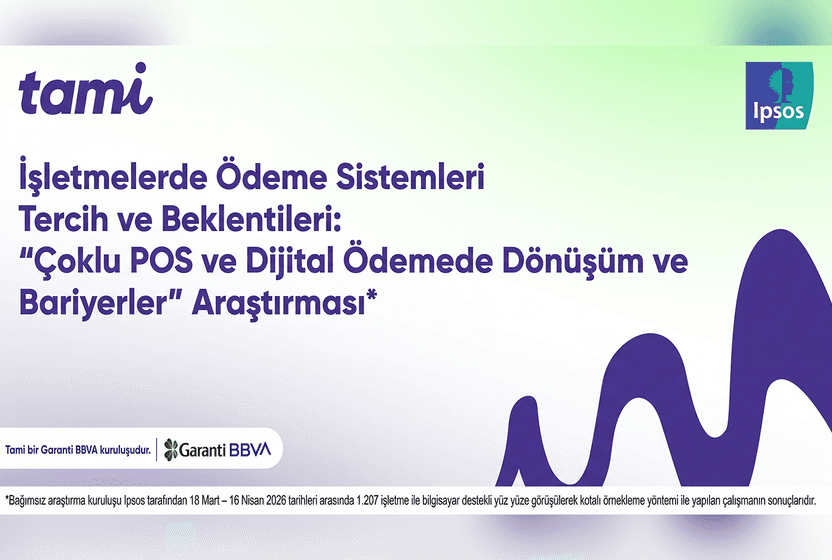
Dijital ödeme çözümleri, her geçen gün daha da yaygınlaşırken işletmelerin bu çözümlere yaklaşımında güven, kullanım kolaylığı ve sağlanan somut fayda belirleyici hâle geliyor. Yakın tarihte Garanti BBVA’nın kuruluşu Tami’nin ve Ipsos Türkiye’nin işbirliğinde gerçekleşen çalışma da işletmelerin dijital ödeme çözümlerine açık olduğunu, fakat dönüşümün esas anahtarının güven olduğunu ortaya koyuyor.
12 Eki 2026
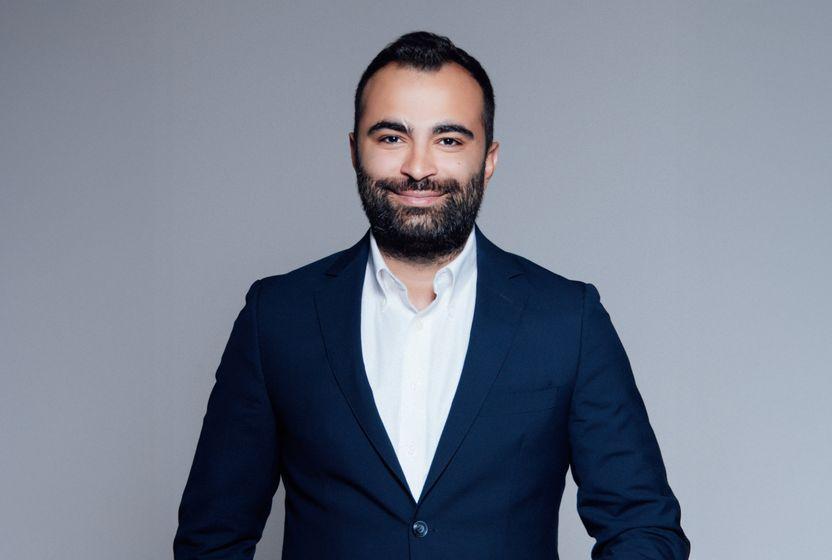
Tüketicilerin kredi kullanım tercihleri son yıllarda nasıl değişti, Türk bankacılık sektörü para politikası kararlarına nasıl uyum sağlıyor ve finansal teknolojiler alanında faaliyet gösteren girişimlerin büyümesinin önündeki başlıca sorunlar neler? TeklifimGelsin Kurucu Ortağı ve CEO’su İhsan Cem Zararsız, kredi piyasasındaki gelişmeleri, bankaların dijitalleşme sürecini ve Türkiye’de girişimlerin finansmana erişimde yaşadığı sorunları Aposto okurları için anlattı.
Türkiye’de otomotiv pazarı, 2026’nın son çeyreğine frene basarak girdi. Eylül rakamları, sektörle ilgili aylık düşüşten çok daha fazlasını anlattı. Toplam pazar, yıllık bazda %24’ün üzerinde daralırken sektörde yaşanan baskının tüketici için fırsat olup olmayacağı sorusu da gündeme taşındı.

Teknoloji birçok alanda sonuca ulaşmayı kolaylaştırırken ustalığın değeri artık yalnızca bir işi yapabilmekte değil; neyin iyi olduğunu ayırt etmekte, doğru kararı verebilmekte ve yıllar içinde biriken deneyimi yeni araçlara uyarlayabilmekte yatıyor. Ustalık kaybolmuyor; biçim değiştiriyor.