




Lunch with Sam Altman at Davos


 Pareto
İş dünyasından içgörü, sektör analizleri ve gelecek öngörüleri her pazartesi ve perşembe e-posta kutunuzda.
When Sam Altman arrived at Axios' doorstep with his armored car and an intimidating security detail, he was Davos' most powerful figure in everyone's eyes. However, the moment he stepped inside, that perception began to wane. But let's rewind a bit.
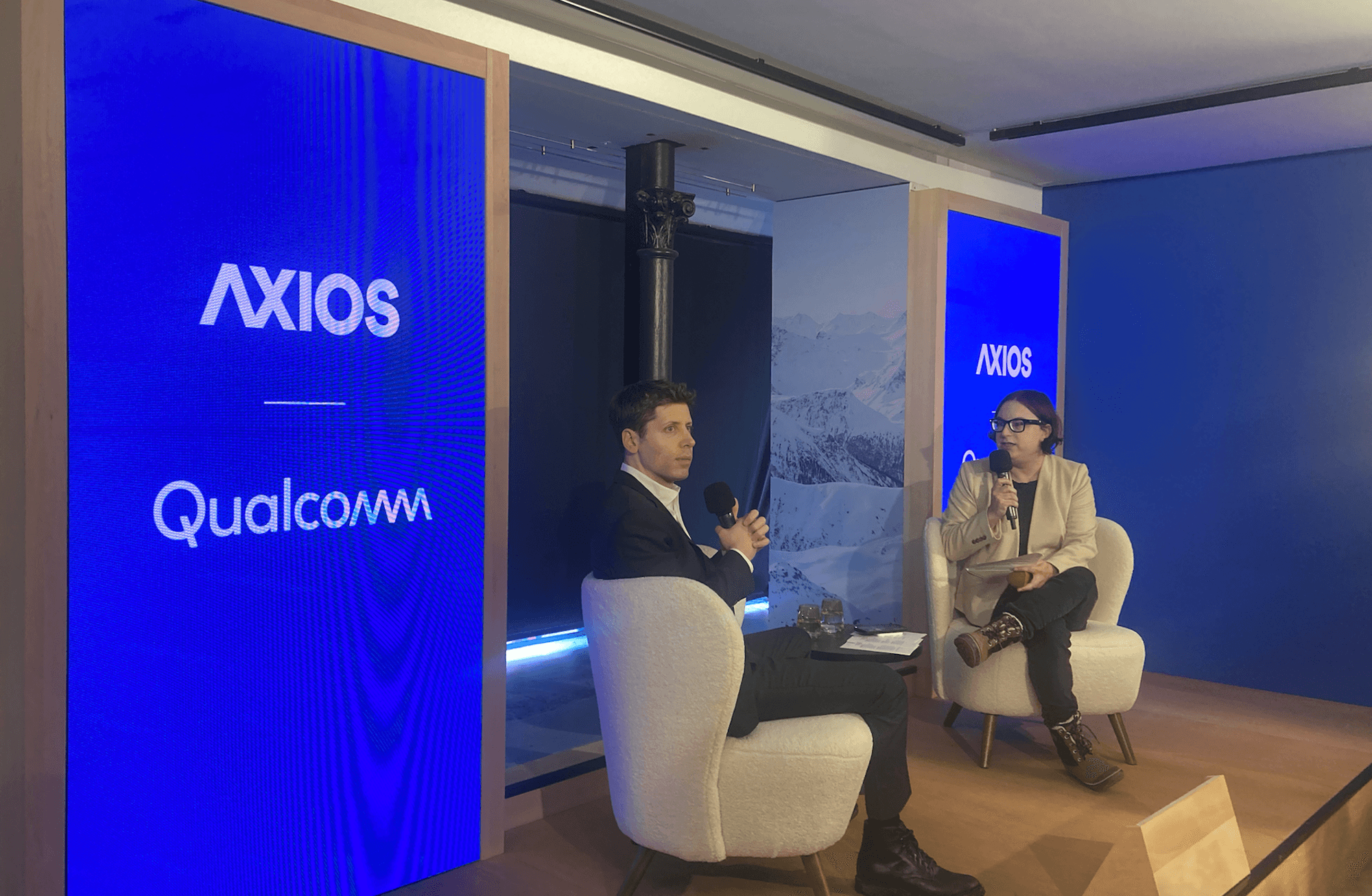
Last year's hottest topic was Sam's departure from OpenAI and the chaos that ensued upon his return. Artificial intelligence, which deeply affects all industries in the world and prompts us (pun not intended) to question the future of work at every level, naturally raises the question of how to manage this great power. The intimate discussion with 25 people at Sam Altman's Axios home was a highlight of Davos as it provided clues to how he approaches some of these questions.
The first question asked was what Sam had learned from 2023. Responding more like a product manager or research lead than a CEO, Altman mentioned that they had enough information to develop the next model, but there wasn't anything different from previous years in terms of what concrete thing they wanted to accomplish this year. He mentioned working on increasing the general intelligence level for the next version of ChatGPT; he talked about how the model could become even more complex. However, his tone and approach seemed almost rehearsed, like reciting a memorized text.
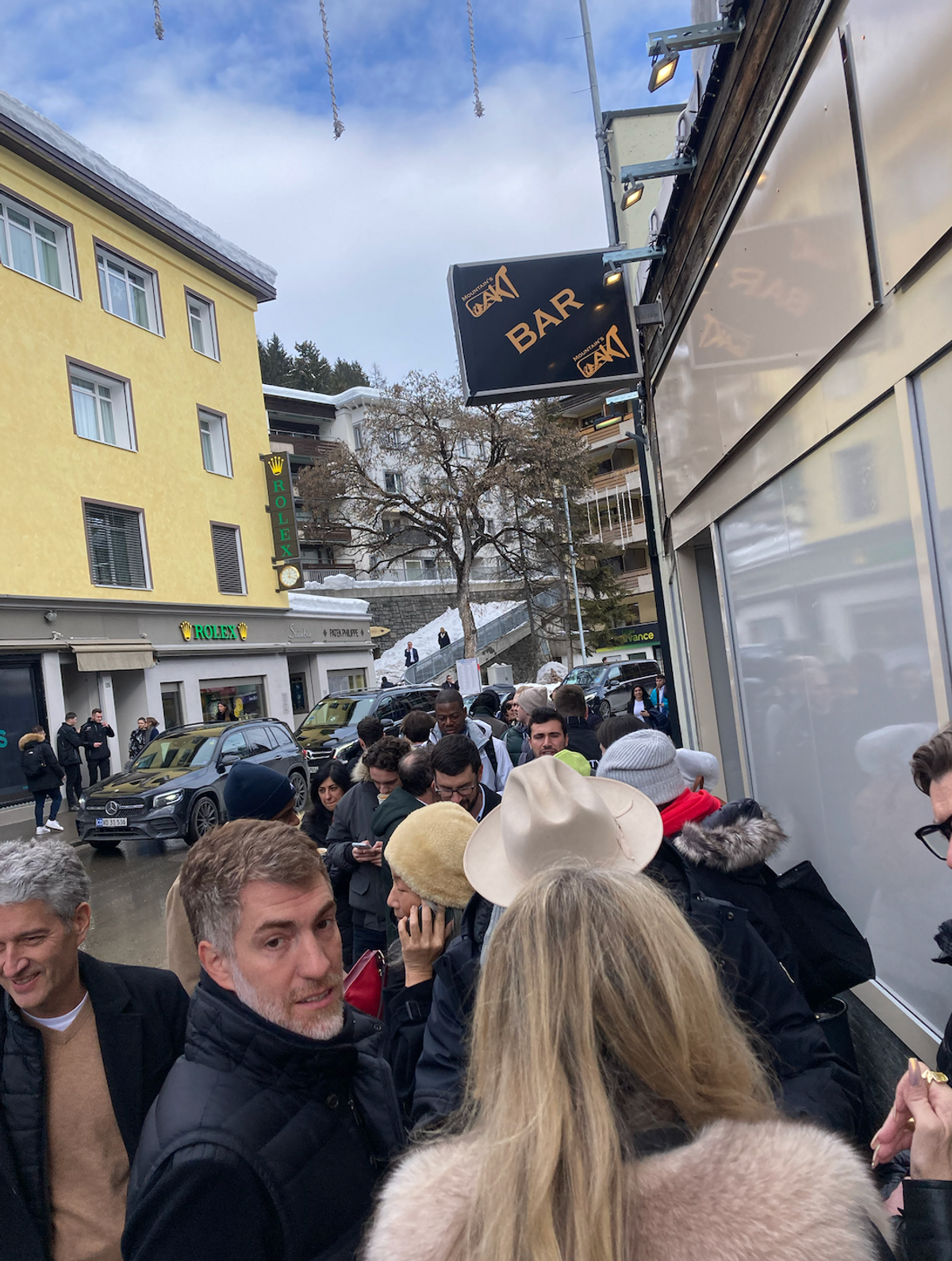
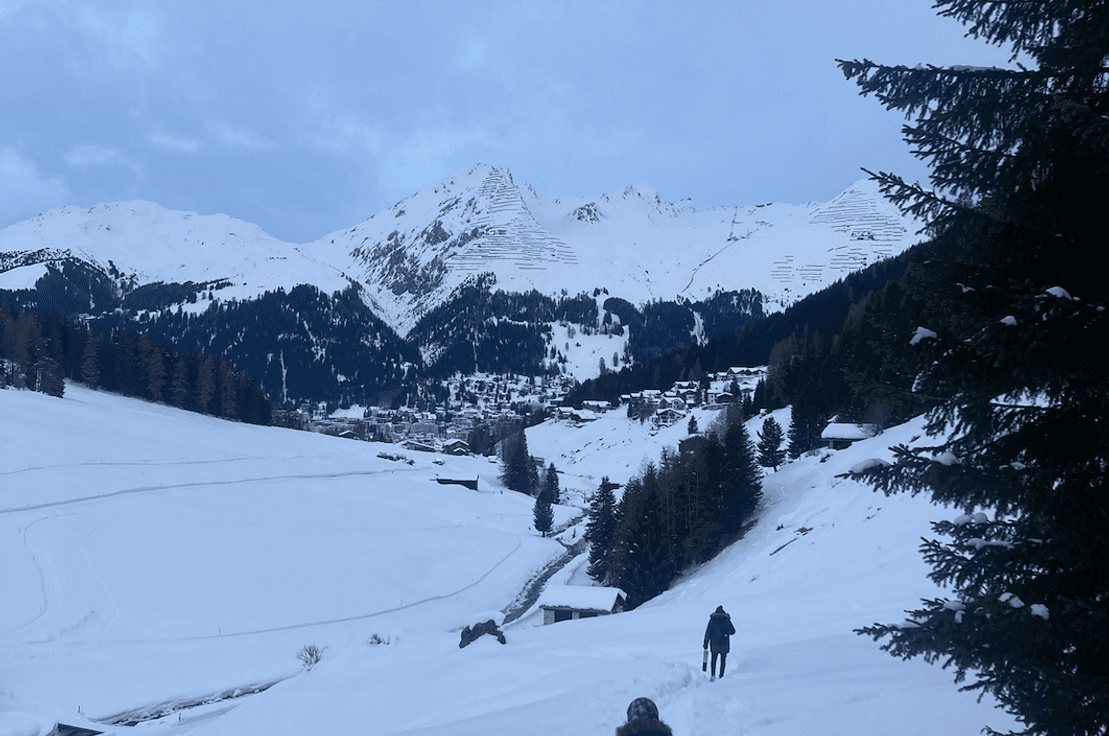
The long line of people waiting to attend Sam Altman's talk.
Publishers and OpenAI: Next, the topic shifted to the copyright lawsuit filed by The New York Times. Altman made it clear that they didn't need the vast datasets of different media companies; what they needed was small-scale but high-quality data. He stated that they would seek agreements like the one with Axel Springer and had no intention of endangering the media and journalism industry in any way.
Human rights and OpenAI: An interesting question posed by Axios' Chief Technology Correspondent, Ina Fried, was about how ChatGPT would be trained on LGBTI+ rights. Altman's response was quite disappointing. He mentioned that since every country has its own cultural codes, they wouldn't take any extra action on this matter, and they had no intention to impose restrictions. While referring to the fact that contexts vary from country to country as a sign of "freedom and sensitivity," he stated that it wasn't their role to define rights. I can't help but wonder, would this extreme libertarian take from a tech leader who set out to transform the world not regress it?
Sam Altman and his investments: Altman, who stopped investing in startups after the rapid rise of OpenAI following his long tenure at Y Combinator, stated that the reason was that he no longer saw himself as an investor in terms of both time and energy. He mentioned that he continued to contribute to the startups he had previously invested in because he saw it as a necessity.
At the end of a year which OpenAI made headlines and artificial intelligence was all over the place, it was truly intriguing to see Sam Altman calmly giving copy-paste answers to all questions. It seems evident that Sam's vision doesn't exactly match the course that artificial intelligence has taken. So, there's plenty of room for new leaders to emerge in the AI industry.


Kaydet

Okuma listesine ekle
Paylaş
Paretoİş dünyasından içgörü, sektör analizleri ve gelecek öngörüleri her pazartesi ve perşembe e-posta kutunuzda.
NEREDE YAYIMLANDI?

Highlights from the 54th Annual Meeting of the World Economic Forum at Davos. Scaling the summit by AI, a lunch with Sam Altman, and everything else.
22 Mar 2024
YAZARLAR

Sinem Uğurdağ
Aposto COO'su.

Pareto
İş dünyasından içgörü, sektör analizleri ve gelecek öngörüleri her pazartesi ve perşembe e-posta kutunuzda.
İLGİLİ OKUMALAR
"Ödünç dikkat çağı" bugünlerde yeni bir şey gibi paketleniyor ama neredeyse reklamcılık kadar eski bir tartışma bu. Öte yandan viral akımlar, memler, trend sesler, influencerlar çağında araştırmalar, ödünç dikkatin kapıyı açsa da alışkanlık yaratmadığını da gösteriyor. Peki bu tartışmaların ortasında reklamcılıktan elde kalan ne? Bunun cevabı şeffaf süreçler, doğrulanabilir sonuçlar, kanıtlar ve gerçek insan emeğinde yatıyor.

Eskiden yalnızca satın alınan ürünleri taşımak için kullanılan bez çantalar, bugün tüketiciler için bir statü sembolüne, markalar için ise maliyetsiz bir reklam aracına dönüşüyor. Giderek daha fazla işletme, esas faaliyet alanının dışına çıkarak bez çantalardan tişörtlere, şapkalardan kupalara kadar uzanan “merch” koleksiyonları oluştururken bir dönemler ücretsiz dağıtılan bu promosyon ürünleri, tüketicilerin para ödemeye gönüllü olduğu yeni bir pazar yaratıyor.

Ortadoğu'daki savaşın tetiklediği akaryakıt krizi, elektrikli otomobillere yönelik talebi yeniden artırırken sektördeki dengeleri de değiştiriyor. Son bir yılda elektrifikasyon yatırımlarını küçülten otomobil devleri, yükselen talep ve Çin’deki üreticilerin güçlenen rekabeti karşısında gelecek stratejilerini yeniden değerlendirmek zorunda kalıyor.

Dijital ödeme çözümleri, her geçen gün daha da yaygınlaşırken işletmelerin bu çözümlere yaklaşımında güven, kullanım kolaylığı ve sağlanan somut fayda belirleyici hâle geliyor. Yakın tarihte Garanti BBVA’nın kuruluşu Tami’nin ve Ipsos Türkiye’nin işbirliğinde gerçekleşen çalışma da işletmelerin dijital ödeme çözümlerine açık olduğunu, fakat dönüşümün esas anahtarının güven olduğunu ortaya koyuyor.
12 Eki 2026
Tüketicilerin kredi kullanım tercihleri son yıllarda nasıl değişti, Türk bankacılık sektörü para politikası kararlarına nasıl uyum sağlıyor ve finansal teknolojiler alanında faaliyet gösteren girişimlerin büyümesinin önündeki başlıca sorunlar neler? TeklifimGelsin Kurucu Ortağı ve CEO’su İhsan Cem Zararsız, kredi piyasasındaki gelişmeleri, bankaların dijitalleşme sürecini ve Türkiye’de girişimlerin finansmana erişimde yaşadığı sorunları Aposto okurları için anlattı.