





5 trends for the internet economy: Notes from Stripe Sessions 2026


 Soli
Seyahat ve kültür yayını SOLİ, şehirleri ve içindeki farklı kültürel toplulukları araştırmak üzere mahallelere ve mahallelilerin hikâyelerine odaklanıyor.
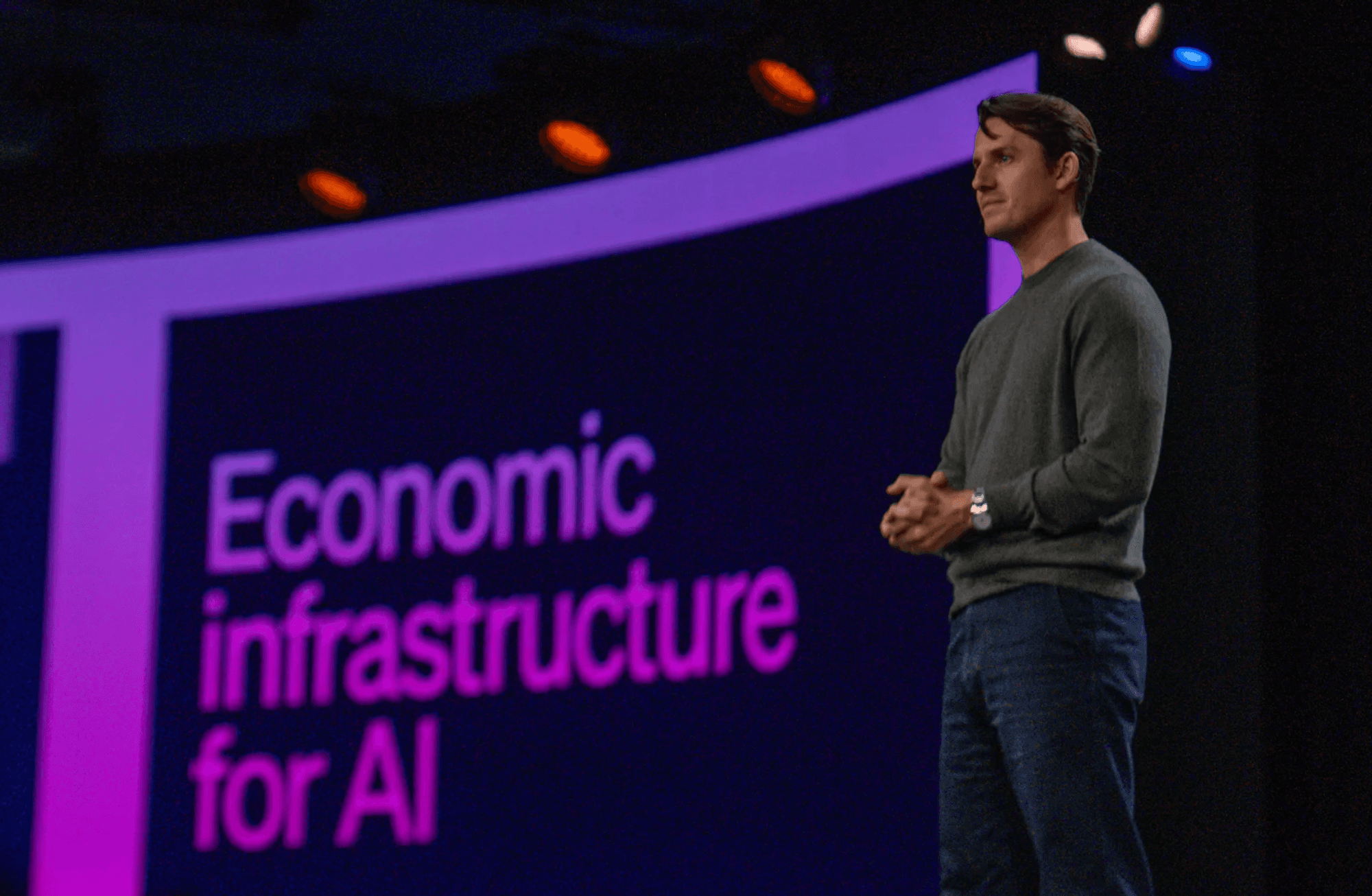
The world is your oyster, one would say. That seems to be the summary of what is happening in the tech world right now. It was also the vibe at Stripe Sessions, the annual conference Stripe hosts about the future of the internet economy.
Has the technology industry always been like this? Reading through decades of Silicon Valley history, I wouldn’t say so. Even at the peaks of personal computing and the early internet, the rhetoric about “our civilization’s boundless achievements” wasn’t this utopian. Is Silicon Valley willing itself into a higher purpose, something like AGI, to give everyone’s life a deeper meaning? Partly, but not entirely.
Stripe is a company that embodies the Silicon Valley ethos almost perfectly. Founded by two Irish brothers around fifteen years ago, it has become the backbone of the internet economy. Any hobbyist, solo entrepreneur, small business, or startup can open a Stripe account and start accepting payments online instantly. Its annual transaction volume now accounts for roughly 1.6% of global GDP. And yet, the company operates in much the same spirit it did fifteen years ago.
Every year, Stripe holds Stripe Sessions, a two-day event where it announces its latest products and hosts panels with key figures from across the industry. Beyond turning a product launch into a full conference, Stripe brings the most important voices in tech to the stage. Last year it was Jony Ive; this year it was Sam Altman.
Like almost everything else in our lives right now, this year’s Sessions was mostly about AI. Here are my five key takeaways from the conference and the product announcements of the company that quietly underpins the internet economy.
1. Agentic commerce will be big
You’d hear the term agentic commerce in nearly every session. How is it different from a payment automation product that just saves you from re-entering your credit card details on every site? Well, agents are supposed to make decisions for you, or at least propose them for your approval.
Think of something actively scouring the internet for products you’d be interested in, hunting down discounts, or restocking your weekly groceries before you notice they’ve run out. Fintech companies are now building the infrastructure to make this kind of activity seamless. And as we briefly overheard in the conversation between Nat Friedman and Daniel Gross: agents will spend money.
2. Token economics is here
One of the new things AI has introduced into our lives is the token. You are charged by the token because tokens are the unit of measurement for AI infrastructure use. It’s an evolution of cloud-based services, but priced at an even more granular level.
Agentic commerce will let your agents (or your wallet) make these micro-transactions seamlessly, something that wouldn’t be feasible on traditional banking rails. The likely substrate for it: stablecoins, and the kind of infrastructure being built by companies like Tempo, the new L1 blockchain co-incubated by Stripe and Paradigm.
3. Unified commerce is still an unsolved problem
Another recurring theme was unified commerce, the idea of connecting personal data across offline and online shopping. Imagine your favorite retailer recognizing you the moment you walk in because they already know which brands you’ve ordered online and what your purchase history looks like.
If offline and online data were truly unified, we’d see far more seamless shopping experiences and faster decision-making. Plenty of companies are tackling the problem, but as far as I can tell, the industry is still extremely fragmented.
Why haven’t we solved it yet, and why are we still talking about it at conferences like Stripe Sessions? I don’t have a clean answer. It’s a problem that genuinely deserves to be solved.
4. Stripe is betting big on stablecoins
Stablecoins are cryptocurrencies pegged to the value of another asset, most often the US dollar. In short, they’re digital money that derives its value from real money. That makes them a strong candidate for the backbone of the future internet economy: from agentic commerce to token economics, the connecting word in nearly every transaction is stablecoin.
Do I fully agree? Because stablecoins are rooted in the heart of the cryptocurrency world, I’m not sure that’s the right framing for the rest of the world. But the underlying need is both real and significant: faster, near-instant payment infrastructure built natively for the internet.
5. You can no longer make fun of the idea person
This one is from Sam Altman’s conversation with Patrick Collison. As someone who has spent decades in the Bay Area, Sam recalled a time when everyone made fun of the wannabe entrepreneur, the person who always had an idea but was constantly looking for developers to build it. With AI, the idea person is now the one who is genuinely obsessed with an idea, has the conviction to follow it through, and turns it into a company. Now that building software is no longer the bottleneck, is this the era of the idea person? I’d partially agree.
The world is your oyster, I would say, to my colleagues, to myself, and to my agent.
See you next year.