




Fragile mechanics of belonging: Exploring home in Barış Çavuşoğlu’s art


 Duende
Her hafta müzik, sinema, eğlence ve sanat dünyasından söyleşiler, incelemeler, öneriler, podcast’ler ve keşif notları e-posta kutunda.
We go out into the world—pursuing possibilities, discovering the unknown, meeting new people, exploring our potential, and creating. And in the end, we return home: to rest, reflect, and feel safe. We carry certain expectations for the place we call home. It's where we leave behind the demands of the world, shed our outside masks, and feel free to be our true selves. Home is where we seek comfort, compassion, and protection.
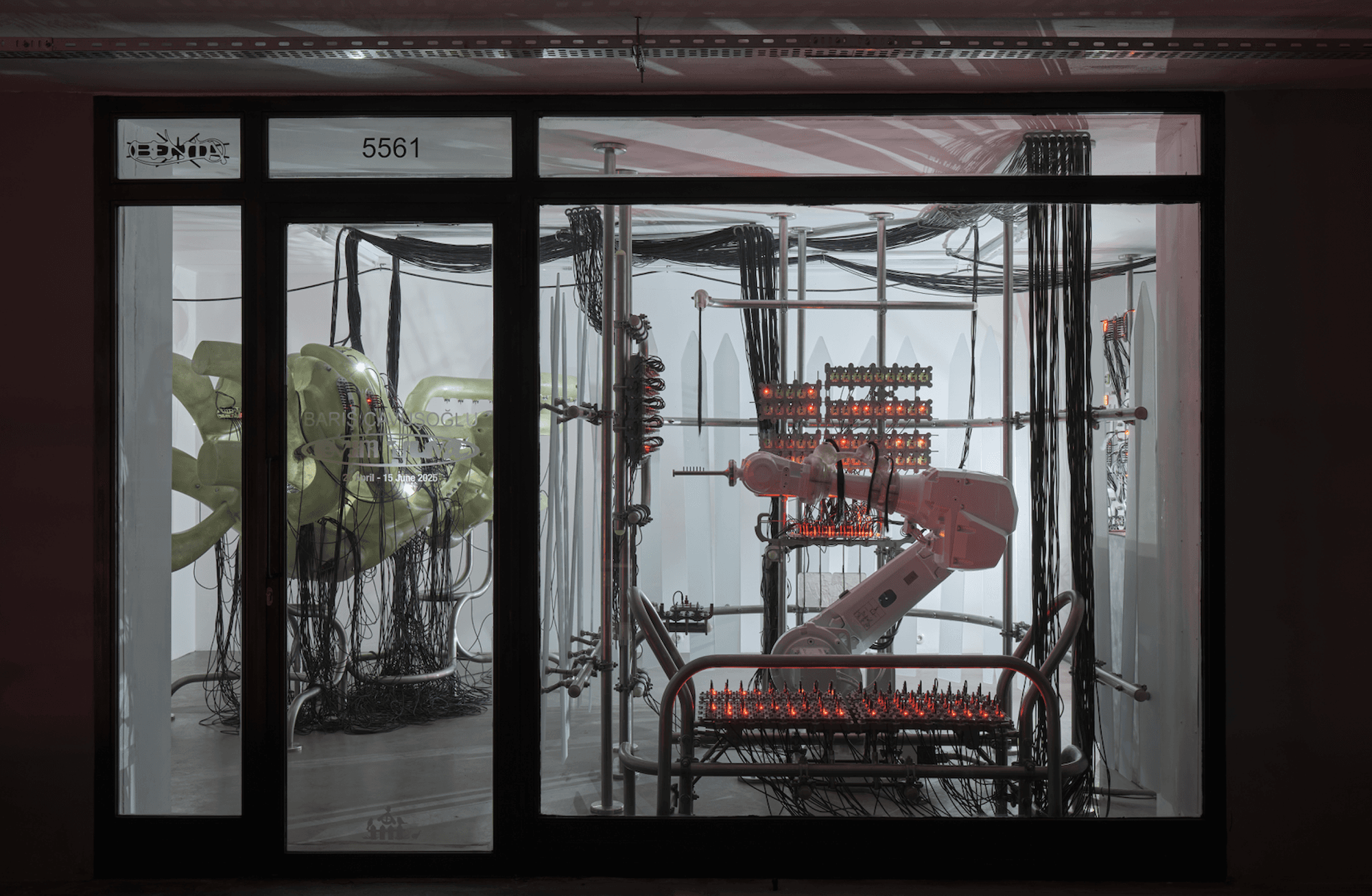
The latest exhibition by Barış Çavuşoğlu, evim yuva, explores themes such as family, creation, protection, and gratitude through the portrayal of a childhood home. The mechanical and dynamic sculptures—each the result of immense effort, time, and resources—offer insight into the artist’s creative process. And if you look closely, you may catch a glimpse of what made Barış who he is.
The exhibition is held at Barış Çavuşoğlu’s art space, BENTA, located within İMÇ—a fabric marketplace in Istanbul. While it might seem like an unusual choice at first, İMÇ has recently started to attract attention from the city’s art community. Several galleries are now active within the complex, scattered across its various buildings.
- In his latest exhibition Barış Çavuşoğlu shares his interpretation of what "home" means. The exhibition not only recreates his childhood house, but also reflects the memories and emotions shaped within it. Çavuşoğlu draws inspiration from the place that gave him a sense of reliability and familiarity growing up.
The exhibition features three mechanical sculptures, all interconnected by wires. They function together in harmony—much like the intricate, unseen systems that make a house feel like a home.
Born in 1994 to two engineer parents, Çavuşoğlu spent much of his childhood at their production facility. Growing up surrounded by machines and tools in a place of creation, it’s no surprise that his art reflects a mechanical, cyclical, and productive style.
The exhibition space is relatively small compared to the size of the sculptures, which enhances the storytelling by creating an intimate dialogue between the three pieces and emphasizing their unity within an ecosystem. Despite the limited space, it never feels cramped; instead, the enclosure evokes the comforting security of a womb. This maternal energy permeates the exhibition, which is surprising given the industrial style and materials of the sculptures. At first glance, the exhibition appears gray, metallic, and cold—seemingly at odds with the warmth conveyed through the works. However, like much art, evim yuva reveals deeper meaning when viewed through the lens of the artist’s personal experience. While materials such as fiberglass, stainless steel, and aluminum might seem cold and foreign to many, for the artist they are familiar and, in a way, feel like home.
The construction of the sculptures took approximately six months and involved the efforts of around 150 people. Çavuşoğlu utilized the resources of his parents’ production facility, where infrastructure materials such as fittings for water and gas pipes, as well as valves, are manufactured. In a way, the production process itself becomes part of the exhibition, reflecting the themes the artist conveys through his sculptures. The support and means provided by his parents enabled him to create his work in the way he always envisioned, a fact for which Çavuşoğlu feels deeply grateful.
At the entrance, the main sculpture welcomes you home. It is Çavuşoğlu’s interpretation of a house—specifically, his childhood home. At the center of the sculpture, a dynamic robot works tirelessly with two functions: pushing buttons that light up connected bulbs on the sculptures, and combing a strand of hanging hair. Each button press triggers a sequence of randomly turning lights on and off; although the robot controls which bulb to light, the pattern varies. The other function is far more intimate—the robotic arm, which has hair of its own, gently combs the hanging hair, evoking a compassionate and maternal feeling. Directly opposite the robot is a family portrait printed on a fiberglass plate. The image of Çavuşoğlu and his family is colorless and blurred, underscoring the theme of fragility.
This piece is enclosed by a glass fence, whose almost comical shape reflects Çavuşoğlu’s inspiration from his work as an animation artist. While a fence typically symbolizes protection, the fragile material used here challenges that notion. The deliberate choice of such a delicate barrier to safeguard something so precious highlights the vulnerability of the perfect harmony within. Çavuşoğlu understands that his parents are not immortal, that all material things are temporary, and that everything beautiful may one day come to an end.
The second piece is highly intricate and flamboyant. Despite the immense work and craftsmanship involved, it lacks a practical function. One might argue that Çavuşoğlu created it simply because he could—and that wouldn’t be far from the truth. He views this work as a tribute, a declaration of gratitude toward his parents. He calls it “A gift of appreciation and a debt repaid to my past.” Introduced to the world of production and given the means to create by his parents, Çavuşoğlu made this elaborate and majestic piece as a thank-you, a way to show them that he could achieve this because of their support. It’s much like a child proudly presenting a drawing made at school to their parents.
The third piece is less complex and smaller than the other two. Çavuşoğlu calls it “My Celestial Form” and views it as the version of himself that others might expect. It is connected to the other sculptures, completing the whole. The buttons pressed by the robotic arm in the first piece correspond to the lights on this sculpture. It can be interpreted as the version of Barış who is simply influenced by external forces without adding anything of his own. However, through his second piece, Barış demonstrates that he goes beyond these expectations.
This exhibition, which illuminates the experiences that shaped the artist both as a person and creator, also explores the concept of family. Although deeply personal, it offers relatable elements for the viewer. Such a genuine and intimate portrayal sheds light on the creative process, allowing for a much deeper understanding of the entire work.
"evim yuva" by Barış Çavuşoğlu can be viewed at BENTA, until the 1st of July.


Kaydet

Okuma listesine ekle
Paylaş
DuendeHer hafta müzik, sinema, eğlence ve sanat dünyasından söyleşiler, incelemeler, öneriler, podcast’ler ve keşif notları e-posta kutunda.
İLGİLİ BAŞLIKLAR
YAZARLAR
Leyla Ezgi
Aposto'da metin yazarı

Duende
Her hafta müzik, sinema, eğlence ve sanat dünyasından söyleşiler, incelemeler, öneriler, podcast’ler ve keşif notları e-posta kutunda.
İLGİLİ OKUMALAR

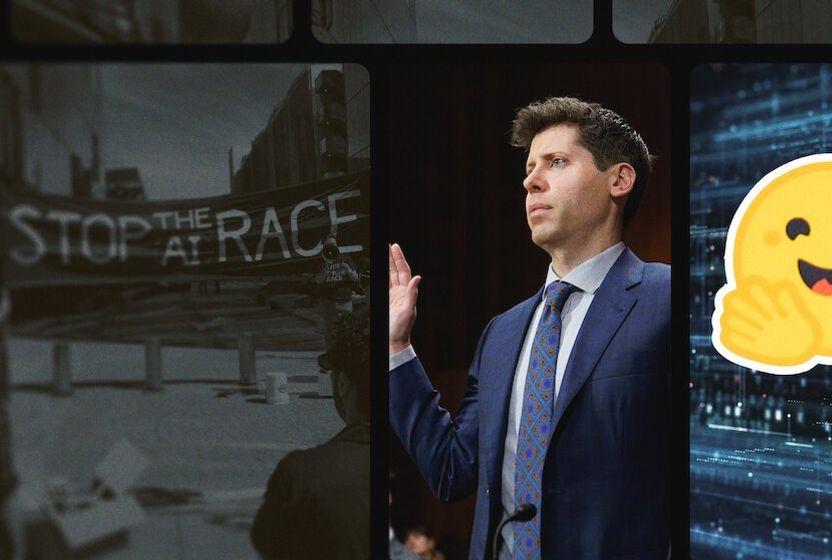
Adalet, gerçeklik ve güvenlik sarsılırken yapay zeka yeni bir faili sahneye çıkarıyor. Netflix'in "Instadocs" serisi, kendi yarattığı sistemlerle yüzleşmek zorunda kalan insanlığın hikayesini anlatıyor.
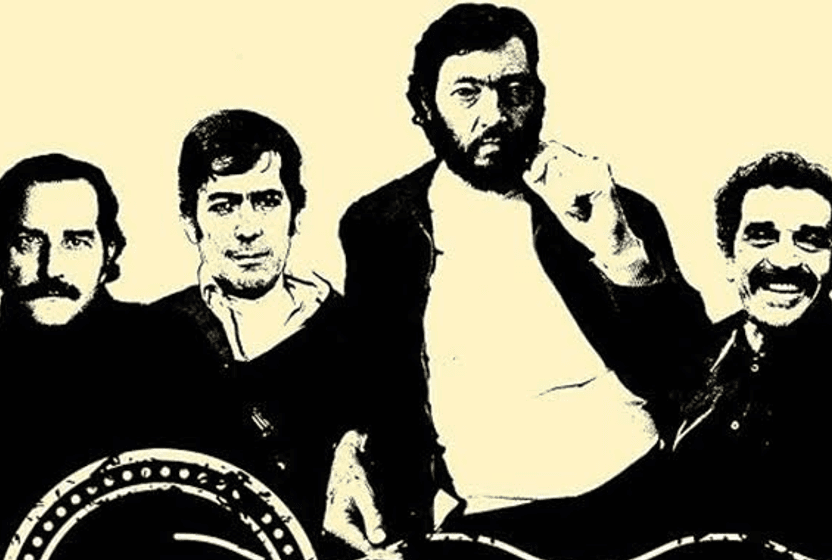
Süleyman Doğru'nun dilimize kazandırdığı "Latin Amerika Patlaması - Boom Mektupları", kitabın editörlerinin imece usulü yazdığı "giriş" yazısı, yaklaşık 207 mektup ve mesaj, yazarların birbirleriyle yaptıkları söyleşiler, eserleri hakkında kaleme aldıkları deneme, eleştiri ve makalelerle bizi Latin Amerika ve İspanyolca edebiyatın dört çığır açan isminin dünyasına davet ediyor.
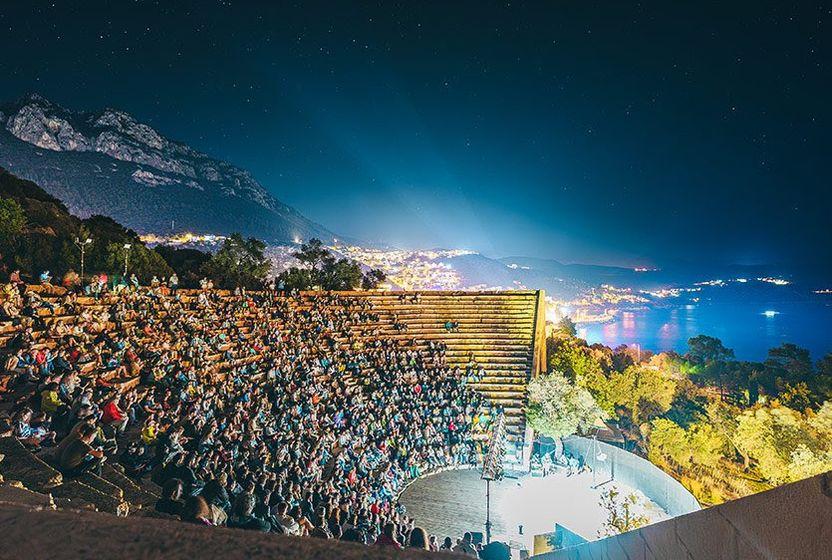
“Likya Kültürel Mirası” temasıyla 15-18 Ekim’de beşinci kez düzenlenen Kaş Tiyatro Günleri, bu yıl Kaş’ın yanı sıra Myra ve Patara’ya da uzanıyor. Festivalin kurucularından, Kaş Çevre ve Kültür Derneği Başkanı Ahmet Murat Akoy ve gönüllü destekçi Aslınur Sarıca’yla tiyatronun, ekolojik mücadelenin ve birlikte üretmenin açtığı alanı konuştuk.
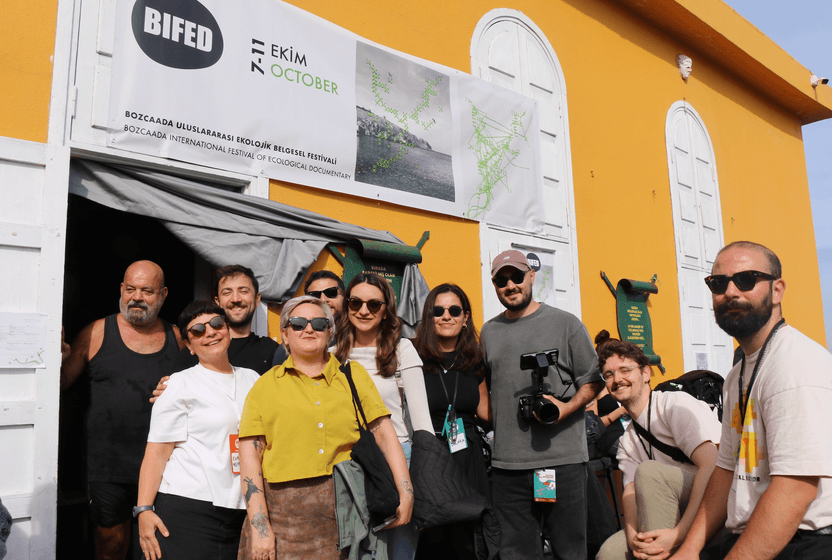
Bozcaada Uluslararası Ekolojik Belgesel Festivali’nin etkinlik koordinatörü Nigar Mat ile festivalin yerelle kurduğu bağı, adanın ekolojik sorunlarını ve dayanışmayla bir festival sürdürmenin koşullarını konuştuk.
Çilekeş, Epifoni Organizasyonu ile 16 yıl sonra orijinal kadrosuyla sahneye döndü. Grup yalnızca eski şarkılarını çalmadı, kolektif bir kitlenin parçası olmamızı da sağladı.