

The comedians roasting Silicon Valley: It takes both your money and your data


 Quando
Her salı ve cuma girişimcilik ve teknoloji ekosistemlerinden öne çıkan gelişmeler, paradigma değişimleri, inovasyon trendleri ve dijital dönüşüm e-posta kutunda.
Tech has always been theater. There’s a costume like black hoodie, Patagonia vest. There’s a certain script like “Make the world better”. And, of course, there’s a cast like first time or second time founders, spreadsheet-slinging venture capitals, and ex-Googlers with a side hustle in biohacking or something. But lately, a new kind of performer has entered the stage: The insider satirists.
Meet Socially Inept, a comedy trio born from the belly of the beast. Founded by Austin Nasso, Nikita Oster, and Jesse Warren, the group is made up of former engineers and Silicon Valley veterans. Their flagship act, Tech Roast Show, is what happens when stand-up meets startup, and parody bleeds into something eerily real. “We take your money and your data,” they joke. But the show offers more than laughs. It’s an existential gut check for a culture running on hype and half-truths.
Watch it live, and it feels like a modern-day Decameron for the tech elite, public truth-telling with a punchline. Tech Roast Show is going global, but its bite is still sharp. In a world increasingly run by the tech aristocracy, this is the rare performance that tells us exactly who we are.
Whether you're a starry-eyed intern or one of 50 founders offering identical value props, this show hits home. If anything, it's edutainment for the self-aware. It is like Olacak O Kadar, which is a Turkish political sketch series, if it were retooled for LinkedIn junkies and Y Combinator grads. Because tech is politics now. And Socially Inept knows it.
With over a million social followers, the Tech Roast Show is getting more popular in the U.S. I caught up with Austin Nasso to talk about how all this started. His story started when he quit Microsoft for stand-up.
Behind the curtain: Nasso spent four years at Microsoft coding for corporate support systems. He knew early on the job didn’t fit. So he observed. Then, when the stock renewals stopped, he took the leap. The money was drying up. The dream wasn’t. Comedy called.
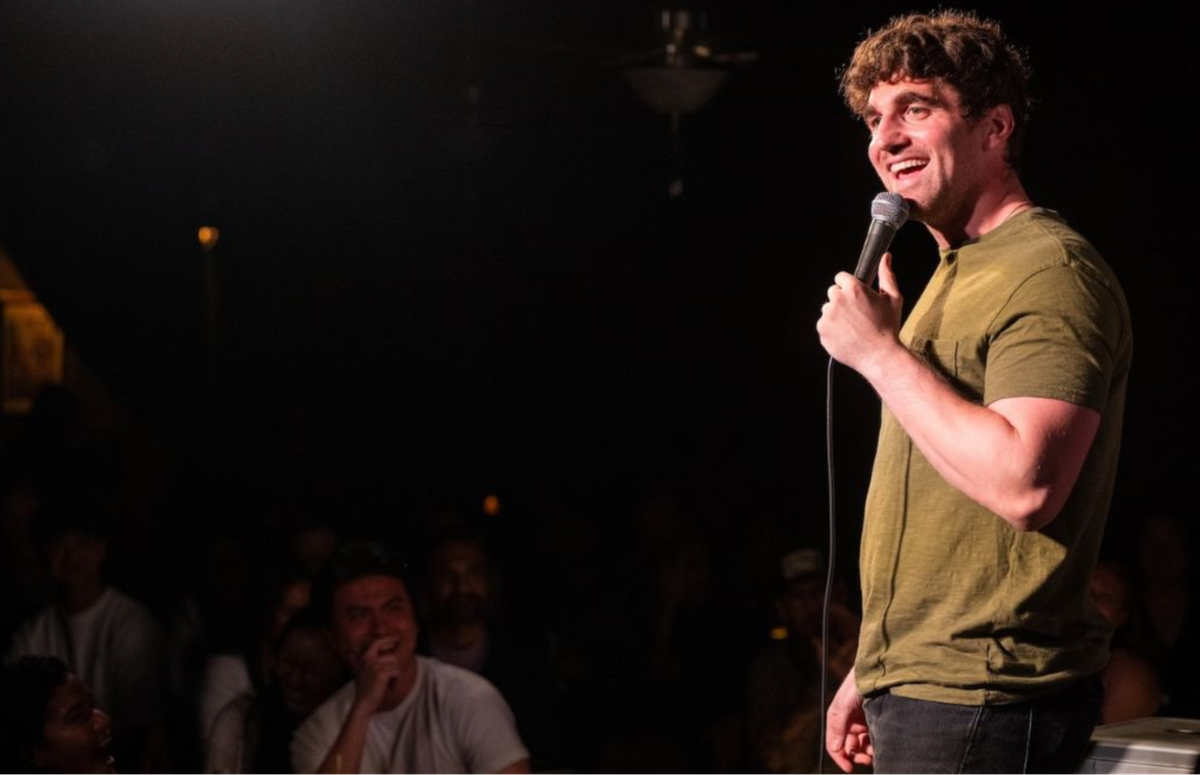
Austin Nasso
But the pivot wasn’t instant. Nasso had already founded Shenanigans Comedy Club at UCLA. When he landed in Seattle, he launched a show called Young Tech, trying to bring awkward engineers into the same room for some human interaction. It flopped. Too boring. Too structured. Too tech… What worked instead? Total roast mode.
How was the Tech Roast Show born?
Right before I moved to Los Angeles, we did a farewell roast of the Seattle tech scene. It’s a huge hub for tech giants like Meta and Amazon. The show sold out. That’s when it clicked, people were craving this kind of humor. After that, Jesse, Nikita, and I decided to build something bigger.
What pushed you from Microsoft to comedy?
Honestly, I never wanted to be a software engineer. I was coding for corporate support systems, dying inside. I already had comedy roots at UCLA. When Microsoft stopped renewing my stock grants, it felt like the universe telling me to go. So I quit, started performing, and built a following with short sketches.
Who’s your dream roast tech bro target?
Mark Zuckerberg. He is literally the tech stereotype. And I make a great impression. I hope he can take a joke.
Most overhyped technology product?
Coding while walking on a treadmill. Why?
Is the Tech Roast Show comedy or critique?
Both. We use humor to hit the system. The punchlines are pulled straight from reality. I remember roasting someone whose wife later said divorcing him was the best decision she ever made. We’ve had people update their LinkedIn bios or rewrite pitch decks after getting roasted. The jargon is everywhere, but when it’s spoken back to them on stage, people start seeing through it.
You also target tech’s dating culture. Why?
Because it’s hilarious. Tech people date like they optimize code, awkwardly and with too much math. I’ve seen people Venmo each other for $2 on a first date. Where’s the spontaneity? Generosity? That’s what we poke at.
Which city deserves the hardest roast?
San Francisco, easy. Same outfits, same promises, same vaporware. New York comes next.
How political has tech become?
Deeply. Silicon Valley is split. Even anonymous apps like Blind are flooded with political debates. It’s everywhere now.
Your impressions —especially the ones about Donald Trump— are going viral.
It’s been wild. I’m almost at a million on TikTok. My Trump and Biden videos get shared like crazy. I’ve even gotten messages from fans in Türkiye that blew my mind.
Are you planning a Europe tour?
Yes. Yes. Yes.
What are your comedy influences?
Sponge Bob, Seinfeld, Shrek, and Sopranos. Some Sponge Bob episodes are basically philosophy. Those shows shaped my voice. Comedy starts when people take themselves too seriously, and tech takes itself way too seriously.
Where to find them? Austin Nasso, Nikita Oster, and Jesse Warren are doing something most people in tech never dare: Telling the truth. Not cruelly. Not cynically. Just clearly. They’re pointing out the gap between the pitch and the product, the founder and the façade. And that gap? It’s where the real story is.
Socially Inept’s tour dates are listed on their website and social media accounts. If you’re in San Francisco, or anywhere they land, don’t miss it. You can also binge their content on YouTube, or, if you’re feeling bold, sign up to get roasted yourself.


Kaydet

Okuma listesine ekle
Paylaş
QuandoHer salı ve cuma girişimcilik ve teknoloji ekosistemlerinden öne çıkan gelişmeler, paradigma değişimleri, inovasyon trendleri ve dijital dönüşüm e-posta kutunda.
İLGİLİ BAŞLIKLAR
YAZARLAR

Çiğdem Öztabak
Teknoloji ve kültür yazarı, serbest gazeteci. New York'da yaşıyor.

Quando
Her salı ve cuma girişimcilik ve teknoloji ekosistemlerinden öne çıkan gelişmeler, paradigma değişimleri, inovasyon trendleri ve dijital dönüşüm e-posta kutunda.
İLGİLİ OKUMALAR

ABD ara seçimleri, Donald Trump yönetiminin teknoloji sektörüne yönelik politikalarının geleceği açısından yeni bir dönüm noktasına işaret etti. Hem Temsilciler Meclisi'nde hem de Senato'da daha fazla sandalye kazanan Demokratların ABD Kongresi’nin her iki yasama kanadında da çoğunluğu elde etmesi, son iki yılda izlenen politikaların yeniden tartışmaya açılabileceğini gösterdi.
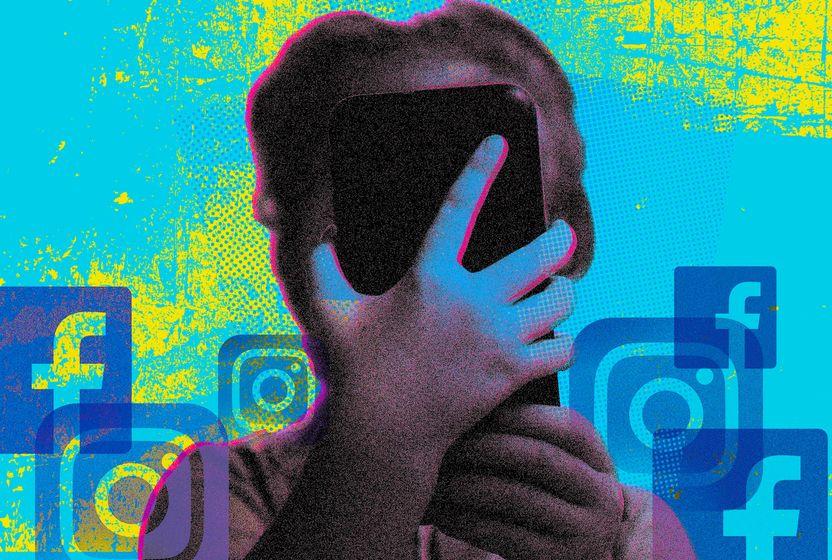
Çocukların sosyal medyada korunması üzerine yapılan tartışmalar, kaç yaşında hesap açabilecekleri sorusunun ötesine geçiyor. Türkiye’de 15 yaşını doldurmamış çocuklara sosyal medya kısıtlaması getiren yasa, 1 Kasım itibarıyla yürürlüğe girdi; ancak e-Devlet üzerinden henüz somut bir işlem mekanizması başlatılmış değil. Uzmanlara göre teknik altyapıdaki bu belirsizliğin ve salt yaş sınırının ötesine geçilmesi ve çocukları dijital dünyanın içinde güçlendirecek bir eğitim ve platform sorumluluğu modeli benimsenmesi gerekiyor.
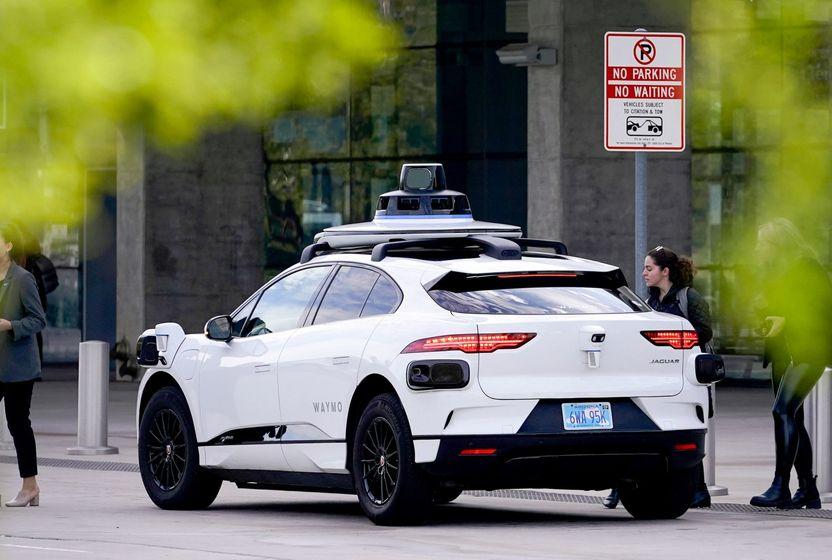
Martı ve Tripy Mobility gibi yerli şirketlerin yakın tarihli duyuruları, robotaksilerin beklenenden çok daha önce Türkiye yollarında kullanıma sunulabileceğine işaret ediyor. Bu duyurular oldukça kritik bir soruyu da gündeme taşıyor: Regülasyonlar derhal hazır hâle getirilse dahi bu kadar karmaşık kent koşullarında robotaksileri faaliyete sokmak mümkün mü? Boğaziçi Üniversitesi’nden Prof. Dr. Ilgın Yaşar ve güncel olarak bir otomobil firmasında görev alan Kontrol ve Otomasyon Mühendisi Berk Üke, bu soruyu Aposto okurları için yanıtladı.
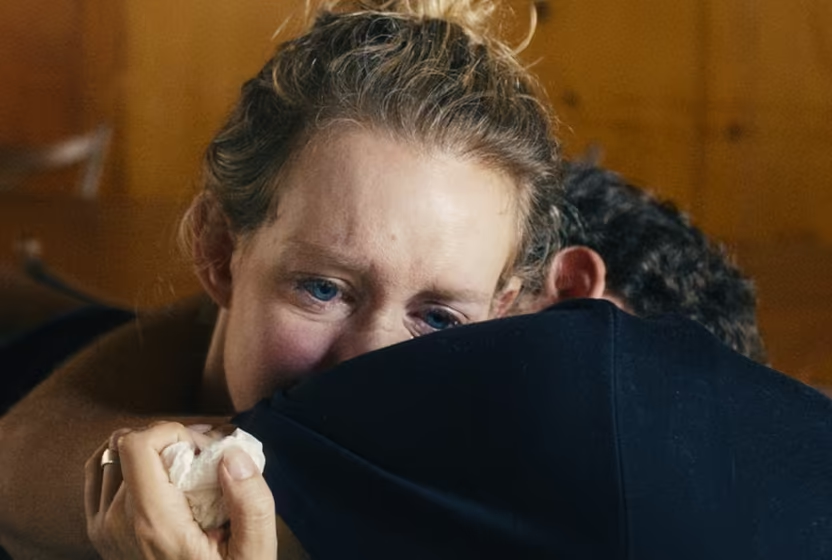
Silikon Vadisi’ni bir dönem sallayan Theranos skandalı, yakın zamanda yeniden teknoloji, medya ve iş dünyasının merkezine yerleşti. Girişimin kurucusu Elizabeth Holmes, 11 yıl hapis cezasına çarptırılmasının ardından bu kez dünyayı sallayan bir belgeselin ana konusu oldu. Üstelik kendi talebiyle…
Bugüne kadar en azından bir kez bir işi ChatGPT ile yapıp bir daha asla yapay zeka olmadan yapamaz hâle geldiyseniz yalnız değilsiniz. “Beceri atrofisi” olarak adlandırılan bu durum, yapay zekanın hayatımızı kolaylaştırırken bizi nasıl ona bağımlı hâle getirdiğini de açıklıyor. Uzmanlara göre asıl risk, yapay zekanın işimizi elimizden alma potansiyelinde değil, kendi becerilerimize ihtiyaç duymayacak kadar yapay zekaya bağımlı hâle gelmemizde yatıyor.