



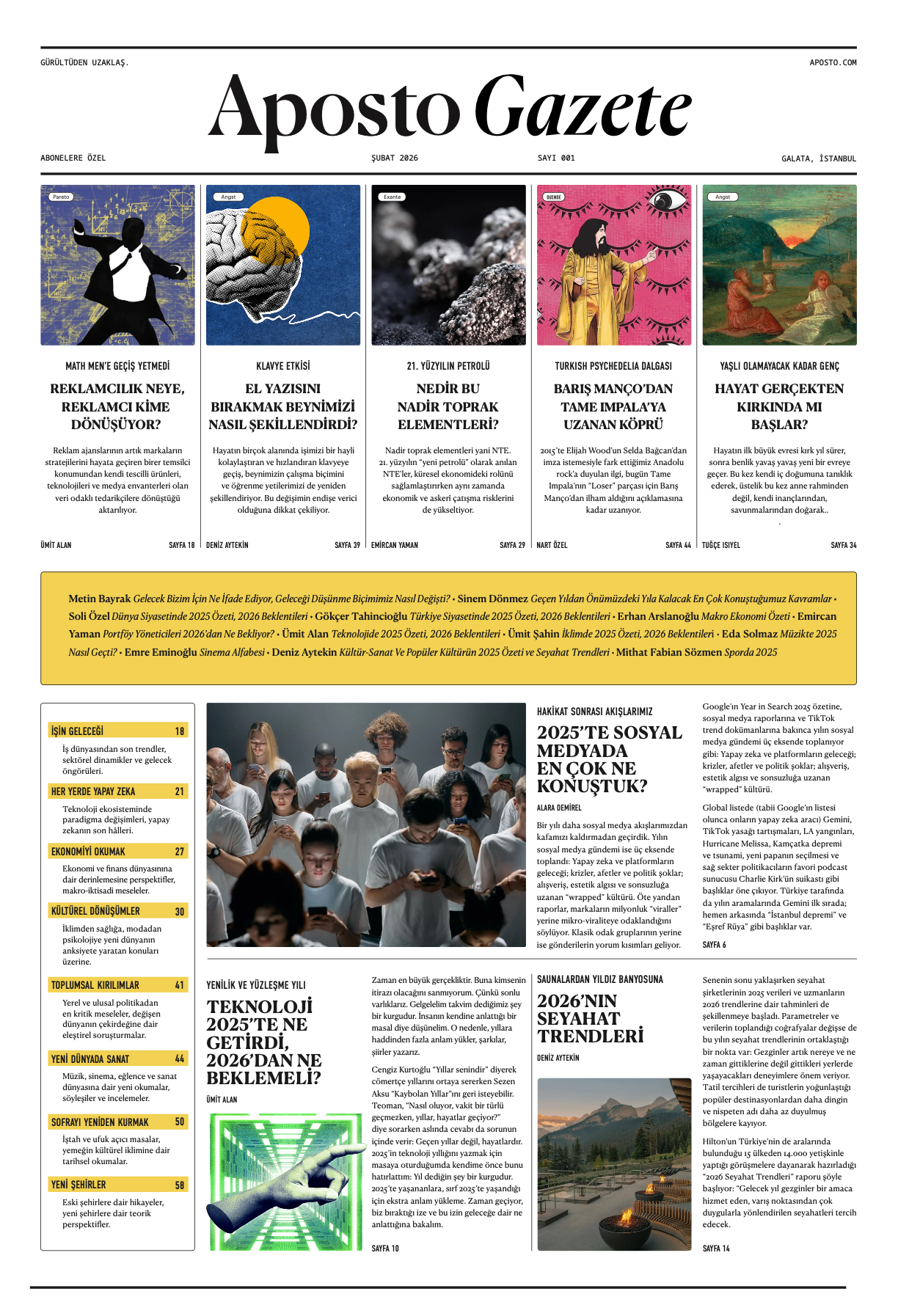


The impact of Generative AI in the industry with Benedict Evans


 Quando
Her salı ve cuma girişimcilik ve teknoloji ekosistemlerinden öne çıkan gelişmeler, paradigma değişimleri, inovasyon trendleri ve dijital dönüşüm e-posta kutunda.
Technology analyst Benedict Evans' speech on how artificial intelligence, especially Generative AI, will shape industries was undoubtedly one of the most impactful moments at Slush 2023. Evans emphasizes that the increasing adoption of artificial intelligence among companies signals a transformation similar to significant platform shifts in recent history. Generative AI, particularly in tasks like code generation, data matching, automation, and recommendations, reduces reliance on previous tools and offers industries a fresh perspective. The emergence of a more generalized and intuitive approach when interacting with computers is also a part of this transformation.
An important point highlighted by Evans is the unpredictability and questions surrounding AGI (Artificial General Intelligence). Will larger models pave the way for artificial general intelligence, or will it come unexpectedly as a breakthrough, or will it be facilitated by entirely new talents? This ambiguity seems likely to remain a focal point within the AI community.
Evans also focuses on the broader impact of software on industries. He anticipates that the next stage in the evolution of technology will be shaped by the consequences of an era where everyone is online and data is becoming increasingly profound, rather than trying to understand what computers are. This situation also reflects the cross-industry influence and overall transformative potential of software.
The concept of the "infinite intern" mentioned in his speech provides a fresh perspective on the direction in which artificial intelligence and work practices are evolving. Evans predicts that AI will take on a kind of "infinite intern" role in the future. It's worth thinking about whether AI, with its emphasis on continuous learning, adaptation, and flexibility, could replace traditional internship systems. As companies become more flexible and open to learning, generative AI has the potential to continuously optimize business processes and strategies. This could open up new possibilities for the future of work and the dimensions in which AI-human collaboration can excel.
"Generative AI not only offers fresh perspectives to industries but also ushers in a profound transformation in the way we interact with computers," emphasizes Evans. "However, the uncertainty surrounding AGI indicates that we are on an unpredictable path when it comes to the future of artificial intelligence."
A thought-provoking topic with profound implications for the business and tech community…


Kaydet

Okuma listesine ekle
Paylaş
QuandoHer salı ve cuma girişimcilik ve teknoloji ekosistemlerinden öne çıkan gelişmeler, paradigma değişimleri, inovasyon trendleri ve dijital dönüşüm e-posta kutunda.
NEREDE YAYIMLANDI?

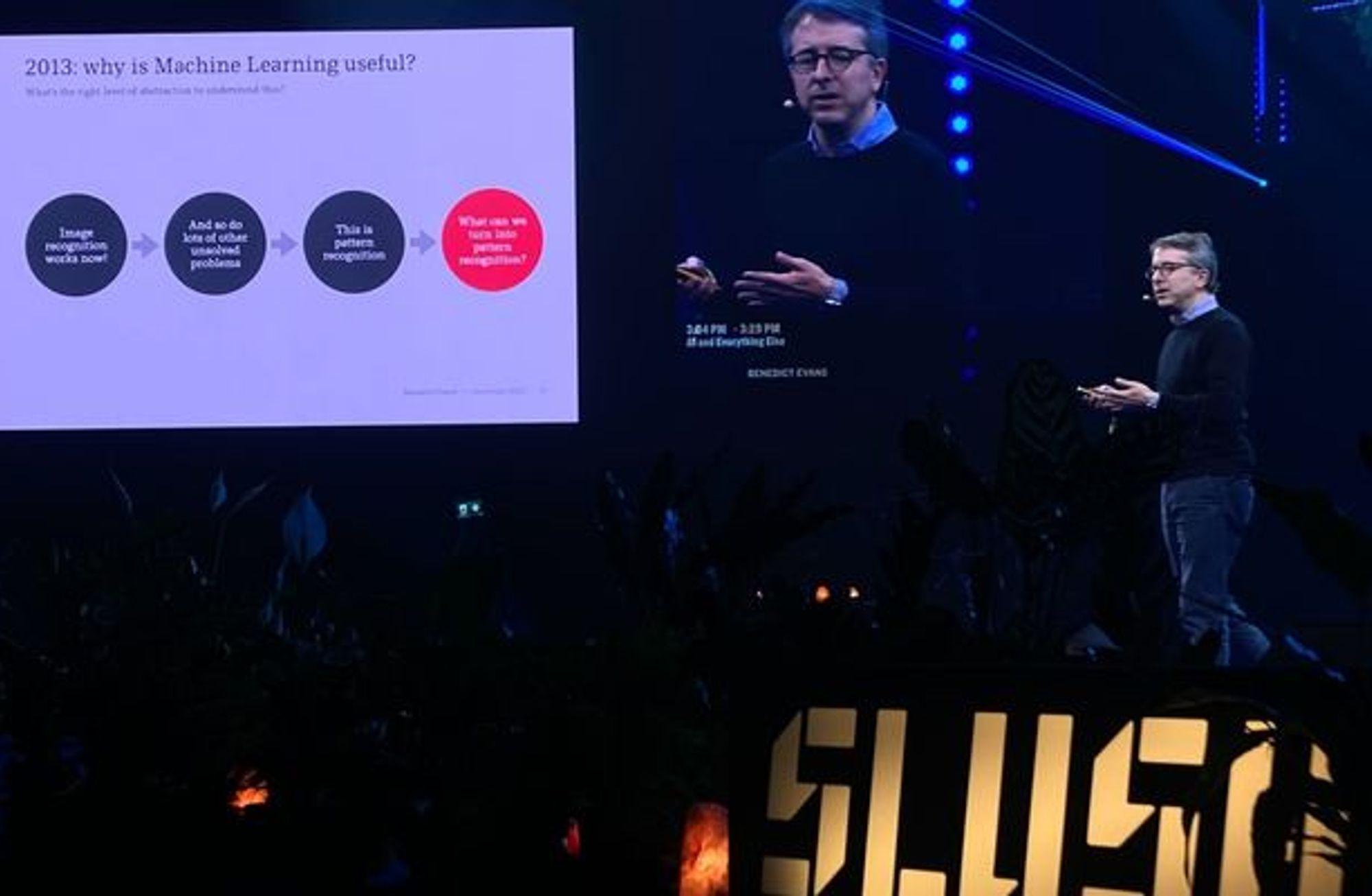
This year, Slush was held in Helsinki from November 30 to December 1. The event stands out with its unmatched community spirit and a dynamic network of collaboration, creating a distinctive blend of connections and ideas.
22 Ara 2023
YAZARLAR

Sinem Uğurdağ
Aposto COO'su.

Quando
Her salı ve cuma girişimcilik ve teknoloji ekosistemlerinden öne çıkan gelişmeler, paradigma değişimleri, inovasyon trendleri ve dijital dönüşüm e-posta kutunda.
İLGİLİ OKUMALAR
Bugüne dek bir yazılım ürününe “başarılı” denebilmesi için ürünün mümkün olduğunca çok sayıda insana ulaşması gerekiyordu. Fakat yapay zeka, yalnızca bir kişinin, bir ailenin ya da bir arkadaş grubunun kullanacağı uygulamalar geliştirmeyi de artık anlamlı hâle getirdi. Bu sayede kodlama da yalnızca ticari bir süreç olmaktan çıkıp kişisel bir yaratıcılık aracına dönüşmeye başladı.
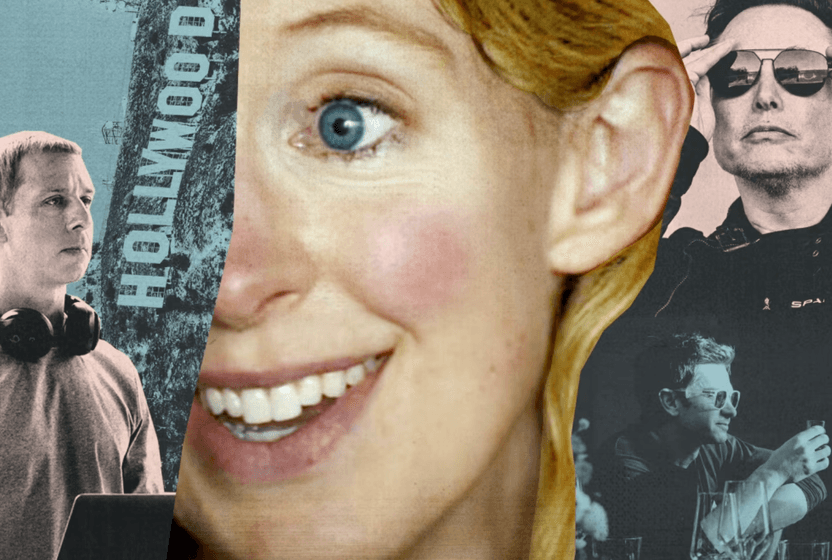
Bu yıl sonbahar sezonu, teknoloji arenasındaki dev isimleri konu alan bir dizi yapımın gösterime girişine sahne oluyor. Bir zamanlar Hollywood'un komedi unsuru olarak gördüğü bu liderler, bugün neredeyse bir korku filminin başrolüne yerleşiyor. Fakat bu kez korku, teknolojinin uzak bir gelecekte yaratabileceği sorunlara ilişkin kurgusal senaryolardan ziyade, bugün sahip olduğu güçten ve bu gücün yarattığı sonuçlardan besleniyor.
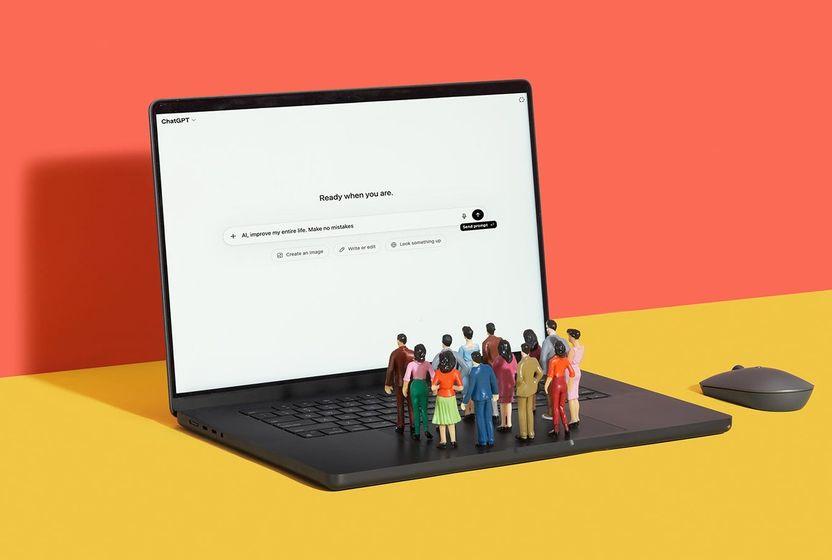
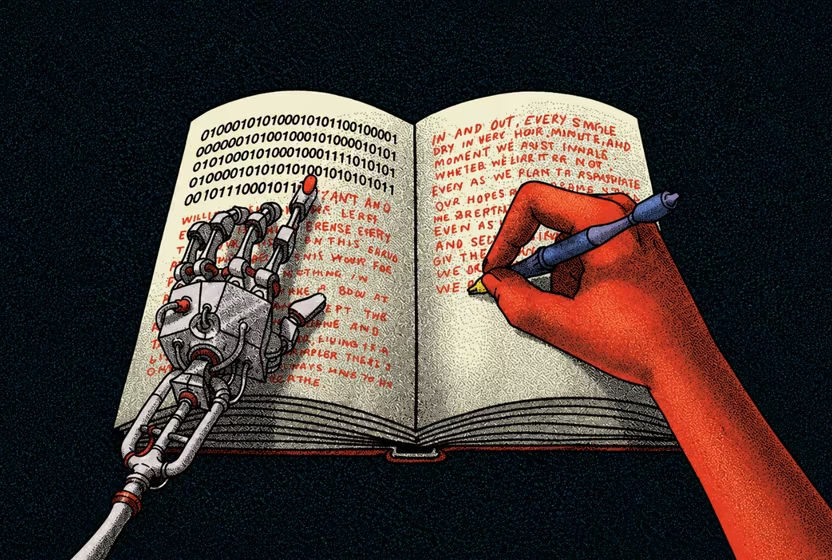
Yapay zekaya ne istediğimizi anlatmaya çalışırken kendi isteğimiz hakkında da bilgi ediniyoruz. Bazen söylemediğimiz bir ayrıntıyı, bazen ise hiç düşünmediğimiz bir soruyu fark ediyoruz. Peki karşımızdaki bizi anlamakta ustalaştıkça bizim de kendimizi daha iyi anlamamız mümkün mü?
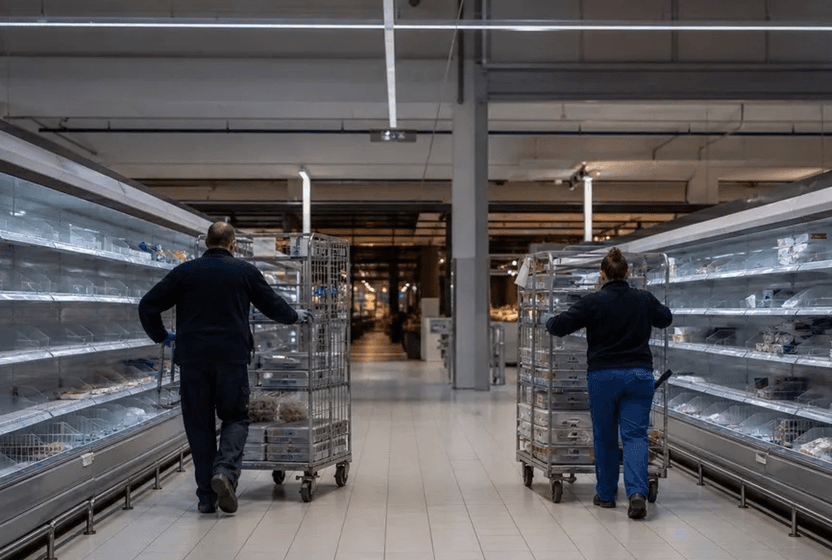
Fransa'da bir siber saldırı yüzlerce marketin soğutma sistemlerini uzaktan ısıtarak tonlarca gıdanın çöpe gitmesine neden oldu. Akıllı buzdolaplarından otomobillere, yataklardan su arıtma tesislerine kadar gündelik hayatı internete bağlayan teknolojiler, verimlilik sağlarken yeni bağımlılıklar ve kırılganlıklar da yaratıyor. Peki hayatı kolaylaştırmak için her şeyi birbirine bağlarken neleri gözden kaçırıyor olabiliriz?
Kadın sesiyle konuşan, kullanıcılarının ihtiyaçlarına göre şekillenen ve hayatı kolaylaştırmayı vadeden yapay zeka, gerçek kadınlar söz konusu olduğunda bambaşka bir tablo ortaya koyuyor. Dijital şiddetten işe alım süreçlerine, toplumsal cinsiyet önyargılarından ekonomik eşitsizliklere kadar pek çok alanda mevcut sorunları yeniden üretme potansiyeli taşıyan bu teknoloji, kadınlar için nasıl bir gelecek tasarlıyor?